Are Impatiens Toxic to Dogs? Understanding the Risks for Your Pet

Impatiens are popular flowering plants often used to brighten gardens and indoor spaces with their vibrant blooms. However, as a pet owner, you may wonder whether these beautiful plants pose any risk to your furry friends, particularly dogs. Understanding the potential toxicity of Impatiens is crucial for ensuring the safety and well-being of your pet. In this article, we will explore whether Impatiens are toxic to dogs, the symptoms of toxicity to watch for, and preventive measures you can take to safeguard your four-legged companions while enjoying the beauty of your garden.
Are Impatiens Toxic to Dogs?
Impatiens, commonly used as ornamental plants in gardens and landscapes, are generally considered safe for dogs. According to the ASPCA, Impatiens are not listed as toxic to dogs, meaning that ingesting small amounts of the plant is unlikely to cause serious health issues. However, while ingestion may not result in toxicity, it could potentially lead to mild gastrointestinal upset in some dogs, including symptoms such as vomiting or diarrhea. Therefore, while it’s important to ensure that your furry friend does not consume large amounts of any plant material, the risk posed by Impatiens is minimal compared to other more dangerous plants.
What Are Impatiens?
Impatiens are flowering plants known for their vibrant blooms and shade tolerance. They belong to the family Balsaminaceae and are commonly found in gardens and landscaping due to their ability to thrive in various climates. The plant has large, colorful flowers that bloom in shades of pink, white, red, purple, and orange, making them a popular choice for adding color to shaded areas. There are several species of Impatiens, with the most common one being Impatiens walleriana.
Symptoms of Ingestion in Dogs
While Impatiens are not toxic to dogs, accidental ingestion may result in some mild symptoms. Dogs that eat these plants might experience minor gastrointestinal discomfort, which could manifest as vomiting, diarrhea, or a general sense of unease. These symptoms are typically temporary and resolve on their own. If a dog ingests a large quantity or shows prolonged symptoms, it is advisable to consult a veterinarian for further evaluation and treatment.
Precautions for Dog Owners
As a responsible dog owner, it’s essential to monitor your pet’s behavior around plants, even if they are not considered toxic. To minimize any risk, consider placing Impatiens out of reach or in areas where your dog does not have access. Additionally, educating yourself on which plants are safe and which are potentially harmful can help create a safer environment for your pet. If your dog tends to chew on plants, providing dedicated chew toys might distract them from your garden.
Other Common Plants Toxic to Dogs
Although Impatiens are safe, many plants can pose serious risks to dogs. Examples of toxic plants include Sago palm, Azalea, and Oleander, all of which can cause severe health issues if ingested. Recognizing and understanding the dangers of these plants is crucial to your pet's health and safety. The ASPCA provides a comprehensive list of toxic plants, which can be a helpful resource for dog owners to ensure their home's safety.
What to Do If Your Dog Eats Impatiens?
If you suspect that your dog has consumed Impatiens, the first step is to observe their behavior for any unusual symptoms. Given that these plants are not toxic, it is likely that they will not experience severe adverse effects. However, if your dog shows signs of distress or prolonged vomiting or diarrhea, it’s advisable to seek veterinary advice. Keep a record of how much of the plant was ingested, as this information can assist the veterinarian in determining the best course of action.
| Plant Name | Toxicity Level | Symptoms |
|---|---|---|
| Impatiens | Non-toxic | Gastrointestinal upset (mild) |
| Sago Palm | Toxic | Liver failure, vomiting, diarrhea |
| Azalea | Toxic | Vomiting, diarrhea, excessive drooling |
| Oleander | Toxic | Heart issues, vomiting, death |
| Philodendron | Toxic | Oral irritation, drooling, vomiting |
Are Impatiens flowers poisonous to dogs?

Impatiens flowers are typically not considered toxic to dogs. According to veterinarians and pet safety agencies, exposure to Impatiens does not generally lead to severe health issues in dogs. While ingestion of these flowers may result in mild gastrointestinal upset, such as vomiting or diarrhea, it usually is not life-threatening. Here are some details regarding their safety for dogs.
Common Symptoms of Ingestion
If a dog ingests Impatiens, it may exhibit the following symptoms:
See also:
- Vomiting: Dogs may vomit after consuming non-toxic plants as a way to clear their stomach.
- Diarrhea: Mild diarrhea can occur, which is a natural response to ingestion of something that doesn't agree with them.
- Salivation: Increased salivation may also happen as the body reacts to the foreign substance in the digestive system.
These symptoms are generally mild and should subside without requiring extensive treatment.
What to Do If Your Dog Eats Impatiens
If you suspect that your dog has ingested Impatiens, you can take the following steps:
- Monitor Symptoms: Keep an eye on your dog for any symptoms of distress, such as vomiting or diarrhea.
- Consult a Veterinarian: If symptoms persist or worsen, contact your veterinarian for advice.
- Do Not Induce Vomiting: Unless specifically instructed by a veterinarian, do not attempt to induce vomiting at home.
These steps will help ensure the well-being of your pet.
Preventing Accidental Ingestion
To prevent your dog from accidentally ingesting Impatiens or any other plants, consider the following tips:
- Plant Location: Keep flower beds out of your dog's reach to minimize access.
- Training: Train your dog to avoid certain areas of the garden where these plants are located.
- Provide Alternatives: Supply safe and dog-friendly plants or toys to divert attention from harmful ones.
These measures can help protect your pet from potential health issues.
Alternative Safe Flowers for Dogs
If you're looking for pet-safe flowers to include in your garden, consider these options:
- Marigolds: Known for their vibrant colors, marigolds are non-toxic to dogs.
- Sunflowers: These tall, bright flowers are also safe for canine companions.
- Roses: While the thorns can pose a minor risk, the petals themselves are safe for dogs.
Selecting safe plants will create a pet-friendly environment in your yard.
Consulting with a Veterinarian About Plants
It can be beneficial to talk with a veterinarian regarding your garden plants, especially if you have pets. Here are some reasons why:
- Expert Advice: Veterinarians can provide specific recommendations on which plants are safe for dogs.
- Identifying Toxic Plants: They can help you identify potentially toxic plants in your home or garden.
- Health Monitoring: Regular check-ups can ensure your dog's health remains optimal, especially if they have access to various plants.
Consultation with your veterinarian will enhance your understanding of plant safety in relation to your pets.
What is the most toxic plant for dogs?
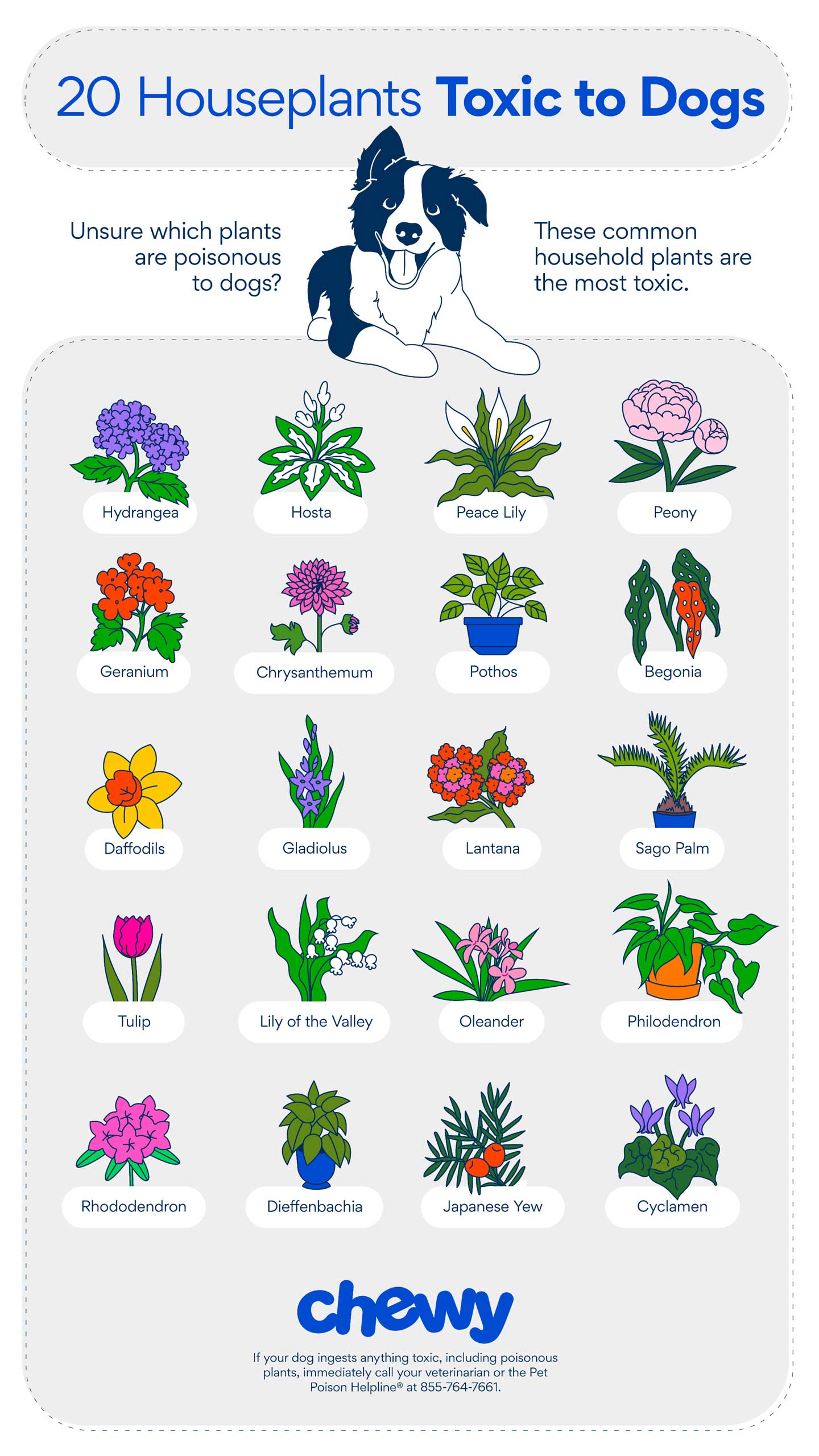

The most toxic plant for dogs is the Oleander (Nerium oleander). This beautiful ornamental shrub is highly toxic to dogs if ingested, affecting their health in severe ways. Oleander contains compounds known as cardiac glycosides, which can lead to serious heart issues, gastrointestinal distress, and even death. Ingesting even a small amount of any part of the plant can be dangerous for dogs and may require immediate veterinary attention.
Common Symptoms of Oleander Poisoning in Dogs
Dogs that have ingested Oleander may exhibit a range of symptoms, which can vary in severity depending on the amount consumed. The most common symptoms include:
- Vomiting: One of the first signs, often occurring shortly after ingestion.
- Diarrhea: This can be severe and may lead to rapid dehydration.
- Abdominal Pain: Dogs may show signs of discomfort or distress.
- Heart Arrhythmias: Changes in heart rhythm can be life-threatening.
- Weakness or Lethargy: Affected dogs may show decreased energy levels.
Other Plants Toxic to Dogs
While Oleander is notably toxic, there are several other plants that can pose significant risks to dogs. Some of these include:
- Azalea: Ingestion can lead to vomiting, diarrhea, and cardiovascular issues.
- Castor Bean: Contains ricin, which is highly toxic and can cause severe gastrointestinal and neurological symptoms.
- Foxglove: Another plant containing cardiac glycosides, which can disrupt heart functions.
- Lily of the Valley: Can cause severe abdominal pain, arrhythmias, and possibly death.
- Sago Palm: All parts are toxic, particularly the seeds, leading to liver failure.
Preventing Oleander Poisoning in Dogs
To safeguard your dog from Oleander and other toxic plants, consider the following preventive measures:
- Identify and Remove: Identify Oleander in your garden or home and remove it if possible.
- Educate Family Members: Make sure everyone in your household is aware of the risks posed by this plant.
- Supervise Outdoor Time: Keep an eye on your dog while they're outside, particularly in new environments.
- Provide Safe Alternatives: Offer safe chew toys and plants for dogs to help satisfy their curiosity.
- Consult a Vet: If you suspect your dog has ingested Oleander, seek veterinary help immediately.
What to Do if Your Dog Eats Oleander
If you believe your dog has consumed any part of an Oleander plant, prompt action is essential:
- Stay Calm: It’s important to keep a level head to address the situation effectively.
- Contact Your Veterinarian: Explain the situation and follow their advice, which may include bringing your dog in for treatment.
- Provide Information: Share details about how much of the plant might have been ingested, and any observed symptoms.
- Potential Treatments: Be prepared for potential treatments such as induced vomiting or administering activated charcoal.
- Follow-Up Care: Make sure to follow any additional care instructions from the vet after treatment.
Emergency Veterinary Care for Toxic Ingestion
When dealing with potential plant poisoning, knowing when to seek emergency care can be lifesaving. Consider these points:
- Time is Critical: The sooner you act, the better the chances of recovery.
- Be Prepared: Have information ready, including symptoms and suspected quantity ingested.
- Emergency Numbers: Keep your veterinarian’s contact number and nearest emergency vet clinic accessible.
- Don’t Wait: If symptoms appear, don’t wait for milder symptoms to escalate, head to a vet immediately.
- Follow Recommendations: After initial treatment, make sure to attend follow-up visits as recommended by the veterinarian.
Questions from Our Readers
Are impatiens toxic to dogs?
Impatiens are generally considered non-toxic to dogs. Most sources indicate that these plants do not pose a significant health risk if ingested. However, even non-toxic plants can cause mild gastrointestinal upset in some dogs.
What symptoms should I watch for if my dog eats impatiens?
If a dog consumes impatiens, watch for symptoms like vomiting, diarrhea, or lethargy. Although these symptoms are usually mild, it’s advisable to consult a veterinarian for professional guidance to ensure your pet's well-being.
Can impatiens cause allergic reactions in dogs?
While rare, some dogs might experience an allergic reaction to impatiens, which could manifest as skin irritations or other allergic symptoms. If you notice any unusual reactions in your dog after exposure, it's important to seek veterinary advice.
Are there other plants that are more toxic to dogs than impatiens?
Yes, many plants are known to be more toxic to dogs than impatiens, such as oleander, sago palm, and azaleas. It's crucial to research and avoid having these more hazardous plants in your home if you have pets.
See also:

If you want to read more articles like Are Impatiens Toxic to Dogs? Understanding the Risks for Your Pet, we recommend you check out our Plants category.
Leave a Reply
Related Articles