Where's the Best Place to Plant Coneflowers? Tips for Optimal Growth and Sunlight

When it comes to cultivating vibrant coneflowers, knowing the right location for planting can make all the difference in their growth and overall health. These stunning perennials thrive in sunny conditions and can flourish in various soil types, but there are specific factors to consider for optimal results. This article will explore the best places to plant coneflowers, offering essential tips on sunlight exposure, soil preparation, and surrounding plants to enhance their growth. By understanding these key elements, gardeners can enjoy a stunning display of coneflowers that will attract pollinators and brighten up any landscape.
Where's the Best Place to Plant Coneflowers?
To ensure that your coneflowers thrive, it's crucial to choose the right location in your garden. The best place to plant coneflowers is in an area that receives at least 6 to 8 hours of full sun each day. These plants prefer well-drained soil that is moderately fertile, so it's important to select a site where water does not pool after heavy rain. Additionally, they grow well in a variety of soil types, including sandy, loamy, or clay soils, as long as there is good drainage. Avoid shaded areas and heavy, compacted soils which can hinder their growth. Considering these factors will help you cultivate a healthy, vibrant patch of coneflowers.
Sunlight Requirements
Coneflowers thrive in full sun, which typically means they need at least 6 to 8 hours of direct sunlight each day. Insufficient sunlight can lead to leggy growth and fewer blooms, as these plants naturally adapt to open, sunny environments. Placing them in a spot where they can soak up plenty of sun will enhance their health and flowering potential.
Soil Type Considerations
The ideal soil type for coneflowers is well-drained, as these plants are somewhat drought-tolerant. Sandy or loamy soils are preferred; however, they can adapt to clay soils provided there is good drainage. It’s beneficial to amend heavy soils with organic matter to improve drainage. A pH of 6.0 to 7.0 is ideal for their growth, but they are relatively adaptable to different soils within this range.
Watering Needs
Once established, coneflowers are quite drought-tolerant and do not require frequent watering. However, during the first few weeks after planting, regular watering is critical to help them settle in. It's essential to water them deeply but less frequently to encourage deep root growth. Always monitor the soil moisture to avoid overwatering, which can lead to rot.
Spacing for Growth
When planting coneflowers, spacing is crucial to their health. Each plant should be spaced about 1 to 3 feet apart, allowing for proper air circulation and room for their expansive growth. Crowding can lead to competition for resources, increasing the risk of disease and reducing flower production. Adequate spacing contributes to a healthier garden.
See also:
Companion Planting
Choosing the right companions for your coneflowers can enhance your garden's biodiversity. Plants like black-eyed Susans, salvia, and bee balm not only complement the aesthetic appeal of coneflowers but also attract pollinators. This diverse planting approach will promote a healthier ecosystem, benefiting all plants involved.
| Aspect | Details |
|---|---|
| Sunlight | 6-8 hours of direct sunlight daily |
| Soil | Well-drained, preferably sandy or loamy |
| Watering | Deeply but infrequently, especially when young |
| Spacing | 1 to 3 feet apart |
| Companions | Black-eyed Susans, salvia, bee balm |
What month is best to plant coneflowers?
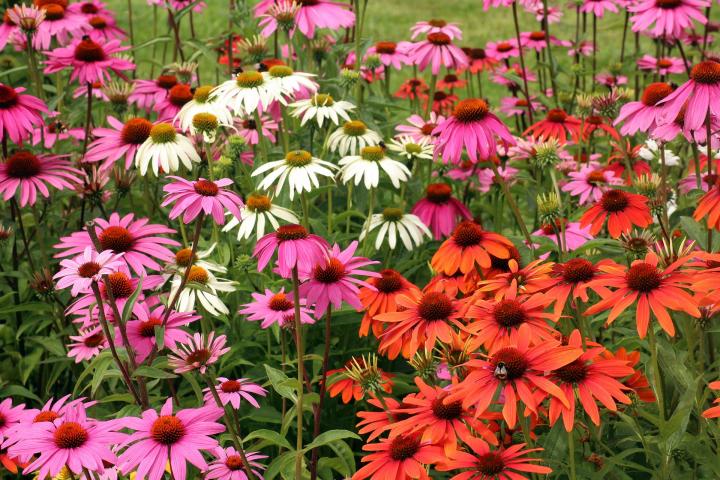
The best month to plant coneflowers (Echinacea) largely depends on your geographical location and climate. However, generally, the most suitable time to plant coneflowers is in the spring after the last frost date, typically ranging from April to May. This timing allows coneflowers to establish their roots before the hotter summer months, ensuring they grow healthy and robust.
Understanding Coneflower Planting Zones
Planting coneflowers requires knowledge about your local planting zone. Here are some key points to consider:
- USDA Hardiness Zones: Coneflowers thrive in zones 3-9, so check your zone.
- Climate Adaptation: Coneflowers are drought-tolerant and prefer well-drained soil.
- Seasonal Variations: Planting times may shift slightly based on local climate conditions.
Spring Planting Benefits
Choosing to plant in the spring offers several advantages for coneflower growth:
- Soil Temperature: Spring planting ensures optimum soil warmth for seedling emergence.
- Strong Root Development: Early planting provides time for roots to establish before summer heat.
- Natural Growth Cycle: Aligns with the natural growth patterns of the plants.
Preparing for Planting
Proper preparation is essential for successful planting of coneflowers:
See also:
- Soil Preparation: Test soil pH and amend with compost for nutrient richness.
- Site Selection: Choose a location with full sun exposure for optimal growth.
- Spacing: Allow adequate space between plants to enhance air circulation and reduce disease risk.
Post-Planting Care
After planting, care is crucial for the health of your coneflowers:
- Watering: Water thoroughly after planting and provide regular moisture during dry spells.
- Mulching: Apply mulch to help retain soil moisture and suppress weeds.
- Fertilization: Feed with a balanced fertilizer during the growing season for optimal flowering.
Monitoring Growth
Keep track of your coneflowers’ growth to ensure they thrive:
- Pest Management: Regularly check for pests and treat issues promptly.
- Foliage Health: Monitor leaves for signs of disease or nutrient deficiency.
- Flowering Schedule: Be patient as coneflowers may take a year to bloom if planted from seed.
Questions from Our Readers
Where's the best place to plant coneflowers?
The best place to plant coneflowers is in a location that receives full sunlight for at least 6 to 8 hours a day. They thrive in well-drained soil enriched with organic matter, making them ideal for garden beds and borders.
Do coneflowers prefer wet or dry soil?
Coneflowers prefer dry to moderately dry soil conditions, as they are more susceptible to rot in consistently wet soil. Planting them in well-draining areas helps ensure their health and longevity.
Can you plant coneflowers in pots?
Yes, you can plant coneflowers in pots, but it's essential to choose a large enough container with drainage holes to prevent waterlogging. Ensure the potting mix is light and well-draining to facilitate healthy growth.
What companion plants work well with coneflowers?
Companion plants that work well with coneflowers include black-eyed Susans, daylilies, and rudbeckia. These plants not only complement the aesthetic but also share similar growing conditions, enhancing the beauty of your garden.
See also:

If you want to read more articles like Where's the Best Place to Plant Coneflowers? Tips for Optimal Growth and Sunlight, we recommend you check out our Flowers category.
Leave a Reply
Related Articles