Do I Need to Deadhead Coneflowers? Essential Tips for Thriving Plants
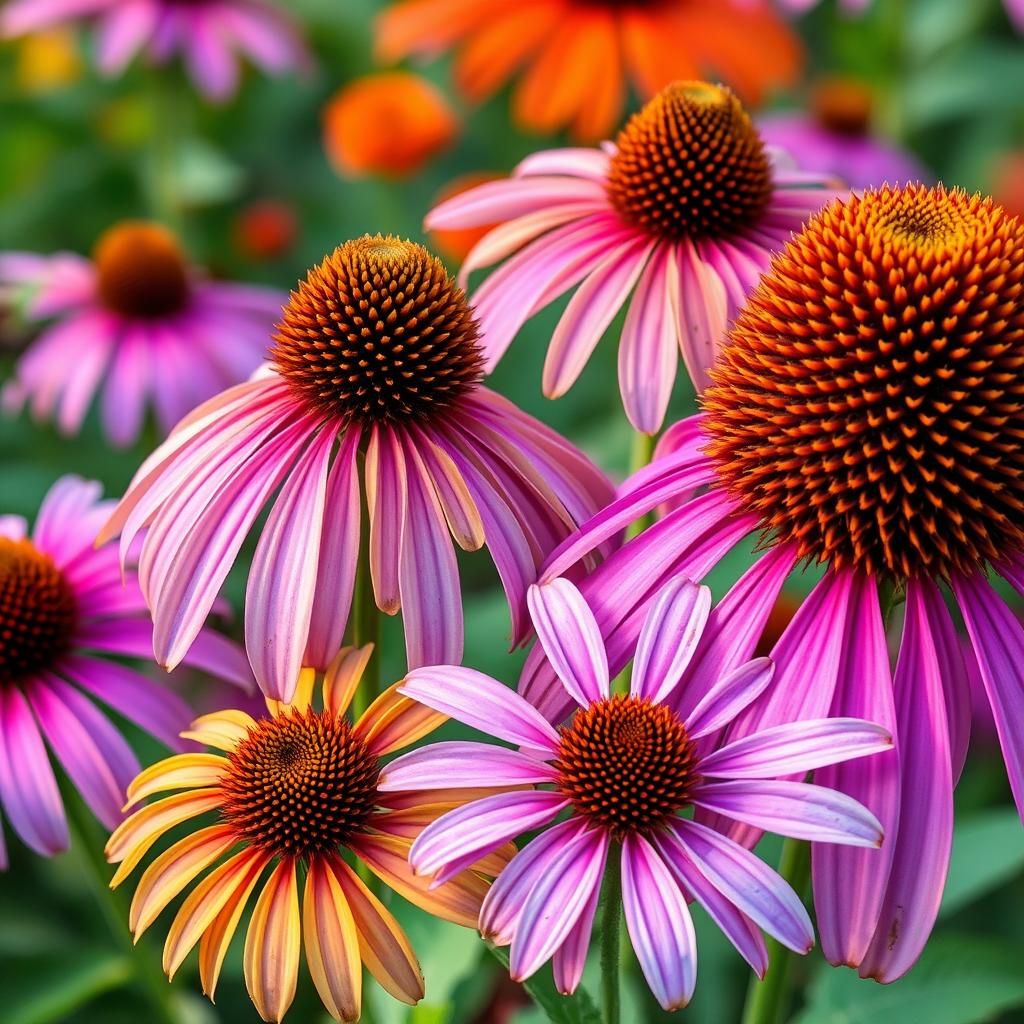
Deadheading is a crucial gardening practice that can significantly impact the health and vitality of your coneflowers. These vibrant perennials are beloved for their striking blooms and ability to attract pollinators. However, many gardeners wonder whether deadheading is necessary for these hardy flowers. This article will explore the benefits of removing spent blooms, including promoting more vigorous flowering and extending the overall blooming season. Additionally, we will provide essential tips for effectively deadheading coneflowers, ensuring that your plants remain lush and thriving throughout the growing season. Discover how this simple task can enhance your garden’s beauty and health.
Do I Need to Deadhead Coneflowers?
Deadheading coneflowers is not strictly necessary, but it can be beneficial for their overall health and appearance. By removing spent blooms, you encourage the plant to focus its energy on producing new flowers rather than seed production. This process can lead to a longer blooming season, providing more vibrant color in your garden throughout the summer. Additionally, deadheading can help maintain a tidy look in your garden and reduce the likelihood of certain pests and diseases that may thrive on decaying plant material.
What is Deadheading?
Deadheading is the practice of removing wilted or spent flowers from a plant. This horticultural technique is commonly used to promote new growth and extended blooming periods. When coneflowers have their blooms removed before they develop into seeds, the plant is encouraged to put more energy into producing additional flowers rather than diverting it towards seed formation.
Benefits of Deadheading Coneflowers
The primary benefits of deadheading coneflowers include enhanced flower production, an extended blooming period, and improved plant appearance. By regularly removing spent blooms, gardeners can optimize the vigor of their coneflowers, ensuring that they produce multiple blooms throughout the growing season. Additionally, deadheading can help prevent the development of pests and reduce the chance of diseases associated with decaying organic matter.
How to Deadhead Coneflowers
To deadhead coneflowers effectively, use sharp garden shears or scissors to cut the stem just above the first set of healthy leaves. It's crucial to make clean cuts to prevent any damage to the plant. Ideally, you should deadhead coneflowers when the flowers begin to wilt and lose their vibrant color. This encourages the plant to redirect its resources towards producing new blooms rather than attempting to mature its seeds.
When Should You Deadhead Coneflowers?
The best time to deadhead coneflowers is during the growing season, typically from late spring through early fall. As soon as you notice the flowers beginning to fade or brown, it's a good indicator that it's time to deadhead. This practice can be repeated throughout the blooming season to maintain a continuous cycle of flowers and keep the plants looking vibrant and healthy.
What to Do After Deadheading?
After deadheading coneflowers, it's essential to continue with regular maintenance practices to ensure optimal health. This includes watering, providing adequate sunlight, and applying fertilizer as needed. Furthermore, keeping an eye out for pests or disease signs is crucial, as deadheading can sometimes leave the plant more vulnerable to potential threats. Regular care and attention will help maintain the beauty and vitality of your coneflowers.
| Action | Frequency | Purpose |
|---|---|---|
| Deadhead Spent Flowers | Weekly During Bloom | Encourages New Blooms |
| Watering | As Needed | Maintains Soil Moisture |
| Fertilizing | Every 4-6 Weeks | Supports Growth |
| Pest Control | Regular Checks | Prevents Infestations |
| Disease Inspection | Ongoing | Maintains Plant Health |
Will coneflowers bloom twice?

Coneflowers, also known as Echinacea, are popular perennial plants that can indeed bloom more than once in a growing season under the right conditions. Typically, coneflowers flower in late spring to early summer, and if they are well-maintained, they can produce a second bloom later in the summer or even into fall. The key factors that affect their blooming cycle include proper care, deadheading, and climate.
Factors Affecting Second Blooming
The ability of coneflowers to bloom a second time is influenced by multiple factors, such as:
See also:
- Soil Quality: Well-drained, nutrient-rich soil will encourage healthy growth.
- Watering Practices: Adequate watering, particularly during dry spells, is essential for fostering continuous blooming.
- Climate Conditions: In regions with mild climates, coneflowers are more likely to experience a second blooming season.
The Role of Deadheading
Deadheading, or the act of removing spent flowers, plays a crucial role in encouraging coneflowers to bloom again. This practice:
- Stimulates Growth: By cutting off old blooms, energy is redirected to new flower production.
- Improves Aesthetics: Removing wilted flowers keeps the plant looking tidy and healthy.
- Extends Blooming Period: Regular deadheading can prolong the blooming period throughout the summer.
Timing of Blooming Cycles
Timing is crucial when it comes to coneflower blooming. Typically, coneflowers bloom in:
- Early Season: Initial blooms can start as early as June in many regions.
- Mid-Season: A second wave of blooms often appears in late July to August if conditions are right.
- Fall Blooms: In certain climates, coneflowers can continue to produce blooms into September and October.
Expected Lifespan of Blooms
The lifespan of individual coneflower blooms can vary but generally lasts:
- 2-4 Weeks: Each bloom typically lasts a few weeks before wilting.
- Repeated Blooms: With good care, expect several rounds of blooms throughout the season.
- Post-Bloom Period: After blooming, foliage remains attractive and contributes to the garden's appeal.
Common Issues Affecting Blooming
While coneflowers are resilient, they can encounter issues that impede their blooming cycle, including:
- Pests: Insects like aphids can harm the plant and reduce flower production.
- Disease: Fungal infections due to overwatering can negatively impact blooming.
- Environmental Stress: Extreme temperatures or drought can hinder bloom initiation.
How to get coneflowers to bloom all summer?

To get coneflowers to bloom all summer, it is essential to provide the right conditions and care for these resilient perennials. Coneflowers, or Echinacea, are known for their vibrant colors and ability to thrive in a variety of environments. However, to extend their blooming period, you need to consider factors such as soil quality, watering practices, deadheading, and fertilization.
Choosing the Right Soil
The foundation for healthy coneflowers starts with the soil. They thrive in well-drained soil that is rich in organic matter. Here are some critical points to consider:
- Ensure good drainage: Coneflowers do not like soggy roots, so well-draining soil is essential.
- Add organic matter: Mixing compost into the soil will improve fertility and drainage, supporting robust growth.
- Check pH levels: Coneflowers prefer slightly acidic to neutral soil (pH 6.0 to 7.0); this promotes optimal nutrient absorption.
Watering Practices
Watering is crucial for sustaining the health and blooming of coneflowers throughout the summer. Here are some tips:
- Maintain consistent moisture: While coneflowers are drought-tolerant, they perform better when watered regularly during dry spells.
- Avoid overhead watering: Water the base of the plants to prevent fungal diseases and encourage deep root growth.
- Use mulch: Applying a layer of mulch helps retain moisture in the soil, regulate soil temperature, and suppress weeds.
Deadheading for Extended Blooms
Deadheading is an essential practice that involves removing spent flowers to encourage more blooms. Here’s how to do it effectively:
- Timing is key: Deadhead coneflowers as soon as flowers begin to fade; this prevents the plant from diverting energy into seed production.
- Use sharp tools: To avoid damaging the plant, use clean, sharp scissors or pruning shears to remove the flowers.
- Observe the plants: Regularly check your coneflowers; this can help maintain their appearance and promote new growth.
Fertilization Techniques
Applying the right nutrients can significantly impact bloom duration and quality. Consider the following fertilization techniques:
See also:
- Use a balanced fertilizer: A slow-release, balanced fertilizer can provide the necessary nutrients without overwhelming the plants.
- Avoid over-fertilization: Excessive nitrogen can lead to lush foliage with fewer flowers, so follow package instructions carefully.
- Feed in early spring: Fertilize coneflowers at the beginning of the growing season to support strong growth and bloom development.
Pest and Disease Management
Keeping coneflowers free from pests and diseases is vital for sustained blooming. Here are some management strategies:
- Monitor regularly: Check for signs of pests like aphids or beetles, and remove them promptly to minimize damage.
- Implement good hygiene: Clean up any fallen debris around the plants to reduce the risk of disease.
- Consider organic treatments: Use insecticidal soap or neem oil if infestations occur, but always test in a small area first to avoid plant damage.
How do you keep coneflowers from getting leggy?

To keep coneflowers from getting leggy, it's essential to implement a combination of maintenance practices that promote healthy growth. Legginess often occurs when plants grow tall and spindly due to insufficient light, improper watering, or nutrient imbalances. Here are several strategies to ensure that your coneflowers remain robust and properly shaped:
1. Provide Adequate Sunlight
To prevent legginess, it is crucial to ensure that your coneflowers are receiving enough sunlight. Coneflowers thrive in full sun, which means they require at least 6-8 hours of direct sunlight daily. Insufficient light leads to weak growth.
- Choose a planting location that receives full sun throughout the day.
- If planting in partial shade, consider moving the plants to a sunnier spot.
- Prune nearby plants or shrubs that may block sunlight from your coneflowers.
2. Regular Pruning and Deadheading
Keeping coneflowers well-trimmed encourages bushier growth rather than leggy stems. Regular pruning helps to remove dead flowers and encourages new blooms.
- Use sharp garden shears to deadhead spent flowers, promoting further blooming.
- Trim back stems in late autumn or early spring to encourage new growth.
- Consider pinching back stems during the early growing season to encourage a fuller plant.
3. Optimize Watering Practices
Proper watering techniques are vital in keeping coneflowers healthy. Overwatering or underwatering can lead to weak, leggy growth.
- Water deeply but infrequently, allowing the top inch of soil to dry out between waterings.
- Avoid overhead watering to prevent disease and encourage stronger root systems.
- Use mulch to retain soil moisture and regulate temperature, reducing stress on the plants.
4. Soil Quality and Nutrient Balance
Healthy soil promotes strong root systems, which prevent legginess. Ensure that your coneflowers have access to nutrient-rich soil that drains well.
- Amend the planting area with compost to improve soil structure and nutrient content.
- Test soil pH to ensure it's between 6.0 and 8.0, which is ideal for coneflowers.
- Consider using a balanced fertilizer during the growing season to provide essential nutrients.
5. Choose the Right Varieties
Some varieties of coneflowers are naturally more prone to becoming leggy. Selecting the right varieties can make a significant difference in your garden.
- Look for cultivar options known for their compact growth habits, such as Echinacea purpurea 'Magnus' or 'White Swan.'
- Research and opt for varieties that are bred specifically for shorter stature.
- Consult local gardening experts or resources to ensure you choose suitable types for your region.
Questions from Our Readers
Do I need to deadhead coneflowers?
Yes, you should deadhead coneflowers to promote healthier growth and encourage more blooms. Deadheading helps to prevent the plant from using energy to produce seeds, allowing it to focus on growing new flowers.
When is the best time to deadhead coneflowers?
The best time to deadhead coneflowers is when the blooms begin to fade or after they have completely wilted. This timing allows for optimal energy redirection towards new flower production rather than seed development.
See also:
What tools do I need to deadhead coneflowers?
To deadhead coneflowers, you typically need a pair of sharp pruning shears or scissors. Keeping your tools clean is also essential to avoid spreading any diseases.
Will deadheading coneflowers attract more pollinators?
Yes, by deadheading coneflowers, you can potentially attract more pollinators. The process encourages the plant to produce fresh blooms, which are appealing to bees, butterflies, and other beneficial insects.

If you want to read more articles like Do I Need to Deadhead Coneflowers? Essential Tips for Thriving Plants, we recommend you check out our Flowers category.
Leave a Reply
Related Articles