Where is the Best Place to Plant Garlic? Tips for Optimal Garlic Growth
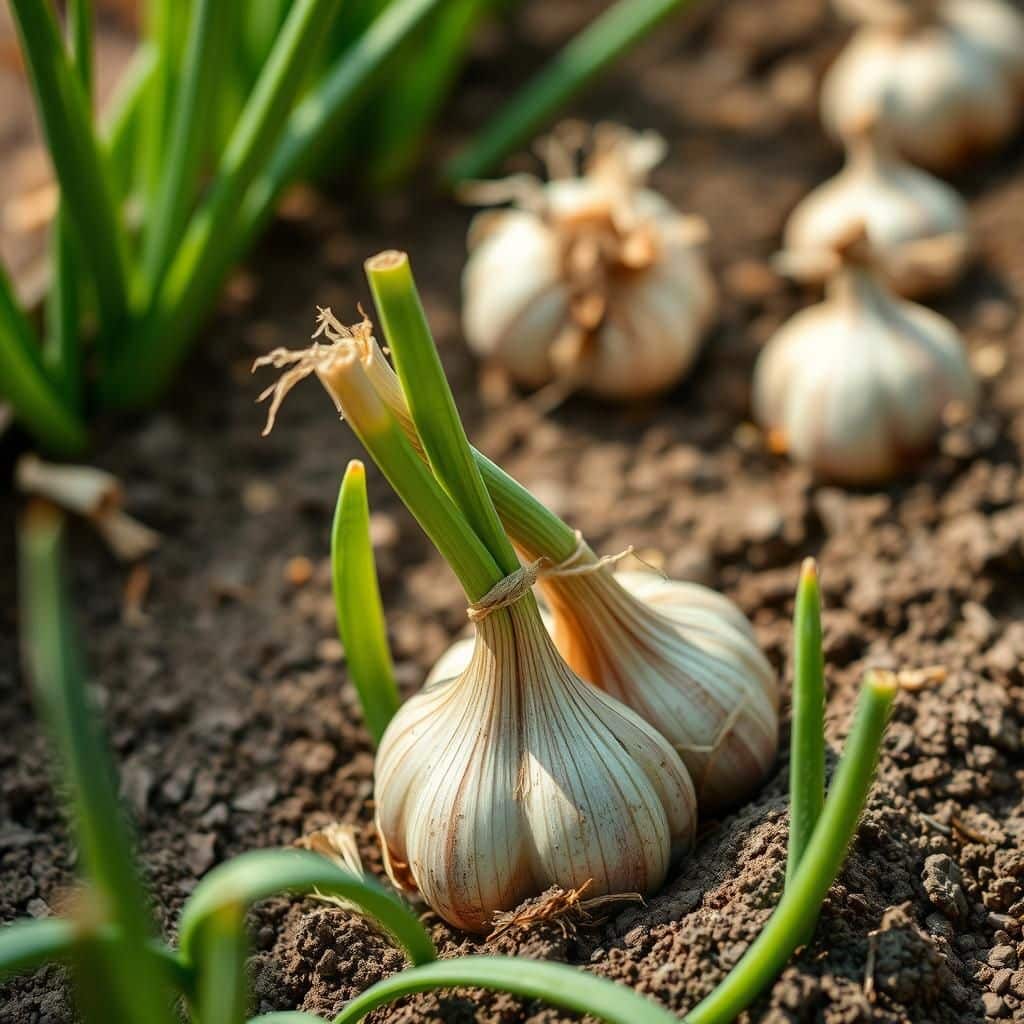
Garlic is a popular and versatile ingredient, prized for its flavor and health benefits. However, achieving optimal growth requires careful consideration of where to plant it. The right location can significantly impact garlic’s yield and quality. In this article, we will explore the best places to plant garlic, taking into account factors such as sunlight, soil type, and climate. Whether you are a seasoned gardener or a novice looking to cultivate your first garlic crop, these tips will guide you towards creating the ideal environment for robust and flavorful garlic harvests.
Where is the Best Place to Plant Garlic?
Planting garlic in the right location is crucial for its growth and development. The best place to plant garlic is in a sunny area that receives at least six to eight hours of full sunlight per day. Garlic prefers well-draining soil that is rich in organic matter and has a pH level between 6.0 and 7.0. Avoiding areas that are prone to standing water or heavy clay is essential, as excess moisture can cause the bulbs to rot. Additionally, choosing a location that is away from strong winds will help protect the delicate garlic shoots during their early growth stages.
Sunlight Requirements
Garlic thrives in locations that receive ample sunlight. Ideally, it should be planted in an area that gets a minimum of six to eight hours of direct sunlight each day. Insufficient sunlight can lead to poor growth and smaller bulbs, so selecting a bright spot, such as near a south-facing wall or in an open garden area, is essential for optimal garlic development.
Soil Quality
The quality of the soil is a significant factor when planting garlic. It is crucial to utilize well-draining soil that is some combination of loamy and sandy textures. This type of soil helps prevent waterlogging, which can lead to bulb rot. Additionally, incorporating organic matter such as compost can improve soil fertility and support healthy garlic growth.
Drainage Considerations
Proper drainage is vital for preventing disease and ensuring healthy garlic plants. Areas with heavy or compacted soils can retain excessive moisture, which is detrimental to garlic. Therefore, elevated beds or raised garden plots can improve drainage, or adding organic amendments can help with soil structure. Always avoid low-lying areas where water tends to pool after heavy rains.
See also:
Wind Protection
Garlic plants are sensitive to strong winds, particularly during the germination phase. Planting in a sheltered area or using natural barriers like shrubs or fencing can help reduce wind exposure, ensuring that the tender shoots are not damaged. Choosing a protected planting site will contribute to stronger garlic plants that can withstand environmental stresses.
Planting Distance
When planting garlic, it is important to consider the spacing between each clove. Ideally, garlic cloves should be spaced about six inches apart within rows, with rows spaced approximately twelve to eighteen inches apart. This spacing allows for adequate air circulation, which is crucial for preventing diseases and ensuring a healthy harvest.
| Factor | Ideal Condition |
|---|---|
| Sunlight | 6-8 hours of direct sunlight |
| Soil Type | Loamy and sandy with organic matter |
| Drainage | Well-draining soil |
| Wind Protection | Sheltered area with natural barriers |
| Spacing | 6 inches between cloves, 12-18 inches between rows |
Understanding Garlic's Environmental Needs for Optimal Growth
Garlic thrives in well-drained, loamy soil with a pH level between 6.0 and 7.0. When selecting the best location for planting garlic, consider a site that receives full sunlight for at least six hours a day, as this encourages strong growth and enhances flavor. It's important to choose a spot that is not prone to standing water, as garlic bulbs are susceptible to rot in overly wet conditions. Additionally, rotating crops and ensuring good air circulation can improve garlic health and yield.
Ideal Soil Conditions for Garlic
Garlic prefers loamy, well-aerated soil rich in organic matter. Improving soil quality with compost can significantly enhance nutrient availability, promoting robust bulb development. The soil should also have good drainage capabilities to prevent excess moisture that can lead to root rot. Conducting a soil test beforehand can help determine the pH and nutrient levels, allowing for necessary adjustments before planting.
The Importance of Sunlight for Garlic Growth
Garlic requires full sun to grow optimally, meaning it needs at least six to eight hours of direct sunlight daily. Sunlight is essential for photosynthesis, which drives growth and enhances the flavor of the garlic. If planted in a shaded area, garlic may produce smaller bulbs and potentially lower yields. Select a location where the sun's rays reach unobstructed for the best results.
See also:
Watering Practices for Healthy Garlic
Maintaining proper moisture levels is crucial for garlic cultivation. While garlic needs consistent watering, particularly during the bulbing stage, overwatering should be avoided. Soaker hoses or drip irrigation can help maintain adequate soil moisture without waterlogging the roots. It's essential to monitor the soil's moisture content; watering should be reduced as the harvest time approaches, as this helps to harden the bulbs.
Choosing the Right Season for Planting
Timing is key for successful garlic cultivation. Typically, garlic should be planted in the fall (generally 4-6 weeks before the ground freezes) or in early spring. Fall planting allows the garlic to establish roots before winter dormancy, leading to a stronger crop in the spring. On the other hand, spring planting may result in smaller bulbs, but it can still be successful if conditions are right. Proper seasonal timing directly impacts garlic's growth potential.
Crop Rotation and Companion Planting
Implementing a crop rotation schedule helps prevent soil nutrient depletion and reduces the risk of pests and diseases. Garlic grows well in a variety of soil types but should not be planted in the same spot year after year. Companion planting with herbs like basil or flowers such as marigolds can naturally deter harmful insects, creating a healthier environment for garlic while enhancing its growth and flavor.
Questions from Our Readers
Where is the best place to plant garlic?
Plant garlic in a location that receives full sun for at least 6 to 8 hours a day. Well-drained soil enriched with organic matter is ideal, as garlic prefers not to sit in wet conditions. Choosing a spot in your garden that has good airflow will also help to prevent disease.
What type of soil is best for garlic planting?
Garlic thrives in loamy or sandy soil that is rich in nutrients and has good drainage. Before planting, it's beneficial to amend heavy clay soils with compost or aged manure to enhance fertility and drainage.
See also:
When is the best time to plant garlic?
The optimal time to plant garlic is in the fall, about 4 to 6 weeks before the ground freezes. This timing allows the garlic to establish roots before winter, resulting in a stronger and more productive crop in the spring.
Can garlic be grown in containers?
Yes, garlic can be successfully grown in containers as long as they are at least 8-10 inches deep and provide adequate drainage. Choose a large container and ensure the soil is rich in organic matter to promote healthy growth.

If you want to read more articles like Where is the Best Place to Plant Garlic? Tips for Optimal Garlic Growth, we recommend you check out our Garlic category.
Leave a Reply
Related Articles