Can Garlic Survive Canadian Winter? Essential Tips for Successful Cultivation
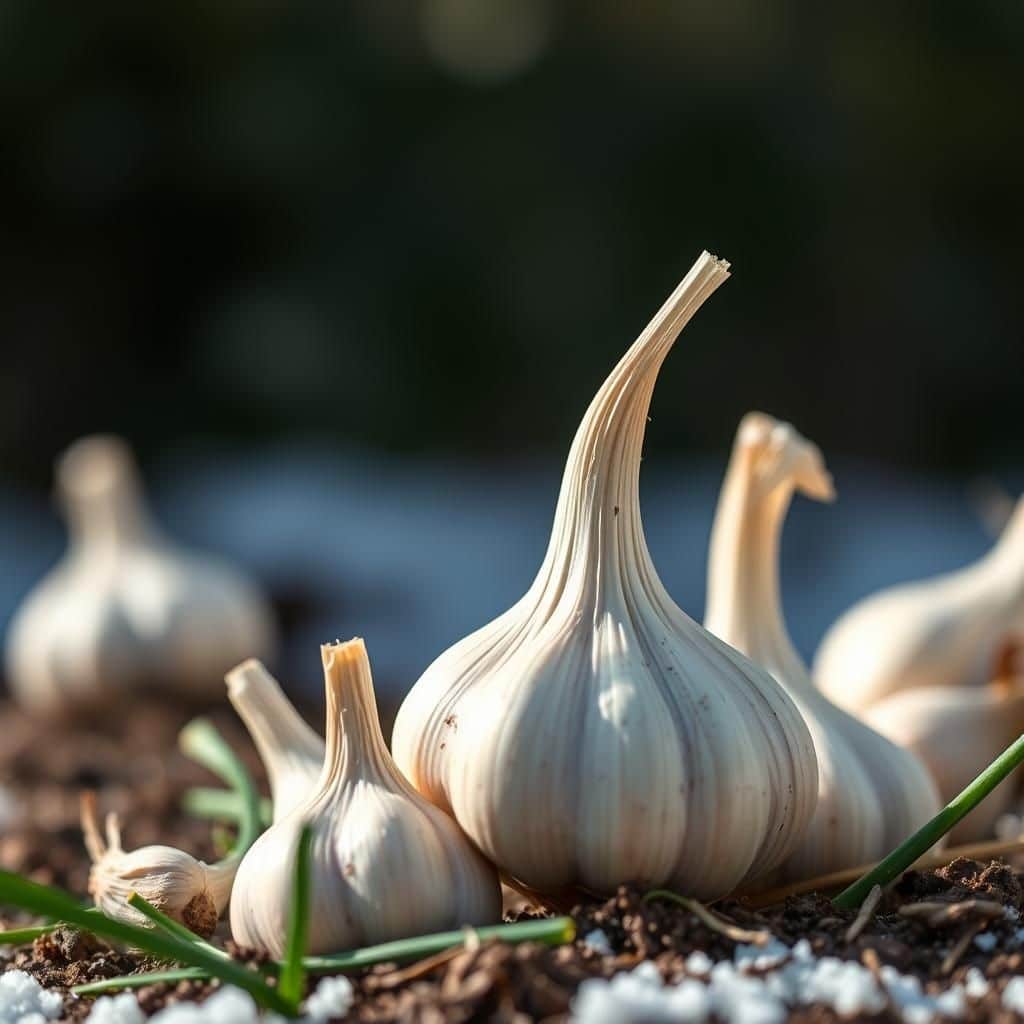
Garlic is a popular and versatile ingredient known for its robust flavor and numerous health benefits. However, growing garlic in regions with harsh winters, like Canada, can present unique challenges. This article explores whether garlic can survive the cold Canadian winters and provides essential tips for successful cultivation. From selecting the right garlic varieties to preparing the soil and winterizing your garden, understanding the best practices can help ensure a bountiful harvest. Whether you’re a seasoned gardener or a novice, these insights will empower you to grow garlic effectively, even in the most frigid conditions.
Can Garlic Survive Canadian Winter?
Garlic can indeed survive the harsh Canadian winter, provided it is planted at the right time and in suitable conditions. To thrive, garlic requires a cold period for dormancy, which the Canadian winter naturally provides. The best time to plant garlic in Canada is typically in the fall, about 4-6 weeks before the ground freezes. This allows the bulbs to establish roots and become acclimatized to the cold soil. Choosing the right variety is also crucial, as some types of garlic, such as hardneck garlic, are known to be more winter-hardy compared to softneck varieties. Adequate mulching, good drainage, and proper spacing can further enhance the garlic's ability to survive and produce a healthy crop after the winter thaw.
Types of Garlic Suitable for Cold Climates
When considering planting garlic in Canada, it is essential to choose the right types that can withstand low temperatures. Hardneck varieties such as Rocambole and Porcelain are particularly well-suited for cold climates, as they can endure freezing temperatures and often produce larger, more flavorful bulbs. These types typically have a stronger flavor profile and tend to bolt less in warm conditions. On the other hand, softneck varieties may struggle to produce a good yield in extreme cold, making them less favorable for gardeners in Canada.
Planting Garlic in the Fall
Planting garlic in the fall is a critical step to ensure its survival through the Canadian winter. The ideal planting time is usually between mid-September and mid-October, right before the ground hardens. This timeline allows the garlic to develop a robust root system while the temperatures are still mild. Garlic should be planted in well-drained soil, with each clove placed about 6-8 inches apart and 2 inches deep. Adequate spacing promotes airflow and reduces the risk of rot, which can be a problem in wet conditions when the ground freezes.
Mulching for Winter Protection
Mulching is an essential practice to protect garlic from the extreme cold of the Canadian winter. A layer of organic material, such as straw or shredded leaves, can insulate the soil and keep it from freezing too deeply, providing a more stable environment for the garlic bulbs. Mulch also retains moisture and suppresses weeds, which can compete with the garlic for nutrients. Applying a mulch layer that is about 4-6 inches thick will help mitigate temperature fluctuations and create a microclimate that is more favorable for the garlic’s survival.
Drainage Considerations
Proper drainage is vital when planting garlic in Canadian climates, especially to ensure bulbs do not succumb to rot during wet winter months. Garlic prefers well-drained soil as excess moisture can lead to fungal diseases and bulb decay. Raised beds or planting in sandy loam can help improve drainage. It's also advisable to avoid low-lying areas where water can accumulate, as these spots tend to stay wetter for longer periods. Ensuring that garlic cloves are planted in locations with good drainage is crucial for their health and vitality during the winter.
Harvesting After Winter
After surviving the winter, it is important to keep an eye on garlic growth as the seasons transition into spring. As temperatures rise and days get longer, garlic will begin to sprout. Monitoring the growth closely will help determine the right time for harvesting, typically between late summer to early fall, when the lower leaves start to yellow and brown. It is important to harvest garlic at the right time to avoid splitting and ensure optimal flavor. By following these guidelines, Canadian gardeners can enjoy a successful harvest of garlic that has thrived through the winter.
| Aspect | Description |
|---|---|
| Variety | Choose hardneck varieties for better winter survival |
| Planting Time | 4-6 weeks before the ground freezes |
| Mulch | Apply 4-6 inches of organic mulch for protection |
| Drainage | Ensure well-drained soil to prevent rot |
| Harvest | Harvest when lower leaves yellow, typically in late summer |
How cold is too cold for garlic?

Garlic is a hardy plant, but it does have its limits when it comes to cold temperatures. Generally, garlic can tolerate temperatures down to 20°F (-6°C). However, prolonged exposure to lower temperatures can cause damage to the bulb and affect its growth. Here are some detailed explorations of how cold impacts garlic cultivation.
Understanding Garlic's Cold Tolerance
Garlic can withstand cold temperatures better than many other crops due to its natural adaptation. However, exposure to harsh conditions can impact its growth negatively. The critical temperature threshold for garlic is around 0°F (-18°C), below which frost damage can occur.
See also:
- Hardiness Zones: Garlic thrives best in USDA hardiness zones 5 to 9.
- Root Development: Cold temperatures can stunt root growth when the soil is frozen.
- Varietal Differences: Some garlic varieties are more cold-tolerant than others.
Effects of Cold on Garlic Bulbs
Extreme cold can lead to several issues for garlic bulbs, such as storage problems and spoilage. Any temperature drop below 20°F can cause the cellular structure of the bulbs to break down.
- Cell Damage: Freezing can rupture cells and lead to mushy bulbs.
- Mold Growth: Bulbs exposed to moisture and cold can develop mold.
- Reduced Yield: Severely cold-challenged garlic will likely produce fewer and smaller cloves.
Preventing Cold Damage in Garlic
To counteract the adverse effects of cold weather on garlic, it’s essential to implement protective measures. This can help ensure healthier growth and better yields.
- Mulching: Apply a thick layer of mulch to insulate the soil.
- Row Covers: Use floating row covers to protect the plants from frost.
- Timing: Plant garlic at the right time to avoid exposure to extreme temperatures.
Signs of Cold Stress in Garlic
Identifying the signs of cold stress in garlic can help you take quick action to mitigate damage. Common indicators include:
- Yellow Leaves: Leaves may turn yellow as the plant struggles to survive.
- Poor Growth: Stunted growth can be indicative of insufficient root development.
- Decaying Bulbs: Visible mold or decay on bulbs suggests they have been compromised by cold.
Best Practices for Garlic Cultivation in Cold Climates
Growing garlic in colder climates requires careful planning and management to optimize its resilience. Here are some best practices:
- Soil Preparation: Ensure the soil is well-drained to avoid waterlogging when temperatures drop.
- Choosing the Right Variety: Select garlic varieties that are known for their cold tolerance.
- Winter Care: Regularly check for signs of frost damage and take measures to protect your garlic as needed.
Does garlic grow well in Canada?

Climate Considerations for Garlic Growth in Canada
Garlic thrives in regions with a temperate climate, which Canada offers in various provinces. Essentially, garlic requires a cold period to grow properly, as this helps in the development of its bulbs. The winters in Canada provide the necessary chill, allowing garlic to enter dormancy and prepare for robust growth in the spring. Areas such as Ontario and British Columbia have suitable climates for garlic cultivation, while the northern regions may experience shorter growing seasons.
- Garlic benefits from a cold exposure during winter.
- Provinces like Ontario and British Columbia are ideal for cultivation.
- Shorter growing seasons in northern regions can impact garlic yield.
Soil Requirements for Successful Garlic Cultivation
The soil quality plays a crucial role in the successful growth of garlic in Canada. Garlic prefers well-drained, loamy soils rich in organic matter. Proper soil preparation is essential to ensure that garlic receives adequate nutrients and has good drainage, preventing issues like rot. Testing the soil pH is also important, as garlic grows best in soils with a pH between 6.0 and 7.0.
- Well-drained, loamy soil is essential for garlic.
- Soil should be rich in organic matter to support growth.
- Optimal pH levels are around 6.0 to 7.0 for garlic.
Garlic Varieties Suitable for Canadian Conditions
Not all garlic varieties perform equally well in Canadian climates. It is essential to choose the right type that can withstand colder temperatures. Hardneck garlic is generally preferred as it is more resilient to cold and produces better in the Canadian climate compared to softneck varieties. Hardneck varieties, such as Music and German White, are known for their flavor and ability to thrive in harsh winters.
- Hardneck garlic is more suited for Canadian conditions.
- Varieties like Music and German White perform well in colder climates.
- Softneck varieties may struggle in extreme cold.
Timing for Planting and Harvesting Garlic in Canada
Timing is critical for successful garlic growing in Canada. Garlic is typically planted in the fall, around September to October, before the ground freezes. This allows the bulbs to develop roots before winter. On the other hand, garlic is usually harvested in the mid-summer months, around July to early August, when the lower leaves start to brown. Proper timing ensures maximum yield and flavor.
- Plant garlic in the fall for optimal growth.
- Harvesting is usually done in mid-summer.
- Timing affects the development and flavor of garlic.
Pest and Disease Management for Garlic Crops
Managing pests and diseases is vital to ensure healthy garlic production in Canada. Common issues include root rot, nematodes, and various fungal infections. Employing good farming practices such as crop rotation, proper spacing, and mulching can help mitigate these risks. Additionally, selecting disease-resistant varieties can significantly reduce the likelihood of crop failure.
See also:
- Utilize crop rotation to prevent disease buildup.
- Proper spacing and mulching can deter pests.
- Selecting disease-resistant varieties can enhance crop success.
Can garlic survive a hard freeze?
Garlic is a hardy plant, but its ability to survive a hard freeze depends on various factors such as growth stage, location, and proper care. Generally, garlic can tolerate cold temperatures but may suffer damage if subjected to severe frost after it has already begun to sprout.
Understanding Garlic's Cold Tolerance
Garlic is known for its strong resilience against cold weather. Its cold tolerance largely depends on the variety and its growth phase. The stages of garlic growth are as follows:
- Dormant Phase: Garlic bulbs in the ground can survive freezing temperatures as long as they are dormant.
- Early Growth Phase: Once garlic starts sprouting, it becomes more sensitive to hard freezes.
- Established Phase: Garlic that is well-established with several leaves can tolerate mild freezes.
Effects of Hard Freeze on Garlic
A hard freeze can have varying impacts on garlic plants, especially in their vulnerable early growth stage. The potential consequences include:
- Cell Damage: Ice crystals can form inside the plant cells, leading to cell rupture and damage.
- Leaf and Stem Damage: Young shoots may turn yellow or brown, impacting the overall health of the plant.
- Delayed Growth: Severe cold can cause a slowdown in growth, affecting the timing of the harvest.
Protecting Garlic from Hard Freeze
Several strategies can help safeguard garlic from the adverse effects of a hard freeze. These methods include:
- Mulching: Applying a layer of organic material helps insulate the soil and regulate temperature.
- Row Covers: Lightweight protective materials can shield young plants from frost.
- Proper Planting Time: Timing the planting correctly allows garlic to establish before severe winter conditions.
Signs of Garlic Damage from Freeze
Recognizing the signs of freeze damage in garlic is essential for proper intervention and care. Common symptoms include:
- Wilting Leaves: Leaves that appear limp or droopy after a freeze can indicate stress.
- Browning Tips: The tips of the leaves turning brown may suggest exposure to freezing temperatures.
- Slow Growth Recovery: Garlic that does not resume growth promptly can be a sign of serious damage.
Long-term Effects of Freezing on Garlic Health
Long-term exposure to harsh freeze conditions can lead to persistent issues for garlic plants. The potential long-term effects include:
- Reduced Yield: Damage can lead to smaller bulbs and lower overall harvest amounts.
- Disease Susceptibility: Stressed plants may become more vulnerable to diseases and pests.
- Weakened Growth Cycle: Continuous exposure can impact the garlic's ability to cycle healthily year after year.
Questions from Our Readers
Can garlic survive extreme cold temperatures in Canada?
Yes, garlic can survive extreme cold temperatures in Canada, especially when properly planted and mulched. Garlic varieties such as hardneck types are more cold-hardy and can withstand harsh winter conditions, making them suitable for colder regions.
What is the best time to plant garlic in Canada?
The best time to plant garlic in Canada is typically in the fall, about four to six weeks before the ground freezes. This allows the garlic to establish roots before winter sets in, ensuring better growth in the spring.
How should garlic be prepared for winter in Canada?
To prepare garlic for winter in Canada, it is recommended to apply a thick layer of mulch over the planting area after the ground freezes. This helps insulate the garlic bulbs and protects them from severe temperature fluctuations.
See also:
Will garlic bulbs rot if planted too early before winter?
Planting garlic too early can lead to bulb rot due to excessive moisture and warm temperatures. It's essential to time the planting correctly to ensure the garlic enters dormancy before the onset of winter.

If you want to read more articles like Can Garlic Survive Canadian Winter? Essential Tips for Successful Cultivation, we recommend you check out our Garlic category.
Leave a Reply
Related Articles