What Month Do You Plant Echinacea? A Complete Guide for Gardeners

Echinacea, commonly known as coneflower, is a beloved perennial that not only adds beauty to gardens but also attracts beneficial pollinators. Understanding the right time to plant echinacea is crucial for ensuring its successful growth and vibrant blooms. This comprehensive guide will highlight the ideal months for planting echinacea, taking into account various climates and growing conditions. Whether you're an experienced gardener or a curious beginner, you'll find valuable insights on preparation, planting techniques, and care tips to cultivate this stunning flower in your garden. Get ready to enhance your outdoor space with the charm of echinacea!
When to Plant Echinacea
Echinacea, also known as coneflower, is typically planted in either spring or fall, depending on the climate of the region. In regions with mild winters, spring planting is preferred, as it allows the plants to establish roots before the heat of summer. However, in areas with harsh winters, planting in the fall is advisable, as the plants can benefit from the colder temperatures and establish itself in the soil before the ground freezes. By planting at the right time, gardeners can ensure healthier and more resilient echinacea plants.
Best Time for Spring Planting
Spring planting of echinacea is ideal when the threat of frost has passed and temperatures consistently reach around 60°F (15°C). This usually occurs in late April to early May for most regions. Early planting helps in giving the plants enough time to grow and bloom in the summer, providing vibrant colors and attracting pollinators like bees and butterflies.
Optimal Conditions for Fall Planting
When planting echinacea in the fall, the best time is around September to October, several weeks before the first expected frost. This timing allows the roots to establish in the cooler soil temperatures while still benefiting from seasonable rainfall. The plants will remain dormant during winter and resume growth in spring, leading to robust flowering.
Considerations for Your Climate
Understanding your specific climate zone is crucial for deciding when to plant echinacea. In warmer climates, planting in the spring may allow for an extended growing season, while cooler zones may require fall planting. Always check the USDA Hardiness Zone map to find the best planting times for your area.
Soil Preparation Before Planting
Before planting echinacea, proper soil preparation is essential. The soil should be well-drained and rich in organic matter. A pH level between 6.0 and 7.0 is optimal for growth. Amending the soil with compost can provide the necessary nutrients that promote strong root development and vigorous growth, which is especially important during the initial planting months.
Maintenance After Planting
After planting, it is crucial to provide adequate water, especially if rainfall is minimal. Applying a layer of mulch can help retain soil moisture and suppress weeds. During the growing season, monitor the plants for pests and diseases, which can be more prevalent during the warmer months. Fertilizing is generally not necessary, as echinacea is a drought-tolerant plant that thrives in less-than-ideal soil conditions.
| Month | Spring Planting | Fall Planting |
|---|---|---|
| April | Ideal for planting in temperate regions | |
| May | Best time to ensure growth before summer | |
| September | Start preparing for fall planting | |
| October | Last chance for planting before winter |
What month to plant Echinacea?
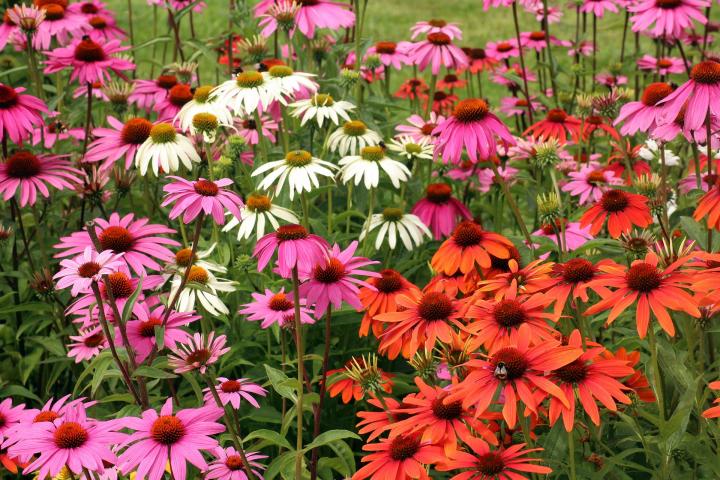

To successfully plant Echinacea, also known as coneflower, the optimal time is during the spring months, specifically from April to June. This timing allows the plants to establish strong root systems before the heat of summer sets in. If you live in a milder climate, you can also plant them in fall (September to October), provided there is enough time for the roots to grow before the arrival of frost.
Best Time for Echinacea Planting
The best time to plant Echinacea is in the spring, particularly when the risk of frost has passed. This season provides the necessary warmth and light for the seeds to germinate effectively.
- Soil Temperature: Ensure the soil temperature reaches at least 65°F (18°C) for optimal growth.
- Seed Germination: Seeds typically germinate within 7 to 14 days under ideal conditions.
- Growing Season: Spring planting allows a full growing season for development before winter.
Climate Considerations
When considering when to plant Echinacea, climate plays a crucial role. Depending on your local conditions, the timing may vary.
- Northern Climates: In colder regions, late spring (May) is ideal to avoid frost damage.
- Southern Climates: In warmer areas, early spring can be ideal, and fall planting is also an option.
- Microclimates: Always consider local microclimates that may affect your planting schedule.
Soil Requirements
To ensure the best growth for your Echinacea, the right soil is essential. Planting at the correct time in the proper soil conditions will lead to healthier plants.
- Well-Drained Soil: Echinacea prefers sandy or loamy soils that drain well.
- pH Levels: Aim for a soil pH of between 6.0 and 7.0, which is optimal for growth.
- Nutrient-Rich: Add organic matter to enhance soil fertility and encourage healthy root development.
Seed vs. Transplants
Deciding whether to start from seed or transplant can affect your timing and success rates when planting Echinacea.
- Seeds: Plant seeds directly outdoors in spring or start them indoors 6-8 weeks before the last frost.
- Transplants: Alternatively, you can purchase young plants and transplant them in spring or fall.
- Growth Rate: Starting from transplants usually results in quicker blooms compared to seeds.
Maintenance After Planting
Once you’ve planted your Echinacea, proper maintenance is crucial for optimal growth.
- Watering: Keep the soil consistently moist until the plants are established, then reduce watering.
- Fertilization: Apply a balanced fertilizer in spring to support healthy growth.
- Deadheading: Regularly remove spent flowers to encourage more blooms throughout the season.
Can I just scatter coneflower seeds?

Yes, you can scatter coneflower seeds, but there are several considerations to ensure successful germination and growth. Coneflowers, particularly the Echinacea species, are native to North America and are known for their vibrant flowers and resilience. Simply scattering the seeds is a straightforward method, but the success rate can depend on various factors like timing, soil conditions, and care after sowing.
See also:
Best Time to Scatter Coneflower Seeds
When planting coneflower seeds, timing is crucial for successful germination. The ideal times for sowing seeds include:
- Early Spring: Scatter seeds after the last frost, allowing them to germinate when conditions warm up.
- Fall Planting: You can also sow seeds in the fall; they can undergo natural stratification through winter, leading to early spring growth.
- Local Climate Considerations: Adjust your timing based on your local climate, as some regions may require different planting times.
Soil Preparation for Coneflower Seeds
Proper soil preparation is essential for the health of your coneflowers. Here’s how to prepare the soil:
- Soil Type: Coneflowers thrive in well-draining soil with a pH between 6.0 and 7.0. Sandy loam is ideal.
- Weed Control: Remove existing weeds and debris to prevent competition for nutrients and water.
- Soil Amendments: Consider adding organic matter like compost to improve soil structure and fertility.
How to Scatter Coneflower Seeds
Scattering coneflower seeds requires a simple yet methodical approach to maximize germination rates:
- Broadcasting: Evenly spread seeds across the prepared soil, using your hands or a seed spreader for uniform distribution.
- Light Covering: Lightly rake the soil to cover the seeds with a thin layer of soil, ensuring good seed-to-soil contact.
- Moisture: Water the area gently after sowing to provide moisture, essential for the germination process.
Caring for Coneflower Seedlings
Once the seeds have germinated, providing proper care for the seedlings is vital:
- Watering: Keep the soil consistently moist but not waterlogged until the seedlings are established.
- Fertilization: Use a balanced fertilizer sparingly, as too much can harm young plants.
- Thinning: Once seedlings are a few inches tall, thin them out if they are overcrowded to ensure proper growth.
Common Challenges with Coneflower Seeds
While planting coneflower seeds is generally straightforward, there are common challenges that you may encounter:
- Pest Issues: Watch for pests like aphids and beetles that may damage seedlings; use organic pest control methods if necessary.
- Disease: Fungal diseases can affect coneflowers, especially in overly moist conditions. Ensure good air circulation and avoid overcrowding.
- Weather Conditions: Extreme weather, whether too dry or too wet, can affect germination rates. Consider planting in sheltered locations if needed.
Questions from Our Readers
What month is best for planting echinacea?
Planting echinacea is generally best done in the spring after the last frost. This timing allows the plant to establish roots and grow robustly through the warmer months.
Can echinacea be planted in the fall?
Yes, echinacea can be planted in the fall, but it's crucial to do so at least 6 weeks before the first expected frost. This gives the plant enough time to develop roots before winter sets in.
How should I prepare the soil for echinacea planting?
Before planting echinacea, ensure the soil is well-drained and rich in organic matter. Incorporating compost or well-rotted manure can significantly enhance soil quality and promote healthy growth.
See also:
Is it necessary to start echinacea seeds indoors?
Starting echinacea seeds indoors is not necessary; they can be directly sown outdoors in the spring or fall. However, starting them indoors can lead to earlier blooms if you provide the right conditions.

If you want to read more articles like What Month Do You Plant Echinacea? A Complete Guide for Gardeners, we recommend you check out our Echinacea category.
Leave a Reply
Related Articles