Do Echinacea Bloom All Summer? Discover the Best Tips for Echinacea Care
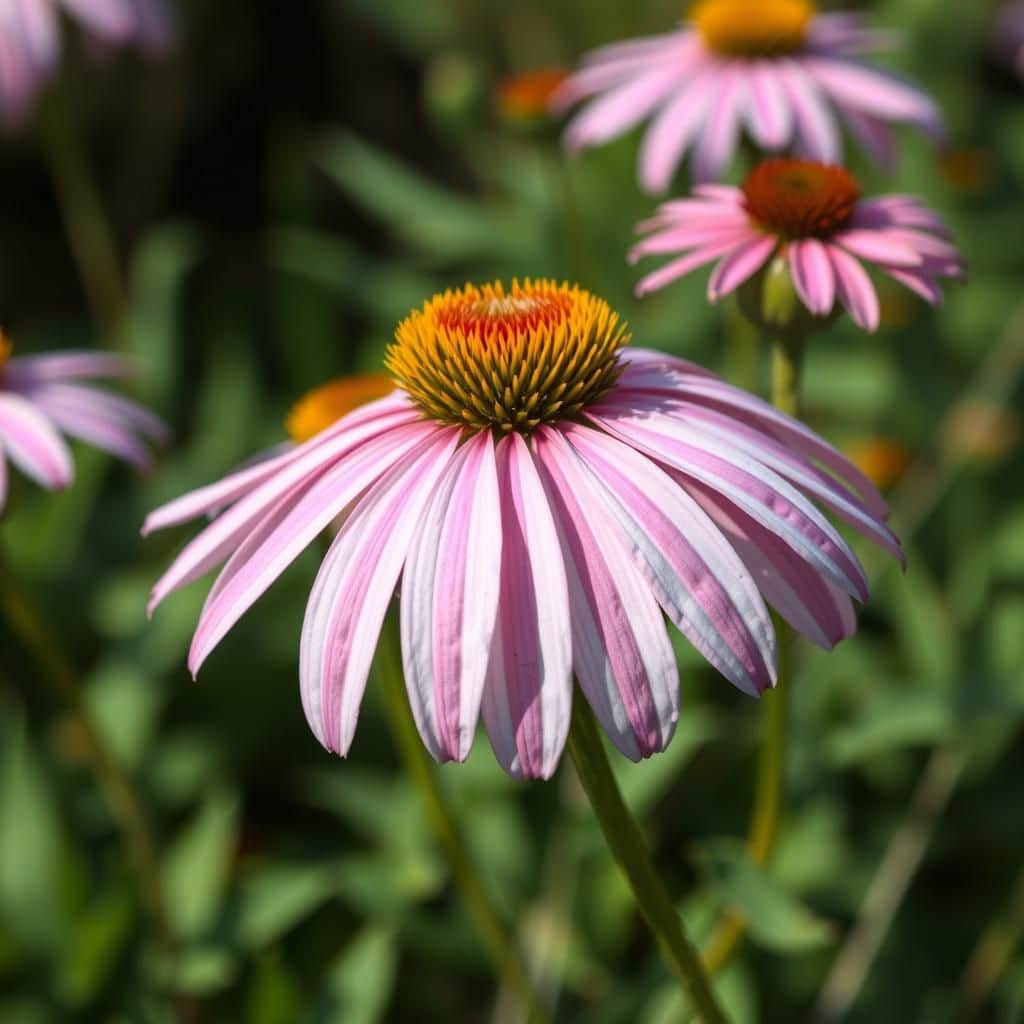
Echinacea, commonly known as coneflower, is a stunning perennial that brings vibrant colors to gardens and landscapes. Many garden enthusiasts wonder if Echinacea blooms all summer long and how to properly care for these resilient plants. Understanding their blooming cycles and specific care requirements can enhance the beauty of your garden and ensure healthy growth. In this article, we will explore the blooming patterns of Echinacea, provide essential tips for optimal care, and share techniques to prolong its flowering period, allowing you to enjoy these stunning blooms throughout the summer months and beyond.
Do Echinacea Bloom All Summer?
Echinacea, commonly known as coneflower, typically blooms from mid-summer to early fall, specifically between June and September, depending on the variety and local climate. While they are known for their vibrant, beautiful flowers and ability to attract pollinators like bees and butterflies, the blooming period does not extend throughout the entire summer. Factors such as soil health, weather conditions, and specific plant care can influence their blooming cycle, but generally, they thrive in full sun and well-drained soil, ensuring a robust flowering season during their peak months.
What are the Ideal Conditions for Echinacea to Bloom?
Echinacea plants thrive in full sun, requiring at least six hours a day to produce the best blooms. They prefer well-drained soil and can tolerate drought, making them reliable in various garden settings. Adding organic matter can enhance soil quality, further promoting healthy growth and extended flowering. It is essential to avoid overly moist conditions, as this can lead to root rot and negatively impact bloom development.
How Long Do Echinacea Flowers Last?
The individual flowers of Echinacea can last several weeks, typically blooming for about 4 to 6 weeks per flower head. However, the plant remains in bloom throughout the summer months due to the staggered blooming of multiple flower heads. This ensures that the garden stays vibrant and attracts various pollinators until the first frost of the fall season.
Can Echinacea Bloom More Than Once in a Summer?
Echinacea plants often produce a second wave of blooms towards the end of summer if they are deadheaded, or if the spent flowers are removed promptly. This practice encourages the plant to focus its energy on producing new flowers rather than setting seed. Therefore, with proper care, it is feasible for Echinacea to display multiple blooms throughout the summer season.
What Varieties of Echinacea Bloom Longer?
Some varieties of Echinacea are known for prolonged blooming periods. For example, Echinacea purpurea and Echinacea 'Ruby Star' tend to bloom longer than other selections. These varieties can extend their flowering season from late spring into early fall, making them popular choices among gardeners looking for consistent color in their landscapes.
What Maintenance is Required for Echinacea to Ensure Blooms?
To ensure that Echinacea blooms thrive throughout the summer, regular maintenance is necessary. This includes deadheading spent flowers to promote new growth, ensuring adequate soil moisture without overwatering, and applying a balanced fertilizer during the growing season. Additionally, spacing plants correctly allows for air circulation and reduces the risk of disease, ultimately supporting continued blooming.
| Factor | Impact on Blooming |
|---|---|
| Sunlight | Minimum six hours daily enhances bloom |
| Soil Type | Well-drained soil promotes healthy blooms |
| Watering | Avoid overwatering to prevent root rot |
| Deadheading | Encourages multiple blooming cycles |
| Fertilization | Balanced fertilization supports growth |
Will Echinacea bloom all summer?

Echinacea, commonly known as coneflower, typically blooms from late spring to early fall, with the peak flowering period occurring in summer. However, whether it will bloom all summer depends on several factors including the specific variety, climate, and care it receives. Here are some details:
- The Echinacea purpurea variety tends to bloom from June to September, ensuring a colorful display throughout the summer months.
- In certain conditions, particularly in warmer climates, blooms may continue into late summer and even early fall.
- Proper care such as adequate sunlight, watering, and deadheading (removing spent flowers) can promote prolonged blooming.
Factors Influencing Echinacea Blooming
The blooming period of Echinacea can be influenced by various environmental factors. Here are some key elements:
See also:
- Climate: Echinacea thrives in USDA zones 3-9, which can affect its blooming duration.
- Soil Quality: Well-drained soil with moderate fertility enhances flowering.
- Sun Exposure: Echinacea requires at least 6 hours of direct sunlight for optimal blooming.
Care Tips for Prolonged Blooming
To encourage longer blooming periods in your Echinacea plants, consider the following care tips:
- Regular Watering: Ensure the plants receive adequate water, especially during dry spells.
- Fertilization: Use a balanced fertilizer in early spring to promote healthy growth.
- Deadheading: Remove spent flowers to encourage the growth of new blooms.
Common Varieties of Echinacea
Different varieties of Echinacea may have varying blooming characteristics. Here are some popular ones:
- Echinacea purpurea: Known for its vibrant purple flowers and extended blooming season.
- Echinacea pallida: Features pale pink flowers and blooms slightly later in the summer.
- Echinacea tennesseensis: This variety has more compact flowers and generally blooms earlier.
Benefits of Echinacea Blooming
The blooming of Echinacea provides several benefits, making it popular among gardeners:
- Aesthetic Appeal: Their striking flowers enhance garden beauty and attract pollinators.
- Wildlife Support: These blooms provide nectar for bees, butterflies, and other beneficial insects.
- Medicinal Uses: Echinacea is renowned for its immune-boosting properties.
Potential Issues Affecting Blooming
Several issues may hinder the blooming of Echinacea, which include:
- Pests: Insect infestations can weaken plants and reduce flowering.
- Disease: Fungal diseases may hinder growth and blooming potential.
- Improper Care: Insufficient nutrients or water can negatively impact blooming.
How to keep Echinacea blooming?
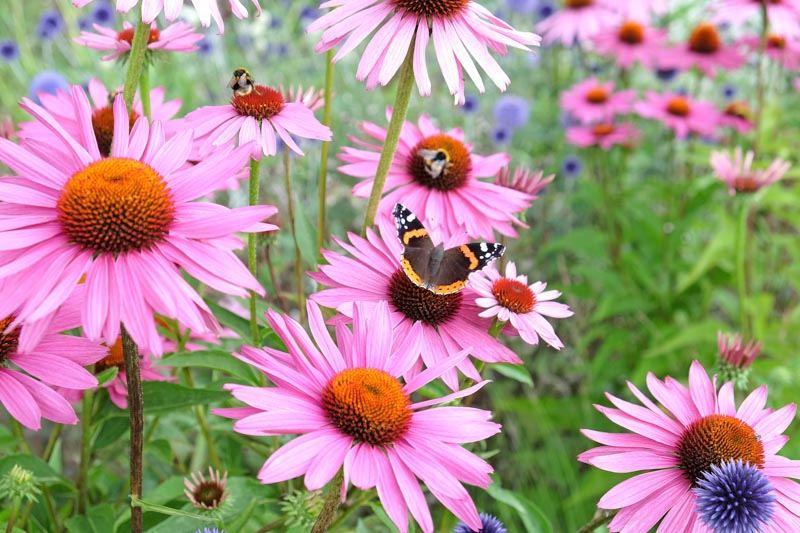
To keep Echinacea blooming, it's important to understand their growth requirements and care tips. Here are some detailed methods to ensure continuous blooming of these beautiful perennial flowers.
Proper Soil Conditions
The first step in maintaining vibrant Echinacea blooms is to provide the right soil conditions. Echinacea thrives in well-drained soil that is rich in organic matter. Here's how to prepare the soil:
- Test the soil pH and ensure it’s within the range of 6.0 to 7.0.
- Amend the soil with compost or well-rotted manure to improve fertility.
- Ensure good drainage to prevent root rot, which can hinder blooming.
Watering Techniques
While Echinacea is drought-resistant, it does require consistent watering during dry spells. Here are some watering tips:
- Water deeply but infrequently to encourage deep root growth.
- Avoid overhead watering to prevent fungal diseases.
- Check moisture levels regularly, especially during hot summer months.
Fertilization Practices
Using the right fertilizers can enhance blooming. Echinacea responds well to light fertilization:
- Apply a slow-release, balanced fertilizer in early spring.
- Avoid excessive nitrogen, which can lead to lush foliage but fewer blooms.
- Consider using organic fertilizers for strong, healthy plants.
Deadheading and Pruning
Regular deadheading encourages more flowers to bloom by redirecting the plant's energy. Here’s how to effectively deadhead Echinacea:
- Remove spent flowers to promote new growth.
- Prune back dead stems in late fall to prepare for spring growth.
- Be mindful not to prune too early to avoid cutting off emerging buds.
Pest and Disease Management
Keeping Echinacea healthy involves awareness of pests and diseases that could impact blooming. Here are some management techniques:
See also:
- Regularly check for common pests like aphids and caterpillars.
- Use insecticidal soap for pest control where necessary.
- Ensure good air circulation to prevent powdery mildew and other fungal issues.
How long does an Echinacea bloom last?
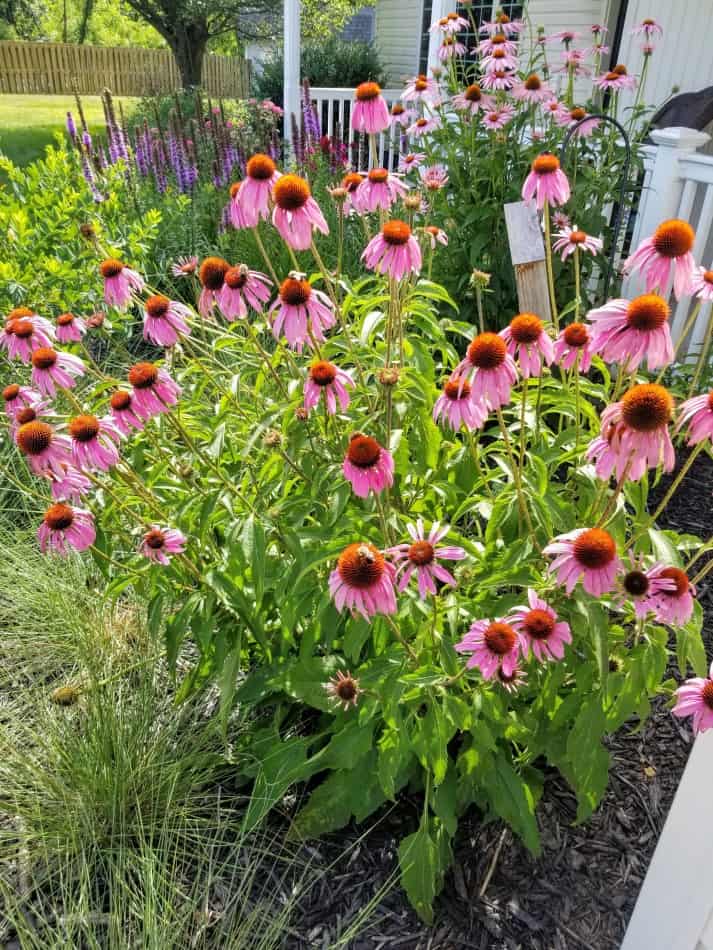
Echinacea, commonly known as coneflower, typically has a bloom duration of about three to four weeks. However, the actual length of time that an Echinacea bloom lasts can be influenced by various factors such as the specific species, climatic conditions, and care practices. Generally, Echinacea flowers begin to bloom in late spring to early summer and can continue through late summer. Here is a detailed breakdown of the blooming duration and related factors.
Factors Affecting Bloom Duration
The bloom duration of Echinacea is affected by several factors, including:
- Species Variation: Different species of Echinacea may have varying bloom times, affecting overall duration.
- Weather Conditions: Temperature and rainfall can significantly impact bloom longevity; harsher conditions may shorten it.
- Soil Quality: Well-drained and nutrient-rich soil can enhance the plant's vitality, potentially extending blooming periods.
Care Practices to Extend Bloom Life
Proper care practices can help prolong the blooming period of Echinacea:
- Regular Watering: Adequate hydration, especially during dry spells, can support longer-lasting blooms.
- Deadheading: Removing spent flowers encourages new blooms and can help maintain the appearance of the plant.
- Fertilization: Appropriate use of fertilizers can boost growth and enhance bloom production.
Seasonal Trends in Blooming
The blooming patterns of Echinacea vary throughout the seasons:
- Spring: Early varieties may start blooming by late spring, signaling the onset of the flowering season.
- Summer Peak: Mid-summer often brings the peak of blooming, providing the most vibrant displays.
- Fall Transition: Late bloomers may continue showcasing flowers into fall, but the duration generally decreases.
Common Varieties and Their Bloom Times
Different Echinacea varieties exhibit unique blooming characteristics:
- Echinacea purpurea: Known for its resilience, it typically blooms from mid-summer to early fall.
- Echinacea angustifolia: This species often has a shorter blooming period, usually lasting from late spring to mid-summer.
- Echinacea tennesseensis: This variety may bloom later, specifically thriving in late summer.
Impact of Environmental Conditions
Environmental conditions play a significant role in the blooming lifespan of Echinacea:
- Sun Exposure: Echinacea thrives in full sun, which can enhance bloom quality and duration.
- Temperature: Ideal growing temperatures can prolong blooming, while extreme heat or cold can shorten it.
- Pest Control: Managing pests and diseases is crucial, as infestations can negatively affect bloom health and longevity.
Questions from Our Readers
Do echinacea bloom all summer?
Yes, echinacea typically blooms from late spring through early fall, which can mean that they do bloom all summer. However, the peak bloom period generally occurs in mid-summer, especially around July to August, when the plants are in their full glory.
What conditions do echinacea need to bloom?
For optimal blooming, echinacea requires full sun, which means at least 6 hours of direct sunlight each day. They also thrive in well-drained soil and prefer a dry to moderate moisture level, making them adaptable and low-maintenance garden plants.
How long do echinacea flowers last?
The individual echinacea flowers can last several weeks, typically around 4 to 8 weeks, depending on environmental conditions. The plant will continue to produce new blooms throughout its flowering season, ensuring colorful display for an extended period.
Can echinacea bloom more than once a year?
While echinacea typically blooms once each growing season, with proper care, including deadheading spent flowers, they may produce additional blooms later in the season. However, this second bloom may not be as prolific as the first.
See also:

If you want to read more articles like Do Echinacea Bloom All Summer? Discover the Best Tips for Echinacea Care, we recommend you check out our Echinacea category.
Leave a Reply
Related Articles