Discover the Beauty: What is the Top 1 Flower?
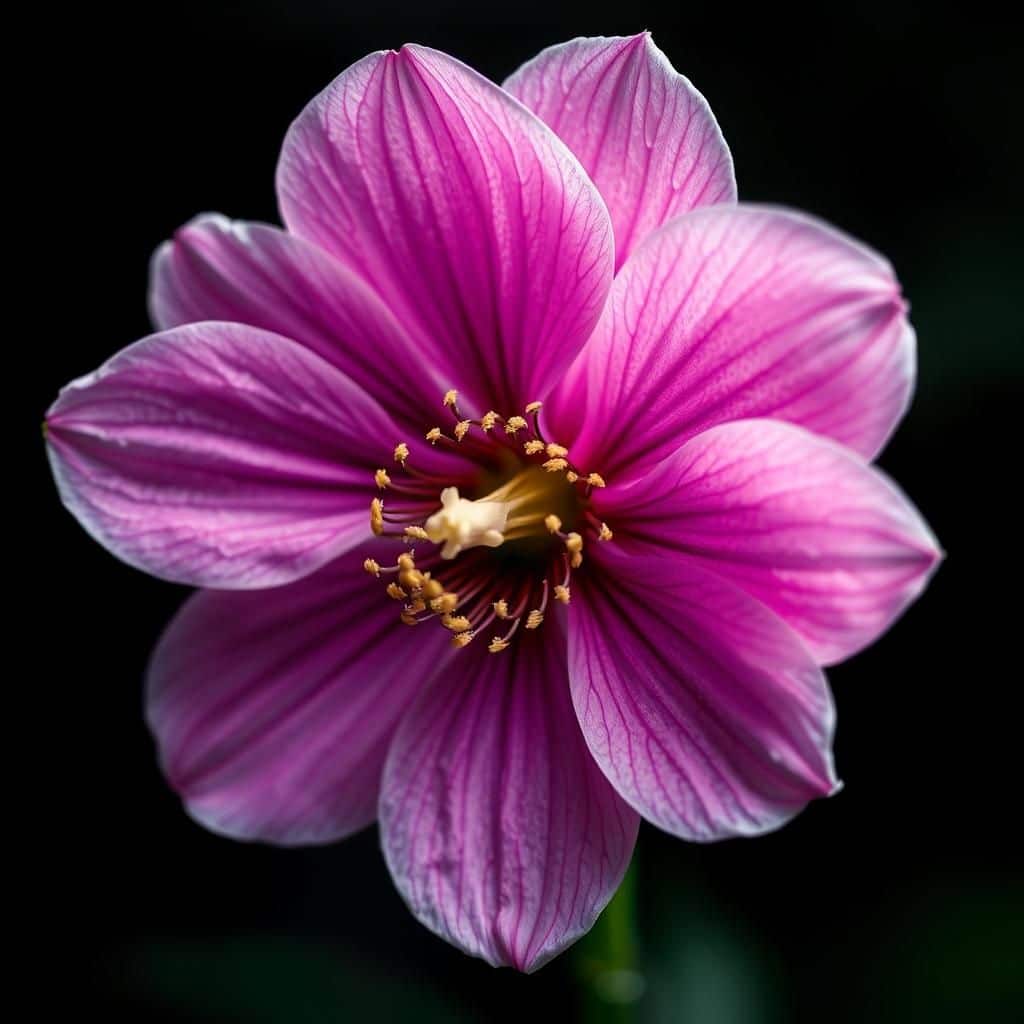
Flowers have captivated humans for centuries with their vibrant colors, intricate designs, and enchanting fragrances. Among the vast array of blossoms found worldwide, one flower stands out as the pinnacle of beauty, earning the title of the top flower. This article embarks on a journey to uncover what makes this flower so extraordinary and why it has captured the admiration of cultures across the globe. From its symbolic significance to its aesthetic appeal, we will explore the characteristics that elevate this bloom above all others, inviting readers to appreciate the true splendor of nature’s artistry.
What is the Top Flower in the World?
The title of the top flower in the world often goes to the rose. Roses have been appreciated for centuries, predominantly for their beauty, wide range of colors, and their symbolism of love and affection. This classic flower has been cultivated in various species and hybrids, making it adaptable to different climates and soil types, further enhancing its popularity. The rose is often featured in gardens, bouquets, and special occasions, and it has firmly established itself as a timeless emblem of romance and passion throughout history.
Popularity of Roses
The popularity of roses transcends geographical boundaries and cultural backgrounds. They are often recognized as the most popular flower worldwide, frequently selected for gift-giving on occasions such as Valentine's Day, anniversaries, and weddings. Their stunning appearance and pleasant fragrance make them a favorite in gardens and floral arrangements, leading to millions of roses being grown and sold annually. The global rose market has significantly contributed to the floriculture industry, with numerous festivals and events dedicated to celebrating this exquisite flower.
Different Types of Roses
Roses come in a vast array of types, including hybrid tea, floribunda, climbing, and shrub roses, each having unique characteristics. Hybrid tea roses are among the most well-known for their large blooms and long stems, making them a favored choice for bouquets. Floribunda roses are known for their abundant clusters of flowers, offering vibrant colors and a continuous blooming season. Meanwhile, climbing roses are ideal for trellises and arches, adding vertical beauty to gardens. This diversity allows enthusiasts to choose varieties that best suit their landscaping needs.
Symbolism and Meaning of Roses
Roses carry rich symbolism and meanings that differ based on their colors and numbers. For instance, a red rose traditionally signifies love and passion, while a white rose represents purity and innocence. Yellow roses are associated with friendship and joy, making them suitable for platonic celebrations. The number of roses given also carries significant weight; for example, a dozen roses often conveys deep affection or romance. This intricate language of roses enables individuals to express their sentiments effectively through floral gifts.
Rose Cultivation and Care
Cultivating roses requires attention to proper care and maintenance, which includes selecting the right planting site, ensuring well-draining soil, and providing adequate sunlight. Regular watering and fertilizer application promote healthy growth and vibrant blooms. Additionally, pruning is an essential practice that encourages new growth and maintains the plant's shape. Knowledge of common pests and diseases that may affect roses, like aphids or black spot fungus, allows gardeners to take proactive measures to ensure their roses remain healthy and lush.
Roses in Art and Literature
Roses have long been a source of inspiration in both art and literature, enhancing their status as the top flower. Throughout history, artists like Vincent van Gogh and Claude Monet have captured the beauty of roses in their paintings, showcasing their myriad colors and delicate forms. Moreover, poets from Shakespeare to contemporary writers frequently employ roses as symbols in their verses to convey themes of love, beauty, and transience. This representation in various artistic and literary forms underscores the rose's profound impact on human culture and emotion.
| Flower Name | Color | Symbolism |
|---|---|---|
| Red Rose | Red | Love and Passion |
| White Rose | White | Purity and Innocence |
| Yellow Rose | Yellow | Friendship and Joy |
| Pink Rose | Pink | Admiration and Gratitude |
| Blue Rose | Blue | Mystery and the Unattainable |
Which is the number one flower?

The title of the number one flower is often attributed to the rose due to its widespread popularity, cultural significance, and versatility. Roses are beloved worldwide and are renowned for their beauty and fragrance. They come in a variety of colors, each symbolizing different emotions and meanings, which has helped to establish their enduring status in horticulture and decoration. The rose has been celebrated in literature, art, and ceremonies, making it a flower that truly stands out among others.
Historical Significance of Roses
Roses have a rich historical significance that dates back thousands of years. They were cultivated by the ancient Greeks and Romans, who admired their aesthetic beauty and fragrance. Over the centuries, roses have been symbols of love, passion, and even war, such as in the famous Wars of the Roses in England. Today, they continue to hold a prominent place in various cultural traditions around the world.
- Symbol of love and romance
- Used in ancient medicinal practices
- Featured in historical events and literature
Varieties of Roses
There are over 150 species and thousands of cultivars of roses that vary widely in terms of appearance, size, and scent. These range from miniature roses to large climbing varieties, allowing them to be used in various landscaping settings or as houseplants. Each variety has its own unique traits that cater to different preferences and environments.
- Hybrid Tea Roses: Known for their long stems and large blooms
- Floribunda Roses: Produces clusters of flowers for vibrant displays
- Climbing Roses: Ideal for trellises and walls due to their climbing nature
Symbolism of Rose Colors
The color of a rose plays a significant role in conveying the emotions and sentiments associated with it. Different colors have different meanings, which adds layers to the symbolism of each bloom given as a gift. This aspect of roses contributes to their popularity for special occasions like weddings and anniversaries.
See also:
- Red Roses: Symbolize romantic love and passion
- White Roses: Represent purity and innocence
- Yellow Roses: Convey friendship and joy
Roses in Modern Culture
In contemporary culture, roses are a staple in various celebrations such as Valentine's Day, Mother's Day, and weddings. Florists worldwide create elaborate arrangements with roses, and they are also frequently used in perfumes, cosmetics, and decorations. The rose has become an icon representing beauty and tenderness across global societies.
- Valentine's Day gifts: Roses are the top choice for expressing love
- Art and Literature: Frequently referenced in poems and paintings
- Cosmetics Industry: Extracts from roses are used in skin care products
Global Production of Roses
The global production of roses has become a significant industry, with countries like the Netherlands, Colombia, and Ecuador leading in cultivation and export. These countries' favorable climates and modern agricultural techniques allow them to produce high-quality roses that are shipped worldwide, especially during peak seasons.
- The Netherlands: Known for a wide variety of rose cultivars
- Colombia: Offers roses with long stems and large blooms
- Ecuador: Renowned for unique colors and high-altitude cultivation
What flower is the most popular?
:max_bytes(150000):strip_icc()/most-popular-wedding-flowers-of-all-time-v3-1a6aab594e894422bd02dcd02d654dbc.png)
The most popular flower varies based on context, region, and personal preference, but one flower that consistently holds the title of the most popular worldwide is the rose. Known for its stunning beauty and aromatic fragrance, the rose has been a symbol of love, passion, and beauty across cultures for centuries. Its variety of colors and types allows it to suit many occasions, making it a perennial favorite not only for floral arrangements but also for gardens and landscapes.
Reasons for the Popularity of Roses
The popularity of roses can be attributed to several factors:
- Symbolism: Roses are often associated with love and romance, especially red roses, which symbolize passionate love.
- Variety: There are over 300 species and thousands of cultivars of roses, offering a broad range of colors, sizes, and fragrances.
- Tradition: Roses have a long history in various cultures, making them a traditional gift for occasions such as Valentine’s Day, anniversaries, and weddings.
Other Popular Flowers Around the World
While roses are extremely popular, there are other flowers that also enjoy significant popularity:
- Tulips: Known for their vibrant colors and simple shapes, tulips are especially popular in spring and are often associated with the Netherlands.
- Lilies: These elegant flowers come in many varieties and are cherished for their large, fragrant blooms.
- Daisies: Often seen as symbols of innocence and purity, daisies are beloved for their cheerful appearance.
The Role of Roses in Various Cultures
Roses play a significant role in multiple cultures around the globe:
- Western Culture: In Western traditions, roses are mainly used in romantic contexts, symbolizing love and beauty.
- Eastern Cultures: In some Eastern cultures, roses are associated with spirituality and are often used in rituals.
- Literature and Art: Roses have been featured in numerous literary works and artistic expressions, symbolizing a range of emotions beyond just love.
Roses as Gifts for Special Occasions
Roses are often given as gifts for a variety of special occasions:
- Valentine’s Day: Red roses are the quintessential gift for expressing love and affection.
- Weddings: White roses symbolize purity and are frequently used in bridal bouquets and decor.
- Funerals: Pink and yellow roses can represent remembrance and gratitude, making them suitable for memorial services.
Care and Maintenance of Roses
For those who choose to grow roses, proper care and maintenance are essential:
- Watering: Roses require regular watering, especially in dry seasons, to thrive and maintain their blooms.
- Fertilizing: Using the right fertilizer can enhance the growth and blooming of roses throughout the growing season.
- Pest Management: Monitoring for pests like aphids and implementing control measures helps ensure the health of the roses.
Which one is the best flower?
:strip_icc()/cdn.cliqueinc.com__cache__posts__253245__most-beautiful-flowers-253245-1522430144413-main.700x0c-54d089becbe64976827e9ed0461e3f24.jpg)
Determining the best flower is inherently subjective, as it often depends on personal preferences, cultural associations, and specific contexts in which the flowers are used. Here are several factors to consider when contemplating which flower might be deemed the best:
Popularity of Flowers
Many flowers are celebrated for their beauty and fragrance. Some of the most popular flowers include:
See also:
- Roses - Tallied as the most recognized flower, they symbolize love and passion.
- Tulips - Known for their simple beauty and variety, often associated with spring.
- Sunflowers - Bright and cheerful, they represent adoration and loyalty.
Each flower has its unique charm, but roses often take the lead due to their association with romantic gestures.
Cultural Significance
Flowers carry different meanings across various cultures. The best flower can vary greatly depending on cultural context:
- Chrysanthemums - In many Asian cultures, they symbolize life and rebirth.
- Lotus - In Hinduism and Buddhism, it represents spiritual awakening.
- Daisies - In Western cultures, they symbolize purity and innocence.
Understanding the cultural significance of a flower can enhance its appeal and importance.
Seasonality and Availability
The best flower may also depend on the season or availability:
- Peonies - Highly sought after in late spring, known for their lush blooms.
- Carnations - Available year-round and often used for celebrations.
- Orchids - Provide exotic beauty but require specific conditions to thrive.
Certain flowers are better appreciated when they are in season, influencing their status as the best flower.
Fragrance and Aesthetic Appeal
The sensory experience of flowers can also dictate their rankings:
- Jasmine - Renowned for its intoxicating fragrance.
- Lilies - Noted for their striking appearance and pleasant scent.
- Lavender - Valued for both fragrance and calming properties.
The combination of fragrance and visual beauty plays a significant role in the perception of flowers.
Uses and Symbolism in Events
Different flowers are used for specific occasions, enhancing their standing as the best flower:
- Wedding Bouquets - White lilies and roses are popular for their elegance.
- Funerals - Lilies and chrysanthemums often signify remembrance.
- Celebrations - Sunflowers and daisies are ideal for cheerful events.
The versatility and symbolism of each flower for various events influence the ongoing debate about the best flower.
Questions from Our Readers
What is the top 1 flower in the world?
The top flower in the world is often considered to be the rose. Known for its beauty and fragrance, the rose holds significant cultural and emotional value across many societies globally.
What makes the rose the top flower?
The rose is celebrated for its stunning appearance, diverse colors, and its ability to convey deep emotions through symbolism. Its popularity in gardens and as a gift enhances its status as the top flower.
Are there other flowers that rival the rose?
While the rose is frequently regarded as the top flower, others like the lily and orchid also hold considerable popularity. These flowers possess unique characteristics and meanings that attract many admirers, yet the rose remains a favorite.
See also:
How can I care for my roses?
To properly care for your roses, ensure they receive adequate sunlight, regular watering, and proper pruning. Fertilization and pest control are also vital for maintaining their health and vibrancy.

If you want to read more articles like Discover the Beauty: What is the Top 1 Flower?, we recommend you check out our Flowers category.
Leave a Reply
Related Articles