Discovering the Beauty: What is the name of the flower ?

Flowers have an undeniable charm that captivates our hearts and minds. Among the vast array of blooms that grace our gardens and landscapes, some stand out for their elegance, color, and variety. One particular flower, often shrouded in mystery, invites exploration into its significance and beauty. In this article, we will embark on a journey to uncover the identity of this enchanting blossom, delving into its characteristics, symbolism, and the role it plays in different cultures. Join us as we discover the intriguing name of this flower and the stories it has to tell.
What Is the Name of the Flower?
The flower emoji typically represents the Hibiscus, a genus of flowering plants in the family Malvaceae. Known for their large, vibrant blooms and tropical appearance, hibiscuses are popular in gardens and landscaping around the world. There are several species within the hibiscus family, each exhibiting a variety of colors and sizes, making them appealing to both gardeners and floral enthusiasts. The hibiscus is often associated with warm climates and is commonly found in places like Hawaii, where it holds cultural significance as the state flower.
Origin of the Hibiscus
The Hibiscus plant is native to tropical and subtropical regions around the world, with origins traced back to areas such as Asia, the Pacific Islands, and parts of Africa. Various cultures have cultivated hibiscus plants for their beauty and utility, often using them for ornamental purposes or in traditional medicine.
Types of Hibiscus Flowers
There are many species of hibiscus, including the Hibiscus rosa-sinensis, commonly known as the Chinese hibiscus, and the Hibiscus syriacus, known as the Rose of Sharon. Each type showcases different characteristics, such as flower size, shape, and color, which can range from deep reds to bright yellows.
Cultural Significance
In many cultures, the hibiscus flower holds special symbolic meanings. For example, in Hawaiian culture, the flower is often associated with hospitality and is worn behind the ear as a sign of marital status. In several African cultures, the hibiscus is used in traditional drinks, like hibiscus tea, known for its medicinal properties.
Hibiscus Care and Growing Conditions
To thrive, hibiscus plants typically require full sunlight, well-draining soil, and regular watering. They are often grown in containers or directly in garden beds and require pruning to maintain their shape and promote flowering. Fertilization with a balanced fertilizer can help enhance their growth and blooming potential.
Health Benefits of Hibiscus
Hibiscus flowers are not just ornamental; they are also linked to various health benefits. The consumption of hibiscus tea is known to potentially lower blood pressure, improve liver health, and provide antioxidant properties. Additionally, it is rich in vitamin C and may support cardiovascular health.
| Feature | Description |
|---|---|
| Origin | Tropical and subtropical regions worldwide |
| Popular Types | Hibiscus rosa-sinensis, Hibiscus syriacus |
| Cultural Significance | Symbol of hospitality, used in traditional drinks |
| Care Requirements | Full sunlight, well-draining soil, regular watering |
| Health Benefits | May lower blood pressure, rich in vitamin C |
What is the real name of the duck flower?

The real name of the duck flower is Mauken or Sirenia, scientifically classified under the genus Sirenia. This plant is often colloquially referred to as the duck flower due to its unique shape, which resembles a duck’s bill. This fascinating plant is notable not only for its aesthetic appeal but also for its cultural significance in various regions.
Characteristics of the Duck Flower
The duck flower, or Mauken, possesses several distinct features that contribute to its charm:
- Shape: The flower is uniquely shaped, resembling a duck's bill, which is how it gets its common name.
- Color: It typically exhibits vibrant colors, making it visually striking in gardens and landscapes.
- Size: The flowers can vary in size, but they usually bloom to a noticeable extent, attracting attention.
Cultural Significance of Mauken
The duke flower holds a place in various cultures, particularly in regions where it is endemic:
- Traditional Uses: In some cultures, it is used in traditional medicine for its perceived health benefits.
- Symbolism: It often symbolizes beauty and uniqueness due to its unusual appearance.
- Cultural Folklore: There are several myths and stories surrounding the duck flower that enrich its cultural identity.
Growing Conditions for the Duck Flower
To cultivate the duck flower, certain conditions need to be met for optimal growth:
- Soil Type: It thrives in well-drained, fertile soil.
- Sunlight: The plant requires moderate to full sunlight for proper growth.
- Watering: Regular watering is essential, but overwatering should be avoided to prevent root rot.
Common Uses of Mauken
The duck flower is utilized for various purposes, enhancing its appeal among horticulturists and consumers alike:
See also:
- Ornamental Plant: It is popular in garden displays due to its striking appearance.
- Medicinal Applications: Some practitioners of traditional medicine use it for various herbal remedies.
- Ecological Benefits: The plant can attract various pollinators, contributing to local biodiversity.
Conservation Status of the Duck Flower
The conservation status of the duck flower is essential to consider due to environmental factors:
- Habitat Loss: Its natural habitats are threatened by urbanization and agricultural expansion.
- Protection Efforts: There are various conservation programs aimed at preserving this unique species.
- Awareness Campaigns: Educating the public about the importance of the duck flower can aid in its preservation.
What is the English name for the Meihua flower?
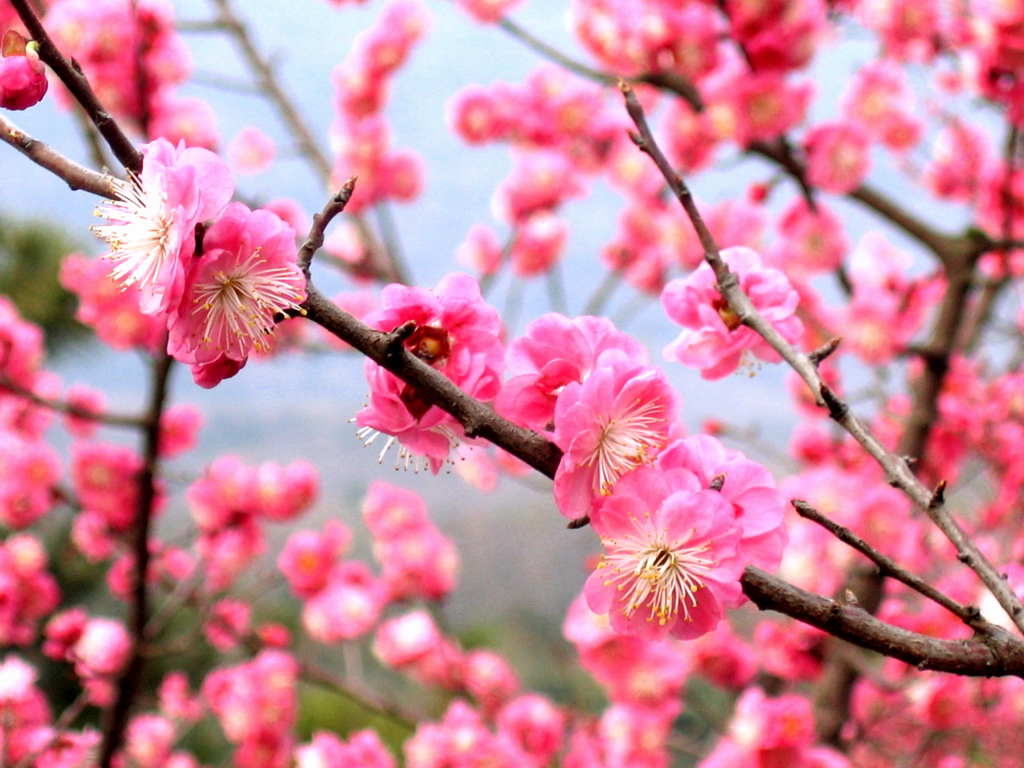
The English name for the Meihua flower is plum blossom. The flower comes from the Prunus mume tree, which is native to East Asia. It is well-known for its beautiful, fragrant blossoms that typically bloom in the late winter to early spring, often before the leaves appear. The Meihua flower holds significant cultural importance in various East Asian countries, particularly in China, where it symbolizes perseverance and hope.
Historical Significance of the Meihua Flower
The Meihua flower has a rich historical significance that spans centuries. In Chinese culture, it has been celebrated in art, poetry, and even philosophy. The flower is often associated with the season of winter and is admired for its resilience in blooming in harsh conditions.
- Symbol of Strength: Represents the ability to thrive despite adversity.
- In Literature: A recurring theme in classical Chinese poetry, representing beauty and purity.
- Cultural Icons: Often features in traditional paintings and artworks, embodying elegance and grace.
Cultural Representation in East Asia
In East Asia, the Meihua flower serves as a powerful symbol in various cultural contexts. It is embraced in festivals, artworks, and traditional practices, representing beauty, endurance, and optimism.
- Chinese New Year: The Meihua is often displayed as a sign of renewal and good fortune.
- Japanese Influence: The flowers have inspired Japanese haiku and art, showcasing their aesthetic beauty.
- Korean Traditions: Symbolizes purity and is often reflected in Korean literature and symbolic practices.
Botanical Characteristics
The Meihua flower exhibits distinctive botanical characteristics that set it apart from other floral species. Understanding these traits can enhance appreciation for this remarkable flower.
- Blooming Season: Typically blooms in late winter to early spring, making it one of the first signs of the changing seasons.
- Petal Structure: Features five petals that can range in color from white to pink, often with unique fragrance variations.
- Tree Size: The Prunus mume tree can grow up to 10 meters in height, providing a stunning visual display when in bloom.
Culinary Uses of Plum Blossoms
In addition to their beauty and symbolism, Meihua flowers have culinary uses, particularly in traditional cuisines of East Asia. The blossoms are often harvested for various dishes and beverages.
- Tea Infusions: Plum blossoms are used to create fragrant teas that are enjoyed for their flavor and aroma.
- Flavoring Agents: The flowers can be used to flavor syrups, jams, and desserts, adding a unique taste.
- Cultural Dishes: Incorporates flowers into traditional recipes, especially during festive occasions.
Gardening and Cultivation of Prunus Mume
Cultivating the Meihua flower can be a rewarding endeavor for gardeners who appreciate ornamental plants. Understanding the ideal conditions for growth can lead to successful flowering.
- Soil Requirements: Prefers well-drained, sandy loam soil to prevent root rot.
- Sunlight: Thrives in full sun to partial shade, ensuring plenty of light for blooming.
- Watering: Requires regular watering, especially during dry spells, but should not be overwatered.
What is the hyacinth flower used for?

The hyacinth flower is known for its striking beauty and rich fragrance. Its uses span across various domains, including gardening, aromatherapy, and even culinary practices. Here are some detailed applications of the hyacinth flower:
Horticultural Uses
The hyacinth flower is predominantly utilized in gardening due to its vibrant colors and enchanting smell. It's often planted in gardens and used for landscape designs for various reasons:
- Seasonal Blooms: Hyacinths bloom in early spring, providing a burst of color after winter.
- Variety of Colors: They come in various shades, such as pink, blue, purple, and white, which can complement any garden theme.
- Fragrance: Their aromatic scent enhances the sensory experience in gardens, making them popular among gardeners.
Aromatherapy and Essential Oils
In the realm of aromatherapy, hyacinths play a crucial role due to their soothing fragrance. They are often used to promote relaxation and reduce stress. Their applications include:
- Essential Oil Extraction: Hyacinth essential oils are extracted for use in diffusers and oil blends.
- Stress Relief: The sweet scent of hyacinth can help alleviate feelings of anxiety and promote tranquility.
- Massage Therapy: Oils derived from hyacinths can be incorporated into massage oils to enhance relaxation during treatments.
Culinary Uses
Interestingly, hyacinths also have culinary applications, though they are less common. Certain species can be used in cooking and drinks for unique flavors:
See also:
- Edible Flowers: The petals can be used as garnish or in salads for a pop of color and subtle flavor.
- Infusions: Hyacinth flowers are sometimes infused in teas, adding a floral note.
- Flavoring: Historically, they have been used to flavor syrups and desserts in some cultures.
Medicinal Properties
Hyacinths also have traditional medicinal uses. Some herbalists believe in their potential health benefits, such as:
- Antioxidant Properties: Some extracts of hyacinth are thought to have antioxidants, supporting overall health.
- Anti-inflammatory Effects: Certain compounds in hyacinths may help reduce inflammation in the body.
- Traditional Remedies: In folk medicine, they have been utilized for ailments such as minor skin issues.
Symbolism and Cultural Significance
The hyacinth flower holds significant symbolism in various cultures, often associated with beauty and love. Its meanings can encompass:
- Love: In the language of flowers, hyacinths represent deep love and sincerity.
- Spring and Renewal: They are often seen as a symbol of the approaching spring season, suggesting renewal and new beginnings.
- Cultural Traditions: Hyacinths are used in various cultural ceremonies and festivals, celebrating beauty and life.
What is the common name for alyssum flower?

The common name for the alyssum flower is sweet alyssum. This flowering plant belongs to the Brassicaceae family and is known for its fragrant, small, white, purple, or yellow flowers. Sweet alyssum is widely cultivated for ornamental purposes and is appreciated for its ability to attract beneficial insects to gardens.
Characteristics of Sweet Alyssum
Sweet alyssum is characterized by its low-growing habit and the dense clusters of tiny flowers. The leaves are typically lance-shaped and can be hairy. The plant generally has a pleasant scent, especially when grown in full sun.
- Flower Color: Common colors include white, pink, purple, and yellow.
- Height: Typically grows 4 to 8 inches tall.
- Fragrance: Emits a sweet, honey-like scent that attracts pollinators.
Cultural Significance
Sweet alyssum has been used in different cultures for various purposes. It is often associated with romantic gardens and is a popular choice in floral arrangements due to its appealing aesthetics.
- Symbolism: Often symbolizes love and beauty in floral arrangements.
- Ground Cover: Used as an effective ground cover plant in landscaping.
- Medicinal Uses: Historically believed to have various medicinal properties.
Growing Conditions
To thrive, sweet alyssum prefers well-drained soil and moderate watering. It can tolerate poor soil conditions and drought once established, which makes it ideal for gardeners looking for low-maintenance plants.
- Soil Type: Prefers well-drained, sandy, or loamy soil.
- Watering: Requires regular watering but should not be overwatered.
- Sun Exposure: Thrives in full sun to partial shade.
Pest and Disease Resistance
Sweet alyssum is relatively resilient and can resist various pests and diseases. However, it may still face challenges such as aphids or fungal infections if not properly cared for.
- Pests: Common pests include aphids and whiteflies.
- Diseases: Can be susceptible to root rot if soil drainage is poor.
- Preventive Measures: Good air circulation and proper watering practices help mitigate issues.
Popular Varieties
There are several popular varieties of sweet alyssum that gardeners choose based on their preferences and specific landscaping needs. These varieties can differ in flower color, growth habit, and hardiness.
- Alyssum saxatile: Known for its bright yellow flowers, often used in rock gardens.
- Alyssum montanum: Another variety featuring small yellow flowers, suitable for sunny borders.
- Alyssum maritimum: Commonly seen in garden centers, known for its vibrant colors and sweet fragrance.
Questions from Our Readers
What common flower is often referred to as the flower?
The term the flower can refer to various species, but it is frequently associated with the rose due to its popularity and symbolism. Roses are known for their beauty and fragrance, often used in bouquets and gardens.
Are there specific flowers known as the flower?
Yes, there are flowers commonly referred to by their scientific or common names that may include flower in the title. For instance, the “flowering dogwood” is a tree known for its beautiful spring blooms.
How can I identify different types of flowers?
To identify different types of flowers, observe their color, shape, and size. Additionally, checking the plant's leaves and growth habits can aid in proper identification, as each species of flower has its distinct characteristics.
Where can I find information about various flower names?
You can find information about various flower names in botanical books, online databases, and gardening websites. Resources like plant identification apps and guidebooks can provide valuable details about each species and its common or scientific names.
See also:

If you want to read more articles like Discovering the Beauty: What is the name of the flower ?, we recommend you check out our Flowers category.
Leave a Reply
Related Articles