What is the Best Planting Depth for Garlic? Tips for Optimal Growth
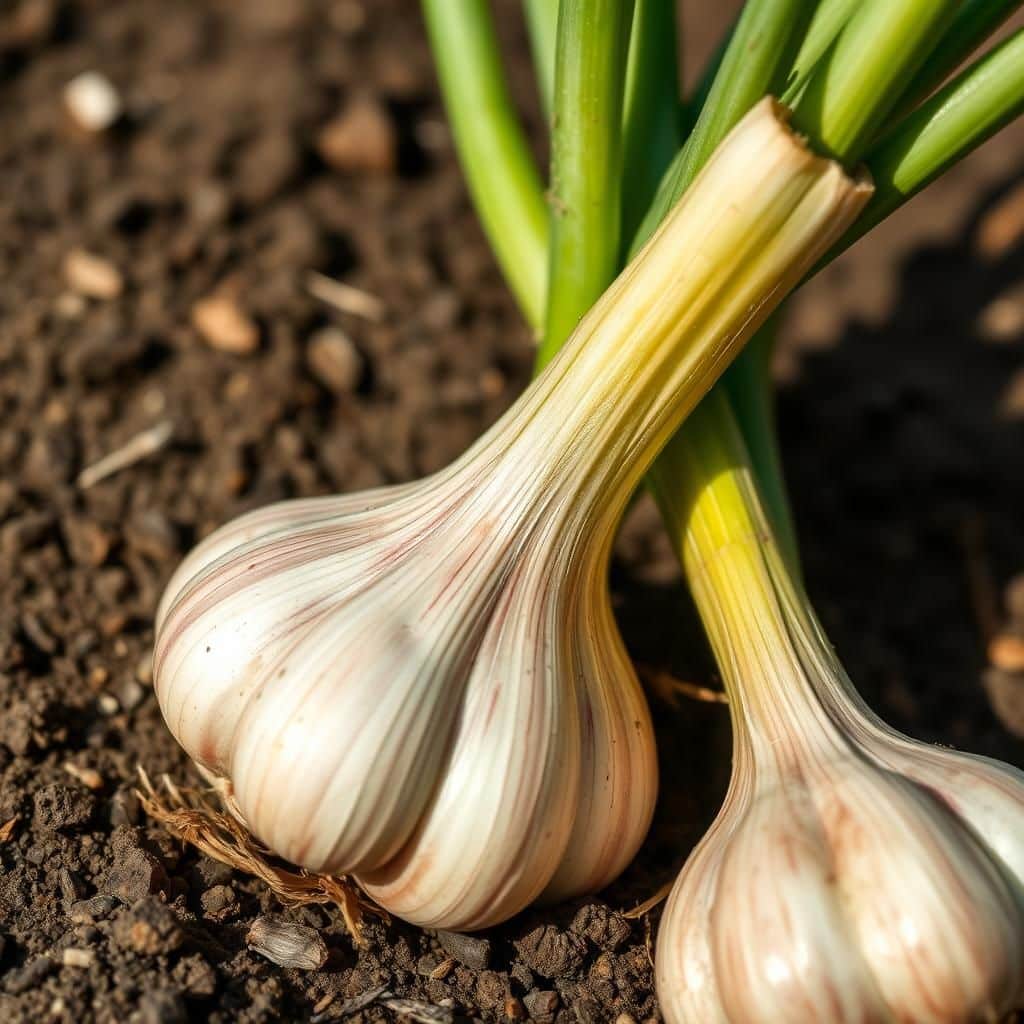
Garlic is a beloved culinary staple known for its rich flavor and numerous health benefits. However, achieving a bountiful harvest hinges on various factors, one of the most critical being planting depth. In this article, we will explore the best practices for determining the optimal planting depth for garlic, ensuring that this aromatic bulb thrives in your garden. By understanding the needs of garlic and implementing simple yet effective tips, you can enhance its growth and yield. Whether you're a seasoned gardener or a novice, this guide will provide the insights needed to cultivate robust garlic plants.
What is the Best Planting Depth for Garlic?
The ideal planting depth for garlic generally ranges from 2 to 4 inches, depending on the soil type and the climate. In lighter, sandy soils, planting garlic deeper at around 4 inches can help protect the cloves from drying out and can also provide better stability during strong winds. However, in heavier soils, a shallower depth of around 2 inches might be more effective to avoid waterlogging, ensuring that the garlic cloves have sufficient moisture without being overwhelmed. Regardless of the specific depth chosen, it's essential to plant with the pointed end of the cloves facing upwards, as this encourages healthy growth and robust bulb development.
Understanding Garlic Cloves
Planting depth is important because garlic develops from cloves. Each garlic bulb consists of multiple cloves, which can vary in size. The health and size of the resulting bulbs are directly influenced by how well the cloves are planted. Proper planting depth allows for better root establishment and bulb formation.
Impact of Soil Type
The type of soil you have can significantly affect the planting depth of garlic. Sandy soils drain well and may require deeper planting to retain sufficient moisture, as opposed to clay soils, which can retain too much moisture. Knowing your soil type can help you determine the optimal planting depth for your garlic.
Climate Considerations
In regions with warmer climates, planting garlic cloves deeper may be beneficial to protect them from heat and ensure proper moisture retention. Conversely, in cooler areas, shallower planting can encourage faster sprouting in spring. Assessing your local climate is crucial for choosing the right depth.
Spacing and Arrangement
While considering planting depth, spacing between garlic cloves is equally important. Cloves should be planted about 6 to 8 inches apart in rows that are 12 to 18 inches apart. This spacing allows for proper air circulation and reduces the risk of disease, which is vital for healthy garlic growth.
Best Practices for Planting Garlic
For optimal results, it’s recommended to plant garlic in rich, well-draining soil, ideally after the last frost in spring or in the fall for a spring harvest. Before planting, it helps to amend the soil with organic matter like compost to improve soil health. Following these best practices ensures that garlic is planted at the correct depth and receives the nutrients it needs for robust growth.
| Soil Type | Recommended Depth |
|---|---|
| Sandy Soil | 3-4 inches |
| Clay Soil | 2-3 inches |
| Loamy Soil | 2-4 inches |
What is the trick to planting garlic?
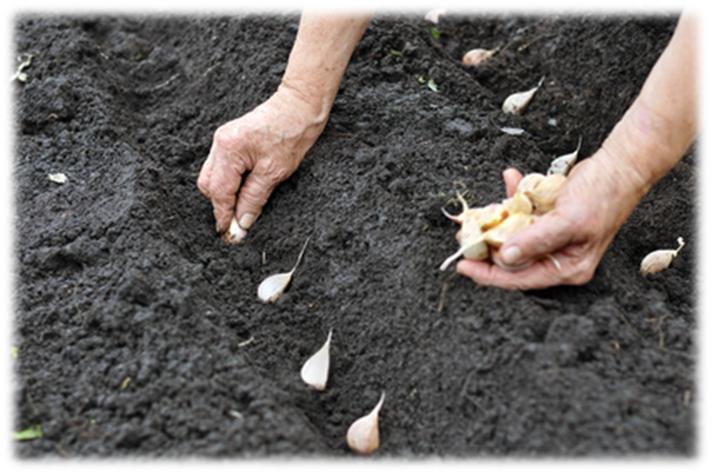
To successfully plant garlic, understanding the right techniques can significantly enhance the yield and quality of your bulbs. Here are some essential tricks for effective garlic planting:
Choosing the Right Garlic Variety
Selecting the right type of garlic is crucial as different varieties grow best in different climates. When choosing your garlic, consider the following aspects:
- Hardneck vs. Softneck: Hardneck garlic tends to have larger cloves and better flavor, but is less tolerant of warmer climates, while softneck garlic is adaptable and stores well.
- Local Adaptation: Opt for garlic varieties that are known to thrive in your local environment or are recommended by local farmers.
- Seed Quality: Use certified disease-free bulbs to prevent the spread of pathogens that can hinder growth.
Preparing the Soil
Proper soil preparation can greatly influence garlic health and productivity. Here’s how to prepare your garden bed:
- Soil Testing: Test the soil pH level and amend it to ensure it’s between 6.0 and 7.0 for optimal growth.
- Organic Matter: Enrich the soil with organic matter, such as compost or well-rotted manure, to enhance drainage and nutrient retention.
- Tilling: Till the soil to a depth of at least 12 inches to create an ideal environment for garlic roots to develop.
Planting Technique
The way you plant garlic can dictate the success of your harvest. Here are some key planting techniques:
- Clove Selection: Choose the largest cloves for planting, as they typically produce the best bulbs.
- Spacing: Space the cloves about 4-6 inches apart in rows that are 12-18 inches apart to allow for proper growth.
- Depth: Plant cloves with the pointed end up, about 2 inches deep to protect them from temperature fluctuations.
Watering and Fertilization
Proper watering and fertilization play critical roles in garlic cultivation. Follow these essential watering practices:
- Moisture Levels: Ensure the soil is consistently moist but not waterlogged, particularly during the bulbing stage.
- Fertilization Schedule: Use a balanced fertilizer at planting and again in the spring as the garlic begins to grow.
- Mulching: Apply a layer of mulch to conserve moisture, suppress weeds, and maintain stable soil temperatures.
Pest and Disease Management
Preventing pests and diseases is vital to a successful garlic crop. Here are tips to manage potential threats:
- Crop Rotation: Practice crop rotation every few years to prevent soil-borne diseases from accumulating.
- Pest Monitoring: Regularly check for signs of pests such as garlic bloat nematodes and take action promptly.
- Fungal Treatments: Use organic fungicides if fungal issues arise, particularly if you notice leaf spots or molds.
What happens if you plant garlic too close together?


If you plant garlic too close together, several issues can arise that may affect the growth and health of the plants. Garlic requires adequate space for its bulbs to develop properly, and when they are planted too closely, several negative consequences may occur:
1. Competition for Nutrients: When garlic plants are crowded together, they compete for essential nutrients in the soil. This competition can lead to smaller bulbs since each plant may not receive the required amount of nutrients to thrive.
2. Poor Air Circulation: Garlic needs good air circulation to prevent diseases and promote healthy growth. Closely planted garlic can trap moisture and humidity among the plants, creating an ideal environment for fungal infections, which can jeopardize the overall health of the crop.
3. Reduced Bulb Size: When garlic is planted too closely, the bulbs do not have enough space to expand, resulting in smaller, underdeveloped garlic bulbs. This can significantly affect the yield and quality of the garlic harvest.
4. Increased Pest Problems: Crowded conditions can increase the likelihood of pest infestations. Pests are attracted to dense plantings, and if the garlic plants are too close, it can be easier for pests to move between them and establish themselves.
5. Stunted Growth: The plants may become stunted in growth as they struggle to access adequate light, water, and nutrients. This stunted growth leads to an overall weaker garlic plant that is more vulnerable to disease and pests.
Competition for Resources
When garlic is planted in close proximity, it leads to intense competition for resources like water, sunlight, and nutrients. Each plant will struggle to access these essential resources, often resulting in subpar growth.
- Water: Limited access can cause some plants to suffer from drought stress.
- Sunlight: Leaves may overshadow each other, reducing photosynthesis.
- Nutrients: More plants mean fewer nutrients per plant, leading to less vigorous growth.
Pest and Disease Vulnerability
Crowded garlic plants are more susceptible to pests and diseases because of diminished airflow and increased humidity levels. This can create a perfect environment for pests like aphids or thrips, as well as fungal diseases.
- Increased humidity allows fungal spores to thrive.
- Dense foliage provides a habitat for pests.
- Reduced air circulation encourages disease spread among plants.
Impact on Bulb Size
The size of the garlic bulb is directly affected by planting density. Too much crowding leads to smaller bulbs due to restricted growth space and resource allocation.
- Smaller bulbs yield lower market value.
- Underdeveloped bulbs may have a milder flavor.
- Quality of the bulbs could be compromised.
Management Practices
To prevent issues arising from close planting, certain management practices should be followed. Adequate spacing is crucial for optimal growth.
- Follow recommended planting distances when sowing garlic.
- Thin out crowded plants when necessary.
- Monitor growth regularly to ensure proper spacing.
Long-term Consequences
In the long run, planting garlic too closely can result in long-term consequences that may affect future crops. It can lead to soil nutrient depletion or persistent pest issues.
- Soil depletion may necessitate more fertilizers in the future.
- Pest cycles can become established, leading to recurring infestations.
- Future garlic crops may be affected by previous plantings.
What is the mistake in planting garlic?

When planting garlic, several common mistakes can significantly affect the yield and quality of the crop. One predominant mistake is utilizing wrong planting time. Garlic is typically planted in the fall for a spring harvest or in early spring for a summer harvest, depending on the climate zone. Not timing the planting correctly may lead to poor bulb development or insufficient growth.
Another common error is planting the wrong variety of garlic. There are different types, such as hardneck and softneck garlic, each suitable for specific growing conditions. Choosing a variety that is not adapted to the local climate can lead to disappointing results.
Additionally, failing to prepare the soil adequately can impair garlic growth. Garlic thrives in well-drained, fertile soil. Not testing the soil pH or nutrients before planting may result in deficiencies that hinder the plant's development and overall health.
See also:
Mismanagement of irrigation is also a crucial mistake. Garlic requires consistent moisture, but overwatering or underwatering can lead to issues like rot or stunted growth. Lastly, neglecting proper spacing while planting can limit air circulation and nutrient access, affecting the performance of each garlic plant.
Wrong Planting Time
Planting garlic at the incorrect time can drastically influence the harvest. Garlic should typically be planted in late fall or early spring. Planting too early can result in the bulbs sprouting prematurely, whereas too late planting may not allow enough time for the bulbs to mature before harvest.
- Know your climate zone.
- Follow local planting guidelines.
- Observe the seasonal weather patterns.
Choosing the Wrong Variety
Selecting the appropriate type of garlic is essential. There are generally two main categories: hardneck and softneck garlic. Each has unique characteristics that make them better suited for different climates and culinary uses. Choosing the wrong type may lead to lower yields or unavailable harvests.
- Research local garlic varieties.
- Consult with local gardeners or nurseries.
- Consider your cooking needs and storage options.
Poor Soil Preparation
Soil preparation plays a crucial role in garlic growth. Garlic does best in well-drained and nutrient-rich soil. Neglecting to amend the soil with organic matter or test its pH can lead to nutrient deficiencies and poor plant health, ultimately affecting the quality of the bulbs.
- Test soil pH and nutrients.
- Incorporate organic compost before planting.
- Avoid compacted soil; loosen it for better root growth.
Irrigation Management
Watering garlic effectively is vital for its growth. Consistent moisture is required, but both overwatering and underwatering can be detrimental. Overwatering might cause root rot, while underwatering can lead to stunted growth. Understanding proper watering techniques is essential.
- Implement a consistent watering schedule.
- Use mulch to retain soil moisture.
- Adjust irrigation according to weather conditions.
Improper Plant Spacing
Spacing between garlic cloves when planting is another common mistake. Inadequate spacing limits air circulation, leading to higher susceptibility to diseases and reduced access to nutrients and sunlight. Properly spaced plants tend to produce larger bulbs.
- Follow recommended spacing guidelines for garlic.
- Aim for about 6 inches between cloves.
- Consider local advice on spacing based on your soil conditions.
What is the best month to plant garlic?
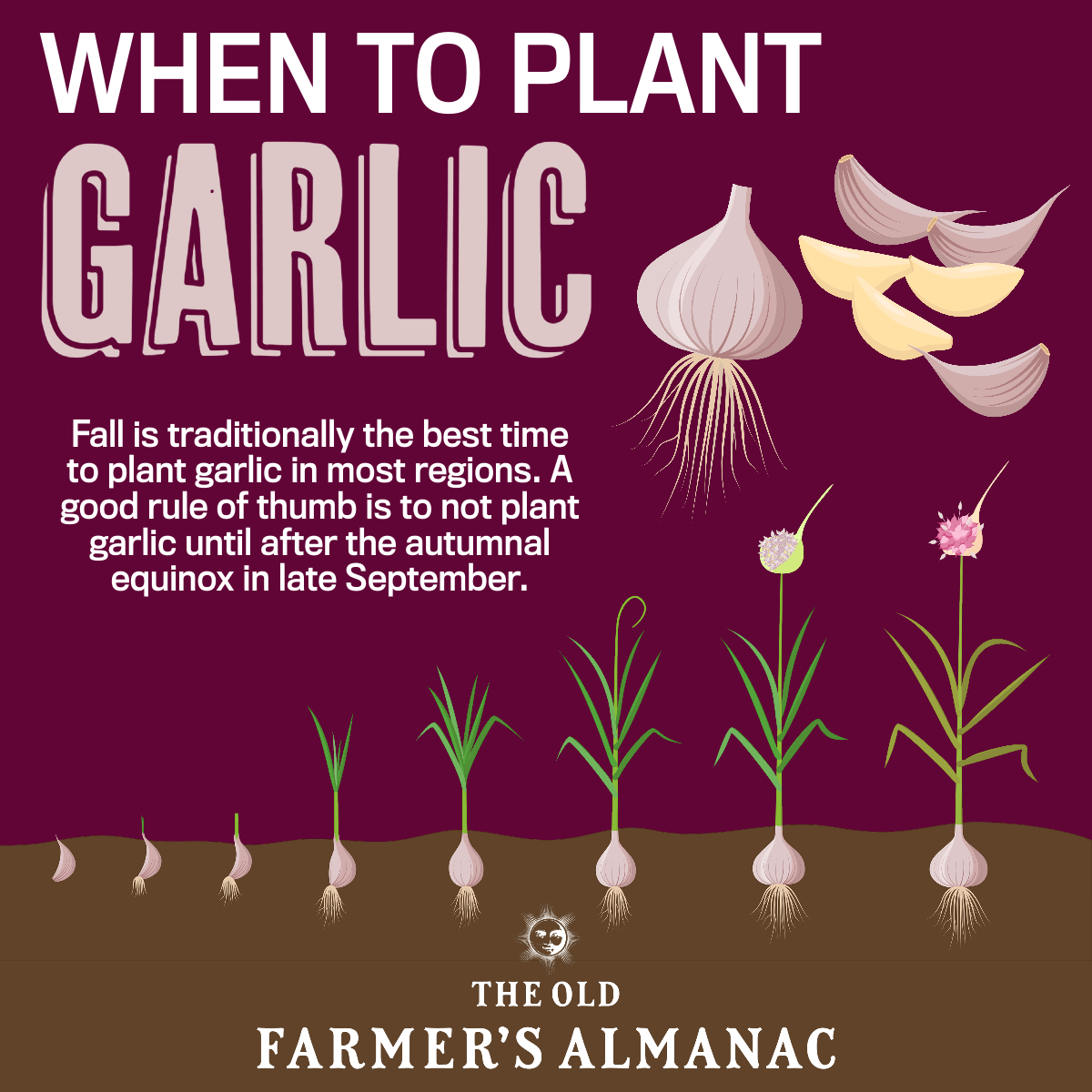
The best month to plant garlic is typically in the Fall, specifically from September to November, depending on your climate zone. This timing allows the garlic to establish roots before the ground freezes and gives it a head start in the spring. Garlic requires a period of cold dormancy, which most commonly occurs during the winter months, leading to a healthier and more robust crop in the following summer.
Optimal Garlic Planting Conditions
Planting garlic requires specific conditions to ensure a successful harvest.
- Soil Type: Garlic thrives in well-drained, fertile soil with a pH level between 6.0 and 7.0.
- Sun Exposure: Full sun is critical; garlic needs at least 6-8 hours of sunlight daily.
- Climate: Garlic does well in temperate climates, where winters are cold enough for vernalization.
Choosing the Right Garlic Variety
Different garlic varieties have unique growing requirements and flavor profiles.
- Hardneck Varieties: These are more suited for colder climates and should be planted in late September to early October.
- Softneck Varieties: These are more adaptable and can be planted later, even until early November in milder areas.
- Local Types: Always consider planting garlic varieties that are known to perform well in your local growing conditions.
Preparing Garlic for Planting
Proper preparation of garlic bulbs plays a crucial role in the success of your garden.
- Seed Selection: Choose plump, healthy bulbs free of disease. Avoid using grocery store garlic due to potential disease risks.
- Clove Separation: Carefully break apart the bulbs into individual cloves, keeping the papery skins intact to protect them during planting.
- Pre-Planting Treatment: Some gardeners soak cloves in a solution of water and baking soda or hydrogen peroxide to reduce disease risk.
Garlic Care After Planting
After planting garlic, it requires consistent care to ensure optimal growth.
- Watering: Garlic needs adequate moisture to establish strong roots; however, avoid overwatering which can cause rot.
- Mulching: Apply a layer of mulch to retain moisture, suppress weeds, and protect the bulbs from temperature fluctuations.
- Fertilizing: Use a balanced fertilizer in early spring to promote healthy growth as the plants begin to emerge from dormancy.
Harvesting Garlic
Understanding when and how to harvest garlic is essential for getting the best flavor and storage capability.
- Timing: Garlic is usually ready to harvest in mid to late summer when the lower leaves start to yellow and dry out.
- Harvest Technique: Use a garden fork to gently loosen the bulbs from the soil, taking care not to bruise them.
- Drying: After harvesting, clean the bulbs and allow them to cure in a dry, shaded area for a couple of weeks to enhance flavor and storage life.
Questions from Our Readers
What is the ideal planting depth for garlic?
The ideal planting depth for garlic is typically between 2 to 4 inches. Planting at this depth ensures that the garlic cloves have enough soil coverage to promote healthy root development while also allowing for sufficient moisture retention.
Does the planting depth vary by garlic variety?
Yes, the planting depth can vary slightly depending on the garlic variety, with softneck varieties generally requiring a depth of 2 to 3 inches and hardneck varieties benefiting from a depth of 3 to 4 inches for optimal growth and bulb formation.
See also:
What happens if garlic is planted too deep?
If garlic is planted too deep, it may struggle to emerge from the soil or experience delayed growth, leading to smaller bulbs. Additionally, excessive depth can cause issues with drainage and increase the risk of rot.
Can garlic be planted shallower than 2 inches?
Planting garlic shallower than 2 inches is not recommended, as it can expose the cloves to harsh conditions and may prevent them from establishing a strong root system. A depth of at least 2 inches is necessary for adequate protection and growth.

If you want to read more articles like What is the Best Planting Depth for Garlic? Tips for Optimal Growth, we recommend you check out our Garlic category.
Leave a Reply
Related Articles