How Deep Soil Do You Need for Garlic? Essential Tips for Successful Garlic Cultivation
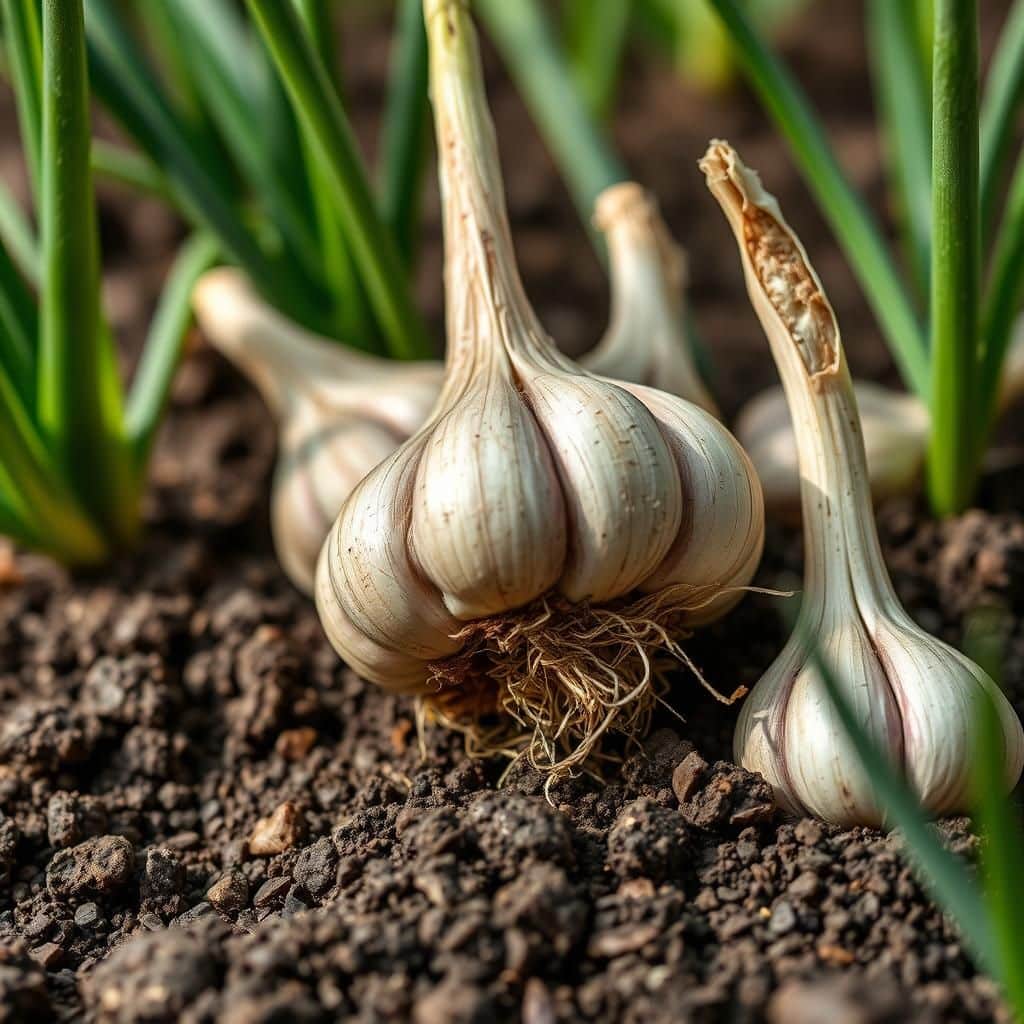
Growing garlic can be a rewarding endeavor, but understanding the optimal soil depth is crucial for successful cultivation. Garlic thrives in well-drained, loose soil that allows its roots to expand and flourish. In this article, we will explore the essential guidelines for determining how deep your soil should be for garlic plants to thrive. Whether you're a novice gardener or an experienced grower, these tips will help you provide the ideal conditions for your garlic crop, leading to a bountiful harvest. Discover the secrets to ensuring your garlic grows strong and flavorful right from the ground up.
How Deep Does the Soil Need to Be for Garlic?
Garlic requires a soil depth of at least 6 to 8 inches to grow effectively, although deeper soil is often beneficial. This depth allows for proper root development and ensures that the garlic bulbs can expand fully without obstruction. Soil that is too shallow can impede growth and lead to smaller, less healthy bulbs. It's also important to ensure that the soil is well-draining and rich in organic matter to foster optimal growth conditions.
Optimal Soil Depth for Garlic Cultivation
The optimal soil depth for garlic cultivation is generally between 8 to 12 inches. This depth provides enough space for the roots to spread out and absorb nutrients effectively. Additionally, deeper soil helps retain moisture, which is crucial during the development stage of the garlic. Garlic plants are susceptible to overwatering, and deep soil encourages proper drainage, contributing to healthier growth.
Benefits of Deep Soil for Garlic Growth
Having deep soil enhances the aeration around the roots and minimizes the risks of compaction. When garlic is planted in deeper soil, it allows for better nutrient availability and water retention. These factors contribute to stronger plants and larger bulb formation, leading to a more productive harvest. Moreover, deep soil can improve the overall health of the plant by supporting beneficial microorganisms and ensuring a more balanced ecosystem.
Soil Composition and Garlic Growth
The composition of the soil is equally as important as its depth when growing garlic. A mixture of loamy and sandy soils can provide the ideal texture that promotes good drainage while still holding adequate moisture. Incorporating organic matter such as compost can enhance soil fertility and structure, making it more conducive to garlic cultivation. A well-balanced soil pH, ideally between 6.0 and 7.0, also supports robust garlic development.
Soil Preparation Techniques
Preparing the soil before planting is critical for the success of garlic. Start by tilling the top 8 to 12 inches of soil to break up any clumps and incorporate organic materials. This preparation process boosts soil fertility and encourages a healthy root system. Additionally, testing the soil before planting can identify nutrient deficiencies, allowing for necessary amendments to be made prior to planting garlic.
Challenges with Shallow Soil for Garlic
Planting garlic in shallow soil poses challenges such as restricted root growth and poor bulb development. The lack of depth can lead to nutrient competition with other plants and may cause garlic to bolt prematurely, which adversely affects bulb size. Furthermore, shallow soil often faces issues with drainage; excess moisture can accumulate, leading to root rot and reducing overall plant health and yield.
| Soil Depth | Benefits | Challenges |
|---|---|---|
| 6-8 inches | Allows basic root development | May impede bulb growth |
| 8-12 inches | Improved nutrient availability | Risk of overwatering if poorly drained |
| 12+ inches | Optimal growth conditions | Harder to manage |
How deep should a garden bed be for garlic?
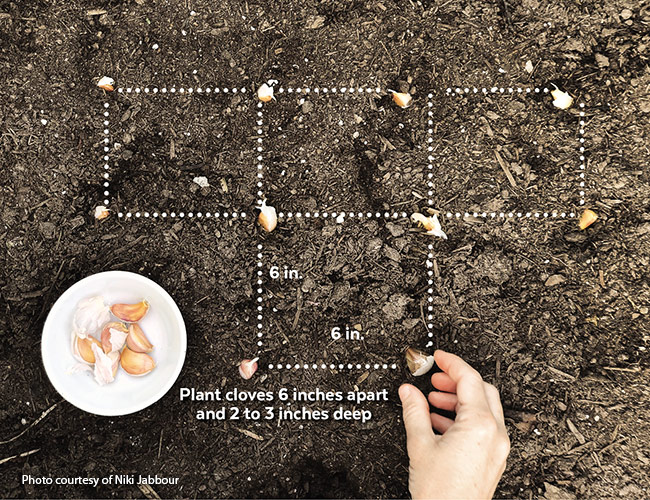
For growing garlic, the depth of the garden bed is crucial for ensuring optimal growth. Generally, a garlic bed should be at least 8 to 12 inches deep. This depth allows the garlic cloves to establish a robust root system while providing adequate drainage, which is essential for preventing rot. Here are additional considerations regarding the depth and preparation of the garlic garden bed.
Soil Content and Quality
The quality of the soil in your garden bed is essential for the health of the garlic. Garlic thrives in loose, well-drained soil with plenty of nutrients.
See also:
- Loamy soil is highly beneficial as it retains moisture while facilitating drainage.
- Incorporate organic matter such as compost or well-rotted manure to improve soil fertility.
- A pH level between 6.0 and 7.0 is ideal for optimal garlic growth.
Drainage Considerations
Proper drainage is a key factor in the depth of a garden bed for garlic. Excess water can lead to bulb rot, which can compromise the harvest.
- Ensure that the bottom of the garden bed is free from debris to enhance drainage.
- Consider adding gravel to the bottom of the bed to improve water flow.
- Monitor water levels during heavy rain to prevent standing water.
Spacing of Garlic Cloves
When planting garlic, the spacing of cloves relative to the depth of the garden bed is also important. Each clove requires adequate room for growth.
- Space the cloves about 6 inches apart to allow for proper bulb expansion.
- Plant cloves at a depth of about 2 inches below the soil surface.
- Ensure the pointed end of the clove is facing up when planting.
Seasonal Considerations
The time of year in which you plant garlic may influence how deep your garden bed needs to be prepared.
- For fall planting, prepare the bed in advance to allow the soil to settle.
- In spring, ensure that the soil warms up sufficiently before planting too deep.
- Consider mulching the top of the bed to retain moisture and regulate temperature.
Maintenance Practices
Ongoing maintenance of the garlic garden bed is crucial to ensure that the depth remains optimal for growth.
- Regularly check for weeds that may compete for nutrients.
- Water the bed consistently, especially during dry spells.
- Fertilize as needed based on soil tests to maintain the health of the garlic.
How deep in the ground do you plant garlic cloves?

To plant garlic cloves effectively, they should be inserted into the ground at a depth of approximately 2 to 3 inches (5 to 7.5 cm). This depth ensures that the cloves are deep enough to prevent frost damage yet shallow enough to allow for proper sprouting and growth.
Understanding Garlic Clove Planting Depth
Planting garlic cloves at the right depth is crucial for their growth and development. The depth influences the clove's ability to establish roots and absorb nutrients. Below are the factors that determine planting depth:
- Soil Quality: Loose, well-drained soil allows cloves to grow more freely.
- Temperature: A lower soil temperature may necessitate deeper planting to protect from frost.
- Garlic Variety: Different garlic types may have slight variations in optimal planting depth.
Benefits of Proper Planting Depth
Planting garlic cloves at the appropriate depth offers numerous benefits that enhance both growth and yield. This practice ensures a better harvest by promoting:
- Root Development: Deeper planting encourages stronger root systems.
- Frost Protection: Adequate depth shields cloves from freezing temperatures.
- Nutrient Uptake: Proper depth enables easier access to mineral-rich soil layers.
How to Prepare Soil for Garlic Planting
Preparing the soil adequately is essential for successful garlic cultivation. Here are some steps to ensure that your soil is ready for planting:
- Test Soil pH: Ensure it ranges between 6.0 and 7.0 for optimal growth.
- Add Organic Matter: Incorporate compost or well-rotted manure to boost fertility.
- Till the Soil: Loosen the soil to create a suitable environment for garlic cloves.
When is the Best Time to Plant Garlic?
Timing is another critical aspect of garlic cultivation. It significantly impacts the growth cycle and yield. Consider the following:
See also:
- Fall Planting: Most garlic varieties are best planted in the fall, approximately 4 to 6 weeks before the ground freezes.
- Spring Planting: In warmer climates, garlic can also be planted in early spring as soon as the soil is workable.
- Regional Climate: Adapt your planting time based on local climate conditions for optimal results.
Tips for Successful Garlic Clove Planting
Implementing effective practices during the planting process can lead to a bountiful harvest. Here are some useful tips:
- Choose High-Quality Cloves: Select large, healthy cloves for better germination.
- Space the Cloves: Maintain adequate spacing (6 to 8 inches apart) for optimal growth.
- Mulch the Beds: Use mulch to retain moisture and suppress weeds after planting.
How much root space does garlic need?

Garlic requires adequate root space to ensure robust growth and development. Generally, it thrives best with 6 to 8 inches (15 to 20 cm) of space for the roots. This space allows the bulbs to expand and take up nutrients and moisture efficiently. Garlic is a bulbous plant, and its roots can spread out as they grow, so providing enough depth and diameter in the planting area is essential for a successful harvest.
Understanding Garlic Root Structure
Garlic forms a network of roots that spread out from the base of the bulb. A robust root system is crucial for the plant’s ability to absorb water and nutrients, which are essential for its growth and overall health.
- Root Length: Garlic roots typically extend 6 to 12 inches below the soil surface.
- Root Spread: The roots can spread out horizontally, requiring additional surface area.
- Importance of Healthy Roots: A healthy root system leads to better bulb development and disease resistance.
Optimal Planting Depth
When planting garlic, it is important to plant the cloves at an appropriate depth. The ideal depth for planting garlic cloves is about 2 inches (5 cm) into the soil. This depth protects the cloves while allowing enough space for roots to develop.
- Depth for Bulb Formation: The depth ensures bulbs have enough room to grow.
- Minimum and Maximum Depth: Cloves can be planted deeper than 2 inches, but not more than 4 inches to avoid compromising growth.
- Soil Condition: The soil should be well-draining to promote healthy root development.
Soil Requirements for Garlic
Garlic thrives in well-draining soil rich in organic matter. The quality of the soil significantly affects the root space available for the bulbs.
- Soil Type: Loamy or sandy soil textures are ideal for garlic.
- pH Levels: Garlic prefers slightly acidic to neutral pH levels (6.0 to 7.0).
- Nutrient-Rich Substrate: Adding compost can improve soil fertility and structure, supporting root growth.
Spacing Between Plants
Proper spacing between garlic plants is critical for both root development and air circulation, which helps prevent diseases. A spacing of 4 to 6 inches (10 to 15 cm) between plants is recommended.
- Uniform Growth: Adequate spacing ensures equal access to water and nutrients.
- Minimized Competition: Less competition for resources between plants leads to healthier bulbs.
- Aeration: Better airflow reduces the risk of fungal diseases.
Container Growing for Garlic
If you're considering growing garlic in containers, ensure that the container provides enough depth and volume. A pot with at least 12 inches (30 cm) deep and wide is ideal for garlic.
- Volume Requirement: At least 2 to 3 gallons of soil for proper root space.
- Drainage: Containers must have drainage holes to prevent waterlogging.
- Mobility: Containers can be moved to optimize sunlight, which can enhance growth.
Questions from Our Readers
How deep should the soil be for planting garlic?
The ideal soil depth for planting garlic is 6 to 8 inches. This depth provides enough room for the roots to establish themselves while ensuring proper drainage and nutrient availability.
What type of soil is best for growing garlic?
Garlic thrives in loamy or sandy soil that is well-drained and rich in organic matter. This type of soil helps prevent waterlogging and encourages healthy bulb development.
See also:
Is it necessary to amend the soil before planting garlic?
Yes, amending the soil with compost or well-rotted manure is beneficial before planting garlic. This improves fertility, promotes good drainage, and ensures that the plants have access to essential nutrients.
Can garlic grow in shallow soil?
Garlic can survive in shallower soil, but it may not grow as well as it would in deeper soil. A depth of less than 6 inches might lead to smaller bulbs and less vigorous growth, affecting overall yields.

If you want to read more articles like How Deep Soil Do You Need for Garlic? Essential Tips for Successful Garlic Cultivation, we recommend you check out our Garlic category.
Leave a Reply
Related Articles