Understanding the Symbolism: What Flower Means Rejected Love?
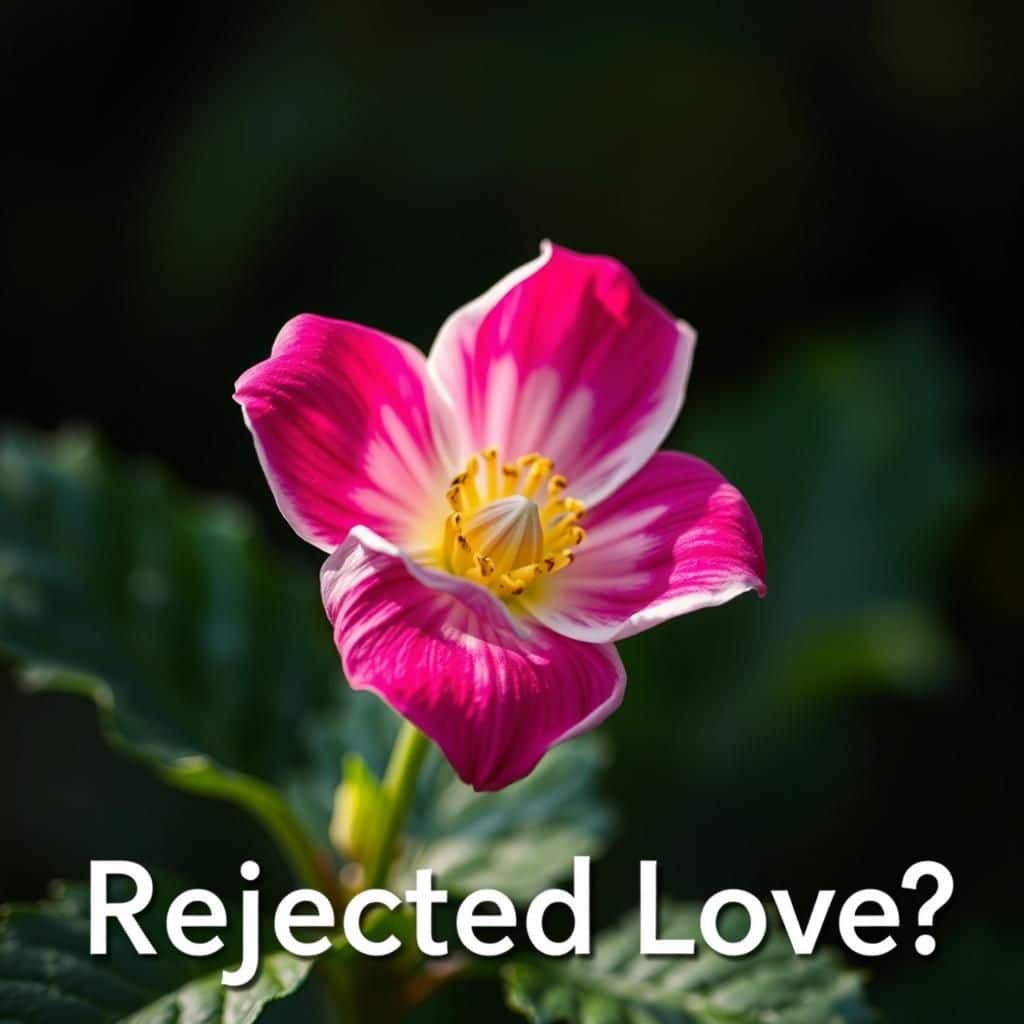
In the realm of floral symbolism, different flowers convey a myriad of emotions and messages. Among these, certain blossoms have long been associated with the poignant theme of rejected love. Understanding the symbolism behind these flowers can provide deeper insights into the complexities of human relationships and the often bittersweet nature of affection unreturned. From the sorrowful beauty of the black rose to the stark representation of the dandelion, each flower carries a unique narrative. This article delves into the flowers that signify rejected love, exploring their meanings and the sentiments they evoke in the context of heartbreak and longing.
Flowers Symbolizing Rejected Love
In the world of floriography—the language of flowers—different blooms hold various meanings. One flower that is often associated with rejected love is the black rose. While a standard red rose typically symbolizes love and passion, the black rose signifies the end of a relationship, sorrow, or the rejection of love. This flower evokes feelings of loss and heartbreak, making it a poignant symbol for unrequited love or the anguish following a rejection.
The Significance of the Black Rose
The black rose carries deep emotional weight, often representing mourning and farewell. In literature and art, it is frequently used to signify the end of a romantic relationship or the pain associated with unreturned affection. The stark color of the black rose stands in stark contrast to the vibrancy of love, underscoring the heartache experienced in these situations. Despite its grim symbolism, it is sometimes used to express a dark form of beauty and complexity in romantic interactions.
Other Flowers Representing Rejection
Besides the black rose, other flowers also symbolize rejected love. For example, the yellow rose, often associated with friendship, can signify the rejection of romantic advances. In certain contexts, it may represent a lack of passion or a relationship that has turned platonic. Similarly, the white lily can symbolize the end of love, particularly when associated with purity and the sadness of lost promises. Each flower's meaning can shift based on cultural contexts and personal interpretations.
Cultural Depictions of Rejected Love
Throughout history, many cultures have used flowers to convey emotions regarding love and rejection. For instance, in the Victorian era, it was commonplace to send flowers with specific meanings to communicate sentiments that were otherwise difficult to express. The use of flowers in this way highlights the power of symbolism and the emotional resonance flowers can have in communicating feelings of rejection and sorrow.
The Role of Color in Flower Symbolism
Color plays a crucial role in the symbolism of flowers, especially concerning rejected love. For example, while red roses signify passionate love, black or even dark purple roses are associated with loss and sadness. The nuances of color can impart different meanings, with black being the most poignant for expressing feelings of rejection. Understanding the significance of flower colors can enhance the message being conveyed in romantic gestures, especially when navigating the complexities of love.
Using Flowers Thoughtfully in Relationships
To navigate the delicate topic of rejected love, it is essential to choose flowers thoughtfully. Sending a black rose or a yellow rose can communicate a clear message about feelings but may also evoke strong emotions. Individuals should consider the recipient's feelings and the context of the relationship when sending such flowers. A careful selection can either soften the blow of rejection or convey a deeper understanding of the complexities of love.
| Flower | Symbolism |
|---|---|
| Black Rose | End of love, sorrow |
| Yellow Rose | Friendship, rejection of romance |
| White Lily | Purity, lost promises |
What flower represents rejection?
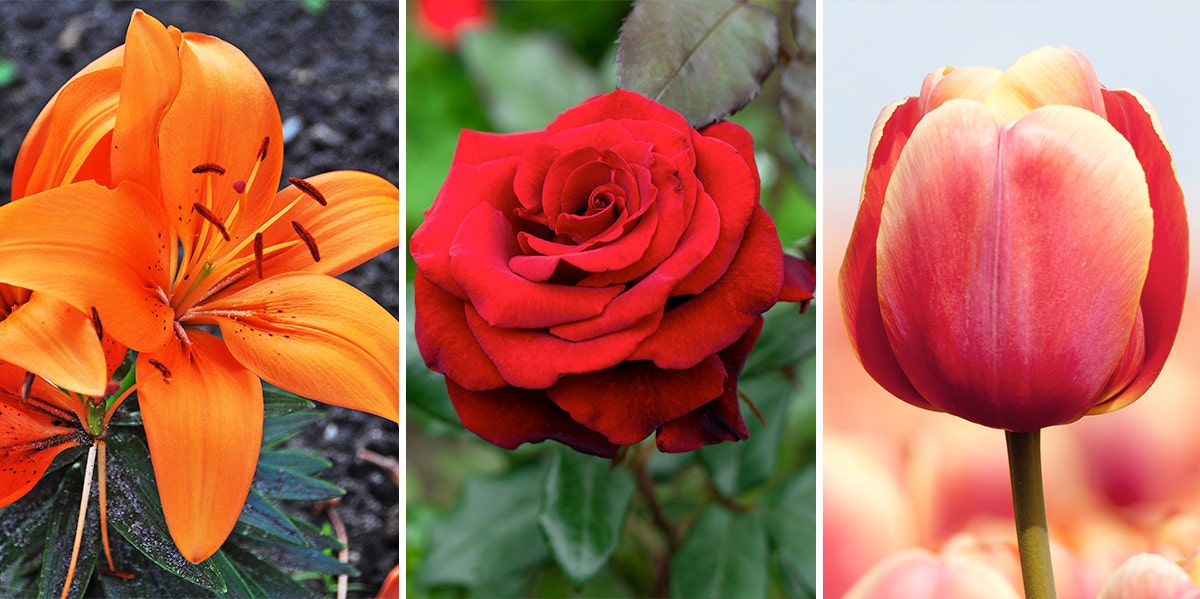
The flower that is commonly associated with rejection is the carnation. Specifically, a yellow carnation symbolizes disdain, rejection, or disappointment in romantic relationships. This flower is often used to convey feelings of sorrow or sadness when a relationship does not succeed or when someone wishes to express their unwillingness to reciprocate feelings of love.
Symbolism of the Yellow Carnation
The yellow carnation has a rich history in floral symbolism. It is often linked to feelings of disappointment and rejection. Unlike its red counterpart, which represents deep love and affection, the yellow carnation serves as a reminder of unrequited love or feelings that are not returned. These meanings have made it widely recognized in various cultural contexts.
- Disdain: A clear representation of feelings of disdain towards someone.
- Unrequited Love: Often given when love is not reciprocated.
- Sadness: Symbolizes the sorrow that comes with rejection.
Historical Context of Carnations
Carnations have been used throughout history as a means of conveying specific emotions. With origins tracing back to ancient Rome and Greece, these flowers have been associated with various meanings depending on their color. The yellow carnation gained recognition in Victorian times, where it was used to communicate feelings deemed unsuitable for direct expression.
- Victorian Era: During this time, flowers were used to send coded messages.
- Symbol of Rejection: Became a popular symbol to express denial or reluctance.
- Art and Literature: Frequently referenced in art to denote complex emotions.
Alternative Flowers Representing Rejection
Although the yellow carnation is the most recognized flower for rejection, other flowers also carry similar connotations. Flowers such as the black rose and the lily can symbolize feelings of loss or rejection. These alternatives provide a variety of ways to convey similar emotions when the occasion arises.
- Black Rose: Represents the end of love and signifies rejection.
- Lily: Particularly the calla lily, can symbolize purity yet also indicate absence.
- Geranium: Sometimes associated with folly and foolishness, can imply rejection of foolish feelings.
Using the Yellow Carnation in Floral Arrangements
When employing the yellow carnation in floral arrangements, it is important to consider the context and the message being conveyed. Arrangements with yellow carnations can denote a variety of emotions and are often used in settings where disappointment or rejection is to be expressed. Their vibrant hue can also signify a reminder to move on.
See also:
- Context Matters: Ensure the recipient understands the meaning behind the flower.
- Combination with Other Flowers: Pair with other flowers to soften the message.
- Occasion Specific: Use during farewells or breakups for a clear message.
Cultural Interpretations of Flowers and Rejection
Different cultures interpret flowers and their meanings through unique lenses. In some cultures, the yellow carnation might hold additional meanings beyond rejection, providing insights into societal views on love and loss. Understanding how flowers are perceived across cultures can enhance how they are utilized in relationship contexts.
- Variations Across Cultures: Different countries may have distinct interpretations.
- Color Significance: The color of a flower can change its perceived meaning.
- Tradition and Ritual: Cultural practices often dictate how flowers are chosen for specific occasions.
Which flower symbolizes incomplete love?
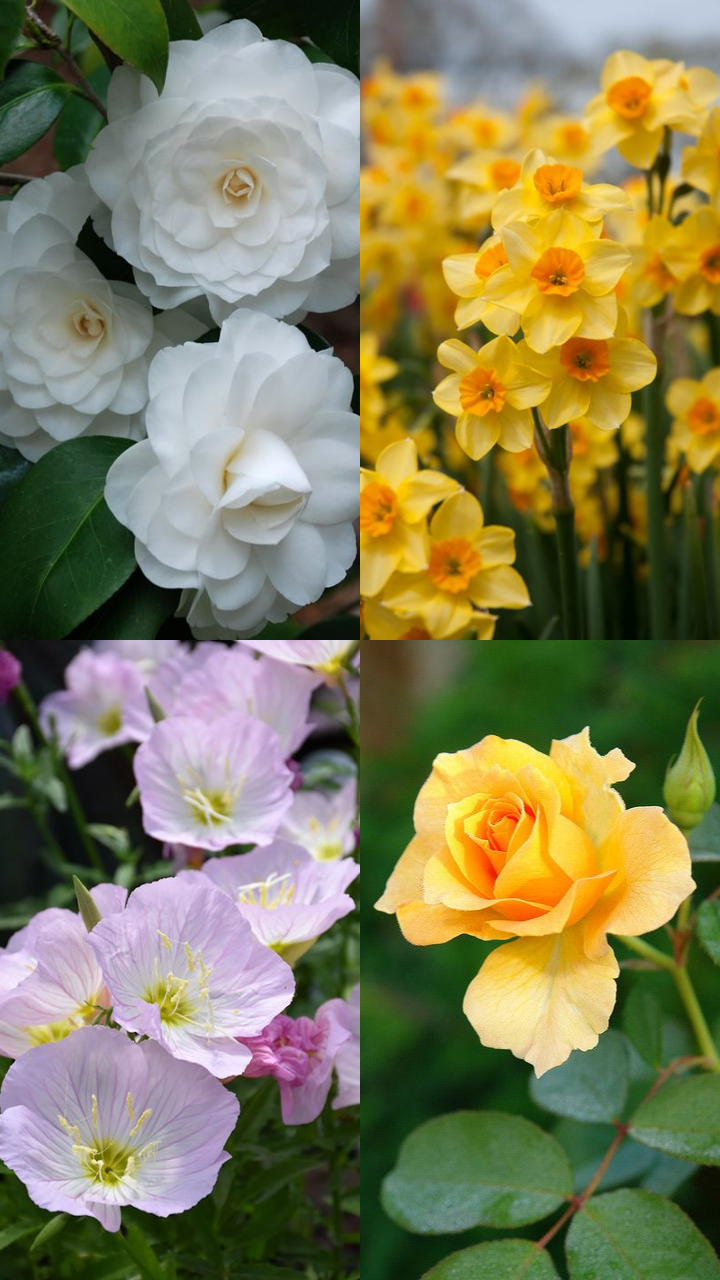
The flower that symbolizes incomplete love is the yellow rose. Unlike red roses, which are generally associated with deep love and romance, yellow roses convey feelings that are more complex. They can represent friendship, joy, and warmth, but in the context of incomplete love, they symbolize feelings that are not fully realized or reciprocated. This flower captures the essence of affection that may lack the deep emotional commitment found in more classic love symbols. The yellow hue can reflect both the beauty of the feelings involved and the underlying heartache of unreciprocated or unfinished love stories.
The Symbolism of Yellow Roses
Yellow roses are often associated with joy and friendship, but they can also indicate a sense of love that is yet to blossom entirely. The color yellow embodies happiness and warmth, making it ideal for celebrating friendships but not necessarily romantic love. Thus, when given in the context of incomplete love, it sends a nuanced message of affection without the depth of commitment, highlighting the complexity of human emotions.
- Representations of unreciprocated feelings
- Communicating affection without romantic intent
- Indicating a desire for deeper connection
The Color Psychology of Yellow
The psychology behind the color yellow suggests that it is often associated with optimism and energy. However, these same qualities can highlight the fragility of feelings that are not fully developed or reciprocated. In the spectrum of emotions, yellow can represent the hope that one day these incomplete feelings could mature into something more profound, yet it may also serve as a reminder of what remains unfulfilled.
- The uplifting nature of yellow
- Potential for emotional growth
- Hope for future possibilities
Other Flowers That Represent Incomplete Love
While the yellow rose is the most prominent symbol of incomplete love, other flowers also convey similar meanings. Flowers like the daisy and geranium can symbolize innocence and unresolved feelings, respectively. Each flower carries with it unique characteristics that may resonate with individuals navigating the complexities of love that remains unfulfilled or that has yet to reach its full potential.
- Daisy: Symbolizing innocent love
- Geranium: Associated with unresolved emotions
- Other flowers that may stand for incomplete feelings
Gift-Giving and Incomplete Love
When it comes to gift-giving, choosing a flower such as the yellow rose can communicate complicated feelings effectively. Whether it's a friend with whom one feels a deeper connection or someone who has not fully reciprocated love, gifting a yellow rose serves as a gentle reminder of those feelings. It reflects appreciation and warmth while acknowledging that there may be obstacles in the way of deeper intimate connections.
- Expressing feelings without overwhelming pressure
- Creating space for conversation about emotions
- Fostering an environment for emotional clarity
Literary References to Incomplete Love
Various works of literature have explored the concept of love that is partially realized or incomplete. Yellow roses often appear in these narratives to signify the pain and beauty of affection that cannot fully flourish. Both poets and novelists have long used flowers as metaphors for love and longing, making them rich symbols in their explorations of human relationships.
- Poetic symbolism in literature
- Characterizations of unfulfilled love stories
- Use of flowers as consistent metaphors
What flower represents forgotten love?

The flower that represents forgotten love is the forget-me-not. This delicate blue flower has a rich history and is associated with themes of remembrance and nostalgia. The name forget-me-not itself signifies the desire to be remembered and serves as a poignant reminder of love that has faded or been lost over time. The flower's beauty and fragility evoke deep emotions connected to cherished memories of past relationships.
Historical Significance of Forget-Me-Nots
The forget-me-not has a long-standing significance in various cultures. Its origins can be traced back to medieval times, where it was often linked to romantic legends and tales of love. This flower is frequently mentioned in literature, connecting it to themes of remembrance and longing. Over centuries, forget-me-nots have been used to express sentiments toward lost loves, showcasing their emotional weight.
- Symbol of enduring love
- Historical references in poetry
- Connection with legends and myths
Forget-Me-Not in Different Cultures
Various cultures have adopted the forget-me-not as a symbol of eternal love and memory. In German folklore, it is said that if a man forgets his partner, the flower will remind him of her. In many Eastern European traditions, forget-me-nots symbolize faithfulness and loyalty, emphasizing the importance of remembering those dear to us even after they are gone.
- German folklore and romantic tales
- Symbolism in Eastern European cultures
- Modern interpretations across cultures
Use of Forget-Me-Nots in Literature and Art
Forget-me-nots have frequently appeared in literature and art, often symbolizing love lost or memories cherished. Authors and poets have utilized these flowers as metaphors to convey feelings of longing and remembrance. Artists have captured the beauty of forget-me-nots, incorporating them into their works to evoke emotions tied to love and loss.
See also:
- Poets referencing forget-me-nots
- Artistic representations in history
- Modern literary works featuring the flower
Forget-Me-Nots in Modern Usage
Today, forget-me-nots are used not only in personal gardens but also in events such as weddings and memorials. They serve as a poignant symbol of unending love and serve to honor the memories of those who have passed away. Their blue hue and delicate structure continue to resonate with people looking to express complex emotions tied to forgetting and remembering.
- Significance in weddings and memorials
- Gift-giving and sentimental values
- Incorporation into various celebrations
Growing Forget-Me-Nots
Cultivating forget-me-nots can be a beautiful way to remember someone and acknowledge forgotten love. These flowers are relatively easy to grow and thrive in various conditions. They bloom in spring and early summer, lending their striking blue color to gardens and outdoor spaces. Planting forget-me-nots can create a living memory, offering a beautiful reminder of love that once was.
- Ideal growing conditions
- Care and maintenance tips
- Cultivating them as a personal tribute
What flower means broken love?
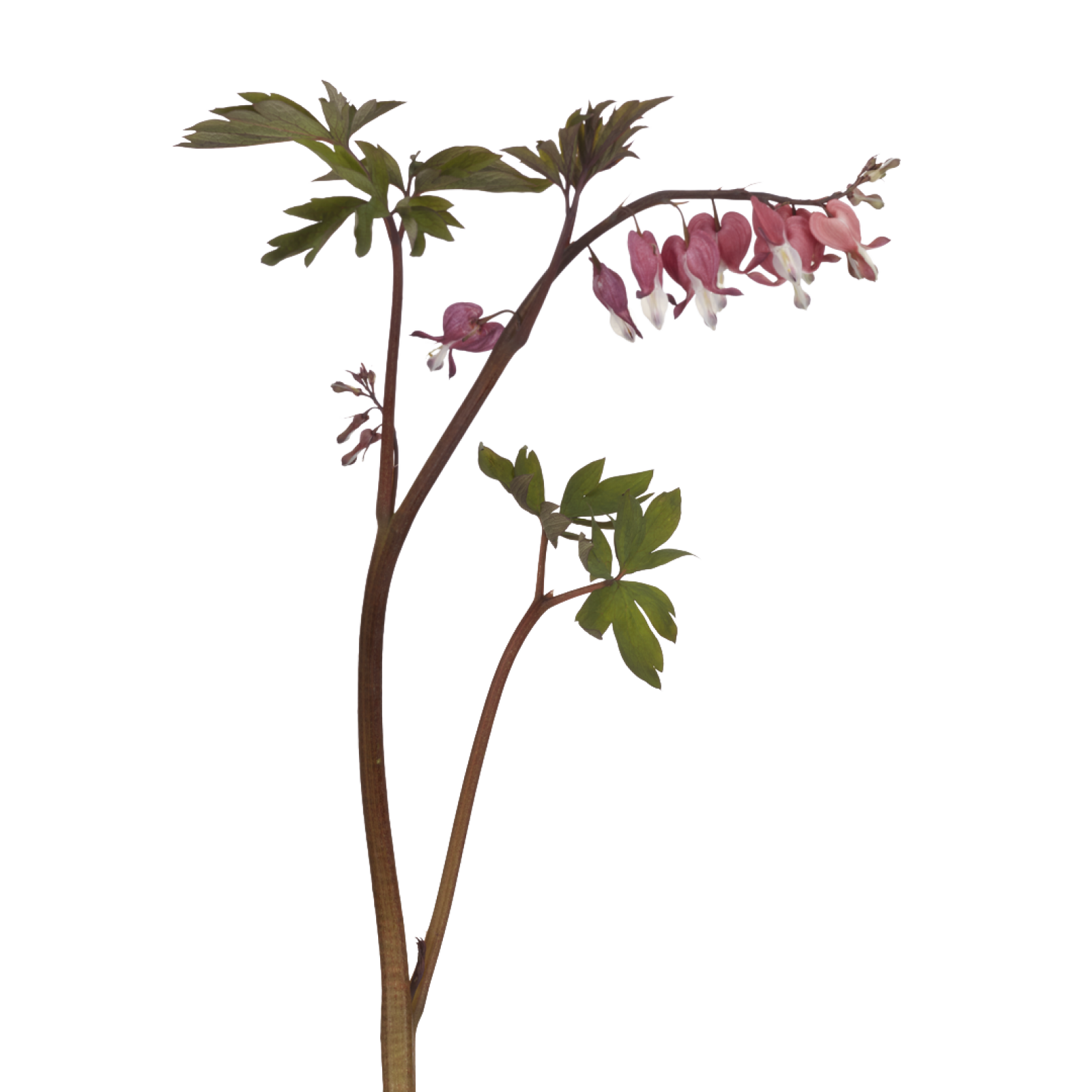
The flower that is most commonly associated with broken love is the black rose. This bloom symbolizes deep grief, mourning, and the end of a relationship. While black roses do not occur naturally, they are often created through dyeing other roses, and their symbolism can vary from a representation of death to unrequited love. Their dark beauty resonates with feelings of loss and despair, making them a fitting choice to express heartbreak.
Black Roses and Their Symbolism
The black rose is often a hybrid flower that represents various emotions associated with loss. It transcends simple aesthetics, delving into deeper meanings that resonate with personal experiences of love that has come to an end.
- Mourning: Black roses symbolize the grieving process, indicating a significant emotional loss.
- Closure: They also represent the end of a chapter in life, signifying a stark transition or conclusion in relationships.
- Unrequited Love: This flower can represent feelings of despair over love that was not reciprocated.
Other Flowers Representing Broken Love
While the black rose is a prominent symbol, other flowers also convey sentiments of broken love. Each flower carries its own significance and emotional weight for individuals navigating heartbreak.
- Forget-Me-Nots: These delicate flowers symbolize remembrance and can indicate a deep longing for lost love.
- Lilies: Often associated with funerals, lilies can signify the end of love and the mourning that follows.
- Yellow Roses: Traditionally symbolizing friendship, yellow roses can represent love that has transitioned into sorrow and a diminished connection.
The Cultural Significance of Flowers in Expressing Love
Flowers have long played a pivotal role in expressing emotions, including heartbreak. Different cultures ascribe various meanings to flora, impacting how individuals communicate feelings of broken love.
- Historical Context: Throughout history, flowers have been a means of communication, especially during times when direct expression of emotion was discouraged.
- Cultural Interpretations: Different cultures interpret flower meanings differently, which can affect how broken love is perceived through flowers.
- Personal Symbolism: Often, individuals attach personal stories or meanings to specific flowers, intensifying their emotional resonance.
Giving Flowers to Express Heartbreak
Giving flowers can be a powerful gesture to communicate feelings related to broken love. Choosing the right flower can convey sentiments that words might not fully express.
- Empathy: Presenting flowers like black roses can show empathy toward someone dealing with heartbreak and convey understanding.
- Support: Flowers serve as a tangible representation of support and love during difficult times.
- Memorializing Love: They can also serve as a way to memorialize a past relationship, acknowledging the good times that were shared.
Creative Ways to Utilize Flowers for Healing
Flowers can aid in the healing process after a broken love, serving as reminders of the past while encouraging individuals to move forward.
- Therapeutic Arrangements: Creating flower arrangements can be a therapeutic activity that helps process emotions of loss.
- Memorial Gardens: Planting flowers in memory of a relationship can create a personal sanctuary for reflection and healing.
- Artistic Expression: Using flowers in art or photography can help individuals express their feelings related to love and loss creatively.
Questions from Our Readers
What flower symbolizes rejected love?
The flower that typically symbolizes rejected love is the yellow rose. Unlike the red rose, which represents deep love and passion, the yellow rose conveys feelings of friendship and can also indicate a sense of loss or betrayal in a romantic context.
Are there other flowers that represent rejection?
Yes, aside from yellow roses, other flowers such as white lilies and daisies often represent purity and innocence, but in certain contexts, they can also imply a sense of unrequited love or rejection from a romantic partner.
What colors of roses signify different meanings in love?
Roses come in a variety of colors, each symbolizing different meanings: red roses signify love and passion, pink roses express admiration, while yellow roses convey friendship and can symbolize rejection. Additionally, white roses often represent innocence and new beginnings, which can touch upon themes of lost love when given after a breakup.
Can the perception of flowers change with context?
Absolutely, the meaning of flowers can vary greatly depending on the context in which they are given. For example, while a yellow rose may indicate friendship, it can also be perceived as a sign of rejection if given in a romantic situation where feelings are not reciprocated. Thus, the recipient's perspective plays a crucial role in how these flowers are interpreted.
See also:

If you want to read more articles like Understanding the Symbolism: What Flower Means Rejected Love?, we recommend you check out our Flowers category.
Leave a Reply
Related Articles