Do Echinacea Like a Lot of Water? Essential Care Tips for Thriving Plants

Echinacea, commonly known as coneflower, is a resilient and vibrant addition to any garden. However, understanding its water needs is crucial for ensuring robust growth and flowering. While these perennial plants are drought-tolerant to some extent, they thrive best with the right balance of moisture. In this article, we will explore how much water Echinacea truly requires, the signs of overwatering or underwatering, and essential care tips to help your plants flourish. Whether you’re an experienced gardener or a novice, mastering the watering needs of Echinacea will enhance your gardening success and promote a beautiful landscape.
Do Echinacea Plants Require a Lot of Water?
Echinacea, commonly known as coneflower, is a drought-tolerant plant that does not require excessive amounts of water to thrive. These hardy perennials are well adapted to withstand dry conditions and prefer well-drained soil. Overwatering can lead to root rot and other issues, so it's essential to maintain a balanced watering schedule. Ideally, Echinacea benefits from watering when the top inch of soil feels dry, allowing the plant to develop deep roots that can access moisture from deeper soil layers. In general, moderate watering aligns with their natural habitat, which experiences fluctuations in rainfall.
Watering Needs of Echinacea
Echinacea plants typically require moderate watering, especially during their initial growth phase. Once established, these plants are able to endure dry spells and require less frequent watering. During the warmer months, it is advisable to water them when the soil feels dry to the touch. However, it’s essential to avoid creating a soggy environment that can damage the plants. Understanding the appropriate watering schedule is key to keeping Echinacea healthy and vibrant.
Signs of Overwatering
Overwatering Echinacea can lead to several issues, including root rot and wilting. Common signs of overwatering include yellowing leaves, mushy stems, and a general decline in plant health. If you notice these symptoms, it's important to inspect the soil moisture levels and consider allowing the soil to dry out more between waterings. Ensuring proper drainage is crucial to preventing water accumulation around the roots, which can ultimately harm the plant.
Ideal Soil Conditions for Echinacea
Echinacea prefers well-drained soils that allow for proper aeration. Sandy or loamy soils are best, as they help prevent the retention of excess moisture. A soil pH between 6.0 and 7.0 is ideal for growth. Incorporating organic matter can improve soil texture and nutrient availability, aiding in the plant's overall health. Avoiding heavy clay soils with poor drainage is essential, as these conditions can exacerbate the risks associated with overwatering.
Seasonal Watering Tips
During the spring and summer, when Echinacea is actively growing, it may require more frequent watering to support healthy growth and blooming. In late summer to early fall, as the plants begin to prepare for dormancy, watering can be reduced. Adapting your watering practices to the seasonal needs of Echinacea helps ensure optimal health and blooming potential while preventing potential water-related issues during their different growth stages.
Best Practices for Watering Echinacea
To effectively water Echinacea, it's recommended to use a soaker hose or drip irrigation, which delivers moisture directly to the soil and reduces water waste. Watering early in the morning allows the soil to absorb moisture before the heat of the day. Additionally, mulching around the base of the plants can help retain soil moisture and regulate temperature. Monitoring weather conditions can also inform when to adjust your watering routine, ensuring your Echinacea gets the right amount of hydration without risk of overwatering.
| Watering Condition | Action Required |
|---|---|
| Soil dry to the touch | Water moderately |
| Yellowing leaves | Reduce watering |
| Mushy stems | Increase drainage |
| Healthy new growth | Maintain current watering routine |
| Hot summer days | Check soil moisture more frequently |
How do you encourage Echinacea to spread?


To encourage Echinacea to spread, gardeners and plant enthusiasts can adopt various strategies that enhance both the natural growth of the plant and its ability to regenerate in the garden. Echinacea, commonly known as coneflower, is a hardy perennial that thrives in various conditions. Here are some effective methods to promote its spread:
Choose the Right Location
Selecting an appropriate planting site is crucial for the health and spread of Echinacea. It prefers full sun and well-drained soil, which allow it to flourish and produce seeds efficiently.
- Plant in an area that receives at least 6 to 8 hours of sunlight daily.
- Ensure the soil is well-draining to prevent root rot.
- Avoid areas with excessive shade or waterlogged conditions.
Utilize Division Techniques
Dividing Echinacea plants every few years can significantly enhance their spread. This method involves separating established plants into smaller sections, which can then be replanted in other areas of the garden.
- Wait until early spring or late fall when the plant is dormant.
- Carefully dig around the base and lift the plant from the ground.
- Use a sharp spade to divide the roots into sections, each containing some stem and healthy roots.
Encourage Self-Seeding
Echinacea naturally self-seeds, meaning it can produce new plants from its own seeds. To encourage this process, it is beneficial to let the flower heads remain on the plant until they dry out.
- Do not deadhead the flowers; allow them to mature and produce seeds.
- When seeds are dry, they can scatter naturally, promoting new growth in the surrounding area.
- Designate areas for seedlings to grow without interference from other plants.
Promote Healthy Soil
Healthy soil contributes to a thriving Echinacea population. It's essential to maintain soil quality through regular amendments and testing.
- Incorporate organic matter such as compost to enhance soil fertility.
- Test the soil pH and amend it to fall within the range of 6.0 to 7.0.
- Regularly check for nutrients, ensuring that the soil supports robust Echinacea growth.
Implement Companion Planting
Companion planting can create a supportive ecosystem that allows Echinacea to flourish. By planting it alongside compatible species, you can enhance its growth and spread.
- Pair Echinacea with plants like black-eyed Susans or milkweed, which attract beneficial insects.
- These companion plants can improve soil health and increase biodiversity in the garden.
- Ensure there is enough space between plants to promote air circulation and reduce competition for nutrients.
Why is my Echinacea not thriving?
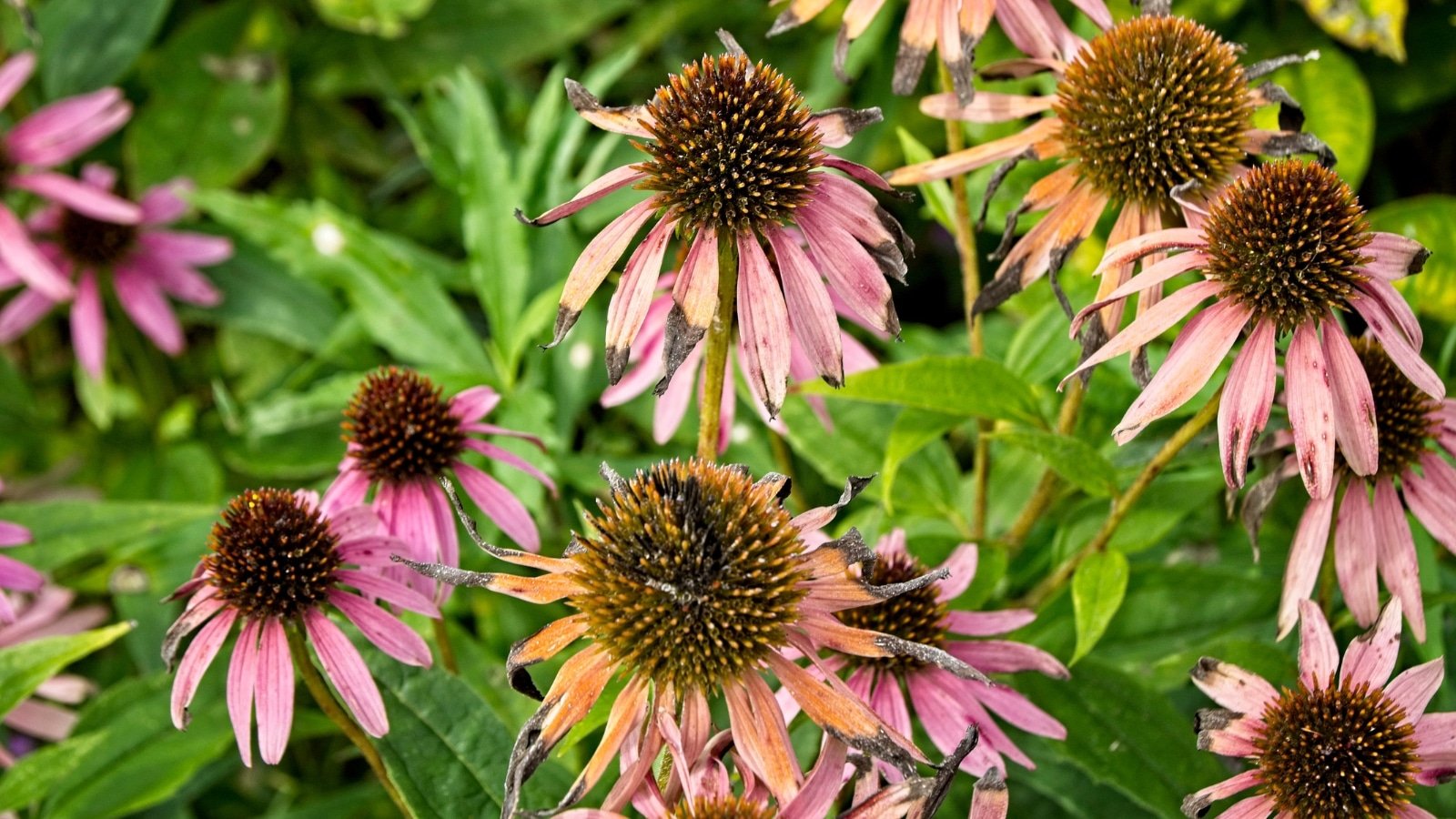
There are several reasons why your Echinacea might not be thriving. This perennial herb, prized for its medicinal properties and vibrant flowers, requires specific conditions and care to flourish. Here are some common factors that can impact its growth:
See also:
Soil Quality
The quality of the soil is crucial for the success of Echinacea. Poor soil can lead to inadequate nutrients and poor drainage.
- Drainage: Echinacea thrives in well-drained soil. Heavy, compacted, or clay soils can retain excess moisture, leading to root rot.
- Nutrients: It requires soil rich in organic matter. Incorporating compost can enhance nutrient availability.
- pH Levels: The ideal pH for Echinacea ranges from 6.0 to 7.0. Testing your soil can help identify any imbalances.
Watering Practices
Watering plays a significant role in the health of Echinacea. Both overwatering and underwatering can hinder its growth.
- Consistency: Echinacea prefers consistent moisture, especially during the growing season, but should not be waterlogged.
- Signs of Stress: Yellowing leaves can indicate overwatering; drooping leaves may suggest underwatering.
- Watering Method: Water at the base of the plant to avoid wetting the foliage, which can lead to fungal diseases.
Sunlight Requirements
Echinacea is a sun-loving plant that flourishes in full sunlight. Insufficient light can impede its growth.
- Positioning: Ensure Echinacea receives at least 6-8 hours of direct sunlight daily for optimum growth.
- Partial Shade: While Echinacea can tolerate partial shade, too much shade can result in weak, leggy plants.
- Seasonal Changes: Monitor how seasonal variations affect sunlight exposure, particularly in winter.
Pests and Diseases
Echinacea can be susceptible to various pests and diseases that can affect its health and vigor.
- Pests: Look out for aphids, spider mites, and root nematodes that may weaken the plant’s structure.
- Diseases: Fungal infections like powdery mildew can occur in humid conditions; proper spacing and airflow are essential to prevention.
- Management: Early detection and organic pest control methods can help mitigate the impact of these threats.
Fertilization Practices
Proper fertilization is important to ensure that Echinacea has all the necessary nutrients for growth.
- Types of Fertilizer: Use a balanced, slow-release fertilizer to provide a steady supply of nutrients without overwhelming the plant.
- Timing: Fertilize in early spring and possibly again in mid-summer to support blooming.
- Over-fertilization: Avoid excessive fertilization, as it can lead to lush foliage but fewer flowers and may decrease the plant’s resilience.
Questions from Our Readers
Do echinacea plants need a lot of water?
Echinacea plants generally prefer well-drained soil and do not require a lot of water. They are more tolerant of drought conditions than excessive moisture, so it’s important to water them only when the soil is dry to the touch.
How often should I water my echinacea?
Typically, you should water your echinacea plants once a week during the growing season, but this may vary depending on your climate and soil conditions. Always check the soil moisture level before watering to avoid overwatering.
What happens if echinacea gets too much water?
If echinacea receives too much water, it can lead to problems like root rot and fungal diseases. It’s crucial to ensure proper drainage and avoid leaving the roots sitting in stagnant water.
See also:
Can echinacea survive in dry conditions?
Yes, echinacea is well-suited to survive in dry conditions once established. These plants are native to prairies and have adapted to tolerate periods of drought, making them resilient in less watered environments.

If you want to read more articles like Do Echinacea Like a Lot of Water? Essential Care Tips for Thriving Plants, we recommend you check out our Echinacea category.
Leave a Reply
Related Articles