Is Echinacea Good for the Garden? Benefits and Tips for Gardeners
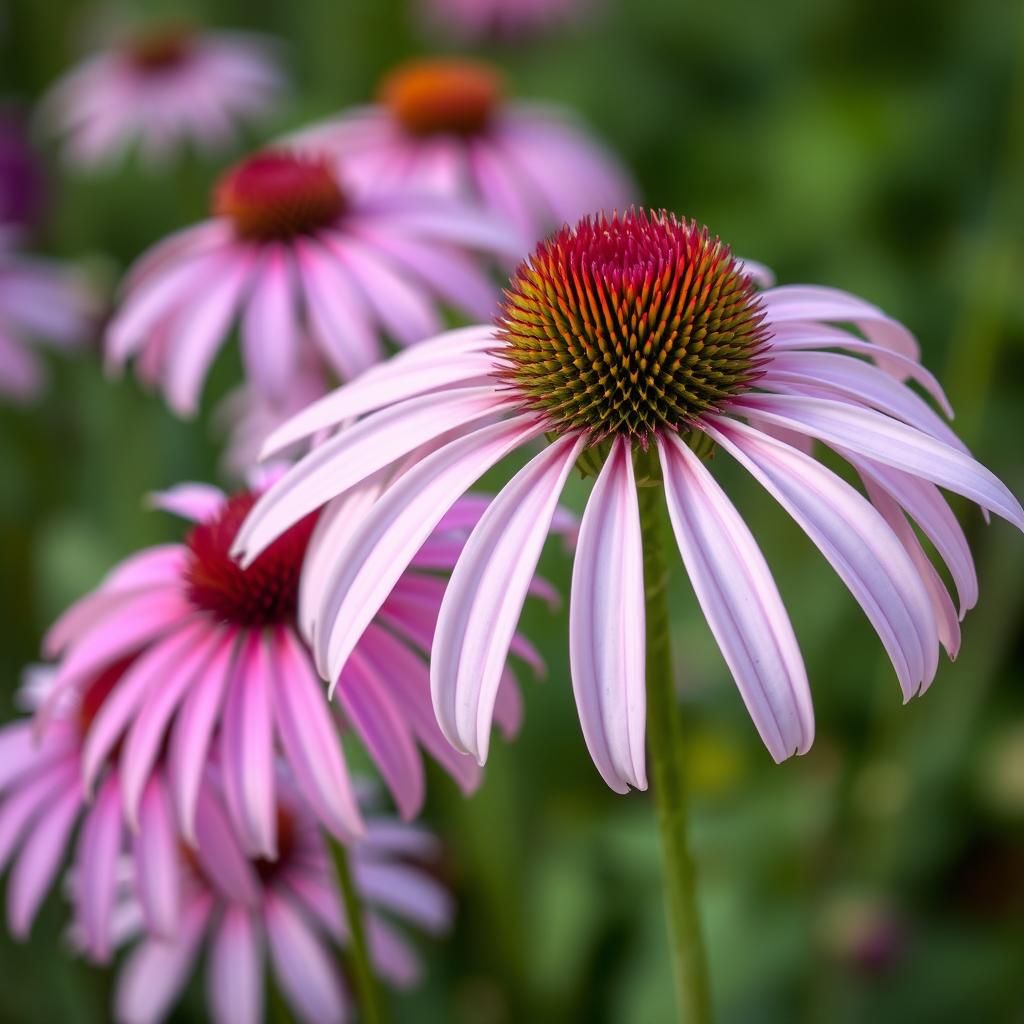
Echinacea, commonly known as coneflower, is not only a stunning addition to any garden but also offers a multitude of benefits for gardeners. Renowned for its vibrant blooms and hardiness, this perennial plant attracts pollinators while providing medicinal properties that can enhance overall garden health. In this article, we will explore the various advantages of incorporating Echinacea into your garden, from its resilience to pests and diseases to its ability to improve soil quality. We will also provide practical tips for successfully growing and maintaining Echinacea, ensuring that both new and experienced gardeners can reap its many rewards.
Is Echinacea Good for the Garden?
Echinacea, commonly known as coneflower, is not only a stunning addition to any garden but also offers various benefits for the overall health of the garden ecosystem. This perennial plant is renowned for its vibrant flowers that attract pollinators such as bees and butterflies, which play crucial roles in plant reproduction. Echinacea is also drought-resistant, making it a low-maintenance choice for gardeners looking to conserve water. Additionally, its ability to thrive in poor soil conditions can improve the overall soil health by preventing erosion and allowing other plants to flourish in its presence. By incorporating Echinacea into your garden, you contribute to a biodiverse environment while enhancing the aesthetic appeal of your landscape.
Benefits of Echinacea for Pollinators
Echinacea is particularly valuable in attracting beneficial pollinators like bees and butterflies, which are essential for the reproduction of flowering plants. These insects are drawn to Echinacea's nectar-rich flowers, providing a reliable food source during their active seasons. By planting Echinacea, gardeners can create a pollinator-friendly environment that supports the lifecycle of these important species while enhancing the overall productivity of the garden.
Drought Resistance and Low Maintenance
One of the standout features of Echinacea is its remarkable drought resistance. This plant is well-adapted to survive in various weather conditions and requires minimal watering once established. This quality not only makes Echinacea a practical choice for busy gardeners but also contributes to more sustainable gardening practices by reducing water usage. Furthermore, its low-maintenance nature means that once planted, Echinacea can thrive with little intervention, allowing garden enthusiasts to enjoy its beauty without extensive upkeep.
Soil Improvement and Erosion Control
Echinacea can play a significant role in improving soil health due to its ability to thrive even in poor soil conditions. Its extensive root system promotes nutrient uptake and prevents erosion, which is particularly beneficial in areas prone to soil degradation. Additionally, as Echinacea grows, it can help to create a microhabitat for beneficial organisms within the soil, further contributing to a healthy gardening ecosystem.
Companion Planting with Echinacea
Echinacea is an excellent choice for companion planting, as it pairs well with various garden plants. By planting Echinacea near other flowers and vegetables, gardeners can enhance the overall biodiversity of their plot and potentially deter pests. The presence of Echinacea may help to improve the health of surrounding plants by attracting beneficial insects and increasing overall pollination, making it a strategic addition to any garden layout.
Medicinal Uses of Echinacea
Beyond its ornamental value, Echinacea has been used for centuries in traditional medicine for its immune-boosting properties. The various parts of the plant, including the roots and leaves, are believed to stimulate the immune system and combat infections. While its medicinal benefits are primarily recognized in herbal remedies, having Echinacea in the garden allows for easy access to this powerful plant for those interested in natural healing.
| Feature | Benefit |
|---|---|
| Attracts Pollinators | Supports garden biodiversity |
| Drought Resistant | Minimal watering needed |
| Improves Soil Health | Prevents erosion and promotes nutrients |
| Companion Planting | Enhances growth of nearby plants |
| Medicinal Uses | Boosts immune system health |
Is Echinacea good in vegetable garden?


Echinacea, commonly known as coneflower, is not only a visually appealing plant but also has potential benefits when included in a vegetable garden. Its medicinal properties, ability to attract pollinators, and its compatibility with various crops make it a valuable addition to vegetable gardening.
Benefits of Echinacea in Vegetable Gardens
Echinacea offers several benefits that can enhance the environment of a vegetable garden:
- Pest control: Echinacea can help deter certain pests, potentially reducing the need for chemical pesticides.
- Medicinal uses: The plant is known for its immune-boosting properties, allowing gardeners to utilize its leaves and flowers for herbal remedies.
- Attracting pollinators: Echinacea flowers attract bees and butterflies, which can improve pollination for nearby vegetable plants.
How to Incorporate Echinacea in Your Vegetable Garden
To successfully integrate Echinacea into your vegetable garden, consider the following:
- Plant location: Choose a spot in your garden that receives full sunlight to promote healthy growth.
- Spacing: Echinacea can grow quite tall; ensure adequate spacing to avoid overshadowing shorter vegetable plants.
- Soil requirements: Ensure the soil is well-draining and rich in organic matter to support robust growth.
Companion Planting with Echinacea
Echinacea is an excellent companion plant for various vegetables due to its supportive properties:
- Tomatoes: Echinacea can repel pests that typically harm tomatoes, offering a natural defensive barrier.
- Peppers: These two plants have similar water and light needs, promoting optimal growth when planted together.
- Carrots: Their different root systems allow them to thrive together without competing for nutrients.
Potential Challenges of Growing Echinacea
While Echinacea has many benefits, there are potential challenges to consider:
- Space consumption: Echinacea can take up significant space; careful planning is needed to ensure efficient use of garden space.
- Maintenance: Although relatively low maintenance, Echinacea still requires occasional deadheading and division to maintain its health.
- Climate considerations: Ensure that the specific variety of Echinacea suits your local climate conditions for successful growth.
Harvesting and Using Echinacea from the Garden
Once you have successfully grown Echinacea, you may want to harvest and use it:
- Timing: Harvest Echinacea flowers in late summer when they are fully open for maximum potency.
- Methods: Dry the flowers and leaves to create teas or tinctures for herbal remedies.
- Storage: Store dried Echinacea in an airtight container away from direct sunlight to preserve its medicinal properties.
What plants need Echinacea?
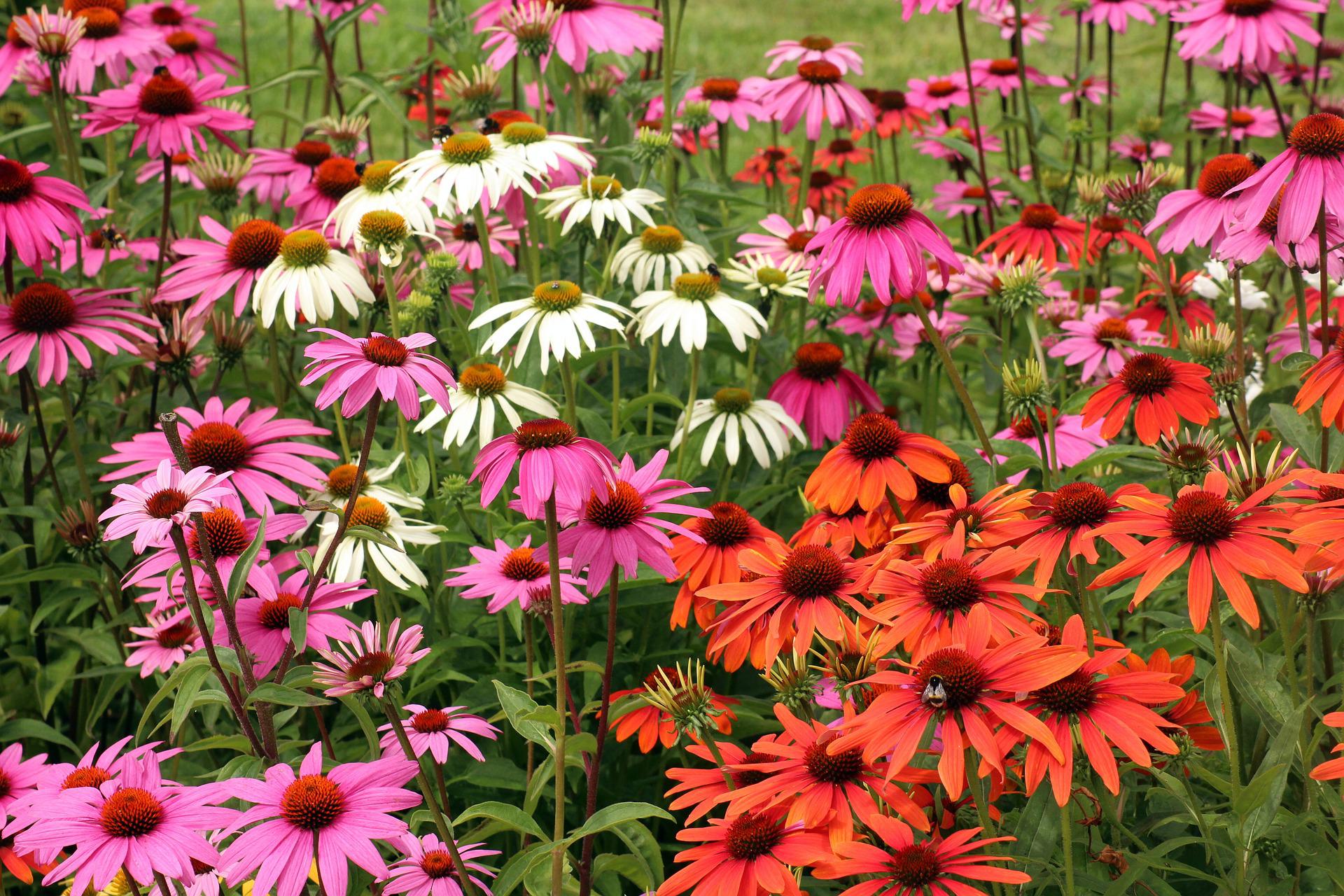
Echinacea, commonly known as coneflower, is a group of flowering plants in the daisy family. Known for its medicinal properties, particularly in enhancing the immune system, it is also beneficial to various plants and ecosystems. Below are the specific plants and species that require or benefit from Echinacea:
See also:
1. Pollinator-Friendly Plants
Echinacea plays a crucial role in attracting various pollinators, such as bees and butterflies. By integrating Echinacea with other pollinator-friendly plants, it enriches the habitat and provides nectar.
- Rudbeckia (Black-eyed Susan): Similar blooming periods help attract similar pollinators.
- Lavender: Both plants can draw in honeybees, making them complementary in any garden.
- Joe-Pye Weed: This tall perennial provides additional shelter and nectar for butterflies and other insects.
2. Companion Plants for Echinacea
Certain plants can thrive alongside Echinacea, making them ideal companions. These plants not only enhance the aesthetic but can also improve growth conditions.
- Catmint: This plant’s ability to repel pests works synergistically with Echinacea, promoting a healthier growing environment.
- Daylilies: Their adaptability and minimal care requirements make them suitable companions that don’t compete for nutrients.
- Coreopsis: This flowering plant shares similar needs for sunlight and well-drained soil, making it an excellent neighbor.
3. Medicinal Garden Plants
Echinacea is renowned for its medicinal properties, and surrounding it with other medicinal herbs boosts its effects. These plants can be harvested for their therapeutic benefits, creating a medicinal garden.
- Thyme: Known for its antiseptic properties, it can complement the immune-boosting effects of Echinacea.
- Chamomile: This herb offers calming benefits and can synergize with Echinacea in herbal remedies.
- Mint: Utilizing mint in proximity aids in pest control while providing its own medicinal values.
4. Native Plant Communities
Echinacea is often found in native plant communities, supporting local ecosystems. Planting it alongside native species contributes to ecological restoration and promotes biodiversity.
- Goldenrod: This native plant is beneficial for local fauna and attracts various insects.
- Sedum: Provides ground cover, retaining soil nutrients while complementing Echinacea’s flowering phase.
- Wild Bergamot: Attracts pollinators and contributes to the overall health of the local ecosystem.
5. Ornamental Plants for Landscaping
In landscaping, Echinacea can be integrated with ornamental plants to create visually appealing environments while providing ecological benefits.
- Salvia: Its tall spikes offer beautiful contrast while attracting pollinators.
- Astilbe: The feathery plumes of Astilbe can create layers in the garden, showcasing Echinacea's vibrant flowers.
- Phlox: This vibrant flowering plant also attracts butterflies and can be matched with Echinacea for a striking floral display.
Questions from Our Readers
Is Echinacea beneficial for attracting pollinators?
Yes, Echinacea is highly beneficial for attracting pollinators like bees and butterflies to your garden. The vibrant flowers produce nectar and pollen, making them a popular choice for supporting local ecosystems and enhancing the overall biodiversity in your garden.
Can Echinacea help improve soil quality?
Echinacea has a deep root system that can help stabilize soil and improve its quality over time. By planting Echinacea, you can contribute to reducing erosion and increasing the nutrient content of the soil, benefiting other plants in the garden.
Is Echinacea disease-resistant?
Echinacea is generally considered disease-resistant, making it a hardy plant that can thrive in various conditions. However, it is still essential to provide adequate care and monitor for common pests to ensure that your plants remain healthy and productive.
See also:
Does Echinacea require a lot of maintenance?
Echinacea is relatively low-maintenance, requiring minimal care once established. Regular deadheading can promote more blooms, and occasional watering during drought periods helps maintain healthy growth. Overall, it's a great option for gardeners looking for plants that don't demand extensive attention.

If you want to read more articles like Is Echinacea Good for the Garden? Benefits and Tips for Gardeners, we recommend you check out our Echinacea category.
Leave a Reply
Related Articles