How Do You Winterize Echinacea? Essential Tips for Protecting Your Plants This Winter

As winter approaches, ensuring the survival of your echinacea plants becomes essential for maintaining a vibrant garden. Echinacea, commonly known as coneflower, is admired not only for its stunning flowers but also for its resilience in various climates. However, these plants require specific care during the colder months to thrive come spring. In this article, we will explore practical strategies for winterizing echinacea, ranging from proper mulching techniques to optimal pruning practices. By following these essential tips, you can protect your echinacea and ensure they flourish when warmer weather returns.
How to Winterize Echinacea
To effectively winterize echinacea, it is essential to prepare the plants before the onset of cold weather. Begin by ensuring that the plants are healthy and well-watered, as hydration helps them withstand lower temperatures. As temperatures drop, you should cut back the dead foliage and spent flowers to prevent diseases. Applying a thick layer of mulch, such as straw or shredded leaves, around the base of the plants will help insulate their roots and maintain soil moisture. Additionally, it is advisable to protect the plants from harsh winds by surrounding them with burlap or using windbreaks in exposed areas. This preemptive care will ensure that the echinacea can survive the winter and thrive when spring returns.
Understanding Echinacea's Winter Hardiness
Echinacea is a perennial plant that is generally hardy in USDA zones 3 to 9, meaning it can survive a range of winter conditions. However, the specific variety of echinacea and the local climate can affect its cold tolerance. Understanding your local weather patterns and selecting a variety that matches your zone will play a crucial role in winterization efforts. To help your plants thrive, make sure to identify any vulnerabilities based on your regional climate and prepare accordingly.
Proper Pruning Techniques
Before winter, it is important to properly prune your echinacea plants. You should cut back the stems to about 6 inches above ground level after they have finished flowering in late fall. This not only prevents any risk of fungal diseases that thrive in dead foliage but also allows for new growth in the spring. Avoid cutting them too early as the spent flowers can provide some winter interest and food for wildlife.
Choosing the Right Mulch
Selecting the appropriate mulch is critical for protecting your echinacea during the winter months. Organic materials such as straw, pine needles, or shredded leaves are excellent choices because they decompose over time, enriching the soil. Apply a 3-4 inch layer of mulch around the base of your plants, ensuring it does not touch the stems directly, as moisture buildup can lead to rot. This protective layer will help insulate the plants and maintain consistent moisture levels as temperatures fluctuate.
Wind Protection Strategies
In areas prone to strong winds, providing additional protection for your echinacea can prevent damage to the foliage and roots. Using burlap to create a barrier or setting up other types of windbreaks can safeguard your plants from harsh elements. Make sure these protective structures are placed strategically to deflect wind without blocking sunlight, as echinacea still requires light during winter to promote healthy growth when spring arrives.
Monitoring Soil Moisture Levels
During the winter, it's important to keep an eye on the soil moisture levels around your echinacea plants. While the demand for water decreases during colder months, the roots still need some moisture. If you experience prolonged dry spells, consider watering the plants sparingly to maintain adequate hydration. However, be careful not to overwater, as this can lead to frost heaving and root rot. The balance of moisture is vital for the plants’ survival and successful regrowth in spring.
| Task | Details |
|---|---|
| Prune | Cut back dead stems to 6 inches after flowers fade. |
| Mulch | Apply 3-4 inches of organic mulch around plants. |
| Wind Protection | Use burlap or windbreaks to shield plants from harsh winds. |
| Watering | Monitor soil moisture and water sparingly if necessary. |
| Health Check | Inspect plants for any signs of disease or distress. |
How do you prepare Echinacea for winter?
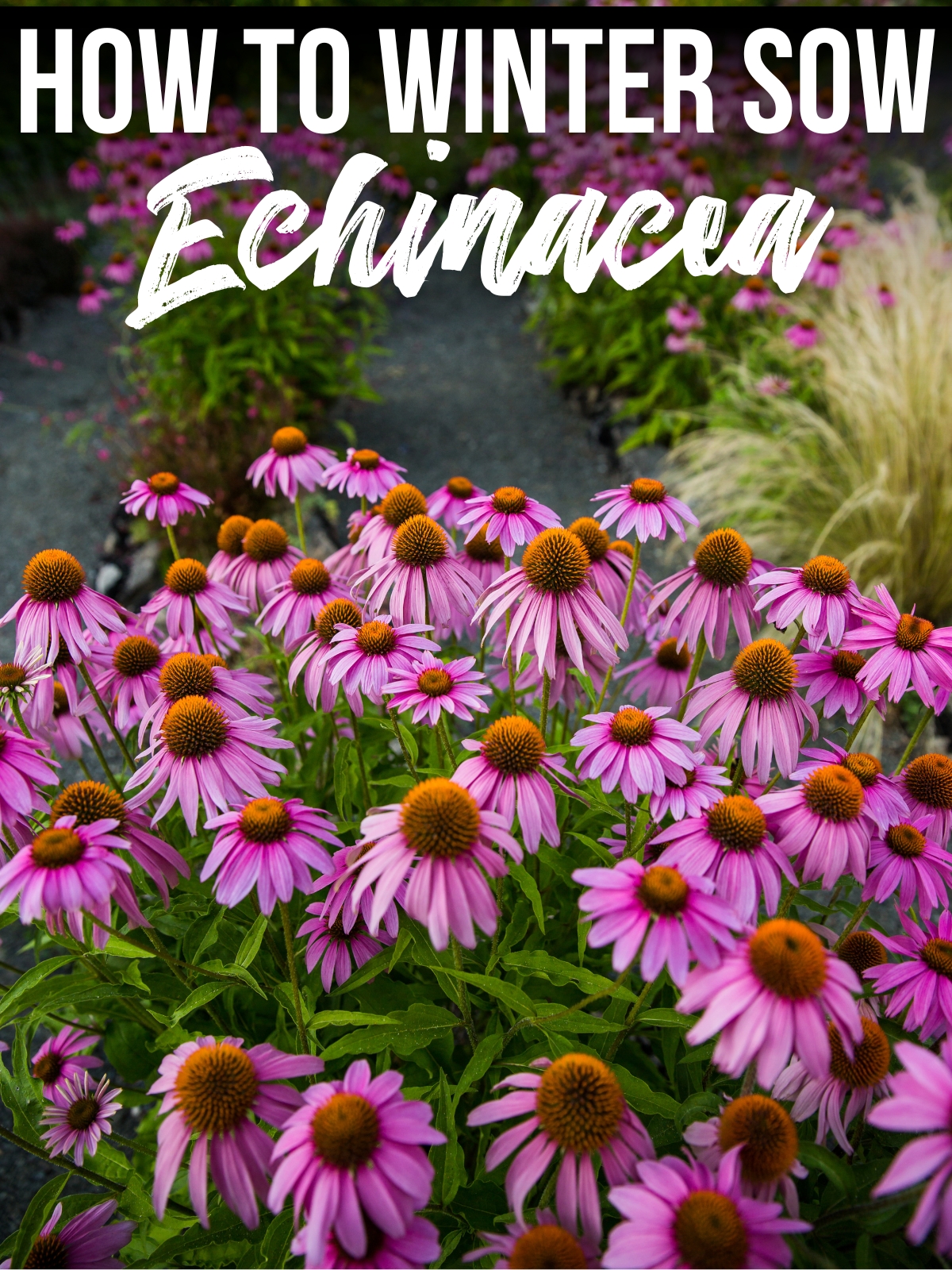
To prepare Echinacea for winter, it's important to take several steps to ensure the plants remain healthy and thrive in the coming growing season. Below are detailed methods to successfully prepare your Echinacea plants for the cold months.
Choosing the Right Location
Selecting the ideal location for your Echinacea plants can play a vital role in their winter survival. They require good drainage and sunlight to thrive.
- Pick a sunny spot: Echinacea prefers areas with full sun exposure, which helps them store energy for the winter.
- Ensure proper drainage: Plants should be placed in a location where water does not pool, as excess moisture can cause root rot.
- Protection from harsh winds: Choose locations that are somewhat shielded from strong winter winds to minimize stress on the plants.
Mulching Techniques
Mulching is a very effective way to protect Echinacea during winter. It helps insulate the roots and retains soil moisture.
- Choose organic mulch: Shredded leaves, straw, or wood chips are excellent materials that can provide insulation.
- Apply a thick layer: A mulch layer of about 2–4 inches will help moderate soil temperature and prevent freeze-thaw cycles.
- Keep mulch away from stems: Ensure the mulch is not piled directly against the stems to prevent rot and disease.
Pruning Before Winter
Pruning is necessary to maintain plant health. Proper pruning can encourage new growth in the spring while also protecting the plant during winter.
- Cut back dead stems: Trim back the spent flower stems and any dead foliage after the first frost.
- Avoid excessive pruning: Do not remove too much material; leaving some foliage can protect the crown.
- Use sharp tools: Always prune with clean, sharp garden tools to make clean cuts and prevent injury to the plant.
Watering Considerations
Proper watering practices should be maintained even in the fall to ensure Echinacea remains healthy.
- Water regularly: Ensure the plants receive sufficient water leading up to winter, especially if there is a dry spell.
- Avoid waterlogging: Always check that the soil is well-drained to prevent root rot, particularly before winter.
- Reduce watering as temperatures drop: Once the ground starts to freeze, minimize watering to prevent excess moisture retention.
Providing Extra Protection
In regions where winters are particularly harsh, providing additional protection can be beneficial for Echinacea.
- Use frost cloths or burlap: Covering the plants with breathable fabrics can shield them from frost damage.
- Consider plant covers: In very cold areas, using cold frames or cloches can offer more extreme protection.
- Be mindful of sunlight: If covering plants, ensure they still receive light during warmer winter days to prevent overheating.
Should I cut back Echinacea for winter?
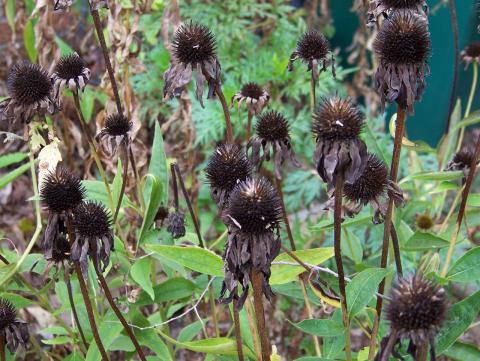
Cutting back Echinacea for winter is a common question among gardeners. Echinacea, also known as coneflower, is a perennial plant that is well-suited for various climates. Whether to cut it back or leave it standing can depend on several factors, including climate, aesthetic preferences, and the health of the plant.
See also:
In general, many gardeners choose to leave the Echinacea plants standing in the fall and cut them back in the spring. This approach allows for several benefits including protecting the plant and providing winter interest in the garden. However, there are also strong arguments for cutting them back before winter.
Benefits of Leaving Echinacea Standing
Leaving Echinacea plants standing during winter can offer several advantages:
- Wildlife Habitat: Dead flower stems and seed heads can provide a habitat for various species, including birds that enjoy winter seeds.
- Garden Aesthetics: The tall, dried flower stalks can add visual interest to a winter landscape, creating a textured contrast against snow or dormant plants.
- Natural Protection: The remaining foliage can help insulate the plant crown from severe temperatures, reducing winter damage.
Reasons to Cut Back Echinacea in Fall
Some gardeners prefer to cut back their Echinacea plants before winter for several practical reasons:
- Reducing Disease: Cutting back prevents the buildup of diseases and pests that can harbor in dead plant material.
- Encouraging New Growth: Pruning can encourage stronger growth in the spring by allowing sunlight and air circulation to reach the base of the plant.
- Clean Garden Appearance: A neat garden can be aesthetically pleasing and easier to maintain, especially during the winter months.
Best Practices for Cutting Back Echinacea
If you choose to cut back Echinacea in the fall, consider these best practices to ensure the health of your plants:
- Timing: Cut back the plants after the first hard frost but before snowfall to avoid cold damage.
- Tools: Use sharp, clean pruning shears to make clean cuts, preventing unnecessary damage to the plant.
- Height of Cut: Trim down to a few inches above the soil level, promoting new growth in spring.
Climate Considerations for Echinacea Care
Your local climate can greatly influence whether you should cut back Echinacea for winter:
- Hardiness Zones: Echinacea is generally hardy in USDA zones 3-9, and those in colder zones may benefit from cutting back.
- Moisture Levels: In areas with heavy snow or rain, leaving the plants standing may help absorb excess moisture and prevent rot.
- Temperature Variability: Fluctuating winter temperatures may require different strategies; sudden thaws can damage plants left standing.
Conclusion: Making the Right Decision
Ultimately, the decision to cut back Echinacea for winter should be based on personal preference and local conditions. Understanding the advantages and disadvantages of each approach can help you make the best choice for your garden. Observing how your plants perform in the winter and through the spring will provide insights that can guide your future gardening practices.
What to do with Echinacea at the end of the season?
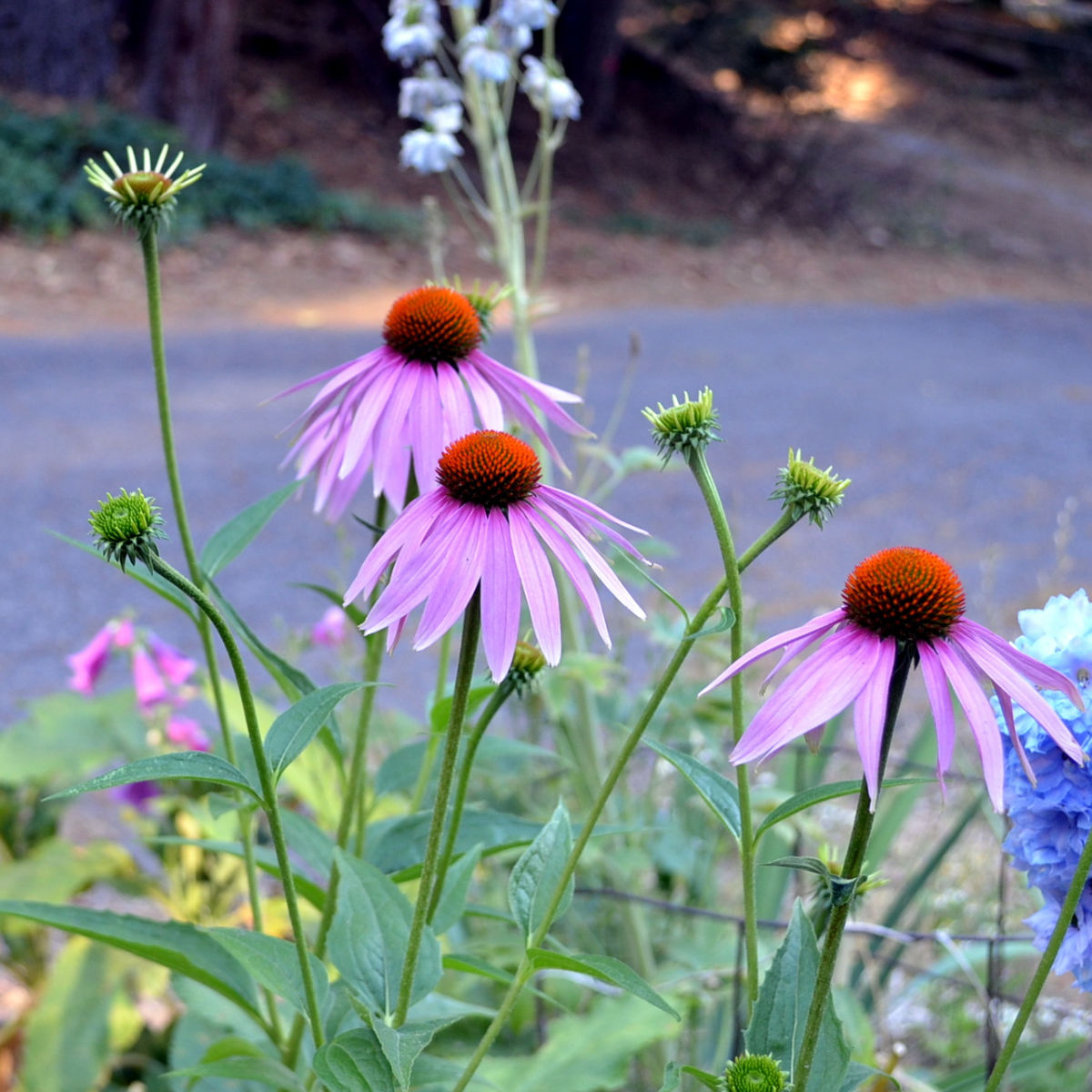
At the end of the growing season, it’s essential to know how to handle Echinacea (commonly known as coneflower) to ensure its health and vigor for the next year. Here are several steps you can take:
- Leave the Flowers: It’s beneficial to leave the flowers on the plants for as long as possible. Not only does this provide winter interest, but it also allows the seeds to mature, which can attract birds to your garden.
- Cut Back in Spring: While it may be tempting to cut back Echinacea in the fall, it's best to wait until spring. This helps protect the plant through the winter and provides habitat for beneficial insects.
- Mulch for Protection: Applying a layer of organic mulch at the end of the season can help protect the roots of the plant from the harsh winter conditions. A good mulch can regulate soil temperature and retain moisture.
- Dividing Plants: If your Echinacea plants have become too bushy, fall is a great time to divide them. Carefully dig up the plant and separate it into sections; each section can be replanted to encourage growth in more areas of your garden.
- Collecting Seeds: If you wish to propagate Echinacea, this is the ideal time to collect seeds from the spent flowers. Store them in a cool, dry place until planting time in the spring.
Leave the Flowers for Wildlife
Keeping the spent flowers on Echinacea at the end of the season serves multiple purposes for wildlife and the ecosystem. It’s crucial to:
- Provide a food source for birds, especially during the winter months.
- Encourage beneficial insects and other wildlife to thrive in your garden.
- Maintain the visual appeal of your garden during the winter season.
Timing for Cutting Back
Understanding when to cut back Echinacea is vital for its health. Here are some considerations:
- Wait until early spring to cut back the dead stems to avoid any potential winter damage.
- Doing so allows beneficial insects to survive the winter within the plant debris.
- Cutting back in spring promotes healthy growth as new buds begin to appear.
Applying Mulch for Winter Protection
Applying a protective layer of organic mulch can significantly benefit your Echinacea plants. Consider the following:
See also:
- Helps regulate soil temperature throughout the winter months, preventing frost heave.
- Retains moisture levels to support the plant's roots during dry spells.
- Suppresses weeds that could compete with your Echinacea in the spring.
Dividing Overgrown Plants
If your Echinacea plants have become overcrowded, dividing them can rejuvenate their growth. Here's how to do it:
- Dig up the entire plant gently to avoid damaging the roots.
- Use a sharp spade to divide the root ball into smaller sections, each with healthy roots.
- Replant the divided sections at a suitable spacing to encourage robust growth.
Collecting and Storing Seeds
Collecting seeds from Echinacea can lead to more plants in your garden. Follow these steps for successful seed collection:
- Allow the flower heads to dry out completely before harvesting the seeds.
- Store seeds in a labeled envelope in a cool, dry location until spring.
- Plant seeds as soon as conditions are suitable in the spring for optimal germination.
How do you overwinter Echinacea?
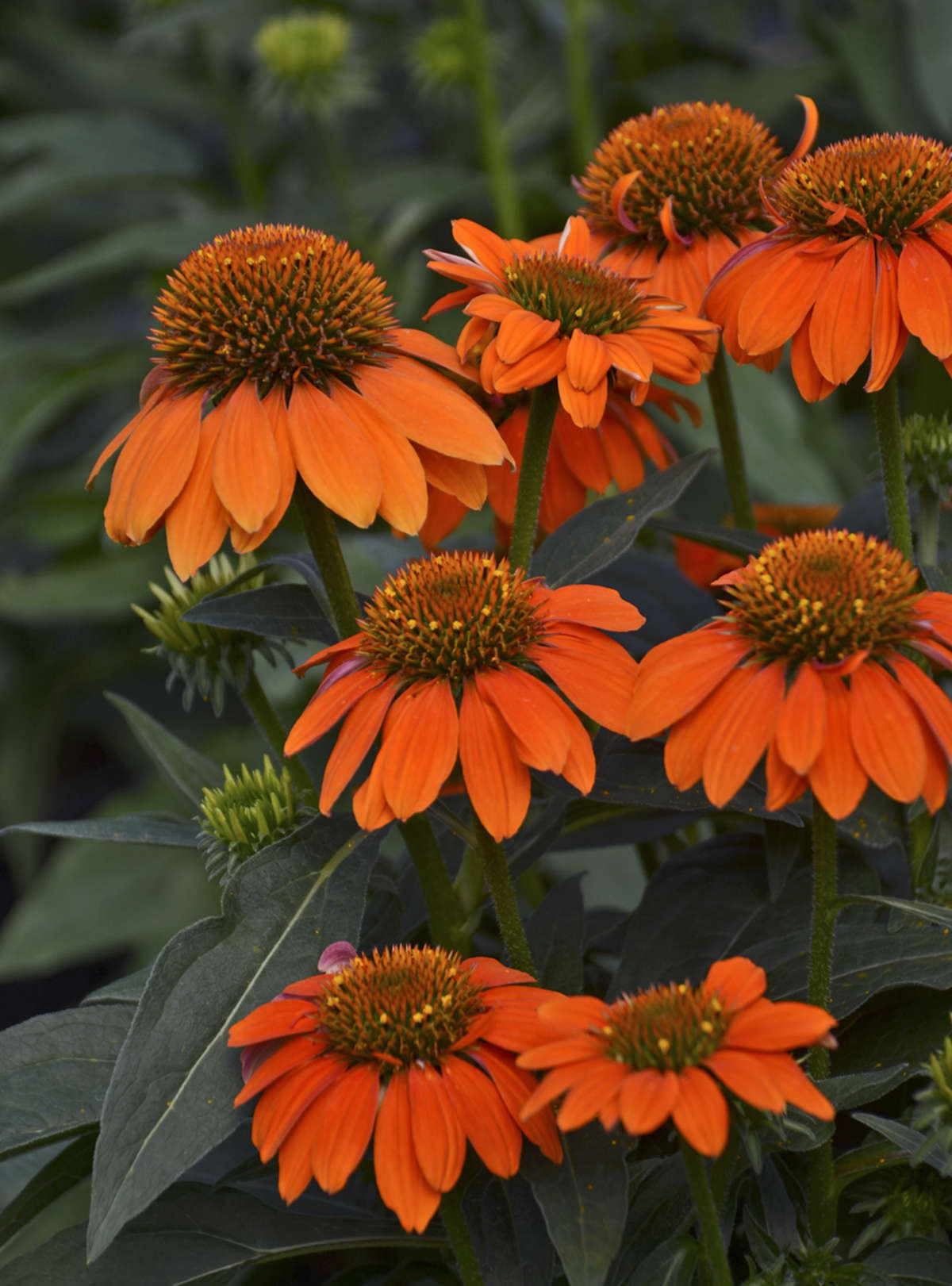
To successfully overwinter Echinacea, also known as coneflower, specific care and techniques are necessary to ensure they survive the cold months and continue to thrive in the following growing season. Here are the recommended steps to prepare Echinacea for winter:
1. Assessing the Climate: Understanding your climate zone is critical.
- Echinacea is generally hardy in USDA zones 3-9.
- In colder climates, additional protection may be needed.
2. Preparing for Winter: Proper preparation helps the plant withstand cold temperatures.
- Stop fertilizing around late summer to prepare the plant for dormancy.
- Ensure the last watering before winter is done to allow the soil to dry out slightly, preventing root rot.
3. Mulching: Applying mulch is essential for insulation.
- Use organic materials like straw, grass clippings, or shredded leaves.
- Apply a 2-3 inch layer around the base of the plants after the first hard frost.
4. Pruning: Decide if you want to prune your plants.
- You can cut back spent flowers and leaves or leave them for added winter interest.
- Leaving the foliage can provide some protection and habitat for wildlife.
5. Container Care: If Echinacea is in pots, special attention is required.
- Move containers to a more sheltered area, such as a garage or shed.
- If they cannot be moved, wrap the pots in bubble wrap or burlap to protect them from freezing temperatures.
Assessing the Climate for Echinacea
Understanding your climate zone is essential in determining how to properly overwinter Echinacea.
- Check your USDA plant hardiness zone to see if Echinacea is suitable for your area.
- In colder zones, additional protection may be required to prevent frost damage.
- Consider local climate trends when planning for winter protection.
Preparing Echinacea for Winter
Proper preparation is key to ensuring that Echinacea can survive the winter months.
- Avoid fertilization in late summer to help the plant enter dormancy.
- Water the plants sufficiently before winter, allowing the soil to dry to prevent root rot.
- Monitor temperature fluctuations that may cause stress to the plants.
The Importance of Mulching
Applying mulch is one of the most effective ways to insulate Echinacea during the winter.
- Organic material helps retain soil moisture and maintains a more stable temperature.
- Cover the base of the plants with 2-3 inches of mulch after the first hard frost.
- Choose materials that decompose over time to enrich the soil.
Pruning Techniques for Winter Care
Deciding whether to prune Echinacea before winter depends on personal preference and local conditions.
- Cutting back spent flowers and foliage can tidy the garden and promote new growth in spring.
- Leaving the foliage can provide insulation and may benefit pollinators in early spring.
- Assess the condition of the plants before making the decision to prune.
Container Care for Overwintering
Echinacea planted in containers requires special attention to prevent freezing.
- Move pots to a sheltered location to protect them from extreme cold.
- Wrap the containers with insulating materials like bubble wrap to shield roots from frost.
- Monitor their moisture levels, as pots can dry out more quickly in winter.
Questions from Our Readers
How do you prepare echinacea for winter?
To prepare echinacea for winter, it's important to cut back the plants in late fall once the foliage has died back. This helps prevent any disease issues. After cutting back, consider applying a layer of mulch around the base to protect the roots from freezing temperatures.
Should I cover echinacea plants in winter?
Covering echinacea plants in winter is generally not necessary, but if you live in an area with extremely harsh winters, a light covering of mulch can provide additional protection against freezing and thawing cycles that may damage the roots.
See also:
Can echinacea survive in pots during winter?
Yes, echinacea can survive in pots during winter, but you need to ensure that pots are elevated off the ground to prevent freezing. Insulating the pots with burlap or placing them against a wall can also help maintain warmth and protect the roots.
When should I stop watering echinacea before winter?
It's best to stop watering echinacea around late summer to early fall, allowing the soil to dry out somewhat. This helps the plant prepare for dormancy and reduces the risk of rot during the cold winter months.

If you want to read more articles like How Do You Winterize Echinacea? Essential Tips for Protecting Your Plants This Winter, we recommend you check out our Echinacea category.
Leave a Reply
Related Articles