Can I Just Scatter Coneflower Seeds? Essential Tips for Successful Planting

When it comes to adding vibrant color and attracting pollinators to your garden, coneflowers are a popular choice. However, many gardeners wonder if they can simply scatter coneflower seeds and expect successful growth. While the process may seem effortless, there are essential tips and techniques to ensure optimal germination and flourishing plants. This article will explore the best practices for sowing coneflower seeds, including timing, soil preparation, and maintenance. By following these guidelines, you can enhance your gardening experience and cultivate a thriving display of these beautiful perennials.
Can I Simply Scatter Coneflower Seeds?
Yes, you can scatter coneflower seeds, but it's important to consider a few factors to ensure successful growth. Coneflower seeds, particularly those of the Echinacea genus, can germinate effectively when sown directly onto the soil surface in spring or early fall. The seeds need light to germinate, so they should not be buried too deeply. It's also beneficial to prepare the soil by clearing away weeds and loosening the top layer of soil to enhance seed-to-soil contact. Providing adequate moisture during the germination process is crucial, as newly scattered seeds can dry out quickly. Lastly, patience is key, as it may take several weeks for coneflower seeds to sprout.
Understanding Coneflower Seeds
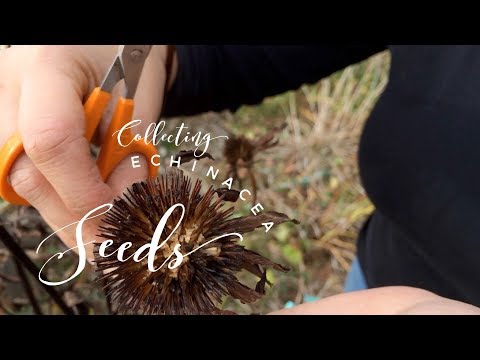
Coneflower seeds are the reproductive components of plants belonging to the Echinacea family. They are recognized for their distinctive shape and ability to survive in various climates. These seeds are often collected in late summer when the flowers dry out and turn brown, making them ready for harvesting. They are a valuable source for gardeners aiming to attract pollinators like bees and butterflies, as well as providing vibrant color to gardens.
The Best Time to Scatter Coneflower Seeds
The optimal time to scatter coneflower seeds is in early spring or late summer to early fall. In spring, after the last frost, the warm soil conditions promote germination. By scattering seeds in the fall, you allow them to undergo a natural stratification process as winter moisture helps break seed dormancy, leading to timely germination in spring.
Preparing the Soil for Coneflower Seeds
Before scattering coneflower seeds, prepare the soil by removing weeds and debris that might compete for resources. Loosening the top layer of soil improves aeration and facilitates better contact between the seeds and the soil. Ensuring that the soil has adequate drainage is essential, as coneflowers do not thrive in waterlogged conditions. Adding organic matter, such as compost, can enhance soil fertility and encourage healthy plant growth.
See also:
Germination and Watering Needs
Once coneflower seeds are scattered, they require consistent moisture for optimal germination. Lightly watering the area daily, especially in dry conditions, will help the seeds germinate. It's crucial not to overwater, as this can lead to damping-off, a fungal disease that can kill the young seedlings. Keeping the soil consistently moist but not soggy will encourage healthy root development.
Post-Germination Care for Coneflowers
After the seeds have germinated and the seedlings emerge, they should be monitored closely. Thinning may be necessary if multiple seedlings sprout too close. Ensuring the young plants receive sufficient sunlight and water during their early growth phase will contribute to their development. Applying mulch can help retain moisture and suppress weeds as the coneflowers grow.
| Aspect | Details |
|---|---|
| Seed Type | Coneflower seeds (Echinacea) |
| Optimal Seasons | Early Spring or Late Fall |
| Soil Preparation | Weed removal, loosening soil, adding organic matter |
| Watering Needs | Consistent moisture, avoid overwatering |
| Post-Germination Care | Thinning, monitoring sunlight and water |
Best Practices for Scattering Coneflower Seeds
When it comes to scattering coneflower seeds, it's essential to understand that while the method may seem straightforward, successful germination and growth depend on several important factors. First, ensure that you choose the right time for planting, ideally in the spring or early fall, when temperatures are conducive to seed development. Prepare your planting area by clearing away any weeds and breaking up the soil to enhance seed-to-soil contact. Although coneflowers are hardy, they benefit from a light covering of soil, which helps retain moisture. If your local environment is prone to harsh weather conditions, consider using mulch to protect the seeds during their critical early stages.
Understanding Soil Conditions
The type of soil you use significantly impacts the success of your coneflower seeds. Ideally, they prefer well-drained, sandy or loamy soil, as overly wet conditions can lead to root rot and poor plant development. Before scattering the seeds, assess your soil's pH level; coneflowers generally thrive in a slightly acidic to neutral pH range. Improving soil drainage through the addition of organic matter can create a better environment for your seeds to germinate and grow into healthy plants.
Timing Your Planting
Timing is crucial when planting coneflower seeds. Early spring or fall are the best seasons for scattering, as the temperature allows for optimal germination. In regions with harsh winters, planting in the fall may lead to natural stratification, where seeds undergo a cold period necessary for successful growth in the spring. Similarly, planting in the spring should be done after the last frost date to avoid damaging tender seedlings. Pay attention to your local climate and adjust your planting schedule accordingly for the best outcomes.
See also:
Watering Techniques for Seed Germination
Once you have scattered your coneflower seeds, the right watering technique becomes essential for germination. It's important to moisten the soil without soaking it; overly wet conditions can hinder the seeds' ability to germinate properly. Aim for light, consistent watering, especially during dry spells. Using a mister or spray nozzle can help provide moisture evenly without displacing the seeds. After the seeds have germinated and seedlings appear, gradually reduce watering frequency, allowing the soil to dry out slightly between waterings to promote strong root development.
Dealing with Weeds
Weed competition can detrimentally affect the growth of coneflower seeds, so it's crucial to manage them effectively. Before scattering seeds, clear the planting area to remove any existing weeds, which can steal nutrients and moisture. After scattering, consider using a layer of mulch to suppress weed growth while retaining soil moisture. Monitor the area regularly after planting, and be prepared to hand-pull any weeds that emerge to give your coneflower plants a better chance to thrive.
Pest and Disease Management
Monitoring your coneflower plants for pests and diseases is an integral part of successful planting. Coneflowers can attract a variety of insects, such as aphids and leafhoppers, which may harm the plants if not managed properly. Regularly inspecting your plants and using natural pesticides, such as neem oil, can help to control these pests without harming beneficial insects. Additionally, keeping your planting area tidy and free from debris can minimize the risk of diseases like powdery mildew, ensuring your coneflowers grow healthy and strong.
Questions from Our Readers
Can I just scatter coneflower seeds directly on the ground?
Yes, you can scatter coneflower seeds directly on the ground, but for the best results, it's recommended to prepare the soil first. This involves removing weeds, loosening the soil, and ensuring good drainage to help the seeds germinate effectively.
When is the best time to scatter coneflower seeds?
The ideal time to scatter coneflower seeds is either in the spring after the last frost or in the fall before winter sets in. This allows the seeds to benefit from natural stratification caused by winter conditions, enhancing germination rates.
See also:
Do I need to cover the coneflower seeds after scattering them?
While you can scatter coneflower seeds on the surface, lightly covering them with soil or mulch can protect them from birds and help retain moisture. However, be careful not to bury them too deep, as they need light to germinate.
How long does it take for coneflower seeds to germinate?
Coneflower seeds typically take 7 to 14 days to germinate under optimal conditions. Factors like temperature, moisture, and soil quality can significantly influence the germination timeline, so be patient during this process.
If you want to read more articles like Can I Just Scatter Coneflower Seeds? Essential Tips for Successful Planting, we recommend you check out our Echinacea category.
Leave a Reply
Related Articles