Do I Need to Deadhead Lilies? Essential Tips for Care and Maintenance
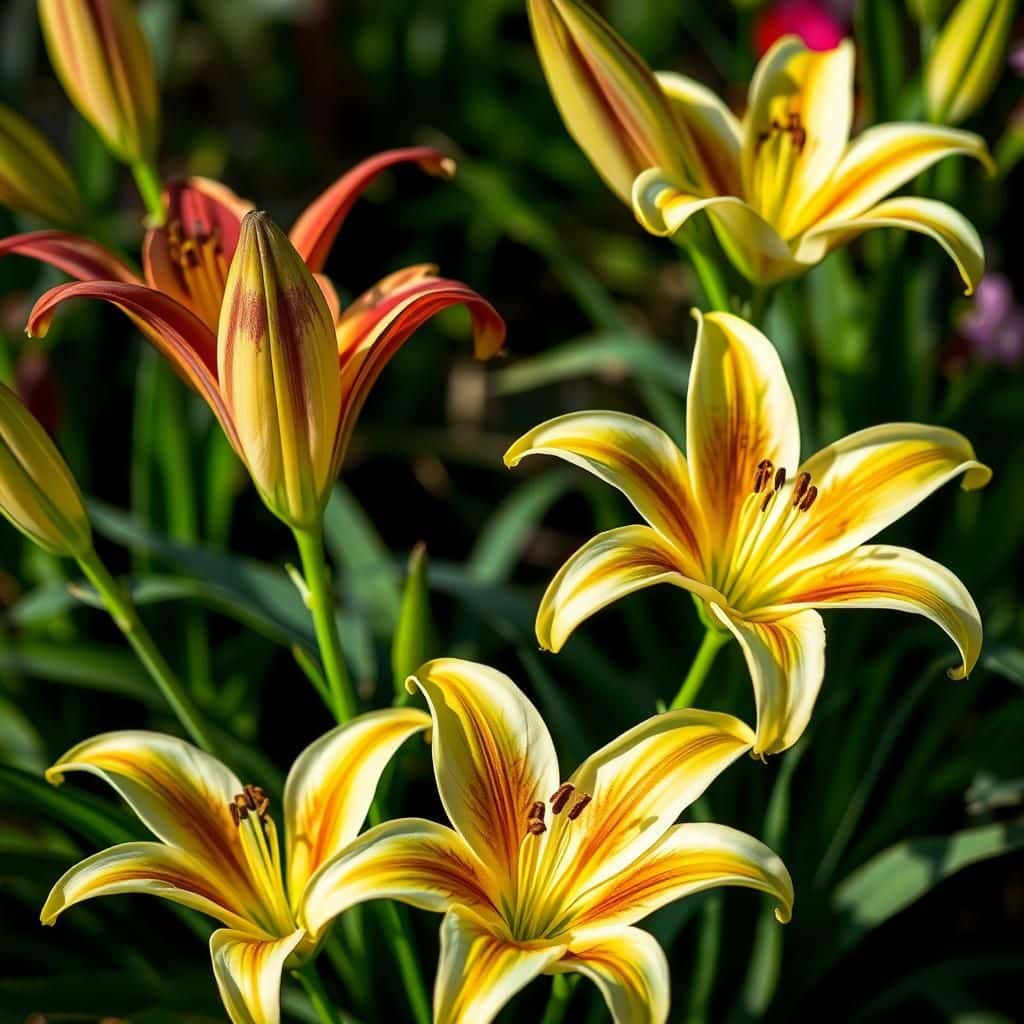
Deadheading lilies is an essential practice for maintaining vibrant and healthy plants. This technique, which involves removing spent flowers, not only enhances the plant's visual appeal but also promotes better growth and blooming in the following seasons. Understanding when and how to deadhead your lilies can significantly impact their overall health and flowering potential. In this article, we will explore the benefits of deadheading, the best methods to do it effectively, and additional care tips to help your lilies thrive. Whether you're a seasoned gardener or just starting out, these insights will ensure your lilies remain a stunning focal point in your garden.
Do I Need to Deadhead Lilies?
Deadheading lilies is an essential practice for maintaining the health and appearance of your plants. While it is not strictly necessary, removing spent flowers helps redirect the plant's energy from seed production to root and bulb development, which can promote more vigorous growth and a potentially larger bloom next season. Additionally, deadheading can improve the overall aesthetic of the garden by keeping it tidy and encouraging the plant to produce more buds throughout its blooming period. Therefore, regular deadheading can enhance the longevity and vitality of your lilies.
What is Deadheading?
Deadheading is the process of removing wilted or spent flowers from a plant. This gardening technique is particularly important for plants like lilies, as it prevents them from wasting energy on seed production and instead allows that energy to be channeled back into the plant's roots and foliage. By cutting away the faded flowers, gardeners can not only enhance the appearance of the plant but also promote healthier growth in the long term.
When Should I Deadhead My Lilies?
The best time to deadhead your lilies is just after the blooms have faded, which is typically in late spring or early summer, depending on the variety. It’s essential to monitor the flowers closely, and as soon as a bloom begins to wilt and lose its vibrant color, it should be removed. Timing is crucial, as deadheading too early can cause stress to the plant and hinder its growth, while waiting too long may lead to energy being wasted on seed formation.
How to Deadhead Lilies Properly?
To deadhead lilies properly, use clean, sharp scissors or pruning shears and cut the stem just above the first set of healthy leaves or any developing buds. This technique not only helps to maintain the plant's aesthetics but also ensures that the energy spent on flowering can instead support the overall health of the lily. It's important to avoid damaging surrounding foliage to keep the plant robust and promote future blooms.
Benefits of Deadheading Lilies
The benefits of deadheading lilies include enhanced flower production, improved plant health, and a more attractive garden appearance. By properly deadheading, you can encourage your lilies to produce additional blooms instead of devoting energy to seed formation. Furthermore, deadheading can prevent the development of disease by removing the decaying plant material that might attract pests or pathogens, ensuring a more vibrant display year after year.
Can I Leave the Spent Flowers on Lilies?
While you can leave spent flowers on lilies, it is not recommended for optimal plant health. Allowing the flowers to remain on the plant can lead to seed formation, which diverts energy from bulb development and can result in reduced flowering in subsequent seasons. However, if you want to collect seeds for propagation or enjoy natural garden aesthetics, leaving the flowers can be acceptable, but be prepared for a potential decline in bloom quantity the following year.
| Action | Frequency | Benefits |
|---|---|---|
| Deadhead spent flowers | Regularly during blooming | Encourages new blooms |
| Use clean tools | Every time you deadhead | Prevents disease spread |
| Cut above healthy leaves | As needed | Maintains plant vigor |
| Remove decaying material | Regularly | Reduces pest attraction |
| Monitor flower health | Weekly | Promotes overall vigor |
What happens if you don't deadhead lilies?

If you do not deadhead lilies, several consequences may arise that can affect their overall health and blooming potential. Deadheading is the practice of removing spent flowers, and failing to do so can lead to several adverse effects on the plants, including:
1. Reduced Flower Production: When lilies are not deadheaded, the plant may channel its energy into seed production rather than producing new blooms. This can result in fewer flowers in the next blooming season as the plant exhausts itself trying to produce seeds.
2. Decreased Aesthetic Appeal: Unremoved spent flowers can create a messy appearance in the garden. As these flowers wilt and fade, they detract from the overall beauty of the lily plant, which is typically prized for its vibrant blooms.
3. Potential Disease and Pests: Leaving dead flowers on the plant can increase the risk of attracting pests and diseases. The decaying material can become a breeding ground for fungal infections and pests that might harm the plant.
See also:
4. Waste of Nutrients: As the plant invests resources into forming seeds, it can lead to a waste of nutrients that would have otherwise gone towards root and foliage development. This can weaken the plant over time, making it less resilient to environmental stresses.
5. Reduced Lifespan of the Plant: Continuous neglect in deadheading can lead to a decline in the plant's health and vigor. A lily that is not deadheaded may have a shorter overall lifespan compared to those that receive regular maintenance.
Impact on Future Blooms
If lilies are not deadheaded, their potential to bloom in future seasons can be significantly compromised. Rather than allowing the plant's energy to focus on producing beautiful new blossoms, the energy may be diverted toward seed production. This shift often results in fewer or smaller blooms in the following growing season.
- Diverted energy from blooming to seed production
- Fewer flowers the next season
- Reduced overall vigor of the plant
Visual Decline
An unkempt garden can deter from the beauty and charm that lilies offer. When spent flowers are left to linger, the visual appeal of the garden can significantly decline. Visitors may not appreciate the plant's elegance when it's overshadowed by dead, wilted flowers.
- Messy appearance can detract from the garden's beauty
- Potential decrease in overall garden enjoyment
- May affect property value if the garden is not well-maintained
Disease and Pest Attraction
Not deadheading lilies can inadvertently create a hospitable environment for pests and diseases. The dead material might encourage fungal growth and attract unwanted insects that could spread to other plants within the garden.
- Increased risk of fungal infections
- Attraction of pests such as aphids and beetles
- Potential spread of diseases to neighboring plants
Nutritional Waste
When a lily focuses on seed production due to lack of deadheading, it often results in a waste of vital nutrients. Rather than supporting the growth of healthy foliage and robust roots, the plant uses these resources inefficiently, leading to overall poor health.
- Unused nutrients contribute to weaker plant health
- Resources that could support growth are wasted
- Eventual decline in flower quality and quantity
Longevity of the Plant
Failing to deadhead can ultimately reduce a lily's lifespan. The stress associated with ongoing seed production, coupled with energy mismanagement, can lead to a shorter life for the plant, leaving gardeners with less time to enjoy their beauty.
- Shorter lifespan due to continuous stress on the plant
- Increased chance of mortality from pest and disease issues
- Less opportunity for the plant to thrive and produce vibrant blooms
How do you keep lilies blooming all summer?

To keep lilies blooming throughout the summer, it is essential to pay careful attention to their growing conditions, maintenance practices, and overall care. Here are several key strategies to ensure your lilies thrive and produce flowers continuously.
Choosing the Right Lily Varieties
Selecting the right varieties of lilies can significantly impact their blooming period. Different types of lilies, such as Asiatic, Oriental, or Trumpet, have varying bloom times and durations.
- Asiatic Lilies: These typically bloom early to mid-summer, providing a bright start to the season.
- Oriental Lilies: They bloom later in the summer and can last several weeks, adding fragrance and beauty.
- Trumpet Lilies: Known for their large flowers, they can also extend the blooming period into late summer.
Optimal Planting Conditions
To ensure your lilies flourish, consider their planting conditions. Proper light, soil, and spacing are crucial for healthy growth.
- Sunlight: Plant lilies in a location that receives full sunlight for at least 6 hours per day.
- Soil Quality: Use well-draining soil enriched with organic matter, such as compost, to promote healthy roots.
- Spacing: Give sufficient space between bulbs to allow for airflow and prevent mold and disease.
Watering Techniques
Watering is essential for maintaining healthy lilies that bloom throughout the summer. The technique and timing can make all the difference.
See also:
- Regular Watering: Ensure the soil remains moist but not waterlogged, especially during dry spells.
- Morning Watering: Water in the early morning to reduce evaporation rates and help prevent disease.
- Mulching: Apply mulch around the base of the plants to retain moisture and regulate soil temperature.
Fertilization Practices
Proper fertilization is key to keeping lilies healthy and vibrant throughout their blooming season. Timing and type of fertilizer can influence the quality of blooms.
- Balanced Fertilizer: Use a balanced fertilizer (like 10-10-10) at the beginning of the growing season.
- Post-Bloom Fertilization: Apply fertilizer again after the first blooms to encourage additional flowering.
- Organic Options: Consider using organic fertilizers, such as fish emulsion or bone meal, for sustained nutrition.
Pest and Disease Management
Keeping pests and diseases at bay is essential for ensuring your lilies remain healthy and continue to bloom.
- Regular Inspection: Check your plants frequently for signs of pests like aphids or lily beetles.
- Natural Remedies: Use insecticidal soap or neem oil to manage infestations organically.
- Good Hygiene: Remove any dead foliage and debris to reduce the risk of disease and pests.
What do I do with my lilies when they have finished flowering?

What to Do with Your Lilies When They Have Finished Flowering
Once your lilies have finished flowering, there are several important steps you should take to ensure their health and prepare them for the next blooming season. Proper care after flowering will help the bulbs store energy for next year's growth.
Cutting Back the Stems
After the flowers have faded, the first step is to cut back the stems. This process helps the plant redirect energy from supporting flowers to storing nutrients in the bulb.
- Wait until the stems turn yellow or brown, indicating that the plant is done blooming.
- Use sharp, clean garden shears to cut the stems back to the ground level.
- Avoid cutting the green leaves too soon, as they are essential for photosynthesis and energy storage.
Leave the Foliage Intact
It's crucial to leave the foliage intact for a while longer after flowering.
- The leaves continue to photosynthesize, which feeds the bulb for next year’s growth.
- Allow the leaves to remain until they fully yellow and die back naturally.
- This process usually takes several weeks, so be patient and let nature do its work.
Watering and Fertilization
Proper watering and fertilization post-blooming are essential for bulb health.
- Water your lilies moderately to keep the soil moist but not soggy.
- Consider applying a bulb fertilizer once the plants have finished flowering to replenish nutrients.
- Follow the manufacturer’s instructions for dosage and frequency to avoid over-fertilization.
Preparing for Winter
As the colder months approach, winter preparation for your lilies is key to their survival.
- Once the foliage has died back, you can either remove it or leave it as insulation against winter cold.
- Apply a layer of mulch around the bulbs to provide additional protection from freezing temperatures.
- If you live in an area with harsh winters, consider digging up the bulbs and storing them in a frost-free environment.
Spring Care
When spring arrives, you’ll need to carefully monitor your lilies for new growth.
- Remove any remaining dead foliage or mulch that may inhibit new growth.
- As the weather warms, ensure your lilies are getting adequate sunlight and water.
- Prepare to apply a balanced fertilizer as soon as you see new growth emerging, to support flowering later in the season.
Questions from Our Readers
Do I need to deadhead lilies?
Yes, you should deadhead lilies to promote better blooming and maintain the plant's appearance. Deadheading involves removing the spent flowers, which can help redirect the plant's energy into producing new blooms rather than forming seeds.
How do I deadhead lilies properly?
To deadhead lilies, wait until the flowers have wilted and begun to fade. Use clean, sharp scissors to cut the flower stem just above the first set of healthy leaves, which allows your plant to focus on growth instead of seed production.
See also:
When is the best time to deadhead lilies?
The best time to deadhead lilies is immediately after the flowers have faded. This encourages the plant to continue blooming throughout the season and prevents the development of seeds, which can reduce the plant's overall vigor.
Will deadheading affect the bulb's health?
Yes, deadheading can have a positive impact on the bulb's health. By removing spent flowers, you allow the plant to concentrate its resources on strengthening the bulb and enhancing future blooms, rather than using energy on seed production.

If you want to read more articles like Do I Need to Deadhead Lilies? Essential Tips for Care and Maintenance, we recommend you check out our Flowers category.
Leave a Reply
Related Articles