What is the difference between tiger lilies and daylilies? A Comprehensive Guide to Their Unique Features
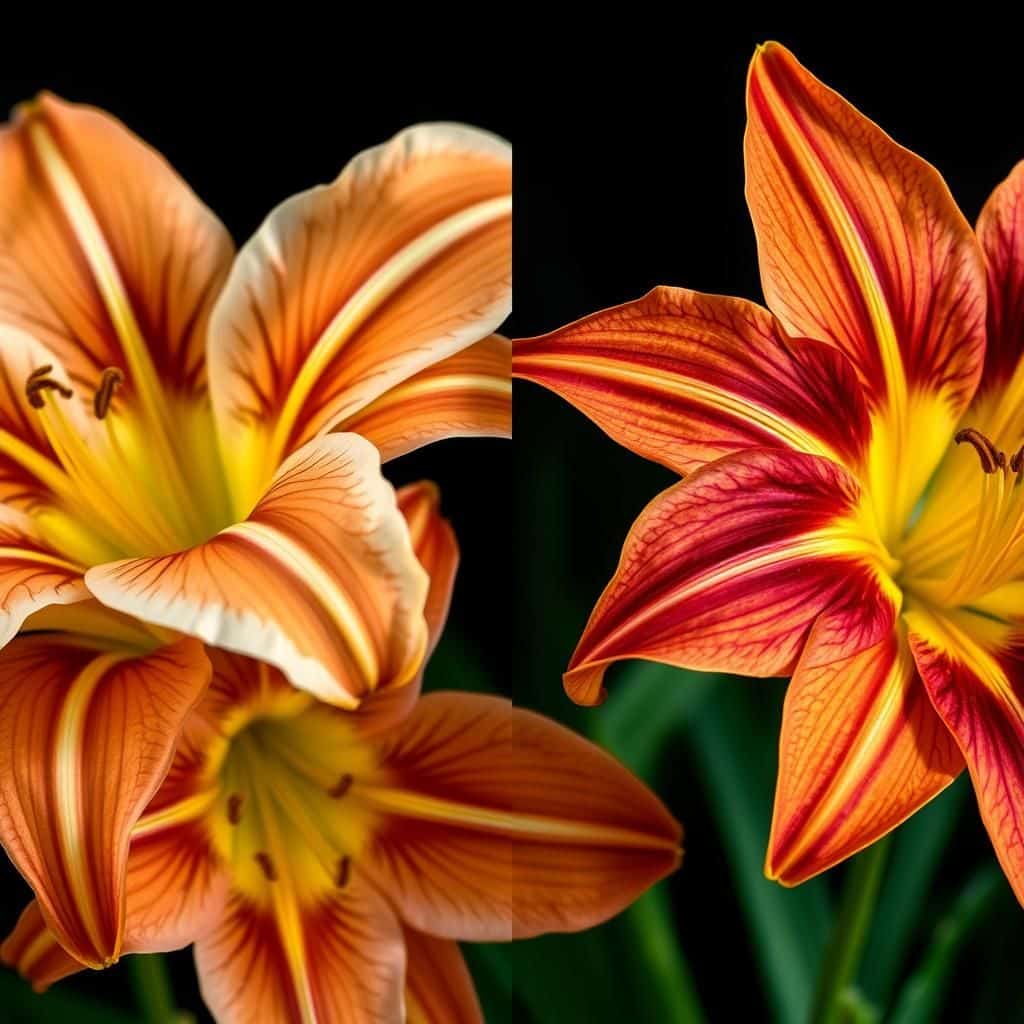
When it comes to garden flowers, tiger lilies and daylilies are often confused due to their striking appearances and similar names. However, these two beautiful plants have distinct characteristics that set them apart. In this comprehensive guide, we will explore the unique features of tiger lilies and daylilies, highlighting their differences in appearance, growth habits, and care requirements. Whether you're a gardening novice or an experienced horticulturist, understanding these distinctions can enhance your gardening knowledge and enable you to make informed choices for your floral displays. Join us as we delve into the fascinating world of these captivating lilies.
What is the Difference Between Tiger Lilies and Daylilies?
Tiger lilies and daylilies, while they share some similarities in appearance and habitat, are distinct species that belong to different genera. Tiger lilies (Lilium lancifolium) are known for their striking, upward-facing flowers that feature orange petals adorned with dark spots, and they have a more pronounced bulbous root structure. On the other hand, daylilies (Hemerocallis) showcase a broader range of flower colors and typically bloom for just one day per flower, which contrasts with the multiple blooms that tiger lilies can produce simultaneously. Additionally, daylilies have a more resilient nature, capable of thriving in a variety of soils and conditions, whereas tiger lilies prefer well-drained, sandy loams.
Botanical Classification
The botanical classification of tiger lilies and daylilies highlights their differences, as tiger lilies belong to the Lilium genus, which is part of the Liliaceae family, encompassing true lilies. Conversely, daylilies are classified under the Hemerocallis genus in the Hemerocallidaceae family. This fundamental difference in classification reflects their unique evolutionary paths and botanical characteristics.
Flower Characteristics
The flower characteristics of these two plants further underscore their distinctions. Tiger lilies exhibit large, trumpet-shaped flowers that bloom in clusters and can range from yellow to orange, prominently featuring dark spots that add to their appeal. Daylilies, in contrast, present a wide variety of flower shapes and colors, including hues of yellow, pink, red, and purple, and each flower typically lasts only a single day, with new blooms opening throughout the blooming season.
Growth Habits
In terms of growth habits, tiger lilies typically grow to heights of 3 to 4 feet and can spread considerably as they produce offsets or bulbils. Their growth is more vertical, creating a dramatic display in garden settings. Daylilies, however, form clumps and can vary significantly in size, ranging from short to tall varieties, and generally have a bushier appearance due to their spreading nature.
See also:
Preferred Growing Conditions
Understanding the preferred growing conditions for both plants is crucial for successful cultivation. Tiger lilies thrive in full sun to partial shade, favoring well-drained, slightly acidic soils, and are tolerant of drought once established. Daylilies are exceptionally adaptable and can grow in various soil types, ranging from sandy to clay, and generally prefer full sun but can tolerate partial shade, making them a versatile choice for many gardens.
Maintenance and Care
Lastly, the maintenance and care required for tiger lilies versus daylilies differs significantly. Tiger lilies require more specific care, such as bulb care during dormancy and management of pests like aphids. Daylilies are more forgiving and require minimal maintenance; they benefit from regular deadheading and dividing every few years to maintain vigor and blooming capability.
| Feature | Tiger Lilies | Daylilies |
|---|---|---|
| Botanical Genus | Lilium | Hemerocallis |
| Flower Duration | Multiple blooms per season | Single day per flower |
| Growth Habit | Upright | Bushy clumps |
| Preferred Light | Full sun to partial shade | Full sun to partial shade |
| Maintenance | Moderate | Low |
Key Identifying Characteristics of Tiger Lilies and Daylilies
Tiger lilies and daylilies, while often confused due to their similar nomenclature and visual appeal, possess distinct characteristics that set them apart. Tiger lilies, known scientifically as *Lilium lancifolium*, feature stunning orange blooms with black spots and can grow quite tall, typically reaching heights of 3 to 4 feet. In contrast, daylilies, belonging to the genus *Hemerocallis*, present a variety of colors and are characterized by their bell-shaped flowers which usually bloom for a single day, depending on the species. Additionally, while tiger lilies typically grow from bulbs, daylilies are hardy perennials that spread through rhizomes, making their growing habits and care requirements significantly different.
Botanical Classification
Tiger lilies and daylilies belong to entirely different plant families; tiger lilies are part of the Liliaceae family, whereas daylilies are classified under Hemerocallidaceae. This difference in botanical classification results in varied growth habits and flower structures, with tiger lilies exhibiting a true lily form and daylilies showcasing a unique, tubular shape that distinguishes them in gardens.
Flower Structure and Lifespan
One of the most noticeable differences between tiger lilies and daylilies is their flower structure and lifespan. Tiger lilies have large, outward-facing flowers that are often fragrant and tend to bloom for several weeks, whereas daylilies are known for their short-lived blooms, generally lasting only a day. Despite their fleeting beauty, daylilies produce multiple flowers on each stem, providing a vibrant display throughout the summer season.
See also:
Cultural Requirements and Care
Both tiger lilies and daylilies have distinct cultural requirements that influence their growth and maintenance in gardens. Tiger lilies prefer well-drained soil and can thrive in slightly acidic conditions, while daylilies are more adaptable, tolerating a wide range of soil types, including alkaline conditions. Daylilies also require less fuss, making them excellent for beginner gardeners.
Color Variety and Hybridization
Daylilies exhibit an extensive range of colors and hybrids, which surpasses that of tiger lilies. With shades ranging from deep red to soft pastels, daylily breeders have created thousands of cultivars that offer unique patterns and petal shapes. In contrast, tiger lilies are more limited in color, predominantly showcasing their vibrant orange hues with spots, which results in a less diverse appearance.
Pest and Disease Susceptibility
When it comes to pest and disease susceptibility, tiger lilies tend to face more issues, such as Bulb Rot and Lily Beetles, which can significantly affect their health. Daylilies are generally more resilient against pests but can experience problems with crown rot if oversaturated with water. Understanding these vulnerabilities is vital for gardeners seeking to maintain the health and beauty of both plants.
Questions from Our Readers
What are the main differences in appearance between tiger lilies and daylilies?
The main differences in appearance are that tiger lilies typically have orange petals with dark spots, while daylilies come in a wider range of colors, including yellow, orange, red, and purple. Additionally, tiger lilies have a more upward-facing flower shape compared to the more relaxed, open shape of daylilies.
How do the growing conditions differ for tiger lilies and daylilies?
Tiger lilies prefer well-drained soils and full sun to thrive, while daylilies are more tolerant of various soil types and can thrive in both sun and partial shade. This makes daylilies a versatile option for a broader range of gardens and environments.
See also:
Are there any differences in blooming times between tiger lilies and daylilies?
Yes, tiger lilies usually bloom in mid-summer, whereas daylilies can have a longer blooming period, often starting in early summer and lasting until fall. This extended blooming time makes daylilies a popular choice for gardeners looking to maintain color in their gardens longer.
Can tiger lilies and daylilies be planted together in the garden?
Yes, tiger lilies and daylilies can be planted together, as their growing conditions can be somewhat compatible. However, it’s important to ensure that the tiger lilies receive enough sun, while daylilies can handle more varied light conditions, allowing for an attractive and diverse flower arrangement.

If you want to read more articles like What is the difference between tiger lilies and daylilies? A Comprehensive Guide to Their Unique Features, we recommend you check out our Flowers category.
Leave a Reply
Related Articles