Do Daylilies Bloom All Summer? Discover Their Blooming Secrets and Care Tips
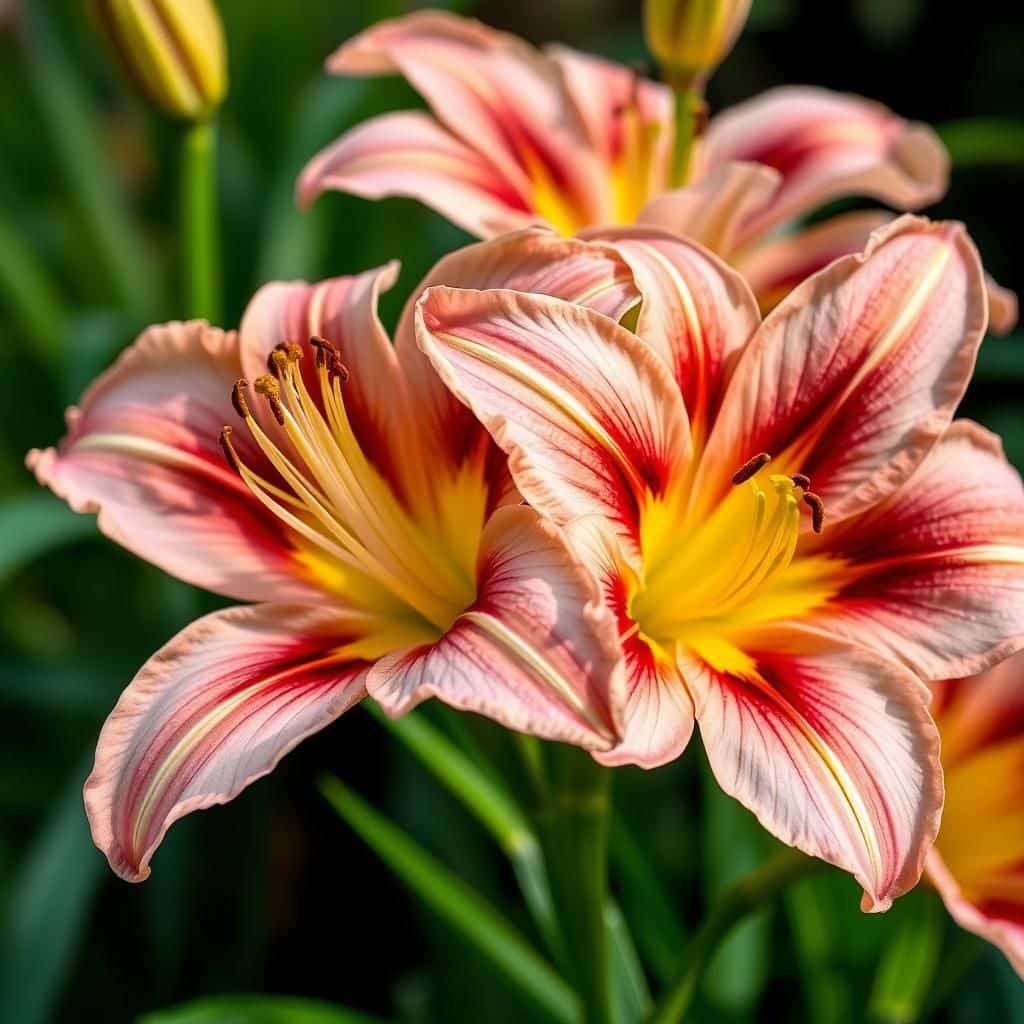
Daylilies are beloved perennials known for their stunning blooms and resilience in various garden settings. Many gardeners wonder, do daylilies bloom all summer? The answer lies in understanding their unique blooming patterns and care requirements. While some varieties offer continuous blooms, others may require specific conditions to thrive. In this article, we will explore the enchanting blooming secrets of daylilies, providing essential tips for maintaining these beautiful plants throughout the growing season. Whether you’re a seasoned gardener or a beginner, learn how to maximize the vibrant display of daylilies in your garden.
Do Daylilies Bloom All Summer?
Daylilies, known for their spectacular blooms and easy maintenance, typically do not bloom all summer. Instead, they have a defined blooming period that generally falls in mid to late summer, depending on the specific variety. Most daylilies produce a vibrant display of flowers that last for only one day per blossom, but a well-cared-for garden can have daylilies that bloom intermittently throughout the summer season. To maximize their blooming period, it's essential to choose varieties that are known for extended blooms and to provide appropriate care, including fertilization and deadheading spent flowers.
Blooming Cycle of Daylilies
The blooming cycle of daylilies is primarily influenced by their genetic makeup and environmental factors. Most daylilies have a blooming period ranging from four to six weeks, with some varieties blooming earlier or later in the season. The timing can also vary based on climate and growing conditions, which play a crucial role in determining when the flowers will open. By selecting different varieties with varied bloom times, gardeners can achieve a more extended flowering period across the summer months.
Varieties That Bloom Longer
Certain varieties of daylilies are specifically bred for longer blooming periods. For instance, many newer cultivars can extend their blooming time with overlapping cycles. Varieties like 'Stella de Oro' are renowned for their ability to produce blooms from early summer until the first frost in some regions, making them popular choices for gardeners who want continuous color in their gardens. Additionally, planting both early and late bloomers can create a staggered blooming effect, enhancing the overall beauty of the landscape throughout the season.
Factors Affecting Bloom Duration
The duration of bloom in daylilies can be affected by several factors including soil health, moisture levels, and sunlight exposure. Adequate sunlight is essential, as daylilies usually thrive in areas that receive at least six hours of direct sunlight daily. Furthermore, well-draining soil enriched with organic matter promotes healthy growth and, by extension, longer blooming times. Regular watering is also critical, particularly during dry spells, to ensure that plants remain hydrated and vibrant throughout the growing season.
See also:
Care Tips for Prolonged Blooming
To encourage a longer blooming period for daylilies, certain care practices should be undertaken. This includes regular deadheading, which involves removing spent flowers to prevent the plant from expending energy on seed production. Providing an appropriate fertilizer during the growing season can also help boost blooming capabilities by supplying essential nutrients. Moreover, keeping the plants well-watered, particularly during dry spells, is vital for sustaining their overall health and flowering potential throughout summer.
Common Pests and Diseases
Daylilies can be susceptible to various pests and diseases that may affect their blooming. Common issues include aphids, spider mites, and fungal diseases, which can detract from the health and blooming quality of the plants. Inspecting daylilies regularly and taking preventive measures such as appropriate spacing for air circulation, as well as using organic pest control methods, can mitigate these issues. Ensuring plants are healthy and vigorous will contribute significantly to maximizing their blooming duration.
| Factor | Impact on Blooming |
|---|---|
| Variety | Different varieties can lead to varying bloom times. |
| Sunlight | Requires at least 6 hours of direct sunlight for optimal blooms. |
| Soil Type | Well-drained, nutrient-rich soil promotes healthy growth. |
| Watering | Consistent watering, particularly in dry periods, enhances blooming. |
| Deadheading | Removing spent blooms encourages further flowering. |
Understanding the Blooming Cycle of Daylilies
Daylilies are renowned for their vibrant blooms and ability to thrive in various climates. However, they do not continuously bloom all summer; instead, they have a unique bloom cycle often referred to as a "staggered blooming" pattern. Typically, each flower lasts for only one day, but new buds open up throughout the summer months, giving the perception of a continuous display. To ensure an abundant blooming season, proper care practices such as post-bloom deadheading, adequate watering, and ensuring they are situated in spots with plenty of sunshine are essential.
How Long Do Daylilies Bloom?
Daylilies generally have a blooming period that can span from late spring to early fall, although this can vary depending on the variety and local growing conditions. Most varieties will produce flowers for 3 to 4 weeks, with some re-blooming types flowering multiple times throughout the summer. To enjoy their beauty longer, gardeners can choose varieties with staggering bloom times, which allows for a more extended flowering period across the entire season.
What Are the Best Conditions for Daylilies?
Daylilies thrive best in full sunlight, requiring at least 6 to 8 hours of sun each day. They prefer well-drained soil rich in organic matter, which helps retain moisture while preventing root rot. Additionally, maintaining a consistent watering schedule, especially during dry spells, is vital for promoting healthy growth and maximizing bloom potential. Achieving these ideal *conditions* allows not only for abundant flowering but also for overall plant vigor.
See also:
How Can You Care for Daylilies After Blooming?
Once daylilies have bloomed, proper aftercare is crucial to encourage further growth and blooming. This includes deadheading, the process of removing spent flowers, which can help redirect the plant's energy towards budding new blooms instead of seed production. Furthermore, it is advisable to cut back the foliage in late fall to prevent disease and prepare the plant for the next growing season. Additionally, applying a balanced fertilizer in early spring can promote a stronger blooming event.
What Are Some Common Daylily Problems?
Daylilies, while generally hardy, are susceptible to certain pests and diseases. Common issues include aphids, which can affect new growth, and fungal diseases that typically arise from excessive moisture and poor air circulation. Keeping the plants spaced adequately and removing any infected foliage can substantially minimize these problems. Furthermore, regular monitoring for pest activity along with using organic or chemical treatments as necessary can be effective steps in maintaining a healthy daylily display.
When to Divide Daylilies for Optimal Growth?
Dividing daylilies is essential for maintaining their health and promoting growth. Typically, it is recommended to divide them every 3 to 5 years, in either spring or fall, when the plants are not blooming. This process helps to reduce overcrowding, which can lead to weaker plants with fewer blooms. When dividing, ensure each new clump has enough roots and foliage to thrive independently. Dividing not only enhances plant vigor but also provides an opportunity to propagate and fill in bare spots in the garden.
Questions from Our Readers
Do daylilies bloom all summer?
Yes, daylilies typically do not bloom for the entire summer. Most daylily varieties have a blooming period that can last from late spring to early summer, with some continuing to produce flowers into early fall. However, the bloom cycle can vary based on species and growing conditions.
How can I prolong the bloom time of my daylilies?
To prolong the bloom time of daylilies, it’s important to deadhead spent flowers regularly. This practice encourages the plant to focus its energy on producing new blooms rather than seed production. Additionally, providing adequate water and nutrients during the growth phase can support a longer flowering period.
See also:
Do daylilies require special care to bloom?
Daylilies are relatively low-maintenance plants, but they do benefit from some care to enhance their blooms. Ensuring they are planted in well-draining soil, receiving full sun to partial shade, and getting regular fertilization can lead to more vibrant and abundant flowers.
What factors affect the blooming of daylilies?
Several factors can significantly affect the blooming of daylilies, including climate, soil quality, and water availability. Insufficient sunlight can hinder blooms, while overwatering or poor soil drainage can lead to root problems, impacting the plant's ability to thrive and flower. Proper care and attention to these aspects can yield better blooming results.

If you want to read more articles like Do Daylilies Bloom All Summer? Discover Their Blooming Secrets and Care Tips, we recommend you check out our Daylily category.
Leave a Reply
Related Articles