Should I Put Mulch Around My Daylilies? Benefits and Tips for Beautiful Flowers

Mulching around daylilies is a gardening practice that offers numerous benefits, enhancing both the health of the plants and the overall aesthetics of your garden. This article delves into the importance of mulch, exploring how it can help retain moisture, suppress weeds, and regulate soil temperature. Additionally, we will provide practical tips on selecting the right type of mulch and proper application techniques to ensure your daylilies thrive. Whether you're a seasoned gardener or a novice, understanding the role of mulch can transform your flower beds and contribute to the vibrant display of colors that daylilies provide each blooming season.
Should I Put Mulch Around My Daylilies?
Adding mulch around your daylilies can provide several benefits that promote healthy growth and flower production. Mulch helps to retain moisture in the soil, reduces weeds, and keeps the soil temperature stable, which is particularly helpful during extreme weather conditions. Additionally, organic mulches, like shredded bark or wood chips, can gradually decompose and enrich the soil with nutrients over time. However, it is essential to apply mulch correctly, ensuring it does not touch the stems of the plants to prevent rot and other diseases.
Benefits of Using Mulch
Using mulch around your daylilies offers numerous benefits, such as moisture retention, which helps the plants thrive during dry spells. It also acts as a barrier against weeds, minimizing competition for nutrients and water. Furthermore, mulch helps regulate soil temperature, preventing extreme fluctuations that can stress the plants. Organic mulches gradually decompose, adding valuable nutrients to the soil, which can improve the overall health and vigor of your daylilies over time.
Types of Mulch Suitable for Daylilies
When selecting mulch for your daylilies, consider using organic options such as straw, shredded bark, or wood chips. These materials not only suppress weeds but also improve soil structure as they decompose. Alternatively, inorganic options like gravel or plastic mulch can be used, but they lack the added benefit of enriching the soil. It is crucial to select a mulch type that complements your garden aesthetic while effectively serving its purpose.
How to Apply Mulch Correctly
To apply mulch correctly around your daylilies, start by cleaning the area of weeds and debris. Then, lay down a layer of mulch that is about 2 to 3 inches thick, ensuring you keep it at least a few inches away from the stems of the plants. This technique prevents moisture buildup and potential rot. Regularly maintain the mulch layer by replenishing it as it decomposes or gets washed away, ensuring your daylilies continue to benefit throughout the growing season.
Common Mistakes to Avoid
There are some common mistakes to avoid when mulching around daylilies, such as applying too much mulch, which can suffocate the plants and lead to root rot. Another mistake is piling mulch directly against the plant stems, increasing the risk of disease. Furthermore, using non-organic materials can inhibit the natural nutrient cycle, offering no additional benefits to the soil. It is also essential to avoid mulching too early in the spring, as this can trap moisture and create an environment conducive to fungal growth.
When to Add or Replace Mulch
Timing is essential when adding or replacing mulch around your daylilies. The best time to apply or replenish mulch is in the spring after the threat of frost has passed, as this helps to maintain soil moisture and regulate temperature during the growing season. Alternatively, you can apply a fresh layer in fall to insulate the roots during winter. Monitor the mulch thickness periodically and replenish it as needed, ideally when it has decomposed significantly or washed away due to rain.
| Type of Mulch | Benefits | Notes |
|---|---|---|
| Organic (e.g., shredded bark) | Enhances soil quality, retains moisture | Decomposes over time |
| Inorganic (e.g., gravel) | Durable, long-lasting | Does not improve soil quality |
| Straw | Weed suppression, lightweight | May need replacing more often |
| Wood Chips | Adds nutrients, attractive look | Can attract pests if not kept dry |
| Plastic | Effective for weed control | Limits water penetration |
Do daylilies like to be mulched?
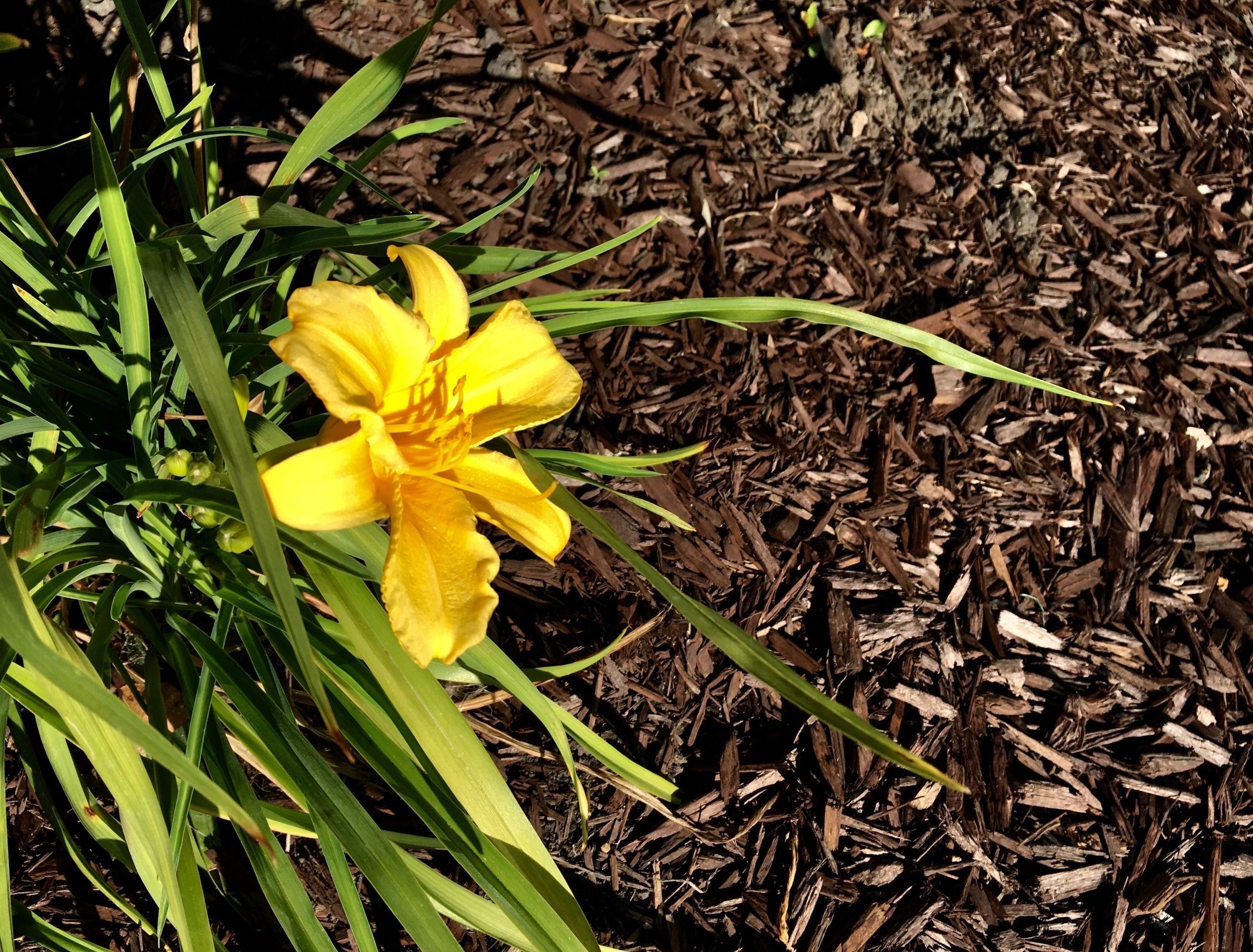
Daylilies do indeed thrive when mulched, and mulch can provide numerous benefits to these beautiful perennials. Using mulch around daylilies helps retain moisture in the soil, suppresses weeds, and regulates soil temperature. It also adds organic matter as it breaks down over time. For optimal growth and health, applying mulch can be beneficial for both the daylilies and the surrounding garden environment.
Benefits of Mulching Daylilies
Mulching daylilies offers a range of advantages that contribute to their overall health and vitality. Some key benefits include:
- Moisture Retention: Mulch helps to retain moisture in the soil, reducing the need for frequent watering.
- Weed Suppression: A layer of mulch discourages weed growth, allowing daylilies to access nutrients without competition.
- Soil Temperature Regulation: Mulch acts as an insulator, maintaining a consistent soil temperature to promote growth.
Best Types of Mulch for Daylilies
When selecting mulch for daylilies, choosing the right type is essential to maximize their benefits. The most commonly recommended types include:
- Bark Mulch: Provides excellent moisture retention and breaks down slowly, enhancing soil quality over time.
- Wood Chips: Similar to bark, wood chips are durable and effective in suppressing weeds.
- Straw or Hay: Organic options that decompose quickly, adding nutrients back into the soil, though they need to be replaced more frequently.
How to Apply Mulch to Daylilies
Proper application of mulch around daylilies is crucial for maximizing its benefits. Here’s a guide on how to do it effectively:
See also:
- Prepare the Area: Clear away any weeds or debris from the base of the plants before applying mulch.
- Apply a Layer: Spread an even layer of mulch 2-4 inches thick around the plants, avoiding direct contact with the stems.
- Monitor Moisture: Check regularly to ensure the soil retains adequate moisture and replenish mulch as needed.
When to Apply Mulch for Daylilies
Timing is important when applying mulch to daylilies, as it can impact their growth. The best times to apply mulch include:
- In Spring: After the threat of frost has passed, to retain moisture and suppress weeds as the plants begin to grow.
- Post-Bloom: After flowering, adding a new layer can prepare the plants for dormancy during the winter months.
- Throughout the Season: Replenish mulch as it decomposes or gets washed away, ensuring coverage remains consistent.
Potential Issues with Mulching Daylilies
While mulching has many benefits, it can also lead to certain issues if not done correctly. Be aware of the following potential problems:
- Pest Attraction: Excessive mulch can create a habitat for pests like slugs and snails, which may negatively impact daylilies.
- Root Rot: Applying mulch too close to the plant stems can trap moisture, leading to root rot.
- Nutrient Deficiency: Using non-organic mulch may not add valuable nutrients to the soil as it decomposes.
What do you put around daylilies?
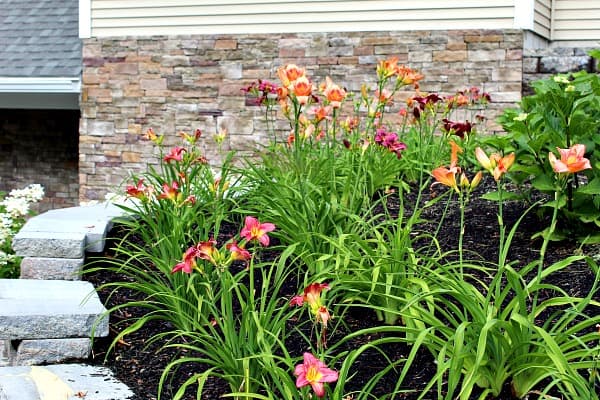
To effectively care for daylilies, various materials can be placed around them. These materials play a crucial role in promoting healthy growth, minimizing weeds, and enhancing the overall aesthetics of the garden. Here are some suitable options:
Mulch
Mulch is one of the most common and beneficial materials to place around daylilies. It provides several advantages that contribute to the health of the plants.
- Moisture retention: Mulch helps to retain soil moisture, which is essential for the healthy growth of daylilies.
- Weed suppression: By covering the soil, mulch limits the growth of weeds that compete for nutrients.
- Temperature regulation: Mulch can help maintain a stable soil temperature, protecting the roots during extreme weather.
Compost
Using compost around daylilies enriches the soil and provides the necessary nutrients for optimal growth.
- Nutrient boost: Compost adds essential nutrients like nitrogen, phosphorus, and potassium.
- Soil structure improvement: It enhances soil aeration and drainage, which benefits root health.
- Microbial activity: Compost encourages beneficial microbial activity, which is vital for soil health.
Stones or Gravel
Placing stones or gravel around daylilies can offer a unique visual appeal while providing practical benefits.
- Drainage improvement: Gravel increases drainage around the plants, helping to prevent root rot.
- Aesthetic value: Stones create a clean and polished look in the garden, contrasting beautifully with the foliage.
- Weed management: A layer of stones can deter weed growth and make maintenance easier.
Landscape Fabric
Using landscape fabric is an effective method for controlling weeds without sacrificing soil health.
- Weed barrier: It acts as a barrier to keep weeds at bay while allowing water and nutrients to pass through.
- Long-lasting solution: Landscape fabric is durable and provides long-term weed control.
- Easily covered: It can easily be covered with mulch or stones for enhanced garden aesthetics.
Organic Matter
Adding organic matter, such as leaf litter or well-rotted manure, enriches the soil around daylilies.
- Soil fertility: Organic matter improves soil fertility and enhances the soil's nutrient-holding capacity.
- Microbial enhancement: It encourages a diverse microbial ecosystem that benefits plant health.
- Carbon sequestration: Organic matter aids in increasing the organic carbon content in the soil, promoting overall soil health.
What plants should you not mulch around?

It's essential to consider the specific needs of certain plants when mulching, as some may be adversely affected by the application of mulch. Here are several plants that you should avoid mulching around:
1. Perennials that dislike moisture: Some perennials prefer drier conditions and can suffer from root rot or other diseases if mulch retains too much moisture around them.
See also:
2. Certain types of shrubs: Shrubs that are prone to fungal issues or root rot should not be mulched, as the moisture retention from the mulch can exacerbate these problems.
3. Plants that prefer full sun: Mulching can create too much shade for plants that thrive in direct sunlight, hindering their growth.
4. Tropical plants: Many tropical species do not respond well to mulch, as they require specific conditions that may not be compatible with the moisture retention characteristics of most mulch materials.
5. Seedlings and young plants: Young plants are often delicate and can become smothered or overheated by mulch, which can lead to stunted growth or death.
Perennials That Dislike Moisture
Some perennials thrive in dry conditions and applying mulch could impede their growth. These plants tend to have shallow roots that can rot if the soil remains too damp over extended periods. It's essential to keep the soil around these perennials as dry as possible.
- Examples include lavender, sedum, and thyme.
- Consider planting them in well-draining soil to further assist with moisture management.
- Water them sparingly, allowing the soil to dry out between watering cycles.
Certain Types of Shrubs
Some shrubs are susceptible to fungal infections or root rot, and applying mulch can worsen these issues by keeping the soil excessively moist. Plants such as boxwood and some types of azaleas don't fare well when surrounded by mulch.
- Instead, use landscape fabrics or other methods to control weeds without risking moisture-related diseases.
- Regularly monitor moisture levels to ensure they align with the needs of the plant.
- Choose mulch materials that allow for air circulation, such as crushed gravel.
Plants That Prefer Full Sun
Some plants require full sunlight to thrive. Applying mulch around these plants can create excessive shade, affecting their growth potential. Sun-loving plants can become leggy or weak without adequate light.
- Examples include coneflower, echinacea, and daylilies.
- Plant these species in an area with abundant sunlight and avoid obstructing their light source with mulch.
- Consider using minimal mulch only in the growing season to limit competition with weeds but remove it during peak sunlight periods.
Tropical Plants
Many tropical plants thrive in environments with low moisture retention. Mulching can create conditions that are not conducive to their health, leading to disease or stunted growth.
- Examples include hibiscus, bird of paradise, and ferns.
- Ensure they are planted in well-draining soil and avoid excessive layers of mulch.
- Provide care that mimics their natural habitat, which often consists of quick-draining, well-aerated soils.
Seedlings and Young Plants
Young plants are particularly vulnerable, and applying mulch can lead to smothering or overheating. They may not have enough stored energy to push through the mulch, risking their survival.
- Seedlings require air circulation and sunlight for healthy development; thus, avoid using mulch around them.
- Consider using a light layer of mulch to control weeds but monitor their growth closely.
- Allow seedlings to establish their root systems before introducing any mulching practices.
Questions from Our Readers
Should I put mulch around my daylilies?
Yes, adding mulch around your daylilies is beneficial. It helps retain soil moisture, suppresses weeds, and moderates soil temperature, creating a favorable environment for your plants.
What type of mulch is best for daylilies?
Organic mulches, such as bark chips, wood shavings, or straw, are ideal for daylilies. They decompose over time, improving soil structure while providing nutrients to your plants.
How thick should the mulch layer be for daylilies?
A mulch layer of about 2 to 3 inches is recommended for daylilies. This thickness prevents weeds while allowing moisture to reach the roots without suffocating the plants.
See also:
When is the best time to apply mulch around daylilies?
The best time to apply mulch is in the spring, when the soil has warmed but before the daylilies start to grow actively. This timing ensures maximum benefits throughout the growing season.
If you want to read more articles like Should I Put Mulch Around My Daylilies? Benefits and Tips for Beautiful Flowers, we recommend you check out our Daylily category.
Leave a Reply
Related Articles