Do Daylilies Multiply? A Comprehensive Guide to Their Growth and Propagation

Daylilies are beloved perennial plants known for their vibrant blooms and resilience, making them a favorite among gardeners. One intriguing aspect of these hardy flowers is their ability to multiply, leading to lush and abundant displays in gardens. In this comprehensive guide, we will explore how daylilies reproduce, the various methods of propagation, and the best practices for encouraging their growth. Whether you're a seasoned horticulturist or a budding enthusiast, understanding the multiplication of daylilies can enhance your gardening experience and help you create a thriving floral haven. Let's delve into the fascinating world of these stunning plants.
Do Daylilies Multiply?
Daylilies, known scientifically as Hemerocallis, are perennial plants that have a remarkable ability to multiply over time. They primarily reproduce through vegetative means, where the parent plant produces clumps that can be divided to create new plants. This process occurs as the roots grow and spread, resulting in the formation of new plants, often referred to as offshoots or pups. Additionally, daylilies can also reproduce by seed production, provided they are cross-pollinated, although this method is less common in cultivated varieties. Enthusiasts often appreciate daylilies not only for their vibrant blooms but also for their ease of propagation, making them a popular choice for gardeners.
How Do Daylilies Multiply?
Daylilies primarily multiply through clonal propagation when the parent plant produces new shoots or offsets. These are usually found growing in close proximity to the main plant and can be separated and replanted in other areas of the garden. This method is advantageous for gardeners as it ensures that the new plants retain the same characteristics as the parent. The best time to divide daylilies is in early spring or late summer when the plant is not in bloom, allowing for optimal root recovery.
Do Daylilies Spread Rapidly?
Yes, daylilies are known to spread quite rapidly under favorable conditions. As they multiply, their clumps can grow larger year after year, filling in garden beds with their lush foliage and flowers. In optimal conditions, a single daylily plant can transform into a substantial patch within a few years due to its inherent growth rate, which is why proper spacing during planting is important to prevent overcrowding.
Propagation Techniques for Daylilies
The two main propagation techniques for daylilies include division and seed planting. Division is the most common method, where the plant is carefully dug up, the roots are separated, and each section is re-planted separately. In contrast, seed planting involves collecting seeds from the flower pods, which requires patience and time as seeds take longer to grow into mature plants compared to divisions. Both methods have their benefits and can enhance the diversity of a garden.
Best Time to Divide Daylilies
Timing is essential when it comes to dividing daylilies. The best time to perform this task is in either early spring, just as growth begins, or late summer after the blooming period. Dividing in these periods minimizes stress on the plants and allows for proper re-establishment of the roots. Furthermore, dividing daylilies during these times encourages healthier growth, as they can recover quickly and develop strong root systems.
Factors That Influence Daylily Multiplication
Several factors can influence the rate of multiplication in daylilies, including soil quality, moisture levels, and sunlight exposure. Daylilies thrive in well-drained soil that is rich in nutrients and prefer full sun to partial shade. Insufficient sunlight can slow their growth, while overly wet or poor-quality soil can lead to root rot. Additionally, adequate watering, especially in dry periods, can significantly affect their overall health and ability to reproduce effectively.
| Factor | Effect on Multiplication |
|---|---|
| Soil Quality | Rich, well-drained soil promotes better growth and clumping. |
| Moisture | Proper watering is essential for root health and propagation. |
| Sunlight | Full sun encourages abundant flowering and offsets production. |
| Spacing | Proper spacing prevents overcrowding and competition for resources. |
| Dividing Frequency | Regular division boosts healthy growth and multiplication. |
How do you get daylilies to multiply?
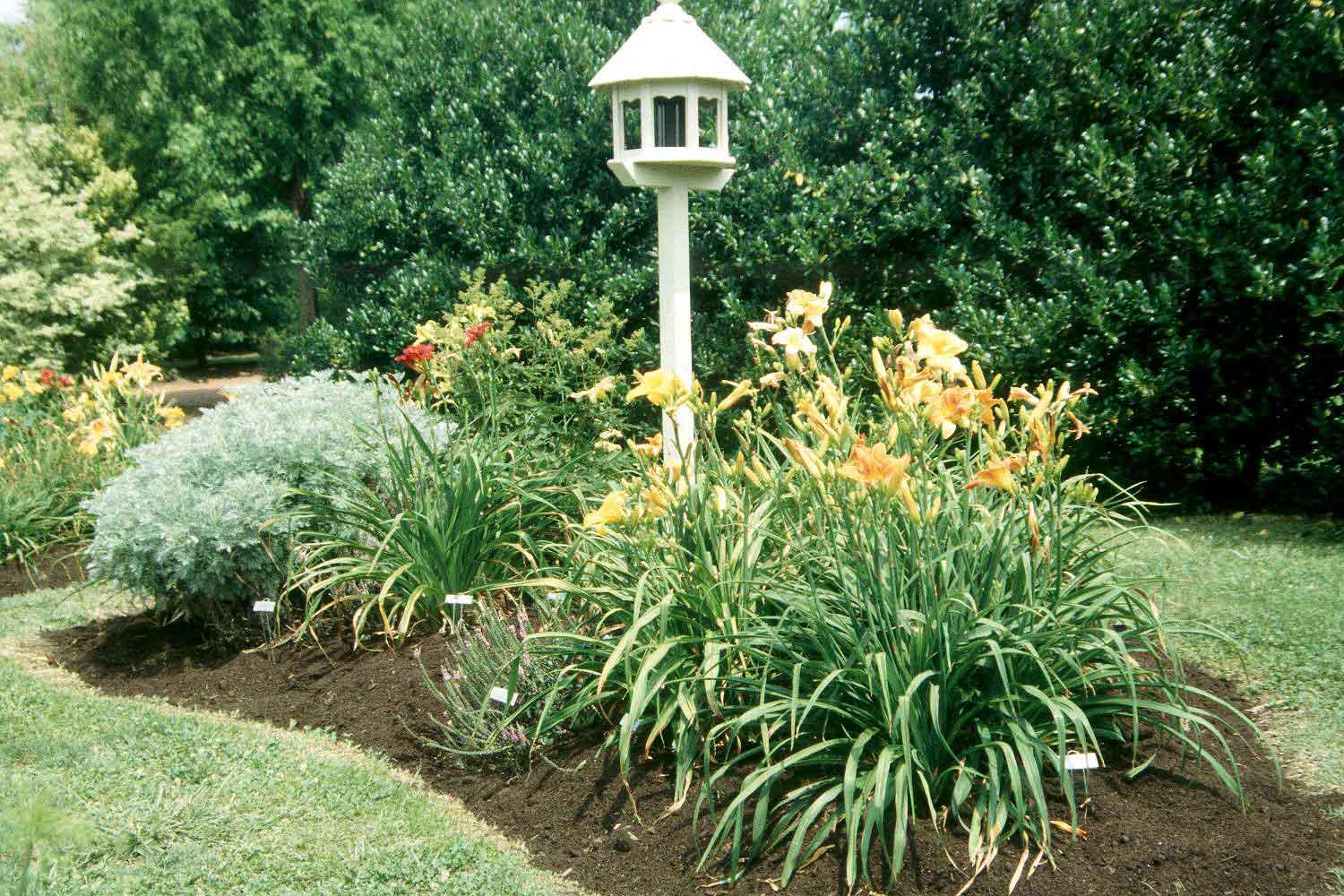
To get daylilies to multiply, you can use several methods, including division, seeds, and offsets. Each method has its advantages and appropriate timing. Below are detailed explanations of these methods.
Dividing Daylilies
Dividing daylilies is one of the most effective ways to multiply these plants. This process involves digging up the clumps of daylilies and separating them into smaller sections.
See also:
- When to Divide: The best time to divide daylilies is in early spring or late summer, ideally after blooming has finished.
- How to Divide: Use a spade to dig around the clump, lift it out of the ground, and then gently pull or cut the clump apart into smaller pieces, ensuring that each division has roots and shoots.
- Replanting: Replant the divisions immediately in well-prepared soil, watering them thoroughly to help establish their roots.
Growing from Seeds
Growing daylilies from seeds is a longer process but can result in unique varieties.
- Seed Collection: After the daylilies bloom, allow the seed pods to mature and dry on the plant before harvesting them.
- Sowing Seeds: Sow the seeds in a seed-starting mix indoors in late winter or early spring, ensuring they are barely covered with soil.
- Transplanting: Once the seedlings grow a few sets of leaves and are sturdy enough, transplant them outdoors in their permanent location after the last frost.
Offsets and Pups
Offsets, or pups, are smaller bulbs that develop around the main clump of daylilies. These can also be used to propagate new plants.
- Identifying Offsets: Look for smaller bulbs or shoots that are attached to the main clump, typically found during the growing season.
- Harvesting Offsets: Carefully dig around the main clump to extract the offsets, ensuring you do not damage their roots.
- Planting Offsets: Replant the offsets in a suitable location with good soil, giving them adequate distance from one another for growth.
Care After Planting
Proper care after planting is essential for the success of multiplying daylilies.
- Watering: Water the newly planted divisions or seeds consistently without making the soil waterlogged, especially during the first few weeks.
- Fertilizing: Apply a balanced fertilizer after new growth appears to encourage healthy plant development.
- Weeding: Regularly check for weeds around the newly planted daylilies, as they compete for nutrients and water.
Pest and Disease Management
Monitoring for pests and diseases is crucial for a healthy daylily garden.
- Common Pests: Watch for aphids, spider mites, and snails; use organic pesticides or hand-picking to manage infestations.
- Disease Identification: Recognize signs of common diseases such as root rot or fungal infections, which can be prevented with proper drainage and airflow.
- Prevention Methods: Ensure you plant in well-draining soil and practice crop rotation if using seeds to minimize disease risks.
What happens if you don't divide daylilies?
:max_bytes(150000):strip_icc()/GettyImages-89445033-b223502958a44cff8c5819e9df1cffd2.jpg)
If you don't divide daylilies, several issues can arise that can negatively impact their overall health and performance. Daylilies are hardy perennials, but they do require some maintenance to thrive over time. Failing to divide them can lead to overcrowding, reduced flowering, and vulnerability to pests and diseases.
Overcrowding Issues
Daylilies tend to grow densely over the years as their clumps increase in size. If they are not divided regularly, they can become overcrowded, which leads to competition for resources.
- Reduced Airflow: Overcrowded plants have less space, reducing airflow around each plant. This can lead to increased humidity levels, fostering conditions for fungal diseases.
- Nutrient Competition: As the clumps grow larger, individual plants within the clump compete for nutrients and water, which can stunt their growth and flowering.
- Smaller Flowers: In overcrowded conditions, daylilies may produce fewer and smaller blooms, as the energy and resources are spread thin across too many plants.
Declining Flower Production
Not dividing daylilies can significantly impact their ability to produce flowers effectively. Healthy daylilies usually thrive with adequate space and nutrients.
- Energy Distribution: Plants that are too closely spaced may not have enough energy allocated for flowering, diverting it instead to survival and vegetative growth.
- Less Vibrant Colors: When daylilies are crowded, the flowers may appear less vibrant and lively compared to those from well-spaced clumps.
- Fewer Blooms: Over time, you may notice a marked decrease in the number of blooms, as the plants focus on maintaining health rather than reproduction.
Pest and Disease Vulnerability
An overcrowded daylily colony is more susceptible to pests and diseases, potentially leading to complete plant failure if not managed.
- Increased Pest Attraction: Crowded plants can attract more pests like aphids and spider mites, as they provide a conducive habitat.
- Spread of Disease: Diseases can spread more rapidly among tightly packed plants, especially in humid conditions, making treatment more challenging.
- Weakened Plants: When pests and diseases take hold, they can weaken the plants, making them more vulnerable to further environmental stresses.
Decreased Lifespan
Failing to divide daylilies can shorten their overall lifespan, leading to less enjoyment from your garden.
See also:
- Old Age Signs: Over time, older plants will show signs of decline, including dead leaves and stunted growth, which can be exacerbated by overcrowding.
- Less Resilience: Aging, undivided clumps tend to be less resilient to environmental stressors, such as drought or extreme temperatures.
- Eventual Decline: Without division, the plants may eventually die off entirely, necessitating complete replacement rather than rejuvenation.
Limited Propagation Opportunities
Not dividing your daylilies limits your gardening options and reduces your ability to propagate new plants.
- Less Variety: Division is a simple way to cultivate more plants or share with friends, and not dividing restricts the variety in your garden.
- Homogeneity: Keeping your plants in the same location can lead to a less dynamic garden ecosystem, lacking diversity in growth and bloom times.
- Growth Stagnation: Without taking measures to propagate, your garden may become stagnant, with less overall interest and adaptability over time.
Can daylilies get overcrowded?

Yes, daylilies can become overcrowded over time. This overcrowding typically occurs when the plants multiply and expand beyond their allotted space, leading to decreased flowering and overall plant health. In a healthy growing environment, daylilies can produce new bulbs or clumps every few years. However, without proper maintenance, these clumps can become too dense. Overcrowded daylilies may experience reduced air circulation and nutrient competition, which can make them susceptible to diseases and pests. Addressing overcrowding through division and replanting is essential for maintaining the vigor of the plants.
Understanding Daylily Growth
Daylilies grow from tuberous roots that produce multiple stems each season. While they are generally low-maintenance plants, it is critical to understand their growth habits to prevent overcrowding. As they proliferate, it is essential to monitor their spacing to ensure each plant has adequate room to thrive.
- Reproductive Cycle: Daylilies reproduce by forming new crowns and tubers.
- Growth Rate: In optimal conditions, daylilies can expand rapidly.
- Spacing Needs: Proper spacing allows for better access to nutrients and light.
Signs of Overcrowding
Identifying the signs of overcrowding in daylilies is crucial for timely intervention. Common indicators include reduced flowering, smaller blooms, and poor overall health. When daylilies are overcrowded, they may also appear to be competing for resources.
- Reduced Flowering: Fewer blooms per plant is a key indicator.
- Smaller Blooms: Flowers may become less vibrant and decrease in size.
- Weak Growth: Stalks may appear thin and spindly due to competition.
Effects of Overcrowding
Overcrowded daylilies can lead to a series of negative effects that ultimately reduce their health and aesthetic value in the garden. These effects underscore the importance of regular maintenance.
- Competition for Nutrients: As roots spread and intertwine, they compete for the same supply of essential nutrients.
- Pest and Disease Issues: Crowded plants invite pests and diseases due to limited airflow.
- Decreased Aesthetic Appeal: An overcrowded bed can look messy and unkempt.
Preventing Overcrowding
Preventing overcrowding in daylilies involves proactive garden management strategies. It's highly recommended to assess your garden regularly and take steps to maintain optimal growth conditions.
- Regular Monitoring: Keep an eye on the growth patterns and density of your daylilies.
- Timely Division: Divide clumps every 3-5 years to keep them healthy.
- Proper Spacing: Plant daylilies according to recommended spacing guidelines to allow for expansion.
Dividing Daylilies
When overcrowding occurs, one of the most effective solutions is to divide the daylilies. This process rejuvenates the plants and enhances their flowering potential, restoring their health.
- Best Timing: Early spring or after blooming is ideal for dividing.
- Tools Needed: Use a sharp spade or garden fork for effective division.
- Aftercare: Water the newly divided plants thoroughly and monitor their growth.
Questions from Our Readers
Do daylilies multiply?
Yes, daylilies do multiply naturally through a process called clumping. Over time, as the plants grow, they produce additional shoots or fans that can be divided to create new plants.
How do daylilies spread?
Daylilies spread primarily through rhizomes, which are underground stems that produce new growth. This allows them to establish new plants nearby, effectively increasing their presence in the garden.
See also:
When is the best time to divide daylilies?
The best time to divide daylilies is typically in the spring or early fall when the plants are not actively blooming. Dividing during these times helps to minimize stress on the plants and promotes healthy growth.
Can daylilies be propagated from seeds?
Yes, daylilies can be propagated from seeds, although this method is less common than division. Seed propagation can lead to variations in flower color and form, making it an interesting option for gardeners looking to grow unique plants.

If you want to read more articles like Do Daylilies Multiply? A Comprehensive Guide to Their Growth and Propagation, we recommend you check out our Daylily category.
Leave a Reply
Related Articles