Can You Plant Daylily Seeds Directly in the Ground? A Comprehensive Guide to Successful Planting

Planting daylily seeds can be a rewarding venture for gardeners seeking vibrant blooms and low-maintenance perennials. However, many enthusiasts wonder if it's feasible to sow these seeds directly into the ground. This comprehensive guide will explore the intricacies of planting daylily seeds, detailing the best practices for successful germination and growth. From selecting the ideal location to understanding soil conditions and the right time for planting, we’ll cover all the essential aspects to help you achieve a flourishing garden filled with beautiful daylilies. Dive in to discover how to turn your planting ambitions into a colorful reality.
Can You Plant Daylily Seeds Directly in the Ground?
Yes, you can plant daylily seeds directly in the ground, but success depends on a few important factors. While daylilies can be grown from seeds, it's essential to choose a suitable planting site, ensuring it has well-drained soil and receives full sunlight. Planting the seeds in early spring after the last frost will increase germination rates. Additionally, preparing the soil by tilling and adding organic matter can significantly improve growing conditions. However, patience is key, as seeds may take a full season to germinate and produce flowering plants.
Optimal Planting Time
The optimal planting time for daylily seeds is typically in early spring, after the danger of frost has passed. This timing allows the seeds to take advantage of the warm soil and increasing sunlight, both of which are crucial for germination. In some regions, late fall is also an option, as the seeds can undergo a natural cold stratification process in winter, leading to better germination rates in the spring.
Soil Preparation
Before planting daylily seeds, preparing the soil is vital for healthy growth. The soil should be loamy, well-drained, and enriched with organic matter such as compost. Ensure the pH level is slightly acidic to neutral (around 6.0 to 7.0) to create an optimal environment for germination and root development. Properly preparing the soil can significantly enhance the seed's chances of thriving once planted.
Watering Requirements
Maintaining proper watering practices during the germination period is crucial for the successful growth of daylily seeds. After planting, the soil should be kept moist but not waterlogged. Light, consistent watering encourages seed germination while preventing root rot. Once the seedlings have emerged and established themselves, they will require less frequent watering, as daylilies are relatively drought-tolerant.
Sunlight Needs
Daylilies thrive in full sun conditions, requiring at least 6 hours of direct sunlight daily for optimal growth. It is important to select a planting location that provides adequate sunlight, as insufficient light can lead to weak plants with fewer flowers. If daylilies do not receive enough sun, they may become leggy and produce fewer blooms, ultimately impacting their health and aesthetic appeal.
Germination Timeline
The germination timeline for daylily seeds can vary but typically ranges from two to four weeks under the right conditions. Factors such as soil temperature, moisture, and light can influence how quickly seeds sprout. Once germinated, seedlings will require time to establish their root systems before they can be transplanted or grown in their permanent locations, which often takes a full growing season before they flower.
| Factor | Recommendation |
|---|---|
| Optimal Planting Time | Early Spring (after frost) |
| Soil Type | Well-drained, loamy soil |
| Watering | Keep soil moist, but not soggy |
| Sunlight | Full sun (at least 6 hours) |
| Germination Period | 2 to 4 weeks |
How long does it take for daylilies to grow from seed?

To grow daylilies from seed, it typically takes around 2 to 3 years for the plants to mature and bloom. This timeframe includes several stages, starting from seed germination to the establishment of a flowering plant. The growth process is highly dependent on several factors, such as seed quality, environmental conditions, and care during the growth stages.
Factors Affecting Germination Time
The time it takes for daylily seeds to germinate can vary based on several factors:
See also:
- Seed Viability: Older or improperly stored seeds may take longer to germinate.
- Temperature: Ideal soil temperature for daylily seed germination is between 70°F to 75°F.
- Moisture Levels: Consistent moisture is essential; seeds may take longer to germinate if the soil is too dry.
Seed Starting Techniques
Using proper seed starting techniques can significantly impact the growth timeline:
- Stratification: Pre-treating seeds through cold stratification can enhance germination rates.
- Soil Type: A well-draining seed starting mix encourages faster growth.
- Light Exposure: Providing adequate light (12-16 hours a day) is crucial for healthy seedling development.
Transplanting Seedlings
Once the seedlings have reached a certain size, transplanting them properly is crucial for their growth:
- Timing: Transplant seedlings when they have at least two sets of true leaves.
- Spacing: Ensure adequate spacing to allow for airflow and growth.
- Environment: Gradually acclimate seedlings to outdoor conditions before planting them in the garden.
Maintenance of Daylily Plants
Proper maintenance will ensure that the daylilies grow strong and healthy:
- Watering: Regular watering, particularly during dry spells, promotes growth.
- Fertilization: Using a balanced fertilizer can help boost growth during the early stages.
- Pest Control: Monitoring for pests and diseases will protect young plants from damage.
Timeframe for Blooming
The blooming period of daylilies can vary once they have reached maturity:
- First Year Blooms: Some daylilies may produce their first blooms as early as the second summer after planting.
- Peak Blooming: Most varieties will reach their peak blooming within 2 to 3 years.
- Continued Blooming: After establishing, daylilies typically bloom annually with increased vigor.
Can I plant flower seeds straight in the ground?
:max_bytes(150000):strip_icc()/how-to-direct-sow-garden-seeds-2539874-hero-32074607f4f94af9a5260980f98280c6.jpg)
Yes, you can plant flower seeds straight in the ground, a method known as direct sowing. This technique allows you to plant seeds directly into the garden soil, provided that the conditions are suitable for the specific type of flower you're attempting to grow. Here are some important considerations to keep in mind when direct sowing your flower seeds:
Understanding the Right Timing
To successfully plant flower seeds directly into the ground, it's essential to choose the right timing:
- Spring Planting: Most flower seeds should be sown in the spring after the last frost date.
- Soil Temperature: Ensure the soil temperature is appropriate (typically above 60°F or 15°C for many flowers).
- Seed Specifics: Check the seed packet for specific planting dates and conditions for the type of flower.
Preparing the Soil
Soil preparation is crucial for seed success:
- Clear Debris: Remove weeds, rocks, and old plant material from the planting area.
- Loosen the Soil: Use a garden fork or tiller to aerate and loosen the soil for better seed-to-soil contact.
- Nutrient Addition: Consider adding organic compost or fertilizer to enrich the soil.
Sowing the Seeds
The actual sowing process requires attention to detail:
- Seed Depth: Plant seeds at the depth recommended on the seed packet for optimal germination.
- Spacing: Follow the spacing guidelines to avoid overcrowding, which can hinder growth.
- Watering: Lightly water the area after planting to ensure the seeds settle into the soil.
Aftercare for Newly Sown Seeds
Proper aftercare is necessary for seedling success:
See also:
- Regular Watering: Keep the soil consistently moist, but not soggy, throughout the germination phase.
- Weed Control: Regularly check for weeds that can compete with your seeds for nutrients and water.
- Monitoring Growth: Keep an eye on the seeds as they sprout and thin them out if necessary.
Challenges of Direct Sowing
While direct sowing is beneficial, it comes with some challenges:
- Weather Sensitivity: Seeds may be adversely affected by unexpected weather changes, such as heavy rain or frost.
- Pest Management: Young seedlings can be vulnerable to pests; monitor for signs of infestation.
- Variable Germination Rates: Not all seeds will germinate at the same time, requiring patience and continued care.
How long do lily seeds take to germinate?
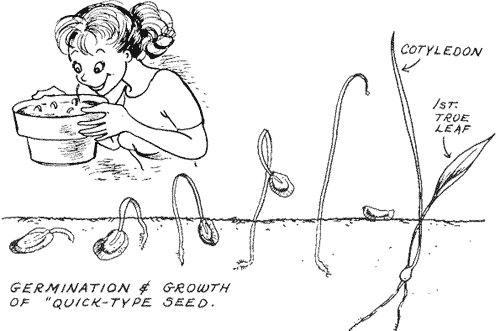
Lily seeds typically take about 14 to 30 days to germinate under optimal conditions. However, several factors can influence this time frame, including the species of lily, environmental conditions, and seed dormancy. It’s important to note that while some seeds may sprout quickly, others may require special treatment to break dormancy, leading to longer germination times.
Factors Affecting Germination Time
Several factors can affect the germination time of lily seeds:
- Seed Species: Different species of lilies have different germination times. For example, some species like the Asiatic lily may germinate faster than others like the Oriental lily.
- Temperature: Ideal temperatures for germination generally range from 70°F to 75°F (21°C to 24°C). Too low or high temperatures can delay sprouting.
- Moisture Levels: Consistent moisture is crucial. Seeds that are too dry may not germinate, while overly wet seeds may rot.
Preparation of Lily Seeds
Proper preparation of lily seeds can significantly enhance their germination rates:
- Stratification: Some lily seeds require a cold stratification period to germinate. This mimics natural conditions where seeds undergo a winter chill.
- Seed Scarification: If the seed coat is very hard, gently nicking the seeds can help water penetrate and initiate germination.
- Pre-soaking: Soaking seeds in water for several hours before planting can stimulate germination.
Ideal Growing Conditions
Creating the right environment is crucial for successful germination of lily seeds:
- Soil Type: Use a well-draining seed-starting mix that retains some moisture yet allows for good aeration.
- Light Requirements: While seeds do not need direct light to germinate, providing bright but indirect light will help seedlings grow strong after they sprout.
- Humidity: Covering the seeds with a humidity dome or plastic wrap can help maintain moisture levels during germination.
After Germination Care
Once the seeds have germinated, specific care is essential to ensure healthy plants:
- Transplanting: Once the seedlings develop a few true leaves, thin them or transplant them to larger pots with suitable potting soil.
- Watering: Keep the soil consistently moist but not waterlogged. Overwatering can lead to damping-off, a fungal disease affecting seedlings.
- Light Adjustment: As seedlings grow, gradually increase their exposure to light to prevent them from becoming leggy.
Common Issues with Germination
Several issues may arise during the germination process of lily seeds:
- Pests: Keep an eye out for pests that may disrupt seedling growth, such as aphids or snails.
- Damping-off: This fungal disease can occur in overly wet conditions, causing seedlings to rot away. Adequate air circulation helps prevent this.
- Failure to Germinate: If seeds do not germinate within 30 days, they may need additional treatments such as further stratification or scarification.
Questions from Our Readers
Can you plant daylily seeds directly in the ground?
Yes, you can plant daylily seeds directly in the ground. However, it is often recommended to start them indoors for better germination rates and to protect them from adverse weather conditions.
What is the best time to plant daylily seeds?
The best time to plant daylily seeds is in the spring after the last frost has passed or in the fall. This allows the seeds to establish themselves properly and prepares them for optimal growth.
See also:
How deep should daylily seeds be planted?
Daylily seeds should be planted about 1/4 to 1/2 inch deep in the soil. This depth ensures they have enough coverage to retain moisture while still being close enough to the surface to germinate effectively.
Do daylily seeds require special treatment before planting?
Yes, daylily seeds often benefit from stratification, which mimics winter conditions to help break dormancy. Soaking the seeds in water for 24 hours before planting can also promote better germination rates.

If you want to read more articles like Can You Plant Daylily Seeds Directly in the Ground? A Comprehensive Guide to Successful Planting, we recommend you check out our Daylily category.
Leave a Reply
Related Articles