What are the Benefits of Growing Echinacea? Discover Its Unique Advantages for Your Garden and Health.

Echinacea, commonly known as coneflower, is a vibrant and resilient plant that offers a multitude of benefits for both the garden and personal health. With its striking purple petals and unique conical center, this perennial not only enhances the aesthetic appeal of any outdoor space but also attracts beneficial pollinators like bees and butterflies. Beyond its visual charm, Echinacea is renowned for its medicinal properties, particularly in boosting the immune system and fighting respiratory infections. In this article, we will delve into the unique advantages of growing Echinacea, exploring how it can enrich your garden and contribute positively to your well-being.
Benefits of Growing Echinacea
Growing Echinacea, also known as coneflower, offers a multitude of benefits not only for gardeners but also for the environment and health. This hardy perennial is renowned for its stunning blooms that attract pollinators like bees and butterflies, thereby enhancing biodiversity in gardens. Furthermore, Echinacea is valued for its medicinal properties; it is commonly used in herbal remedies to boost the immune system, offering protection against colds and infections. By cultivating this vibrant plant, gardeners can enjoy beautiful aesthetics while also contributing to ecological health and accessing natural wellness benefits.
Attracting Pollinators
One of the most notable benefits of growing Echinacea is its ability to attract pollinators. The colorful flowers serve as a vital food source for bees, butterflies, and other beneficial insects. This not only enhances the beauty of your garden but also plays a crucial role in supporting local ecosystems. A diverse range of pollinators helps in the pollination of various plants, which is essential for the production of fruits and seeds, thereby promoting a thriving garden environment.
Medicinal Properties
Echinacea has a long history of use in traditional medicine. Known for its anti-inflammatory and immune-boosting properties, this plant is often utilized in herbal supplements to help ward off infections and colds. The active compounds found in Echinacea, such as alkamides and polysaccharides, have been studied for their ability to stimulate the immune response, making it a popular choice for natural health enthusiasts seeking preventive remedies.
Low Maintenance Requirements
Another advantage of growing Echinacea is its low maintenance requirements. This resilient perennial can thrive in various soil types and conditions, making it an excellent choice for both beginners and experienced gardeners. Once established, Echinacea requires minimal watering and care, allowing gardeners to enjoy its beauty without the need for constant attention. Its drought resistance makes it particularly suitable for xeriscaping, where water conservation is a priority.
Enhancing Aesthetic Appeal
With their striking, daisy-like blooms in shades of pink, purple, and white, Echinacea plants significantly enhance the aesthetic appeal of gardens. Their unique shape and vibrant colors provide visual interest from mid-summer through fall. Additionally, they can be used in various landscaping designs, including borders, wildflower gardens, and naturalistic settings, providing versatility for gardeners looking to create stunning displays.
Soil Health Improvement
Growing Echinacea can also contribute positively to soil health. As a deep-rooted plant, Echinacea helps to improve soil structure by preventing erosion and promoting aeration. Its ability to thrive in less-than-ideal soils means that it can help restore depleted garden areas. Moreover, the organic matter from decaying Echinacea plants enriches the soil, supporting healthier growth for surrounding plants.
| Benefit | Description |
|---|---|
| Attracting Pollinators | Enhances biodiversity by drawing essential pollinators like bees and butterflies. |
| Medicinal Properties | Boosts immune health and helps fight off infections and colds. |
| Low Maintenance | Requires minimal care, suitable for various skill levels and conditions. |
| Aesthetic Appeal | Provides vibrant color and visual interest in the garden throughout the growing season. |
| Soil Health Improvement | Enhances soil structure and fertility, benefiting surrounding plants. |
What is an Echinacea plant good for?

Echinacea is a genus of flowering plants in the daisy family, known for its medicinal properties, particularly Echinacea purpurea, which is most commonly used. The plant is primarily valued for its ability to enhance the immune system and has been traditionally used to prevent or treat colds and other upper respiratory infections.
Echinacea and Immune System Support
Echinacea is widely recognized for its potential to bolster the immune system. Studies suggest that it may help increase the production of white blood cells, which are crucial for fighting infections. The use of Echinacea can be beneficial in the following ways:
See also:
- Enhances the body’s natural defense mechanisms.
- May reduce the duration and severity of colds.
- Supports overall health by preventing infections.
Respiratory Infections Treatment
Echinacea is often employed to treat respiratory infections. Its anti-inflammatory properties can aid in alleviating symptoms of illnesses such as the common cold, flu, and sinusitis. The benefits include:
- Reduces symptoms of inflammation in the respiratory tract.
- May alleviate sore throats and coughs.
- Encourages quicker recovery from upper respiratory infections.
Anti-Inflammatory Effects
The anti-inflammatory properties of Echinacea make it useful in managing various conditions associated with inflammation. This characteristic can offer several advantages:
- Helps reduce swelling and discomfort from infections.
- May assist in managing chronic inflammatory conditions.
- Promotes overall wellness by reducing systemic inflammation.
Skin Health Benefits
Echinacea also possesses properties that can benefit skin health. It is often included in topical formulations for its soothing effects. Here are some potential skin-related benefits:
- May help accelerate wound healing.
- Reduces symptoms of eczema and psoriasis.
- Acts as a natural remedy for minor skin irritations.
Potential Antioxidant Properties
Research indicates that Echinacea may contain antioxidants, which help to combat oxidative stress in the body. This can provide a range of health benefits:
- Might protect cells from damage caused by free radicals.
- May improve overall health by supporting cellular function.
- Can enhance the effectiveness of the immune system through detoxification.
Does Echinacea keep bugs away?
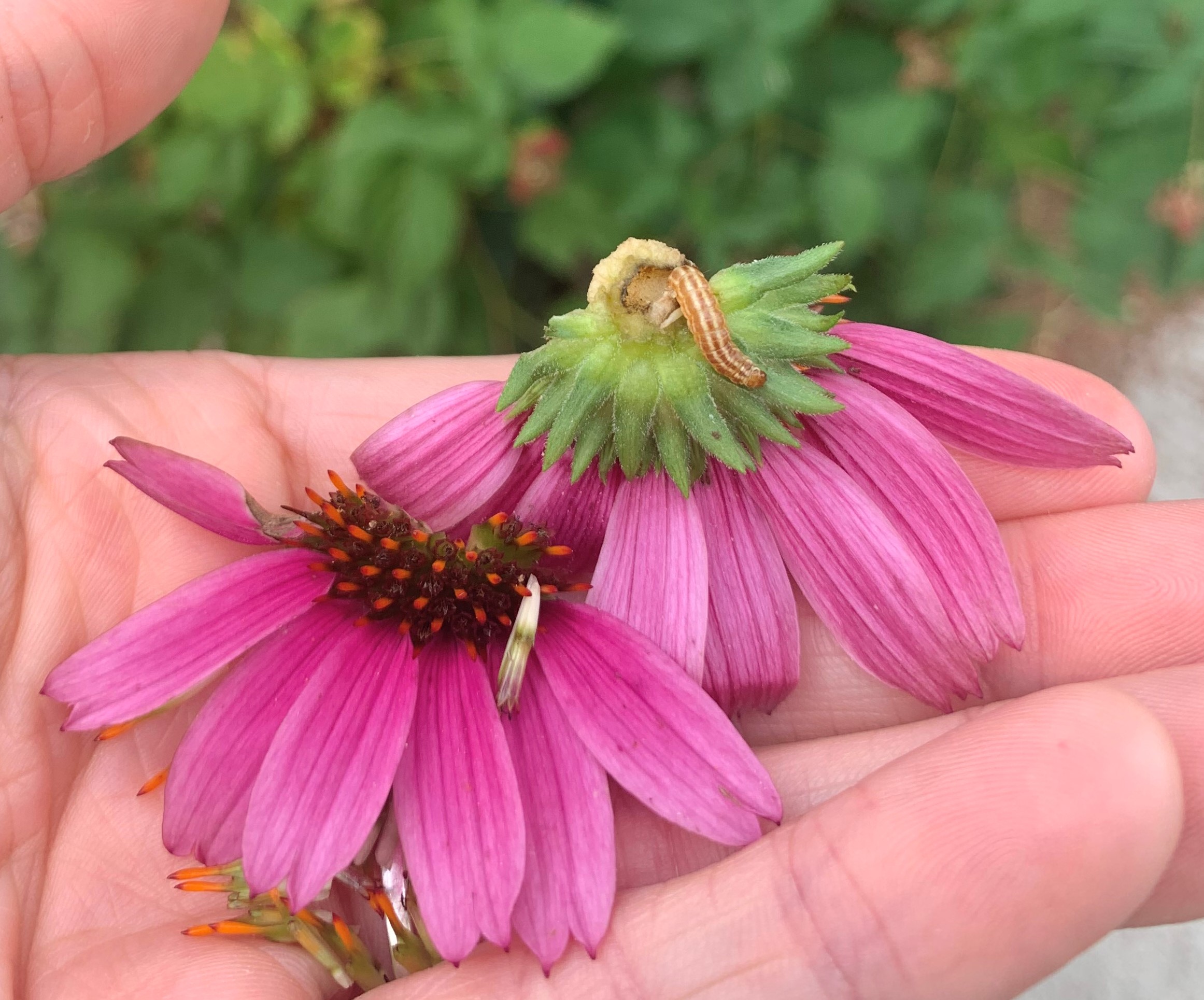
Echinacea is widely known for its potential benefits in boosting the immune system and its use in herbal remedies. However, when it comes to the question of whether Echinacea keeps bugs away, the answer isn't straightforward.
Echinacea as a Natural Insect Repellent
Echinacea is not primarily known as an insect repellent, but some anecdotal evidence suggests that its scent might deter certain insects. This potential is linked to the presence of specific compounds in Echinacea, such as alcohols and esters. However, scientific studies on this topic are limited.
- The aromatic compounds may confuse or repel insects.
- In some cases, it could mask the scent that attracts them.
- Usage in oil form might be more effective than in herbal infusions.
How Echinacea Affects Different Types of Bugs
Different species of insects may respond to Echinacea differently. While there is no definitive research proving that Echinacea effectively repels all bugs, some studies suggest that it might have a mild effect on specific groups.
- Certain studies have indicated potential repellent effects against mosquitoes.
- Other insects, like ants and flies, may show varied responses.
- Not all insects will be repelled; efficacy can depend on the species and environmental factors.
The Role of Echinacea in Gardens
Ingardens, Echinacea plants are more recognized for attracting pollinators than repelling pests. Their vibrant blooms can lure beneficial insects, adding complexity to the dynamics of the garden ecosystem.
- Pollinators such as bees and butterflies are attracted to Echinacea flowers.
- Some pests may be deterred from approaching other plants nearby.
- Overall, they contribute positively to biodiversity in the garden.
Alternative Uses of Echinacea in Pest Control
While Echinacea may not be a robust insect repellent, it might have roles in broader pest management strategies. Extracts or preparations could be integrated with other natural repellents for enhanced effects.
See also:
- Mixing Echinacea with other herbal repellents could improve efficacy.
- Creating a spray using Echinacea extracts may help deter some insects.
- Complementing Echinacea with beneficial plants can enhance pest management.
The Importance of Scientific Research
To fully understand the potential of Echinacea as an insect repellent, further scientific research is essential. Most claims remain unverified, and additional studies could provide clearer insights into its effectiveness against pests.
- Research into specific Echinacea compounds may help identify active repellent ingredients.
- Understanding the interaction between Echinacea and various insect species is crucial.
- More studies can help validate the anecdotal evidence and inform better uses.
What does Echinacea do to the brain?
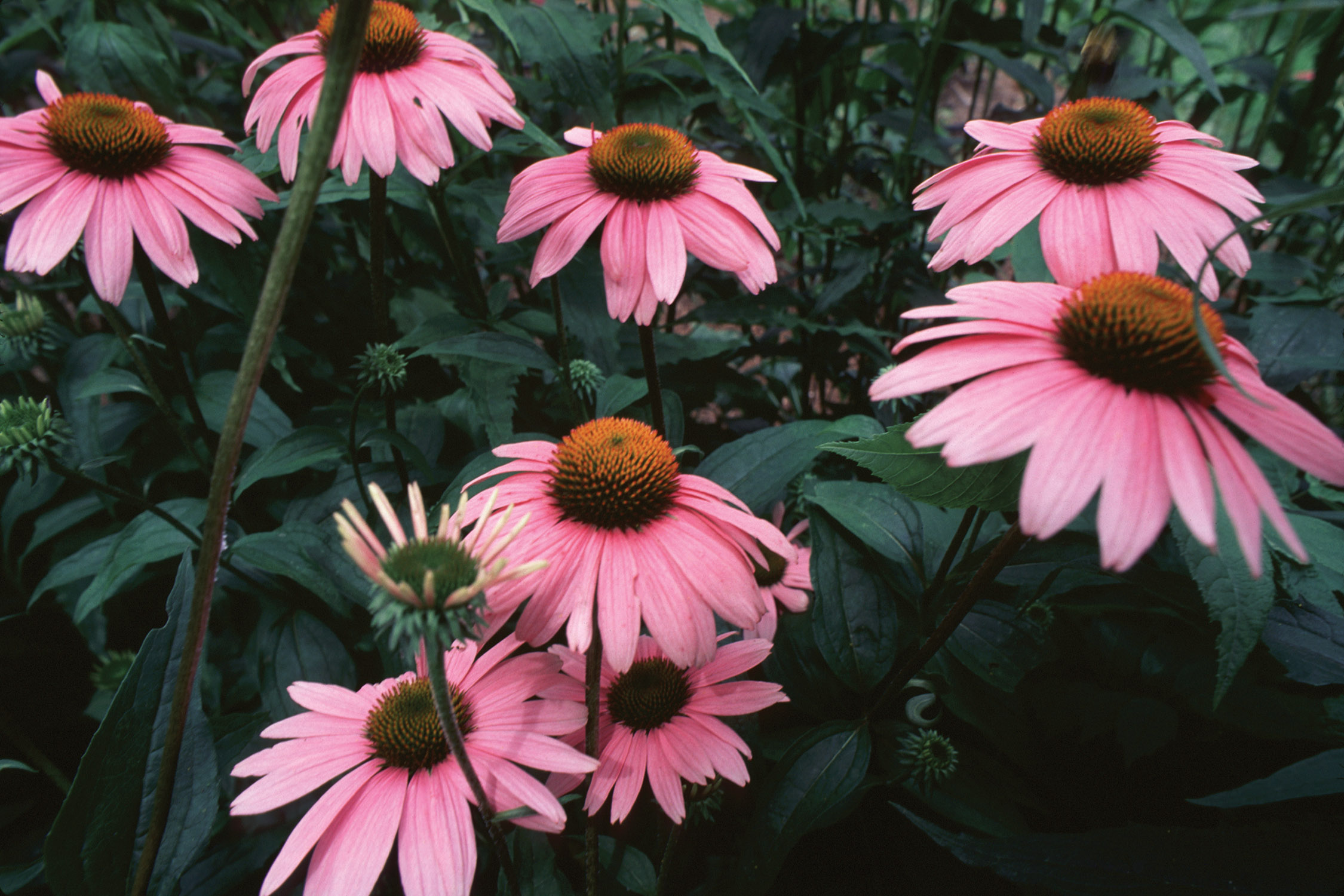
Echinacea, a popular herbal remedy, is primarily known for its immune-boosting properties. However, its effects on the brain are gaining attention in the scientific community. Research suggests that Echinacea may impact brain function through various mechanisms, although evidence is still emerging.
Effects on Neurotransmitter Activity
Echinacea appears to influence the levels of certain neurotransmitters in the brain, which are essential for communication between neurons. This can have various effects, including:
- Increased serotonin levels: Higher serotonin may improve mood and reduce anxiety.
- Dopamine modulation: Echinacea may support dopamine balance, potentially enhancing motivation and pleasure.
- Enhanced neuroprotective effects: Some compounds in Echinacea may protect brain cells from damage.
Anti-Inflammatory Properties
Chronic inflammation in the brain is linked to several neurodegenerative diseases. Echinacea contains compounds that exhibit anti-inflammatory properties, which can be beneficial for brain health. The potential outcomes include:
- Reduction of neuroinflammation: Compounds in Echinacea may lower inflammatory markers in the brain.
- Potential to combat neurodegeneration: By reducing inflammation, Echinacea could help slow the progression of diseases like Alzheimer's.
- Support for cognitive function: By alleviating inflammation, brain health and cognitive abilities could be preserved.
Immune System Interaction
Echinacea is primarily valued for its ability to enhance the immune system. This immune modulation may indirectly influence brain health. Key interactions might include:
- Reduction of systemic inflammation: By boosting the immune response, Echinacea can reduce inflammation that affects brain function.
- Impact on mood modulation: A well-functioning immune system is linked to better overall mood and mental health.
- Evidence for stress reduction: Enhanced immune response may lead to lower stress levels, positively affecting brain health.
Potential Cognitive Enhancements
Some preliminary research suggests that Echinacea may have potential benefits for cognitive enhancement. Possible cognitive improvements include:
- Increased alertness: Echinacea may promote higher levels of energy and alertness.
- Improved memory: Certain compounds might support memory retention and recall.
- Support for learning processes: Enhanced cognitive function can facilitate better learning and adaptation.
Safety and Side Effects
Understanding the safety profile of Echinacea is essential when considering its effects on the brain. The potential side effects include:
- Allergic reactions: Some individuals may experience allergic reactions, particularly if they are sensitive to related plants.
- Interactions with medications: Echinacea may interact with certain medications, particularly immunosuppressants.
- Gastrointestinal issues: High doses could lead to minor digestive disturbances in some users.
Questions from Our Readers
What are the primary health benefits of growing Echinacea?
Echinacea is known for its immunomodulatory effects, which help enhance the body's immune response. Many people grow Echinacea for its potential to reduce the duration and severity of colds and other respiratory infections. Its anti-inflammatory properties also make it beneficial for dealing with certain health conditions.
Is Echinacea easy to grow in home gardens?
Yes, Echinacea is relatively easy to cultivate, making it a popular choice for home gardeners. It thrives in well-drained soil and prefers full sunlight, which means it can be grown in a variety of regions. Its drought tolerance also makes it suitable for those who might struggle to maintain a regular watering schedule.
See also:
Can Echinacea be used in herbal remedies?
Absolutely, Echinacea is commonly used in herbal remedies and can be prepared in various forms, including teas, tinctures, and capsules. The active compounds in the plant are thought to contribute to its therapeutic properties, making it a valuable addition to any herbal medicine cabinet.
What other benefits does Echinacea provide beyond health?
In addition to its health benefits, Echinacea is also appreciated for its aesthetic appeal in gardens. Its vibrant flowers attract pollinators like bees and butterflies, enhancing biodiversity. Furthermore, Echinacea can help improve soil quality and reduce weeds, making it a beneficial plant for both the environment and garden aesthetics.

If you want to read more articles like What are the Benefits of Growing Echinacea? Discover Its Unique Advantages for Your Garden and Health., we recommend you check out our Echinacea category.
Leave a Reply
Related Articles