Ultimate Guide: How Deep to Plant Garlic Zone 3? Tips for Successful Growth
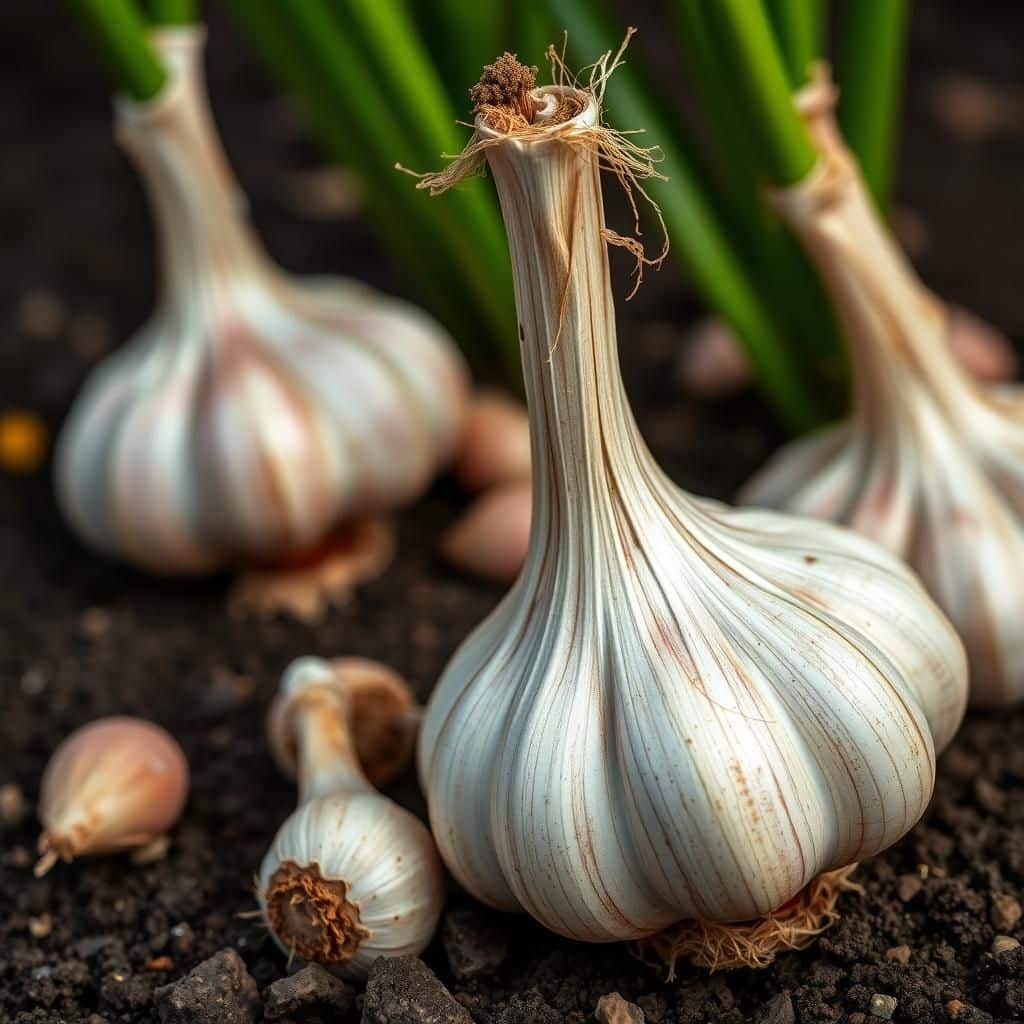
Garlic is a versatile and essential herb that can enhance the flavor of countless dishes. For gardeners in USDA Zone 3, understanding how deep to plant garlic is crucial for achieving successful growth in cooler climates. The right planting depth not only protects the cloves from harsh winter temperatures but also ensures proper development and yields during the growing season. In this ultimate guide, we will cover the optimal planting depth for garlic in Zone 3, along with key tips for preparing the soil, selecting the right garlic varieties, and caring for your plants to ensure a bountiful harvest.
How Deep to Plant Garlic in Zone 3
When planting garlic in Zone 3, it is crucial to plant the cloves at the correct depth to ensure optimal growth and yield. Typically, garlic should be planted 2 to 4 inches deep, with the pointed end of the clove facing upwards. This depth allows for sufficient soil coverage while also providing the garlic with the necessary warmth and moisture to germinate effectively. It is important to consider the soil type and condition; well-drained soil can often be planted slightly deeper, while looser soils may require a shallower planting depth. Additionally, adjusting the depth based on the frost date can also benefit the growth cycle.
Understanding Zone 3 Climate
The climate in Zone 3 is characterized by short summers and long, cold winters, making it essential to choose garlic varieties that can withstand cooler temperatures. Plants in this zone generally have a shorter growing season, so selecting the right planting time and depth is critical for successful garlic cultivation. In colder climates, planting garlic deep enough can help protect it from freezing temperatures and frost damage.
Choosing the Right Garlic Variety
For Zone 3, it is advisable to select hardneck garlic varieties such as 'Rocambole' or 'Porcelain' that tend to perform better in colder conditions. These varieties have stronger bulbs and are more resilient to the lower temperatures experienced in this zone. Additionally, hardneck garlic typically produces larger cloves and better flavor, making them popular among home gardeners in cooler regions.
Soil Preparation Before Planting
Proper soil preparation is crucial for garlic cultivation in Zone 3. The soil should be well-draining to prevent waterlogging, which can lead to bulb rot. Amend the soil with organic matter such as compost to enhance fertility and drainage. Testing the pH of the soil is also advisable; garlic prefers a slightly acidic to neutral pH of around 6.0 to 7.0. Preparing the soil adequately will ensure strong growth and prevent issues later in the season.
Frost Dates and Optimal Planting Time
Knowing the frost dates is vital when planting garlic in Zone 3. Typically, it is recommended to plant garlic 4 to 6 weeks before the first expected frost in your area. This timing allows the garlic to establish roots before the ground freezes. Planting too early may result in sprouting, which exposes the leaves to cold damage, while planting too late can hinder root development.
See also:
Watering Needs After Planting
After planting, garlic requires consistent watering to encourage growth. It's important to keep the soil moist but not waterlogged. During the early growth stages, you should water deeply to ensure the roots penetrate the soil properly. As the season progresses, reduce the frequency of watering to avoid rot. After the cloves have developed, garlic needs less water, especially as the bulbs begin to mature and dry out.
| Aspect | Details |
|---|---|
| Depth | 2 to 4 inches |
| Varieties | Hardneck types like Rocambole and Porcelain |
| Soil pH | 6.0 to 7.0 |
| Frost Timing | 4 to 6 weeks before the first frost |
| Watering | Keep moist, reduce as bulbs mature |
What is the best planting depth for garlic?

The best planting depth for garlic is typically about 2 to 3 inches deep, depending on the soil type and climatic conditions. Planting garlic at the correct depth is essential for optimal growth and bulb development. The cloves should be placed with the pointed end facing upwards, ensuring that the soil completely covers the cloves to provide necessary warmth and moisture retention.
Factors Influencing Planting Depth
The planting depth of garlic can vary based on several factors, including:
- Soil Type: Sandy soils may require planting at a deeper depth, while loamy or clay soils may allow for slightly shallower planting.
- Climate: In warmer climates, deeper planting can help protect the cloves from excessive heat, while colder climates might benefit from shallower planting to warm the soil more quickly.
- Moisture Retention: Deeper planting may help maintain soil moisture levels, which is crucial during the growing season.
Soil Preparation for Garlic Planting
Proper soil preparation is essential for successful garlic planting, which includes:
- Tilling: Prepare the soil by tilling it to a depth of at least 12 inches to ensure good aeration and drainage.
- Organic Matter: Adding compost or well-rotted manure can improve soil fertility and texture, promoting healthy root development.
- pH Levels: Aim for a soil pH between 6.0 and 7.0, as garlic prefers slightly acidic to neutral soil.
Timing for Garlic Planting
The timing of planting is crucial for garlic cultivation; you should consider:
See also:
- Fall Planting: Planting in the fall is recommended as it allows garlic to establish roots before winter temperatures hit.
- Spring Planting: In areas with milder winters, early spring planting is also possible but may result in smaller bulb sizes.
- Local Climate: Adjust planting times based on specific local climate conditions to maximize growth potential.
Identifying Proper Depth During Planting
To ensure cloves are planted at the correct depth, consider the following:
- Measurement: Use a ruler or measuring tape to ensure cloves are placed 2 to 3 inches under the soil surface.
- Visual Indicator: The soil should be firmed around the planted cloves, creating a slight mound over them to ensure they are adequately covered.
- Checking Depth: After planting, gently dig around a few cloves to confirm that they are at the desired depth.
Post-Planting Care for Garlic
After planting garlic, proper care is essential for healthy growth, including:
- Watering: Keep the soil moderately moist, especially during dry spells, but avoid overwatering which can cause rot.
- Mulching: Apply mulch to help retain moisture, suppress weeds, and regulate soil temperature.
- Monitoring Growth: Regularly check for signs of pests or diseases, and take action promptly if any issues arise.
Questions from Our Readers
How deep should garlic be planted in zone 3?
To plant garlic in zone 3, it is recommended to plant the cloves about 2 inches deep. This depth allows the garlic to establish itself properly while ensuring that the soil retains enough moisture for optimal growth.
What type of soil is best for planting garlic in zone 3?
In zone 3, garlic thrives in well-drained, fertile soil that is rich in organic matter. Adding compost or aged manure can improve soil fertility, helping the garlic to grow robustly.
When is the best time to plant garlic in zone 3?
The best time to plant garlic in zone 3 is typically in the early fall, about 4 to 6 weeks before the ground freezes. This allows the garlic cloves to develop roots before winter, leading to better growth in the spring.
How far apart should garlic cloves be planted in zone 3?
Garlic cloves should be spaced about 6 to 8 inches apart in zone 3. This spacing allows adequate room for the plants to grow and ensures they receive enough sunlight and nutrients.
See also:

If you want to read more articles like Ultimate Guide: How Deep to Plant Garlic Zone 3? Tips for Successful Growth, we recommend you check out our Garlic category.
Leave a Reply
Related Articles