How Deep of a Bed Do You Need for Garlic? Essential Tips for Successful Garlic Growth
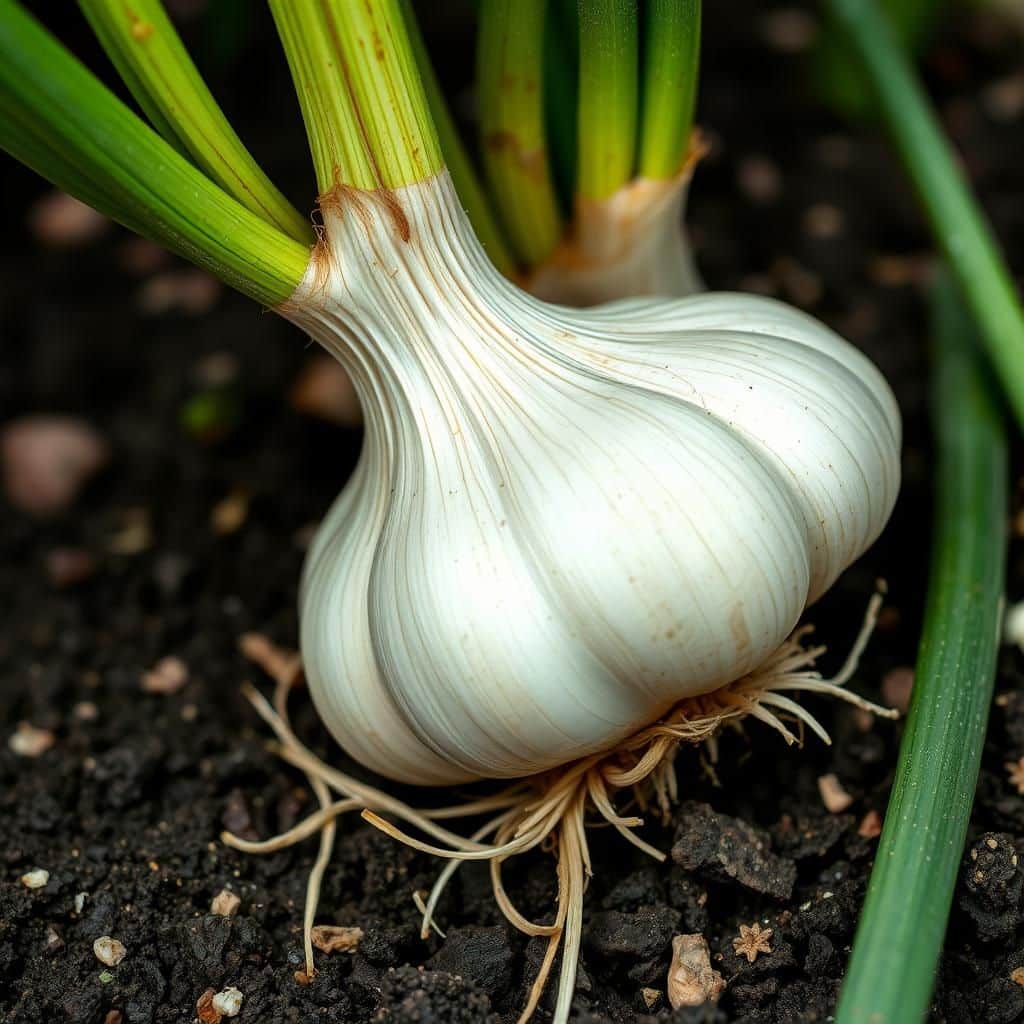
When it comes to growing garlic, understanding the right bed depth is crucial for achieving a successful harvest. Garlic thrives in well-drained, nutrient-rich soil, and the depth of your planting bed can significantly impact its growth and bulb development. Whether you're a seasoned gardener or a beginner, knowing how deep to plant garlic is essential for preventing rot and ensuring robust growth. This article will explore the necessary bed depth for garlic cultivation, along with essential tips to optimize your garlic garden for a bountiful yield. Let’s delve into the factors that contribute to successful garlic growth.
How Deep Should Your Bed Be for Growing Garlic?
To grow garlic effectively, the depth of your bed plays a crucial role in ensuring proper root development and drainage. Ideally, a garlic bed should be at least 6 to 8 inches deep to provide sufficient space for the bulbs to expand and grow healthily. This depth allows for adequate soil aeration, which is essential for the roots, as well as giving the garlic enough room to establish itself and access nutrients. Additionally, ensuring your bed has proper drainage will help prevent waterlogged soil, which can lead to bulb rot.
Importance of Soil Depth for Garlic
The soil depth is vital for cultivating garlic as it directly impacts the plant's growth and yield. Garlic bulbs typically grow downwards and require ample space to develop their roots without obstruction. A bed that is too shallow may lead to smaller bulbs and poor overall health of the plant, as the roots can become congested or stunted.
Recommended Bed Depth for Different Garlic Varieties
Different garlic varieties may have specific requirements regarding bed depth. While most common types, such as softneck and hardneck, thrive in beds of about 8 inches, some specialty varieties might need a deeper bed to accommodate their unique growth patterns. It's important to research the specific type of garlic you're planting to determine the optimal bed depth for that variety.
Soil Composition Impact on Bed Depth
The composition of the soil in your garlic bed can also affect how deep the bed needs to be. Well-draining soils, such as sandy loam, might need slightly less depth than heavier soils like clay. In general, you should ensure your bed is adequately deep to allow for proper drainage and root expansion regardless of soil type, but adjusting based on the soil's characteristics can help optimize conditions for growth.
Preparing Your Garlic Bed
Before planting garlic, it's essential to properly prepare your bed. This preparation includes tilling the soil and ensuring it is free from weeds and debris. If your garden soil is compacted, aerating it can further help, making it easier for garlic roots to penetrate. Ensure the bed meets the minimum depth requirement of 6 to 8 inches and amend the soil with organic matter if necessary to improve fertility and drainage.
Challenges of Shallow Beds for Garlic
Shallow beds can pose several challenges for garlic planting. If the soil is not deep enough, it can lead to poor root development, making the plants more susceptible to environmental stress and diseases. Additionally, shallow beds tend to heat up faster in spring, which can lead to premature sprouting before the last frost, ultimately affecting the quality and size of the bulbs harvested.
| Aspect | Shallow Bed | Deep Bed |
|---|---|---|
| Root Development | Poor | Strong |
| Soil Drainage | Risk of waterlogging | Good drainage |
| Yield Quality | Smaller bulbs | Larger, healthier bulbs |
| Preparation Time | Less time | More time needed for setup |
| Vulnerability to Stress | Higher | Lower |
How deep should a bed be for garlic?
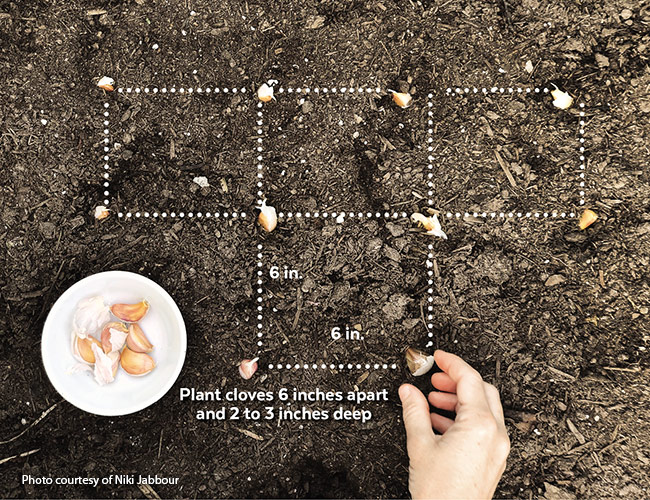
To grow healthy garlic, the depth of the bed is crucial. Ideally, a garlic bed should be prepared to a depth of at least 8 to 12 inches (20 to 30 cm). This depth allows for adequate drainage and root development, which are essential for the successful growth of garlic bulbs. If the soil is compacted or has poor drainage, consider increasing the depth to ensure the roots can grow freely without obstruction.
Importance of Soil Quality
The quality of the soil in which garlic is planted directly impacts its growth. Here are some key points about soil quality:
- Nutrient-Rich Soil: Garlic thrives in fertile soil rich in organic matter.
- Good Drainage: Soil should be well-draining to prevent waterlogging.
- pH Levels: A pH level between 6.0 and 7.0 is ideal for garlic cultivation.
Preparing the Garlic Bed
Before planting, preparing the garlic bed is essential to ensure optimal growth conditions. Consider the following steps:
- Tilling: Loosen the soil to at least 12 inches deep to provide space for roots.
- Incorporating Amendments: Mix in compost or well-rotted manure to enhance soil fertility.
- Leveling the Bed: Ensure the surface is even to promote uniform watering and drainage.
Optimal Planting Depth
After preparing the bed, the actual planting depth for garlic cloves is crucial. Here’s what to consider:
- Clove Depth: Space cloves 2-4 inches apart and plant them 2 inches deep.
- Soil Temperature: Ideal planting time is when soil temperatures are between 50°F and 60°F.
- Mulching: Add mulch on top for insulation and moisture retention.
Watering Practices
Watering plays a significant role in the health of the garlic bed. Important aspects include:
See also:
- Frequency: Water regularly to keep the soil consistently moist but not soggy.
- Methods: Drip irrigation or soaker hoses are preferred to minimize disease.
- Signs of Water Stress: Wilted leaves indicate the need for more water.
Harvesting Considerations
Knowing when to harvest garlic is important for achieving maximum bulb size and flavor. Factors include:
- Timing: Garlic is typically ready to harvest when the lower leaves turn brown.
- Weather Conditions: Try to harvest on a dry day to prevent rot.
- Curing Process: After harvesting, garlic needs to be cured in a well-ventilated area for proper storage.
How deep does the soil need to be for garlic?

To grow garlic successfully, the soil depth needs to be suitable for the development of the garlic bulbs. Generally, garlic requires a minimum soil depth of 6 to 12 inches (15 to 30 cm). This depth provides enough space for the roots to establish and for the bulbs to grow adequately.
Importance of Soil Depth for Garlic Growth
The depth of the soil is crucial for several reasons:
- Root Development: Deep soil allows for a robust root system, enabling the plant to absorb nutrients and water effectively.
- Bulb Expansion: Garlic bulbs need space to expand underground; sufficient depth promotes larger bulb formation.
- Soil Temperature Regulation: Deeper soil can help maintain a more consistent temperature, which is beneficial for garlic growth.
Soil Type Considerations
Choosing the right type of soil in addition to its depth is equally important. Garlic thrives in:
- Loamy Soil: A balanced mixture of sand, silt, and clay provides good drainage and nutrient retention.
- Well-Drained Soil: Garlic does not tolerate standing water, so well-drained soil is essential to prevent rot.
- Rich Organic Matter: Adding compost or well-rotted manure can improve soil fertility and structure.
How to Prepare Soil for Garlic Planting
Preparing the soil properly can influence garlic growth greatly. Follow these steps:
- Tilling the Soil: Turn over the top 12 inches of soil to improve aeration and drainage.
- Incorporating Organic Matter: Mix in compost or aged manure to enhance soil fertility.
- Testing Soil pH: Maintain a pH level between 6.0 and 7.5 for optimal garlic growth.
Seasonal Considerations for Planting Garlic
Timing when to plant garlic is essential and is influenced by soil depth:
- Fall Planting: Garlic is typically planted in the fall, allowing roots to develop before winter.
- Soil Temperature Awareness: The soil should be ideally 60-70°F (15-21°C) at planting.
- Mulching: Applying a layer of mulch can help maintain soil temperature and moisture during colder months.
Watering Needs Based on Soil Depth
The depth of your soil can impact how often you need to water garlic:
- Deep Soil Water Retention: Deeper soils generally retain moisture better than shallow soils.
- Root System Structure: A well-established root system allows garlic to access water deeper in the soil, reducing the frequency of watering.
- Monitoring Moisture Levels: Regularly check moisture to ensure garlic receives adequate water without waterlogging.
How deep does garlic have to be buried?
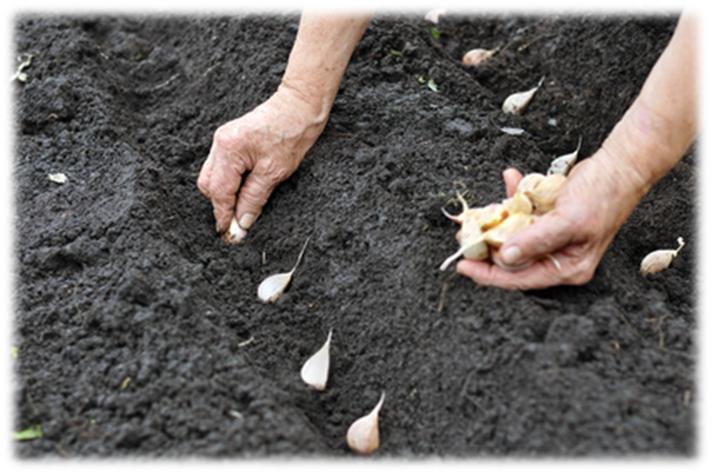
Garlic should typically be buried at a depth of about 2 to 3 inches (5 to 7.5 cm) below the soil surface. This depth allows the garlic bulbs to establish roots while being close enough to the surface to receive adequate warmth and moisture for sprouting. Planting too shallow can expose the bulbs to frost, while burying them too deep may hinder their growth and prevent them from accessing necessary sunlight and warmth.
Importance of Planting Depth
When it comes to planting garlic, the depth is crucial for several reasons:
- Root Development: Proper depth ensures that the bulbs can develop a healthy root system.
- Temperature Regulation: Burying the garlic at the right depth protects it from fluctuating temperatures.
- Pest Protection: Deeper planting can help safeguard the bulbs from certain pests that thrive near the soil surface.
Factors Influencing Planting Depth
Several factors may influence how deep you should plant garlic:
- Soil Type: Softer soils can allow for deeper planting, while harder soils might require a shallower depth.
- Climate: In warmer climates, a shallower planting may be beneficial for quicker sprouting.
- Bulb Size: Larger bulbs might require slightly deeper planting to accommodate their size.
Seasonal Considerations
The time of year you plant garlic can also determine its appropriate depth:
See also:
- Fall Planting: Garlic usually should be planted deeper before winter to avoid frost.
- Spring Planting: Shallower planting might be preferred as the soil warms up faster in spring.
- Local Weather Patterns: Understanding your region's frost dates can inform the ideal depth for planting.
Common Mistakes to Avoid
Several common mistakes can occur while planting garlic:
- Inconsistent Depth: Not maintaining a consistent depth can lead to uneven growth.
- Neglecting Soil Quality: Poor soil quality can impact the effectiveness of the chosen planting depth.
- Ignoring Weather Predictions: Failing to consider upcoming weather conditions may result in planting errors.
Steps to Properly Plant Garlic
To ensure successful garlic growth, follow these key steps:
- Select Bulbs: Choose healthy, disease-free garlic bulbs for the best results.
- Prepare Soil: Amend the soil with organic matter to enhance fertility and tilth.
- Determine Depth: Bury the garlic bulbs at a depth of 2 to 3 inches, spacing them appropriately.
Can you grow garlic in a 5 gallon bucket?

Yes, you can grow garlic in a 5-gallon bucket. This method is particularly useful for those with limited garden space or anyone looking to grow their herbs and vegetables in a container. Growing garlic in a bucket allows you to control the soil quality, prevent weeds, and manage pests more effectively. Here’s how you can successfully grow garlic in a 5-gallon bucket:
Choosing the Right Garlic Varieties
When growing garlic in a 5-gallon bucket, it is important to select the right varieties. There are generally two types of garlic: hardneck and softneck.
- Hardneck Garlic: This type tends to have a stronger flavor and produces scapes, which are edible flower stems.
- Softneck Garlic: It has a milder flavor and stores better, making it a popular choice for those looking for long shelf-life.
- Local Adaptation: Choose a variety that grows well in your climate for the best results.
Preparing the 5-Gallon Bucket
Proper preparation of the 5-gallon bucket is essential for ensuring healthy garlic growth. Begin by selecting a bucket that has adequate drainage.
- Drainage Holes: Drill several holes at the bottom of the bucket to allow excess water to escape.
- Soil Selection: Use a high-quality, well-draining potting mix to provide the necessary nutrients.
- Fertilizer: Incorporating a slow-release fertilizer can help promote strong growth.
Planting Garlic Bulbs
Planting garlic bulbs at the right time and in the correct manner is critical for a successful yield.
- Timing: Plant garlic in the fall or early spring, depending on your zone.
- Preparation: Separate the garlic bulbs into individual cloves, keeping the skins intact for best results.
- Depth: Plant the cloves about 2-3 inches deep, pointed side up, ensuring they are spaced adequately.
Caring for Your Garlic Plants
After planting, providing proper care will help your garlic thrive in the bucket environment.
- Watering: Water regularly but avoid overwatering; the soil should be moist but not soggy.
- Sunlight: Place the bucket in a location where it receives at least 6 hours of sunlight daily.
- Pest Management: Monitor for pests and diseases, applying organic pest control methods as needed.
Harvesting Garlic
Knowing when and how to harvest your garlic is crucial for maximizing the flavor and quality.
- Timing: Garlic is typically ready to harvest when the lower leaves turn brown, usually in late spring to early summer.
- Method: Gently lift the bulbs from the soil using a fork or your hands, being careful not to damage them.
- Curing: Cure the harvested garlic in a cool, dark place for several weeks to develop its flavor.
Questions from Our Readers
How deep should the soil be for planting garlic?
The ideal soil depth for garlic is usually around 6 to 8 inches. This depth allows enough space for the garlic bulbs to grow and develop their roots properly, ensuring a healthy crop.
Can garlic grow in shallow soil?
While garlic can struggle in shallow soil, it is possible to grow it if the roots can still penetrate adequately. However, for optimal growth and bulb size, a deeper planting is strongly recommended.
What type of soil is best for garlic growth?
Garlic thrives in loamy, well-draining soil that retains moisture without becoming waterlogged. Ensuring the soil is rich in organic matter will support strong growth and help the bulbs reach the desired depth.
How does soil depth affect garlic yield?
The depth of the soil directly affects root development, which is crucial for nutrient uptake. Insufficient depth may result in smaller bulbs and a lower yield, while optimal depth contributes to a more robust garlic harvest.
See also:

If you want to read more articles like How Deep of a Bed Do You Need for Garlic? Essential Tips for Successful Garlic Growth, we recommend you check out our Garlic category.
Leave a Reply
Related Articles