Can You Leave Garlic in the Ground Too Long? Discover the Risks and Best Practices
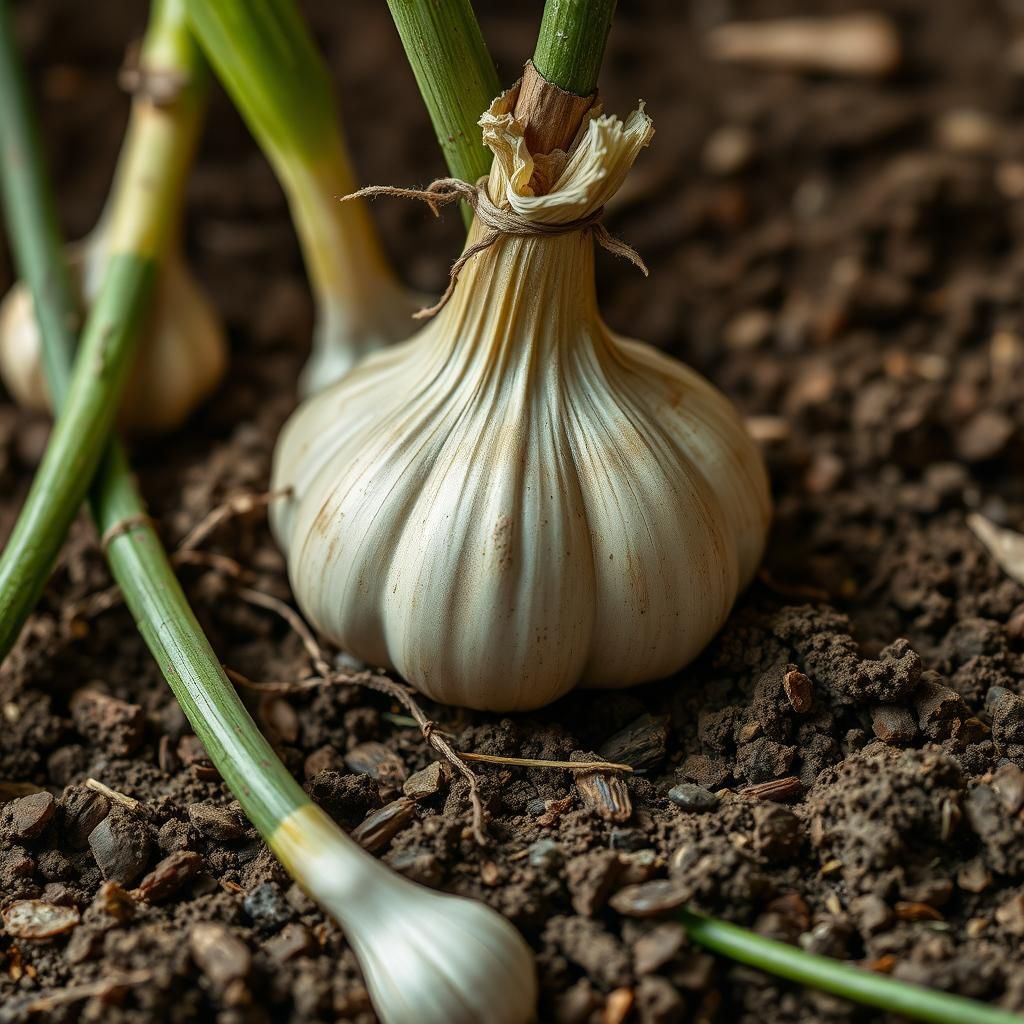
Garlic is a beloved ingredient in kitchens around the world, but its cultivation requires careful attention to timing. Many gardeners wonder, Can you leave garlic in the ground too long? The answer can significantly impact the quality and yield of your harvest. In this article, we'll explore the risks associated with overextending the growth period of garlic, including the potential for disease and diminished flavor. Additionally, we’ll share best practices for harvesting and storing garlic to ensure you enjoy the fullest benefits of this flavorful bulb. Discover how to maximize your garlic-growing success while avoiding the pitfalls of poor timing.
Can Leaving Garlic in the Ground Too Long Affect Its Quality?
Leaving garlic in the ground for extended periods can significantly impact its overall quality and growth. While garlic is known for its resilience, prolonged exposure to soil can lead to bulb deterioration and sprouting, which affects the flavor and usability of the garlic. If harvested too late, garlic can become oversized, developing woody cores and reduced flavor intensity, making it less desirable for culinary uses. Additionally, extended periods in the ground may increase the risk of disease, pests, and unfavorable soil conditions, further degrading the health of the bulbs.
What Happens When Garlic is Left in the Ground Too Long?
When garlic is left in the ground for too long, it can suffer from overripening. This condition can cause the outer layers of the bulb to break down, leading to loss of storage potential and increased susceptibility to fungal infections. Furthermore, the cloves can start to sprout, as the garlic attempts to reproduce, which compromises their edibility and taste. Ultimately, the quality of the harvest is reduced, resulting in soft, spoiled bulbs that are not suitable for consumption.
Signs That Garlic is Overdue for Harvest
Recognizing the signs that garlic is overdue for harvest is crucial for maintaining quality. The most common indicator is the yellowing of the lower leaves, alongside the wilting of the plant. As the leaves turn brown and die back, it's a signal that the garlic bulbs are reaching maturity. If the tops fall over and lie flat on the ground, this is another clear sign that they should be harvested promptly to avoid deterioration and potential disease. Collecting this information can help ensure that garlic is picked at the optimal time.
How Long Can Garlic Stay in the Ground?
Typically, garlic should be harvested about 8 to 10 months after planting, depending on the variety and climate. Leaving garlic in the ground much beyond this period can lead to diminishing quality. Under ideal conditions, garlic can remain in the ground for approximately 1 to 2 weeks post maturity to enhance flavor; however, beyond this window, the risk of many problems increases, such as pest infestations and the aforementioned sprouting. It is best to keep a close eye on the growth stages and be proactive about harvesting.
Impact of Soil Conditions on Garlic Quality
The quality of garlic can be heavily influenced by the soil conditions in which it is planted. Overly moist or poorly drained soil can lead to rot and diseases, particularly if garlic is left in the ground too long. Furthermore, nutrient-deficient soils can affect bulb size and flavor. Regular soil testing and amendments can help maintain healthy conditions for garlic, reducing the risk of it being left in the ground too long and subsequently losing quality.
Storage Life of Garlic After Harvesting
Once harvested, the storage life of garlic largely depends on how it has been cured and the storage conditions. Properly dried garlic can last for several months to a year if stored in a cool, dark place with good air circulation. However, if garlic is left too long in the ground, the curing process may be compromised, leading to decay or sprouting that drastically shortens its shelf life. Understanding proper harvesting and storage techniques is essential for maximizing the longevity of garlic.
| Factor | Consequence |
|---|---|
| Leaving garlic too long | Bulb deterioration |
| Over ripening | Loss of flavor |
| Yellowing lower leaves | Sign of maturity |
| Poor soil conditions | Increased disease risk |
| Improper curing | Reduced storage life |
What happens if you leave your garlic in the ground too long?
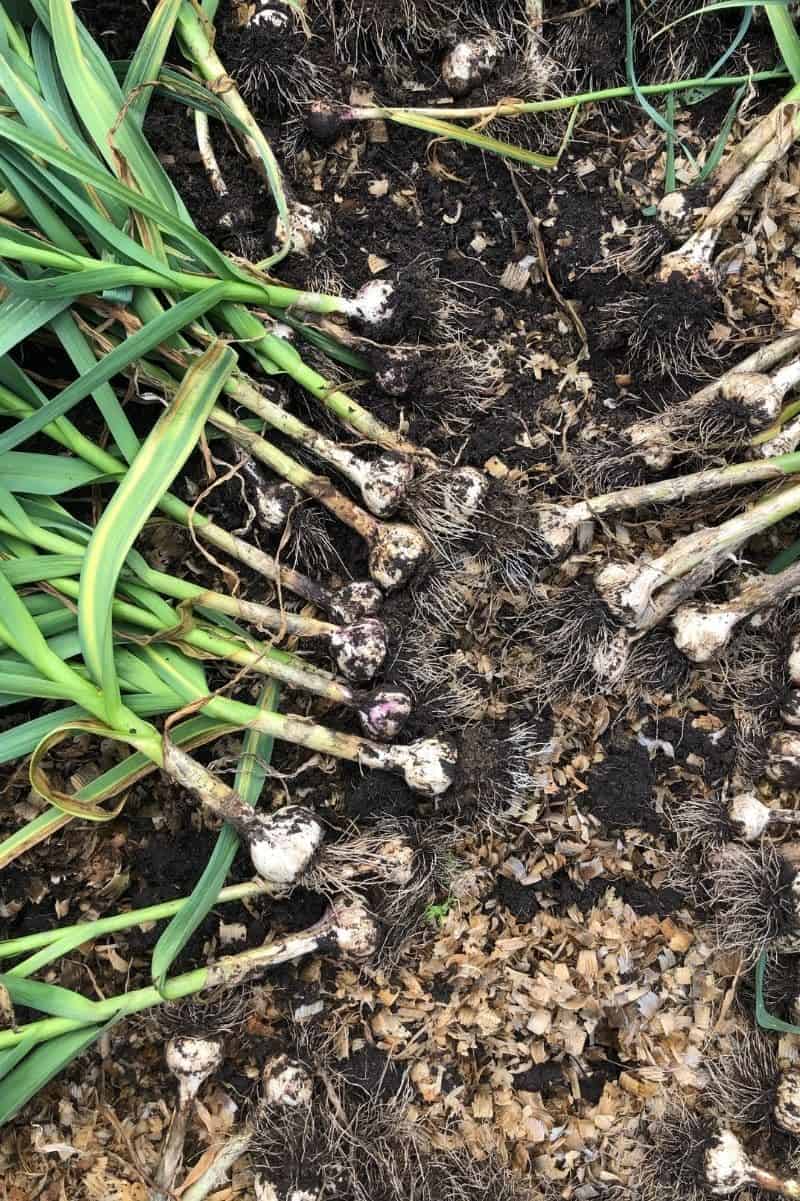
When garlic is left in the ground for too long, several complications can arise, affecting both the quality of the bulbs and the health of the plants. Garlic is typically harvested when the leaves begin to yellow and die back, signaling that the bulbs have reached maturity. Leaving garlic in the ground past this point could lead to various issues:
1. Bulb Split: Garlic bulbs can begin to split if they remain in the ground after they have matured. This splitting can expose the cloves to pests and diseases, making them less viable for storage and culinary use.
2. Pest Infestation: Extended exposure of garlic in the moist soil makes it an attractive target for pests such as nematodes, thrips, and root maggots. These pests can damage the bulbs and lead to poor yield quality.
3. Decreased Flavor and Quality: Garlic left in the ground too long may develop a harsh flavor. This is often attributed to the breakdown of the garlic’s essential oils and compounds that contribute to its characteristic taste.
4. Root Problems: Prolonged growth can lead to congested root systems where the garlic competes with other plants for nutrients and moisture. This can result in stunted growth and smaller bulbs.
5. Disease Risk: Leaving garlic in the ground can also increase the risk of diseases such as white rot or Fusarium. These diseases can severely compromise the health of the garlic plants and render them unsuitable for consumption.
Bulb Splitting
Garlic bulbs that are left in the ground beyond their optimal harvest time may begin to split. This occurs when the outer sheath of the bulb cracks open, exposing the individual cloves. Once split, these bulbs become vulnerable to environmental stress and disease. This not only decreases their shelf life but also diminishes their culinary quality.
- Exposure to pests increases.
- Flavor deterioration occurs.
- Bulbs become less visually appealing.
Pest Infestation Risks
An extended stay in the ground can attract various pests that harm garlic plants. Increased soil moisture and exposure to organic matter provide perfect conditions for pests to thrive. This infestation can lead to significant crop damage, making the bulbs unsuitable for both sale and personal consumption.
See also:
- Exposure to nematodes, which feed on roots.
- Increased chances of root maggots.
- Deterioration of plant health.
Flavor and Quality Degradation
As garlic matures and is left in the ground longer than necessary, its flavor can shift from desirable to undesirable. The essential oils, which give garlic its unique taste, begin to break down, leading to a harsh and less aromatic flavor profile.
- Decreased culinary appeal.
- Poor flavor retention for culinary uses.
- Reduced market value.
Root System Congestion
Garlic left in the ground for extended periods can experience congested root systems. As the garlic competes with nearby plants for critical resources like nutrients and water, it may suffer from stress. This can result in smaller bulbs and overall poor growth quality.
- Stunted plant growth.
- Reduced bulb size.
- Increased competition for nutrients.
Increased Disease Risk
In prolonged exposure, garlic is more susceptible to various soil-borne diseases. Leaving garlic in the ground can lead to infections like white rot, which can destroy the plant and affect surrounding crops. This not only impacts the current growth cycle but can also compromise future plantings in the same area.
- Increased risk of white rot disease.
- Possible spread of Fusarium infection.
- Long-term damage to soil health.
When should I pull my garlic out of the ground?
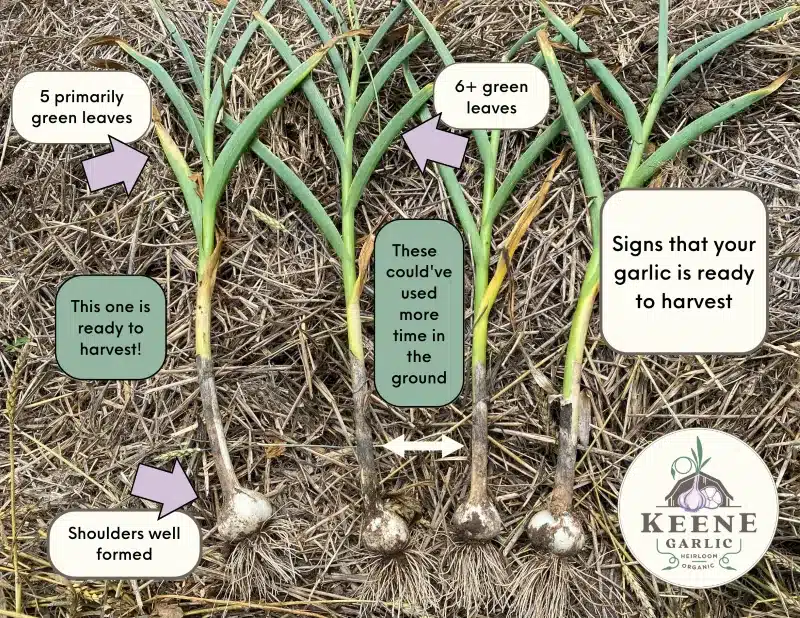
When determining the right time to pull your garlic out of the ground, there are several indicators and signs to look for. The timing largely depends on the variety of garlic you are growing—whether it is hardneck or softneck—and environmental conditions. Generally, garlic is ready to harvest when the lower leaves begin to turn brown, and the tops of the plants start to dry out, typically occurring in late spring to early summer. Here’s a more detailed look at how to know when to pull your garlic.
Signs of Maturity
To determine if your garlic is ready for harvest, look for several key signs:
- Yellowing leaves: The lower leaves turning brown and yellow indicates that the garlic is nearing maturity.
- Firm bulbs: If you gently dig around a bulb and find it firm to the touch, it's likely ready.
- Size of the bulb: Check the size of your garlic bulbs; they should be bulky and well-developed.
Timing for Harvesting
The timing of your garlic harvest is essential for achieving the best flavor and storage potential. Typically, garlic is harvested when:
- Two-thirds of the leaves: About two-thirds of the leaves are brown, usually occurring 8 to 10 months after planting.
- Local climate: Adjust your harvest time based on your local climate; warmer regions may require earlier harvesting.
- Your variety: Know whether you planted hardneck or softneck garlic, as they can have slightly different harvesting times.
Environmental Factors
Environmental conditions can significantly influence your garlic's maturity. Consider the following factors:
- Soil moisture: Ensure the soil is adequately moist but not soggy as too much water can cause bulbs to rot.
- Temperature: High temperatures can accelerate maturity, prompting earlier harvesting. Monitor your local temperature trends for guidance.
- Pests and diseases: Keep an eye on any signs of infestations or diseases that can stress the plants and warrant an earlier harvest.
Post-Harvest Care
Once you've pulled your garlic from the ground, proper aftercare is vital to ensure flavor and longevity. Follow these steps:
- Curing: Cure the garlic by hanging it in a cool, dry, and well-ventilated place for approximately two weeks.
- Cleaning: Remove excess dirt gently but avoid washing with water, as moisture can lead to mold.
- Storing: Store cured garlic in a cool, dark place, ideally at room temperature, to prolong its shelf life.
Consequences of Late Harvesting
Harvesting garlic too late can have negative impacts. Be aware of these risks:
- Splitting bulbs: Overripe garlic can lead to splitting, which affects the quality and storage ability.
- Mold growth: Leaving garlic in the ground too long could result in mold or rot, especially in moist conditions.
- Poor flavor: Delaying harvest may compromise the flavor profile, making garlic taste bitter or less pungent.
What happens if you harvest your garlic late?
If you harvest your garlic late, several issues can arise that may affect the quality, yield, and longevity of the bulbs you collect. Garlic is typically ready for harvest when the lower leaves start to brown and die off, but waiting too long can lead to several negative outcomes:
1. Bulb Splitting: When garlic is left in the ground for too long, the bulbs can start to split. This occurs because the cloves inside continue to grow and can push the outer skins apart. This splitting not only affects the appearance of the garlic but also its storage life, as the cloves become more susceptible to diseases and decay.
2. Reduced Flavor: Overripe garlic may lose some of its desirable flavor characteristics. Garlic harvested too late can become bitter or overly pungent, which may not appeal to all palates. The aromatic compounds that make garlic so beloved can diminish, leading to a less enjoyable culinary experience.
3. Lower Storage Potential: Garlic that is harvested late often doesn't store as well. The outer skins may be damaged or too wet, making the bulbs prone to rot during storage. Ideal garlic for storage should have a papery outer skin that protects the bulb, and late-harvested garlic can fail in this aspect.
4. Decreased Yield: Allowing garlic to exceed its optimal harvest time can result in a lower yield. The plant's energy may start to decline as it goes beyond its growth cycle. Rather than producing robust cloves, late-harvested garlic can yield smaller, less viable bulbs, leading to disappointment for gardeners expecting a bountiful harvest.
See also:
5. Increased Pest and Disease Risk: Garlic left in the ground too long can become more vulnerable to pests and diseases. Fungi and insects are more likely to attack overripe garlic, which can not only diminish quality but also lead to further contamination of surrounding soil and plants.
Bulb Splitting
Harvesting garlic late can lead to bulb splitting, a condition that diminishes the quality of the harvested garlic.
- The expansions of the cloves can cause the outer skins to break, making bulbs less aesthetically pleasing.
- Splitting can expose the cloves to pathogens, raising the risk of decay.
- Maintaining optimal harvest times can prevent this splitting phenomenon.
Reduced Flavor Quality
The flavor profile of garlic is crucial for culinary use, and late harvesting can compromise this aspect significantly.
- Overripe garlic may turn bitter, affecting dishes' overall taste.
- The aromatic components responsible for garlic's signature flavor can diminish in intensity.
- Timing your harvest is essential to retain a robust garlic flavor that enhances meals.
Storage Concerns
Proper storage conditions are vital for garlic, and late harvesting can pose several challenges.
- Garlic harvested late often has damaged skins, increasing the likelihood of rot during storage.
- The moisture content may be too high in late-harvested garlic, leading to decay.
- Optimal harvesting conditions promote a bulb that can be stored for months without spoilage.
Yield Limitations
Late harvesting can also impact the overall yield of garlic, altering what you reap from your efforts.
- Plants that exceed their growth cycle can show reduced vigor, yielding smaller bulbs.
- The overall energy output of the garlic plant diminishes as it nears the end of its cycle.
- Early harvesting can ensure robust and sizeable garlic cloves.
Pest and Disease Vulnerability
An increase in pests and diseases can significantly affect late-harvested garlic, threatening crop viability.
- Overripe garlic is more attractive to pests, which can lead to infestations.
- Diseases from the soil can more easily infect late-harvested garlic due to weakened bulbs.
- Maintaining ideal harvest practices can mitigate these potential threats to your garlic crop.
How long to keep garlic in the ground?
To determine how long to keep garlic in the ground, a gardener should generally aim for a growing period of about 6 to 9 months. The exact duration depends on the type of garlic, the climate, and the growing season. Garlic is typically planted in the fall before the ground freezes or in the spring, ensuring it has sufficient time to mature before harvesting.
Understanding Garlic Growth Stages
Garlic goes through several stages of growth, which significantly affect how long it should remain in the ground. The stages include:
- Planting: Garlic is usually planted in late fall or spring.
- Root Development: After planting, garlic spends time developing its roots, which is crucial for nutrient uptake.
- Leaf Growth: As temperature rises, garlic will start to grow leaves, which are necessary for photosynthesis.
- Bulb Formation: The most critical phase where the garlic bulb begins to form and grow, typically occurring in late spring to early summer.
- Harvesting: Garlic is typically ready to be harvested when the lower leaves turn brown, signaling that the bulbs have matured.
Optimal Planting Times for Garlic
Timing is essential when it comes to planting garlic. The choice between fall and spring planting can influence overall yield and quality. Consider the following:
- Fall Planting: Ideal for most regions, it promotes stronger growth and larger bulbs.
- Spring Planting: Suitable for areas with mild winters; it requires careful timing to avoid frost.
- Climate Influence: Warm climates may favor spring planting, while cooler areas are typically best for fall.
Signs That Garlic Is Ready to Harvest
Knowing when to harvest garlic is crucial for ensuring the best flavor and storage potential. Signs of readiness include:
- Leaf Color Change: The lower leaves will start to yellow and brown.
- Bulb Size: Pulling a garlic bulb can confirm if it has reached the desired size.
- Timing: Most garlic types take about 8 to 9 months from planting to harvest.
Benefits of Leaving Garlic in the Ground Longer
While there is a recommended timeframe, some gardeners choose to leave garlic in the ground longer for various reasons:
- Flavor Development: Extended growing time can enhance the depth of flavor.
- Storage Longevity: Allowing the bulbs to mature fully before harvesting can improve their storage capabilities.
- Growing Conditions: Sometimes, environmental factors may warrant leaving garlic in the ground a bit longer, especially in favorable weather.
Potential Risks of Overwintering Garlic
Leaving garlic in the ground for too long can pose certain risks. It's essential to be aware of them:
- Rot: Prolonged exposure to moisture can lead to bulb rot.
- Pest Infestation: Garlic may become susceptible to pests if left in the ground beyond maturity.
- Overgrowth: Garlic can potentially split if not harvested in time, affecting quality.
Questions from Our Readers
Can you leave garlic in the ground too long?
Leaving garlic in the ground for too long can lead to negative effects on its growth. After reaching maturity, which typically occurs in mid to late summer, garlic bulbs can start to separate and rot if left in overly moist soil. It's essential to harvest garlic at the right time to maintain its quality and flavor.
What happens if garlic is harvested too late?
Harvesting garlic too late can result in poor storage capabilities and a decline in the bulbs' quality. The outer wrappers may break down, which exposes the bulbs to disease and moisture, eventually causing them to decay. It’s crucial to check for the right signs of ripeness to ensure the best outcome.
How can you tell when garlic is ready to harvest?
Garlic is ready to harvest when about one-third of the leaves have turned yellow or brown, and the bulbs are large enough. By gently digging around the base, you can verify that the bulbs have formed properly. It's vital to pay attention to these signs to ensure a successful harvest.
See also:
What should you do if you missed the garlic harvest time?
If you missed the ideal garlic harvest time, it’s important to monitor the plants closely. If the bulbs haven’t begun to rot, you can still attempt to harvest and dry them as soon as possible. However, be prepared for possible deterioration in quality, and consider using affected bulbs first to avoid spoilage.

If you want to read more articles like Can You Leave Garlic in the Ground Too Long? Discover the Risks and Best Practices, we recommend you check out our Garlic category.
Leave a Reply
Related Articles