Should Garlic Be Covered After Planting? Essential Tips for Successful Garlic Cultivation
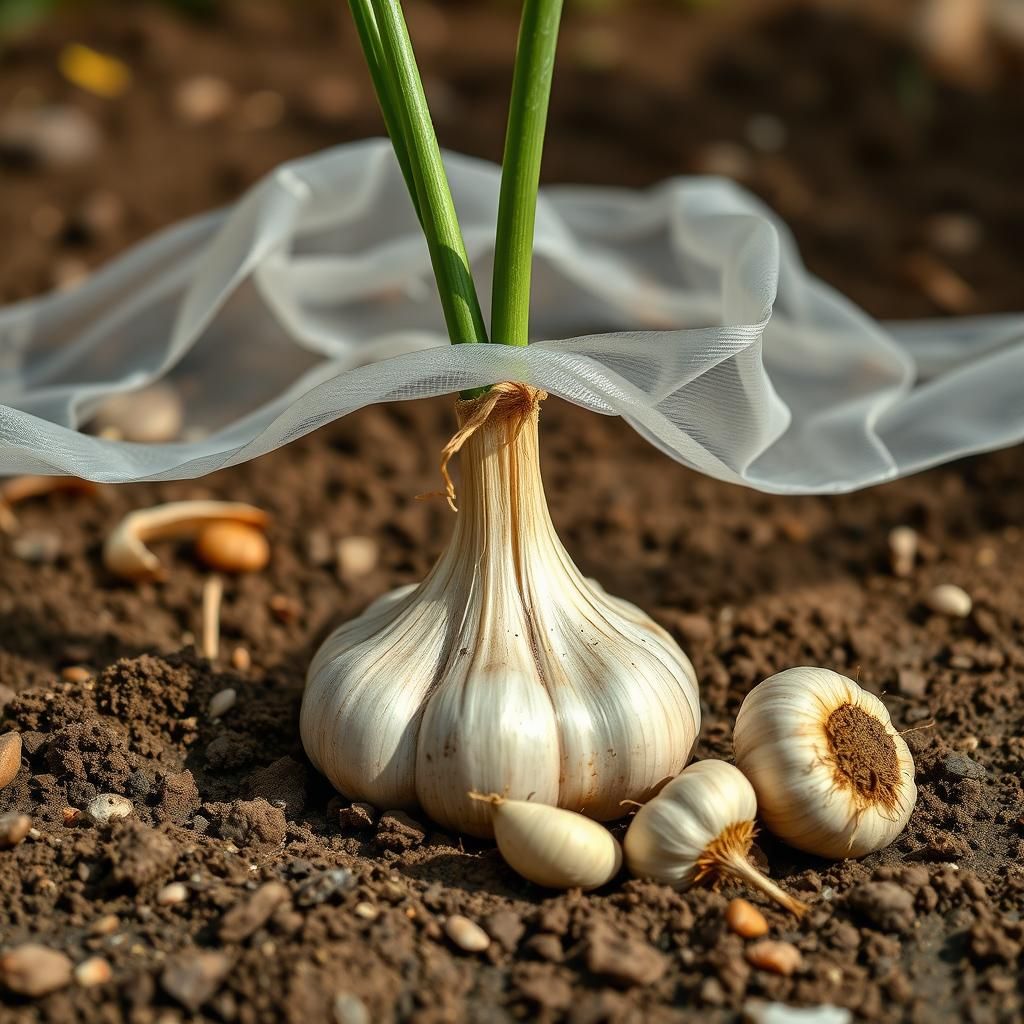
Garlic cultivation is a rewarding endeavor, providing both culinary delights and potential health benefits. One common question among novice and experienced gardeners alike is whether garlic should be covered after planting. Properly addressing this concern can significantly impact the growth and yield of your garlic crop. Understanding the factors that influence garlic development, including climate, soil conditions, and planting techniques, is essential for ensuring a successful harvest. In this article, we will explore the benefits and drawbacks of covering garlic after planting, along with essential tips to optimize your garlic growing experience.
Should Garlic Be Covered After Planting?
Garlic should indeed be covered after planting to promote healthy growth and protect it from adverse environmental conditions. A layer of mulch or soil can help retain moisture, regulate soil temperature, and prevent the growth of weeds that may compete for nutrients. Additionally, covering garlic with mulch can safeguard it from extreme weather conditions, such as frost or harsh sunlight, ensuring that the bulbs develop properly. The ideal recommendation is to cover garlic with 2-4 inches of organic mulch, like straw or shredded leaves, which also enriches the soil as it decomposes.
Benefits of Covering Garlic
Covering garlic after planting has multiple benefits, including moisture retention and temperature regulation. The mulch acts as an insulator, keeping the soil warm during cool nights and protected from overheating during the hot days. This stable environment is crucial for the development of sturdy garlic plants, allowing them to establish strong roots. It also prevents weed growth, which can otherwise rob essential nutrients from the garlic.
Types of Mulch to Use
When covering garlic, various types of mulch can be utilized, including organic options such as straw, shredded leaves, and grass clippings. Organic mulch is preferred as it breaks down over time, enriching the soil with nutrients needed for healthy growth. Inorganic materials, like stones or plastic, can also be considered, but they do not provide the same benefits to soil health. Selecting the right type of mulch is essential for the long-term success of the garlic crop.
When to Apply Mulch
Applying mulch should occur immediately after planting garlic, ideally in the fall or early spring. Once the garlic cloves are in the ground, covering them with mulch not only protects them but also aids in establishing a conducive environment for growth. Timing is crucial as applying mulch too late may expose newly sprouted shoots to frost damage or allow weeds to take hold, diminishing the potential yield.
How Much Mulch Is Needed?
Typically, a layer of 2-4 inches of mulch is recommended for garlic. This amount is sufficient to prevent weeds while still allowing air and moisture to penetrate the soil. Too little mulch might not be effective in weed suppression and temperature control, whereas too much could suffocate the garlic plants. Monitoring the mulch throughout the growing season ensures that it remains at the optimal thickness.
Potential Issues of Not Covering Garlic
Not covering garlic can lead to several issues, such as increased weed competition and susceptibility to environmental stresses. Without mulch, garlic bulbs may be exposed to excessive temperatures, dryer soil, and frost damage, which can stunt growth and reduce yields. Weeds can thrive in uncovered soil, competing for essential nutrients and water, ultimately impacting the overall health of the garlic plants.
| Issue | Consequence |
|---|---|
| Increased Weed Growth | Competition for Nutrients |
| Exposure to Frost | Potential Frost Damage |
| Soil Temperature Fluctuation | Stunted Growth |
| Moisture Loss | Reduced Bulb Development |
| Lack of Nutrient Enrichment | Weak Plants |
Do you need to cover garlic after planting?
:max_bytes(150000):strip_icc()/GettyImages-1046040508-2000-f21cb9eb99df4a87b626ff3566854ac0.jpg)
When it comes to planting garlic, the decision to cover it after planting can significantly influence its growth and health. Covering garlic is generally beneficial, especially during specific seasons and conditions.
Garlic is typically planted in the fall or early spring, and covering it can provide protection from environmental elements, pests, and temperature fluctuations. The mulch or cover not only conserves moisture but also suppresses weeds, ensuring that the garlic seedlings have an optimal environment for growth.
Benefits of Covering Garlic
Covering garlic after planting offers various advantages that enhance bulb development and plant health.
- Moisture Retention: A layer of mulch helps retain soil moisture, ensuring that garlic receives sufficient water to develop properly.
- Weed Suppression: Covering garlic prevents weed growth, reducing competition for nutrients and water.
- Temperature Regulation: Mulch acts as an insulator, protecting the bulbs from extreme temperatures, particularly in colder climates.
Types of Covering Materials
When considering what to cover garlic with, various materials can be effective in providing protection and benefits.
- Bark Mulch: This organic material decomposes over time, adding nutrients to the soil while effectively suppressing weeds.
- Straw: Straw is an excellent insulator and allows moisture to reach the soil, making it popular for winter coverage.
- Plastic Mulch: In warmer climates, black plastic can warm the soil while controlling weeds but must be used cautiously to avoid overheating.
Timing for Covering Garlic
Knowing when to cover garlic is crucial for maximizing growth and health.
See also:
- Immediately After Planting: Covering garlic with mulch right after planting can protect young shoots from frost and other environmental stressors.
- Seasonal Changes: As the weather changes, re-evaluating your cover materials may be beneficial to adapt to new conditions.
- Onset of Growth: As garlic begins to sprout, it's essential to ensure the covering material does not hinder the growth of the shoots.
Challenges of Covering Garlic
While there are many benefits, covering garlic does present some challenges that require consideration.
- Pest Issues: Mulch can sometimes attract pests, such as rodents, which may harm the garlic bulbs.
- Moisture Management: Overly moist conditions under the cover can lead to rot; it’s crucial to monitor soil moisture levels.
- Weed Growth: If the covering material is not sufficient, some weeds may still emerge and compete with garlic for nutrients.
Uncovering Garlic
Deciding when to remove the cover is also important as garlic matures.
- Timing of Removal: Generally, it's best to remove cover materials as the garlic begins to mature, allowing for air circulation.
- Watch for Disease: If you notice signs of disease, uncovering can help with air flow to prevent further issues.
- Harvest Preparation: As bulbs reach optimal size, uncovering helps dry the soil and prepares the garlic for harvesting.
What not to do when planting garlic?
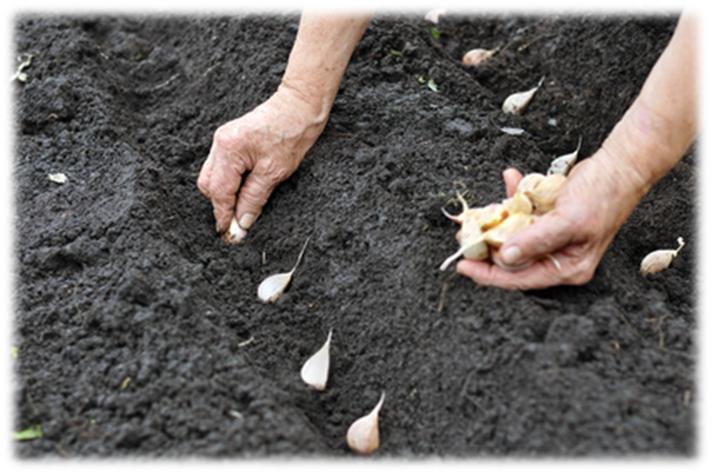
When planting garlic, there are several important considerations to keep in mind to ensure optimal growth and health of the plants. Here are some key mistakes to avoid:
Avoid Planting in Poor Soil
Using poor-quality soil can significantly affect garlic growth. Garlic thrives in well-drained, fertile soil with a pH between 6.0 and 7.0. To enhance soil quality:
- Add organic matter such as compost or well-rotted manure.
- Conduct a soil test to evaluate nutrient levels and adjust accordingly.
- Avoid planting in heavy clay soils that retain water, leading to rot.
Do Not Plant Too Shallow or Too Deep
Planting garlic cloves at the correct depth is crucial for achieving strong root development. Here's how to avoid depth-related issues:
- Plant cloves 2 to 4 inches deep, depending on soil type.
- Avoid planting cloves too shallow, as they risk exposure to frost and drying out.
- Don’t plant too deep, which can hinder emergence and lead to weak growth.
Neglecting Proper Spacing
It is essential to leave enough space between garlic plants to allow for proper air circulation and nutrient uptake. Key points include:
- Space cloves approximately 6 to 8 inches apart in rows.
- Avoid overcrowding, which can lead to disease and reduced bulb size.
- Ensure at least 12 inches between rows to facilitate maintenance and harvesting.
Planting Disease-Infested Cloves
Using cloves that show signs of disease can jeopardize the entire crop. To avoid this, consider the following:
- Always select healthy cloves from reliable sources, ensuring they are certified disease-free.
- Inspect cloves for signs of rot, mold, or other abnormalities before planting.
- If unsure, consider purchasing cloves from a local nursery or trusted supplier.
Ignoring Seasonal Timing
Planting garlic at the wrong time can interfere with its growth cycle. To ensure successful planting:
- Plant in the fall, ideally 4 to 6 weeks before the ground freezes.
- Avoid spring planting if you want larger bulbs, as it gives insufficient time for bulb development.
- Monitor local climate conditions to plant at the right moment for your region.
What is the best ground cover for garlic?

The best ground cover for garlic is crucial for maintaining healthy growth and optimizing yield. Ground covers can play multiple roles, including weed suppression, moisture retention, and temperature regulation. Below are some effective ground cover options specifically suitable for garlic cultivation.
Benefits of Ground Cover for Garlic
Using ground cover around garlic provides several advantages that can enhance the crop's overall health and productivity. Some key benefits include:
- Weed suppression: By competing for light and nutrients, ground covers can significantly reduce weed growth, which may otherwise choke garlic plants.
- Moisture retention: Ground covers can help maintain soil moisture levels, especially in hot climates, facilitating optimal growing conditions for garlic.
- Soil temperature regulation: A layer of ground cover can insulate the soil, helping to regulate temperatures and creating a more stable environment for garlic bulbs.
Recommended Ground Cover Plants
There are several types of ground covers that work particularly well with garlic. Here are some recommended options:
See also:
- Clover: This legume not only suppresses weeds effectively but also enriches the soil by fixing nitrogen.
- Thyme: A drought-tolerant herb that can withstand foot traffic while providing a fragrant and flavorful addition to the garden.
- Mustard greens: Rapid-growing and effective at suppressing weeds, they can be incorporated into the soil to add organic matter.
Implanting Ground Cover with Garlic
Integrating ground cover with garlic involves strategic planning and execution to ensure the best results. Consider the following methods:
- Timing: Plant ground cover either before or after garlic planting to allow ground cover to establish without competing heavily for nutrients.
- Spacing: Ensure sufficient space between garlic plants and ground cover to avoid overcrowding while still maximizing weed suppression.
- Maintenance: Periodically check ground cover growth, trimming if necessary to prevent competition with garlic plants.
Ground Cover Management Techniques
Proper management of ground covers is essential for their effectiveness in supporting garlic growth. Effective techniques include:
- Mulching: Adding a layer of organic mulch helps regulate temperature and moisture levels while providing nutrients as it decomposes.
- Regular monitoring: Keep an eye on the growth of both garlic and ground cover to ensure that neither is being adversely affected.
- Adjusting cover types: Depending on climate and soil conditions, be prepared to switch ground cover varieties if one isn't thriving.
Potential Challenges with Ground Cover
While ground covers provide numerous benefits, they can also pose challenges. Awareness of these can help in planning effectively:
- Pest attraction: Some ground covers can attract pests, which might also affect the garlic crop.
- Water competition: Certain aggressive ground covers may compete too much for water and nutrients, potentially stunting garlic growth.
- Invasive species: Be cautious about using ground covers that are known to become invasive and spread beyond desired areas.
What is the trick to planting garlic?
The trick to planting garlic lies in understanding its unique growth requirements and the appropriate timing for planting. By following the right techniques, you can ensure a healthy and bountiful harvest.
Choosing the Right Variety
Selecting the correct variety of garlic is essential for successful growth. There are two main types: softneck and hardneck garlic.
- Softneck Garlic: This type is more suited for warmer climates and has a longer shelf life.
- Hardneck Garlic: Offers a stronger flavor and is better for colder climates; it also produces flower stalks, known as scapes.
- Local Adaptation: It's often best to choose a variety that is known to thrive in your specific area.
Preparing the Soil
The health of your garlic plants starts with good soil preparation. Garlic prefers well-drained, fertile soil.
- Testing Soil pH: Aim for a pH between 6.0 and 7.0, as garlic thrives in slightly acidic to neutral soil.
- Amending the Soil: Incorporate organic matter, such as compost or well-rotted manure, to enhance soil fertility.
- Aeration: Ensure the soil is loose and aerated, as compacted soil can hinder bulb growth.
Planting at the Right Time
Timing is crucial when it comes to planting garlic.
- Fall Planting: Garlic is typically planted in the fall, about 4-6 weeks before the ground freezes, which allows it to establish roots.
- Spring Planting: In areas with mild winters, garlic can also be planted in early spring, although the yield may be lower.
- Monitoring Soil Temperature: Ideal soil temperatures for planting garlic are between 50°F and 60°F (10°C - 15°C).
Spacing and Planting Depth
Proper spacing and depth can significantly affect garlic growth.
- Spacing: Space cloves 4-6 inches apart to allow for adequate bulb development.
- Planting Depth: Plant cloves about 2 inches deep with the pointed end facing up, ensuring the base is well-positioned in the soil.
- Mulching: Apply a layer of mulch to retain moisture and suppress weeds, which can compete with garlic for nutrients.
Watering and Fertilizing
Watering and fertilizing practices are key to ensuring healthy garlic growth.
- Consistent Moisture: Garlic requires regular watering, especially during dry spells; aim for about 1 inch of water per week.
- Fertilization: Use a balanced fertilizer or organic compost during the growing season to promote healthy foliage and bulb formation.
- Avoid Overwatering: Ensure good drainage to prevent bulb rot, as soggy roots can lead to disease.
Questions from Our Readers
Should garlic be covered after planting?
After planting, it is recommended to cover garlic with a layer of mulch. This helps to retain moisture, regulate soil temperature, and suppress weeds, which can compete with garlic for nutrients.
What type of mulch is best for garlic?
For garlic, organic mulches such as straw, wood chips, or shredded leaves are ideal choices. They provide effective insulation during winter and break down over time, enriching the soil.
How deep should garlic cloves be planted?
Garlic cloves should typically be planted about 2 inches deep, with the pointed end facing upwards. This depth ensures that they are secure in the soil and prevents them from being exposed to severe temperature fluctuations.
See also:
When should garlic be harvested?
Garlic is usually ready for harvest when the lower leaves start to brown and dry out, while the upper leaves remain green. This typically occurs in late spring to early summer, depending on the variety and growing conditions.

If you want to read more articles like Should Garlic Be Covered After Planting? Essential Tips for Successful Garlic Cultivation, we recommend you check out our Garlic category.
Leave a Reply
Related Articles