Can a Plant Recover from a Fungal Infection? Essential Tips for Restoration
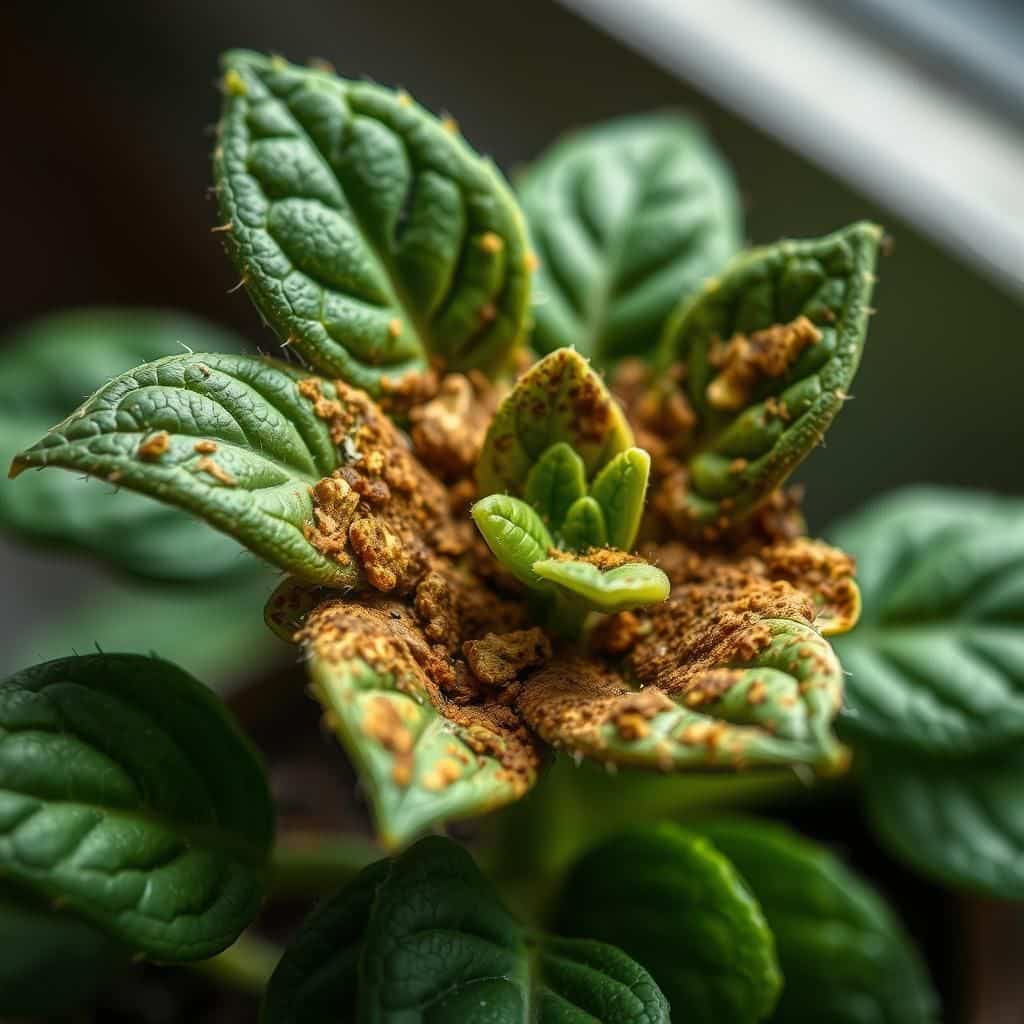
Fungal infections can pose a significant threat to the health of plants, leading to damaged foliage, stunted growth, and even death. However, the good news is that many plants have the potential to recover if proper care and intervention are provided in a timely manner. Understanding the signs of infection and implementing essential restoration strategies can greatly enhance a plant's chances of bouncing back. This article will explore effective techniques for treating fungal infections, diagnosing issues early, and fostering a supportive environment for plant recovery, ensuring your green companions continue to thrive despite their challenges.
Can a Plant Recover from a Fungal Infection?
Yes, a plant can recover from a fungal infection, although the recovery process largely depends on the severity of the infection, the type of fungus involved, and the overall health of the plant prior to the infection. If caught in the early stages, many fungal infections can be effectively managed with the appropriate treatments, such as fungicides, organic remedies, or cultural practices that enhance plant health. However, if the infection is severe and has spread extensively, recovery may be difficult or even impossible, leading to the need for plant removal to prevent further infection to other plants.
What are the Signs of Fungal Infection in Plants?
Common signs of a fungal infection include yellowing or wilting leaves, the presence of mold, powdery substances on the foliage, and unusual leaf spots. Infected plants may also exhibit stunted growth, and in some cases, the entire plant may show signs of decline. Monitoring plants regularly for these symptoms is crucial for early detection and appropriate intervention.
How to Treat Fungal Infections in Plants?
Treating fungal infections often involves the use of fungicides, which can be either chemical or organic, depending on the severity and type of infection. Additionally, improving air circulation around the plant, reducing humidity levels, and removing infected plant parts can help in managing the issue. Regularly applying preventative treatments can also be beneficial in maintaining plant health and preventing future infections.
Can Environmental Factors Influence Recovery?
Yes, environmental factors play a significant role in a plant's ability to recover from a fungal infection. Conditions such as humidity, temperature, and light levels can either exacerbate or mitigate the spread of fungi. Ensuring that plants are kept in optimal conditions can aid recovery, while stressors such as overwatering or poor soil quality can hinder the healing process by weakening the plant’s overall resilience.
What Role Does Pruning Play in Recovery?
Pruning is a vital practice in the recovery process from a fungal infection, as it involves removing infected parts of the plant to prevent the spread of the fungus. By cutting away dead or infected branches and leaves, the plant can redirect its energy towards healing and producing new growth. Additionally, proper pruning techniques can improve air circulation, reducing the humidity that fungi thrive in.
When Should You Consider Removing an Infected Plant?
If a plant is severely infected and showing little to no signs of recovery despite treatment efforts, it may be necessary to consider its removal. This decision should be made when the infection has spread significantly, threatening the health of surrounding plants, or if the plant exhibits extensive damage that compromises its structural integrity. Removal not only protects other plants in the vicinity but also allows for the introduction of healthy replacements or the opportunity to amend the soil and local conditions.
| Signs of Infection | Possible Treatments | Environmental Factors | Pruning Benefits | Removal Considerations |
|---|---|---|---|---|
| Yellowing leaves | Fungicides | Humidity levels | Redirecting energy | Severe spread |
| Wilting foliage | Organic remedies | Temperature changes | Improving air circulation | Extensive damage |
| Mold presence | Removing infected parts | Light levels | Healthy growth promotion | Threat to surrounding plants |
How do you save a plant with fungus?
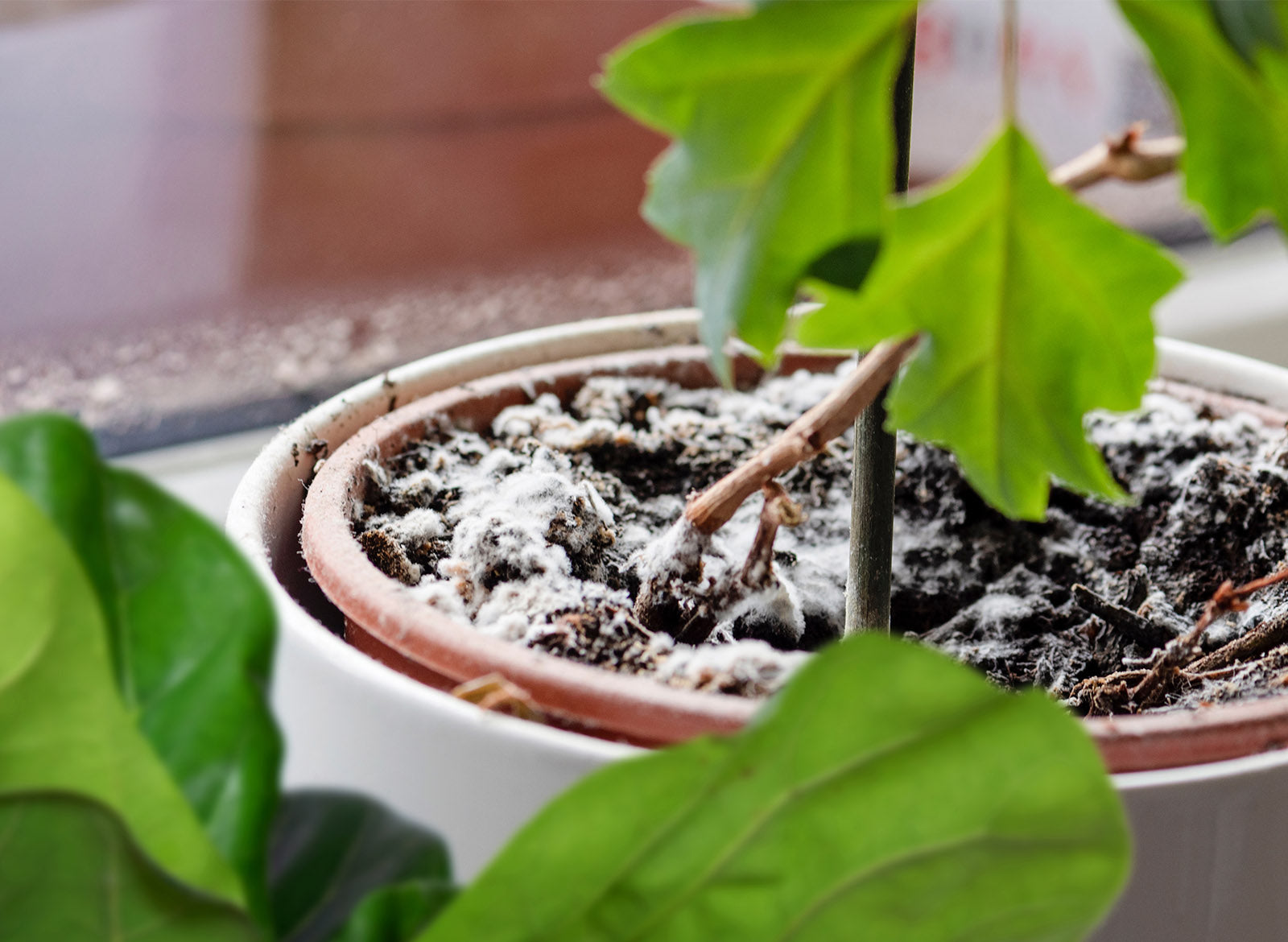
To save a plant afflicted by fungus, it is essential to identify the type of fungus and the extent of the infection. Fungal diseases can manifest as spots, mold, or blight on the leaves, stems, or roots of the plant. Here's what you can do to save your plant:
Identify the Fungus
Identifying the type of fungus affecting your plant is crucial for effective treatment. Different fungi require different approaches.
- Observe Symptoms: Look for signs such as discoloration, wilting, or mold.
- Research: Use books or online resources to match symptoms with known fungal diseases.
- Consult an Expert: If uncertain, take a sample to a local garden center or agricultural extension service for identification.
Quarantine the Affected Plant
To prevent the spread of fungus to other plants, it's vital to isolate the infected one until the issue is resolved.
- Relocate: Move the plant to a separate area away from others.
- Clean Your Tools: Ensure that any tools used on the affected plant are disinfected.
- Avoid Contact: Refrain from handling nearby plants until the infected one is treated.
Apply Fungicides
Fungicides can be an effective solution for combating fungal infections. However, selection and application require care.
- Select the Right Product: Choose a fungicide specific to the type of fungus affecting your plant.
- Follow Instructions: Apply as per the manufacturer's guidelines for dosage and frequency.
- Monitor Progress: Keep an eye on the plant's response to treatment and adjust as necessary.
Improve Air Circulation
Adequate airflow around your plant can help reduce moisture, which is favorable for fungal growth.
- Trim Overgrown Foliage: Remove excess leaves to encourage better air circulation.
- Space Out Plants: Ensure that plants are spaced adequately to allow airflow between them.
- Use Fans: For indoor plants, consider using oscillating fans to promote air circulation.
Adjust Watering Practices
Overwatering can create a damp environment that promotes fungi. Adjusting how and when you water your plants can significantly impact their health.
See also:
- Water at the Base: Instead of watering the leaves, direct water to the soil to keep foliage dry.
- Check Soil Moisture: Make sure the top inch of soil is dry before watering again.
- Avoid Watering in Evening: Watering at night can increase humidity; try to water in the morning.
What does fungal infection look like on a plant?
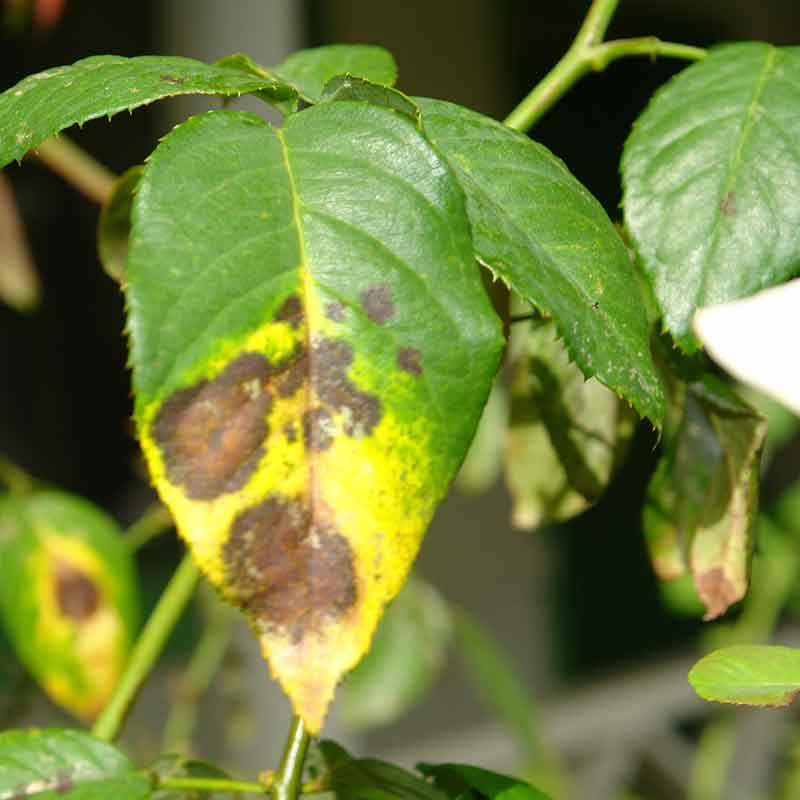
Fungal infections on plants manifest in various ways, and the symptoms can greatly differ depending on the type of fungus and the part of the plant that is affected. Generally, fungal infections can lead to visible changes in the leaves, stems, and roots of the plant. Here are some common signs to look for:
Leaf Spotting
One of the most noticeable symptoms of fungal infections is the appearance of leaf spots. These spots can vary in size, color, and shape.
- Color Variations: Spots may appear brown, yellow, or black, often with a yellow halo.
- Shape and Size: They can be round, irregular, or angular, depending on the fungal species.
- Spread: Initially localized, these spots can spread and merge, leading to significant leaf damage.
Powdery Mildew
Powdery mildew is a common fungal infection characterized by a white or gray powdery growth on the surface of leaves and stems.
- Appearance: The mildew often resembles talcum powder and can cover large areas of the plant.
- Conditions: It thrives in warm, dry conditions and can hinder photosynthesis, affecting plant health.
- Contagion: It can spread quickly to other plants, particularly in overcrowded situations.
Wilting and Yellowing
Fungal infections can lead to wilting and yellowing of leaves, which is often a sign of root or vascular issues.
- Impact on Roots: Fungi that affect roots can impede water and nutrient uptake, leading to wilting.
- Symptoms: Leaves may turn yellow before wilting, indicating a decline in overall plant health.
- Systemic Effects: Severe infections can affect the entire plant, potentially leading to death if untreated.
Fruit and Stem Rot
Fungal infections can also cause rotting in fruits and stems, often making them unappetizing and unsafe to consume.
- Signs of Rot: Affected areas may appear mushy, discolored, and may produce a foul odor.
- Symptoms in Fruits: Fruits may develop soft spots, and their skin can appear wrinkled or soaked.
- Stem Damage: Stems can become soft, darkened, and may eventually collapse, leading to plant death.
Mycelium Presence
The presence of mycelium, which is the vegetative part of fungi, can often be observed growing on infected plant tissues.
- Growth Form: Mycelium appears as thin, thread-like structures that can be white, gray, or even colored depending on the fungus.
- Environmental Conditions: High humidity and poor air circulation promote mycelial growth.
- Impact: This growth can cover leaves and stems, severely impacting the plant's ability to photosynthesize.
How to get rid of fungal infection on plant leaves?
:max_bytes(150000):strip_icc()/powdery-mildew-1402500_FINAL-132e55a8e24b4392a79a41a3791e01b5.png)
To effectively get rid of fungal infections on plant leaves, it is essential to identify the type of fungal pathogen present, as each may require a different treatment approach. Below are steps and methods you can take to manage and eliminate these infections from your plants:
1. Remove Infected Leaves: Start by inspecting your plants regularly. If you notice any leaves that show signs of fungal infection, such as yellowing, spots, or wilting, it's crucial to remove them immediately to prevent the spread of the infection. Dispose of them properly (do not compost) to ensure the fungus does not return.
2. Improve Air Circulation: Fungi thrive in humid and poorly ventilated environments. To discourage fungal growth, ensure that your plants have adequate air circulation. Prune overcrowded areas and avoid excessive watering which can create humidity levels conducive to fungal development.
3. Fungicidal Treatments: Consider using fungicides if the infection persists. There are various fungicides available, both chemical and organic. Ensure you apply them according to the manufacturer's instructions and focus on the areas of the plant most affected by the infection.
4. Natural Remedies: If you prefer not to use synthetic chemicals, you can try natural remedies. Mixtures of baking soda, water, and a few drops of dish soap can create an effective solution that disrupts fungal processes. Regularly spraying this mixture on the affected areas can help control the condition.
5. Prevent Future Infections: To prevent future fungal infections, maintain a routine of proper care for your plants. This includes regular inspections, ensuring that the plants are not overcrowded, and using appropriate soil and fertilizer that help promote healthy plant growth.
See also:
Identifying Fungal Infections on Plant Leaves
Identifying the specific type of fungal infection on your plants can greatly influence the treatment method you choose. Common signs include discoloration, powdery substances, and leaf drop. Familiarize yourself with the symptoms to take prompt action.
- Look for discoloration patterns, such as yellowing or dark spots.
- Check for unusual textures like white powdery mildew or rust-like spots.
- Monitor leaf drop or wilting as potential indicators of severe infections.
Preventive Measures for Fungal Infections
Preventing fungal infections is easier than treating them. You can implement several protective measures in your gardening routine to keep your plants healthy and minimize the risk of infections.
- Plant in well-draining soil to avoid water logging and promote healthy roots.
- Ensure adequate spacing between plants to enhance airflow and reduce humidity.
- Avoid overhead watering, which can wet leaves and promote fungal growth.
How to Use Chemical Fungicides
If you decide to opt for chemical treatments, it's essential to follow application instructions carefully. Chemical fungicides can be very effective when used correctly but can also harm beneficial organisms if misapplied.
- Choose a fungicide specifically labeled for the type of fungus you are dealing with.
- Follow the manufacturer’s instructions for mixing and application.
- Apply in calm weather to avoid drift and ensure proper coverage of affected areas.
Applying Natural Remedies
For those who prefer natural solutions, various home remedies can be utilized to combat fungal infections. These remedies can be both effective and safer for the environment.
- Mix one tablespoon of baking soda in a gallon of water and spray it on the leaves.
- Add a few drops of mild dish soap to the mixture to help it adhere.
- Apply this solution every few days until the infection clears.
Post-Treatment Care for Affected Plants
Once you have treated the fungal infection, it is essential to continue caring for your plants to promote recovery and reduce the likelihood of recurrence.
- Monitor your plants closely for any signs of returning infection.
- Maintain proper watering practices, avoiding excess moisture on leaves.
- Fertilize regularly to support robust growth, enhancing the plants' resilience against future infections.
Can fungus spread from one plant to another?
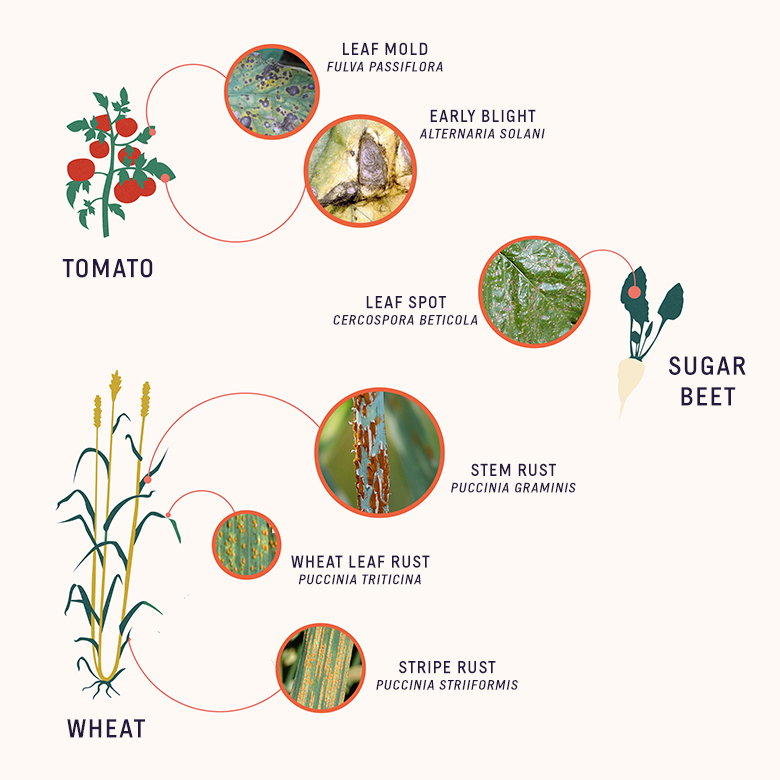
Yes, fungus can spread from one plant to another through various mechanisms. Fungi are incredibly diverse organisms and can reproduce and disseminate their spores effectively, leading to infections in a variety of plant species. The spread can occur through the air, soil, water, or through physical contact. Understanding the pathways through which fungi can spread is crucial for managing plant health and preventing disease outbreaks.
How Fungi Spread Through Air
Fungi can release spores into the air, which may then land on other plants. This method of dispersal is particularly effective in environments with high humidity or during certain weather conditions.
- Airborne Spores: Many fungi produce lightweight spores that can travel long distances with the wind.
- Infection Mechanism: Once spores land on a suitable host, they can germinate and infect the plant tissues.
- Environmental Factors: Conditions such as moisture and temperature greatly influence the successful spread of airborne spores.
Soilborne Fungal Spread
Fungi can also survive in the soil, where they can infect plants directly through their roots. This soilborne transmission can occur both in agricultural settings and natural ecosystems.
- Root Contact: Infections may occur when healthy roots come into contact with infected soil or decaying plant matter.
- Mycorrhizal Relationships: Some fungi form beneficial associations with plant roots but can also transfer pathogens among plants.
- Soil Management: Practices such as crop rotation and soil sterilization can minimize the risk of soilborne fungal infections.
Water as a Transmission Medium
Fungal spores can be transported through water, whether it be in irrigation systems, rainwater, or surface runoff. This mode of transmission can lead to widespread infections across multiple plants.
- Rain Splash: Rain can cause spores to splash from infected plants to surrounding healthy ones, facilitating spread.
- Wet Conditions: Fungi thrive in wet environments, making plants more susceptible when irrigation or heavy rainfall occurs.
- Fungicide Use: Proper application of fungicides in irrigation water can reduce the risk of fungal spread.
Spread Through Physical Contact
Plants can also contract fungal infections via physical contact with infected plants or materials. This includes contact through tools, gloves, or even animals.
- Infected Tools: Garden tools that come into contact with infected plants may transmit the disease when used on healthy ones.
- Animal Interaction: Animals can carry fungal spores on their fur or hooves, facilitating the spread to other plants.
- Sanitation Practices: Regular cleaning of tools and equipment is essential to minimize the spread of fungal diseases.
Signs of Fungal Infection in Plants
Identifying signs of fungal infection early can help in managing and controlling the spread of the fungus to other plants.
- Discoloration: Leaves may show yellowing or browning as an early sign of infection.
- Wilting: Infected plants may wilt or show signs of stunted growth due to root damage.
- Visible Spores: The presence of fungal fruiting bodies, such as molds or mildew, can indicate an active infection.
Questions from Our Readers
Can a plant fully recover from a fungal infection?
Yes, a plant can recover from a fungal infection, but the extent of recovery largely depends on the severity of the infection and the type of plant involved. Early detection and treatment are crucial, as some plants have more resilience and can withstand infections better than others.
What are the signs of a fungal infection in plants?
Common signs of a fungal infection include discoloration of leaves, the presence of molds or fungal spores, wilting, and stunted growth. Abnormal spots or patches on the leaves and stems are also indicators that a plant may be under attack from fungal pathogens.
See also:
How can I treat a fungal infection in my plants?
Treating a fungal infection typically involves improving the plant's environment, reducing humidity, and applying fungicides or organic treatments. Regularly removing affected parts of the plant and ensuring good air circulation can also help in the recovery process.
Can preventative measures help avoid fungal infections in plants?
Absolutely, preventative measures such as maintaining proper watering practices, using well-draining soil, and avoiding overcrowding can significantly reduce the risk of fungal infections. Additionally, timely application of fungicides and regular monitoring for any early signs of infection are key in protecting plant health.

If you want to read more articles like Can a Plant Recover from a Fungal Infection? Essential Tips for Restoration, we recommend you check out our Plants category.
Leave a Reply
Related Articles