Can You Spray Fungicide on Vegetables? Essential Tips for Safe Application
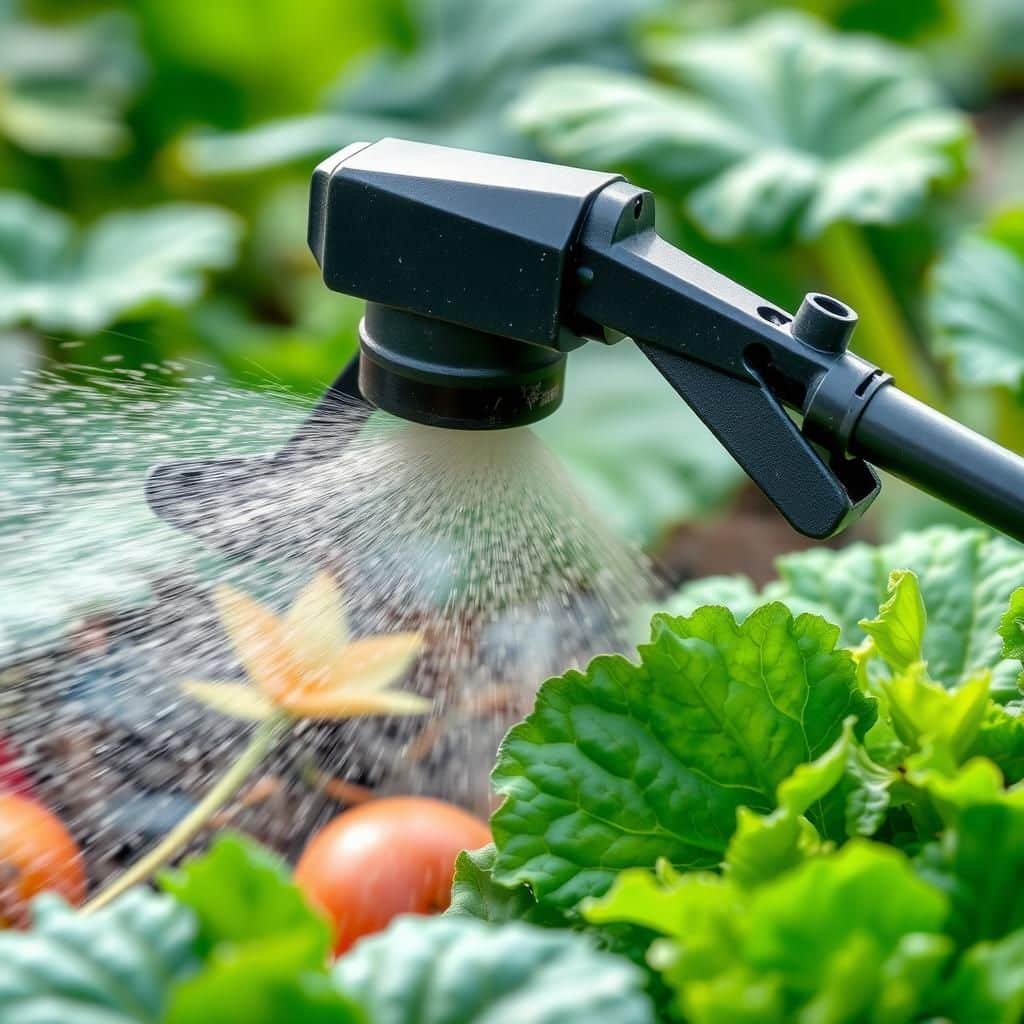
Fungicides can be a valuable tool in maintaining the health of your vegetable garden, but their application requires careful consideration. Many gardeners wonder whether it’s safe to spray fungicide directly on edible plants. Understanding the correct practices is crucial to ensure both effectiveness and safety. In this article, we will explore the guidelines for applying fungicides on vegetables, including essential tips for selection, timing, and safety measures. By following these recommendations, you can protect your crops from fungal diseases while maintaining a safe and healthy garden environment for you and your family.
Can You Spray Fungicide on Vegetables?
Yes, you can spray fungicide on vegetables, but it is important to select the correct type of fungicide and apply it according to the manufacturer's instructions. Many fungicides are designed specifically for use on food crops and are effective in controlling fungal diseases such as powdery mildew, root rot, and other common plant ailments. However, some fungicides may have waiting periods during which harvested vegetables cannot be consumed. Always read the labels carefully and consider your local regulations before application to ensure both safety and compliance.
The Importance of Choosing the Right Fungicide
Choosing the right fungicide is crucial for effective treatment of fungal issues on your vegetables. There are several types of fungicides, including contact and systemic varieties, each with specific mechanisms of action. Contact fungicides remain on the surface of the plant, while systemic ones are absorbed and can protect internal tissues. It's essential to select a product that targets the specific fungal disease affecting your crops to maximize effectiveness and minimize any potential impact on beneficial organisms in your garden.
Timing and Frequency of Application
The timing and frequency of fungicide application can significantly influence its efficacy. Fungicides are most effective when applied at the first sign of disease or as a preventive measure before conditions favorable for fungal outbreaks arise. Generally, it’s advisable to follow the label recommendations for application intervals to avoid potential damage to the plants and to ensure the fungicide maintains sufficient protective levels against pathogens.
Potential Residue and Safety Concerns
When applying fungicides to vegetables, it's crucial to be aware of potential residue on the produce. Many fungicides have pre-harvest intervals that indicate how long you must wait after application before harvesting vegetables for consumption. This waiting period ensures that any chemical residues diminish to safe levels. Washing vegetables thoroughly before consumption is also recommended to reduce any remaining residues, thus enhancing food safety.
Organic vs. Synthetic Fungicides
There are two main categories of fungicides: organic and synthetic. Organic fungicides, derived from natural substances, are typically considered safer for the environment and human health, making them popular among home gardeners. In contrast, synthetic fungicides can be more potent and effective against a wider range of fungi but may come with greater health and environmental risks. Understanding the differences and aligning your choice with your gardening philosophy is essential when applying fungicides on your vegetables.
Effectiveness and Environmental Impact
The effectiveness of fungicides can vary based on several factors, including the type of fungicide, the targeted disease, and environmental conditions. It’s essential to assess the potential environmental impact of these chemicals on local ecosystems. Some products can harm beneficial insects, aquatic life, or soil health. Integrated Pest Management (IPM) practices often encourage a balanced approach to control fungal diseases while minimizing potential side effects on the environment.
| Fungicide Type | Application Method | Pre-Harvest Interval |
|---|---|---|
| Contact | Spray on affected area | 7-14 days |
| Systemic | Soil drench or foliar spray | 14-21 days |
| Organic | Spray on affected area | Depends on product |
| Synthetic | Soil treatment or spray | 7-21 days |
Is fungicide safe for vegetables?

Fungicides are chemicals used to combat fungal diseases in plants. When it comes to their safety for vegetables, the answer isn't straightforward. While many fungicides are approved for use on food crops and have gone through testing to ensure they can be used safely, there are several factors to consider that impact their safety on vegetables.
Regulatory Approval of Fungicides
Regulatory bodies, such as the Environmental Protection Agency (EPA) in the United States, assess and approve fungicides used in agriculture. These agencies evaluate the potential risks to human health and the environment before granting approval for specific fungicidal products. Factors considered include:
See also:
- The toxicological profile of the active ingredients.
- Residue thresholds on edible crops.
- The recommended application rates and timing.
Types of Fungicides
There are mainly two types of fungicides: organic and synthetic. Organic fungicides often have a lower toxicity profile and include options like neem oil and sulfur. Synthetic fungicides are often more effective against a broader range of fungi but may carry higher risks. Consider the following:
- Organic fungicides tend to have shorter residual effects.
- Synthetic options may require a waiting period before harvest.
- Some fungicides target specific fungi, reducing non-target organism exposure.
Pre-Harvest Intervals
The concept of pre-harvest intervals (PHIs) is critical when determining the safety of fungicides on vegetables. PHIs are the time periods required between the last application of a fungicide and harvesting the crop. This ensures that any chemical residues have declined to safe levels. Important points include:
- Different fungicides have varying PHIs based on their chemical nature.
- Following recommended PHIs minimizes the risk of residues in food.
- Growers are instructed to follow specific guidelines based on the label instructions.
Effects on Human Health
The safety of fungicides is also related to their potential effects on human health. While many fungicides may be safe when applied correctly, some can pose health risks if not handled properly. Important considerations include:
- Exposure through inhalation, skin contact, or ingestion can be harmful.
- Chronic exposure to some fungicides may lead to long-term health issues.
- Proper protective equipment and practices can reduce health risks during application.
Integrated Pest Management (IPM) Practices
Using fungicides as part of an Integrated Pest Management (IPM) approach can enhance safety while managing plant diseases effectively. IPM strategies combine biological, cultural, and chemical methods to minimize reliance on chemical treatments. Key aspects include:
- Monitoring plant health and disease presence regularly.
- Using fungicides only when necessary and in accordance with guidelines.
- Implementing crop rotation and resistant plant varieties to reduce disease incidence.
Can I spray fungicide on tomato plants?

Yes, you can spray fungicide on tomato plants to manage and prevent fungal diseases. It is crucial to apply fungicides correctly to maximize their effectiveness and minimize any potential harm to the plants and surrounding environment. When using fungicides, consider the type of disease you're addressing, the growth stage of your tomato plants, and the weather conditions.
Understanding Fungal Diseases in Tomatoes
Tomato plants are susceptible to several fungal diseases that can severely affect their health and yield. Here are some common diseases:
- Early Blight - causes yellowing and wilting of leaves.
- Late Blight - leads to dark patches on leaves and stems.
- Powdery Mildew - results in a white powdery coating on leaves.
Choosing the Right Fungicide
Not all fungicides are suitable for every type of fungal infection. It's essential to select a fungicide that targets the specific disease afflicting your tomato plants. Consider the following criteria:
- Mode of Action - Understand how the fungicide works to combat the disease.
- Active Ingredients - Check for ingredients like copper, sulfur, or modern systemic fungicides.
- Application Method - Decide if you need a spray, granular, or soil treatment.
Application Timing and Method
Proper timing and application method are critical for effective fungicide use. Here are some guidelines:
- Preventive Use - Apply fungicides when conditions become favorable for fungal growth.
- During Early Symptoms - Treat plants at the first sign of disease to prevent spread.
- Follow Instructions - Adhere to the manufacturer's guidelines for dosage and frequency.
Safety Precautions
When spraying fungicides, it's important to take safety precautions to protect yourself, the plants, and the environment. Here are important steps:
See also:
- Protective Gear - Wear gloves, masks, and eye protection while applying.
- Reapply According to Instructions - Avoid over-application to minimize risk.
- Avoid Application on Windy Days - Spray during calm conditions to prevent drift.
Integrating Fungicides into Plant Care
Fungicides should be part of a broader management strategy for tomato plants. Consider these best practices:
- Crop Rotation - Rotate crops to reduce fungal pathogens in soil.
- Proper Spacing - Ensure good air circulation between plants to reduce humidity.
- Regular Monitoring - Frequently check for early signs of disease and act promptly.
When not to spray fungicide?
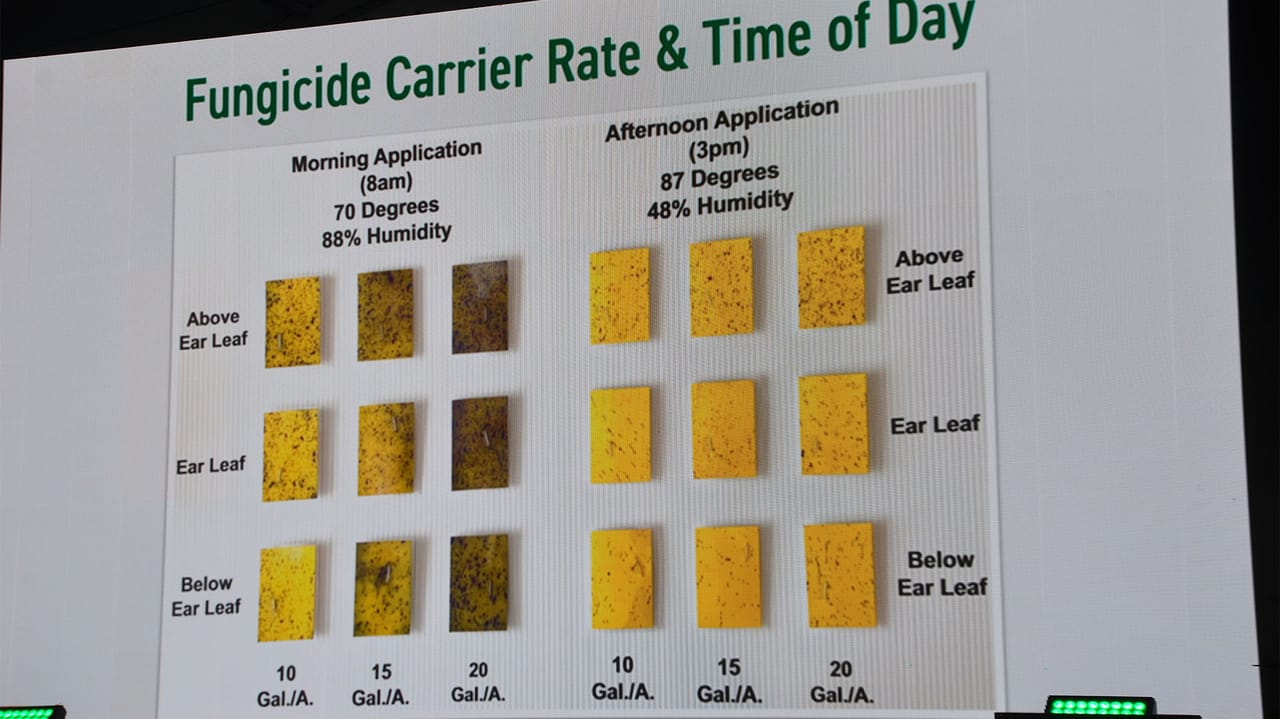
When considering the application of fungicide, there are specific circumstances when one should avoid its use to ensure the health of plants, minimize environmental impact, and prevent resistance development. Below are detailed explanations of those situations.
Understanding Plant Stress
Applying fungicide when plants are under significant stress can exacerbate their problems. Stress may arise from various factors, including drought, poor soil nutrition, or pest infestations. In such cases, the efficacy of the fungicide is often compromised, and it could lead to further harm. Here are some points to consider:
- Fungicides may interfere with the plant's natural defense mechanisms.
- Stressed plants might not metabolize the chemical effectively.
- Unsuitable conditions can create more stress, possibly leading to plant death.
Environmental Conditions
The timing of fungicide application is crucial and should consider environmental conditions. Certain weather scenarios increase the likelihood of fungicide drift or reduced efficacy. Here are situations when you should avoid spraying:
- During high winds that could carry the spray off-target.
- In heavy rain or imminent precipitation, which could wash away the chemical.
- When temperatures are excessively high or low, affecting the fungicide's effectiveness and plant health.
Presence of Pollinators and Beneficial Organisms
Fungicides can adversely affect pollinators and other beneficial organisms present in the ecosystem. It is important to avoid spraying during specific times to protect these vital components. Consider the following:
- Avoid application during the daytime, especially when bees and other pollinators are active.
- Timing should be after flowering to minimize risks to insects.
- Consider using products that are less harmful to beneficial organisms when needed.
Resistance Management
Repeated use of the same fungicide can lead to the development of resistance in pathogens. Therefore, it is crucial to know when not to apply fungicides to prevent this issue. Here are key considerations:
- Refrain from applying the same active ingredient over short intervals.
- Monitor for signs of treatment failure before reapplication.
- Utilize an appropriate rotation of different fungicidal classes.
Legal and Regulatory Restrictions
Certain legal and regulatory frameworks govern the use of fungicides in agricultural and gardening practices. It's essential to be aware of these regulations. Here are important aspects to keep in mind:
- Know the prohibited times for certain applications related to specific crops or regions.
- Be aware of any mandatory pre-harvest intervals that restrict fungicide use close to harvest.
- Check for local guidelines regarding endangered species and sensitive environments.
Questions from Our Readers
Can you spray fungicide on vegetables?
Yes, you can spray fungicide on vegetables, but it is crucial to choose a product that is specifically labeled for use on edible crops. Always follow the instructions on the label, as some fungicides may require a specific waiting period before harvesting.
Are there safe fungicides for vegetables?
Yes, there are safe fungicides available for use on vegetables, particularly those that are certified for organic gardening. Look for products containing natural ingredients, such as neem oil or copper fungicide, as they are typically less harmful to humans and the environment.
See also:
How often should you apply fungicide on vegetables?
The frequency of applying fungicide on vegetables depends on the product used and the severity of the fungal disease. Generally, it's recommended to apply every 7 to 14 days, but always refer to the label instructions for specific guidance regarding timing and application rates.
What precautions should be taken when spraying fungicide on vegetables?
When spraying fungicide on vegetables, always wear appropriate protective gear, such as gloves and a mask, and apply on calm days to prevent drift. Additionally, avoid spraying close to harvest times and ensure that the product is compatible with your specific vegetable types.

If you want to read more articles like Can You Spray Fungicide on Vegetables? Essential Tips for Safe Application, we recommend you check out our Plants category.
Leave a Reply
Related Articles