Discover What Flower Means Cry? Unravel the Symbolism Behind This Emotional Bloom
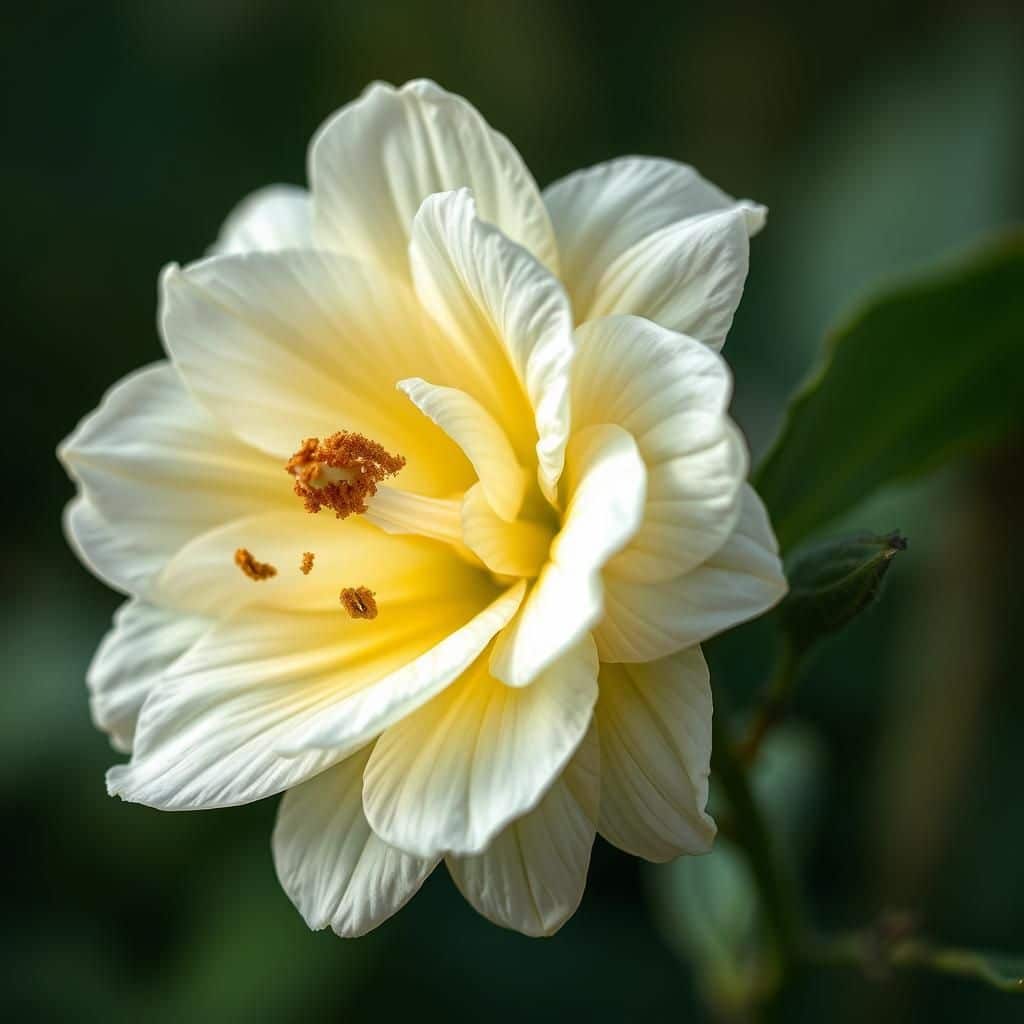
Flowers have long been symbols of human emotions, serving as a means to express feelings that often transcend words. Among the myriad blooms, one in particular stands out for its poignant association with sorrow and melancholy: the flower that means cry. This article delves into the rich symbolism behind this emotional bloom, exploring its historical significance, cultural interpretations, and the myriad ways it has been used to convey grief and longing. Join us as we unravel the layers of meaning behind this powerful floral emblem and discover why it resonates so deeply within the human experience.
Understanding Flowers That Symbolize Crying
Flowers have long held various meanings and symbolisms in cultures around the world. When it comes to the idea of crying or sadness, the lily is a prominent flower that represents such emotions. In many contexts, the lily is associated with grief and mourning, often appearing at funerals as a way to honor the deceased and express the profound sorrow of loss. This symbolism is rooted in the flower's delicate beauty, which contrasts with the heavy feelings of grief, making it a poignant reminder of both love and loss. Similarly, the white rose can convey sorrow, especially in the context of unfulfilled love or lost relationships, making it another flower that embodies the theme of crying.
The Symbolism of Lilies
Lilies, particularly white lilies, are commonly associated with purity and innocence, but they also serve as a symbol of mourning and grief. Their striking petals and fragrance convey a sense of spiritual beauty, which is why they are frequently used in funeral arrangements. The lily's connection to death arises from ancient mythology and religious significance, providing comfort to those in pain and expressing deep emotional sorrow.
The Meaning Behind White Roses
The white rose is often viewed as a representation of innocence and new beginnings, but it also carries undertones of love lost and sadness. This duality makes it a fitting choice for expressing the complex emotions surrounding heartbreak or unrequited love. In various cultures, gifting a white rose can symbolize a gesture of sympathy and understanding towards someone who is experiencing emotional turmoil.
Other Flowers That Convey Sadness
Apart from lilies and white roses, there are other flowers that also symbolize crying or sadness. For instance, the bluebell is often associated with humility and constancy but can also symbolize sorrow. Similarly, the mourning cloak butterfly is associated with the mourning flower in some cultures, showcasing the blend of nature and emotional expression. Each flower carries its own unique meaning, contributing to the rich tapestry of how people express their feelings through nature.
Cultural Interpretations of Crying Flowers
Cultural interpretations of flowers associated with crying vary widely around the world. For example, in some Asian cultures, the chrysanthemum is linked to death and is used during funeral rites to signify grief and remembrance. Alternatively, in the West, the weeping willow tree is often seen as a symbol of mourning due to its drooping branches. These cultural nuances highlight how different societies attribute varied meanings to the same floral symbols based on local traditions and beliefs.
Table of Flowers and Their Symbolic Meanings
| Flower | Symbolism |
|---|---|
| Lily | Grief and mourning |
| White Rose | Unrequited love and sympathy |
| Bluebell | Sorrow and humility |
| Chrysanthemum | Death and remembrance |
| Weeping Willow | Mourning and sadness |
What flower means tears?

The flower that is most commonly associated with tears is the Lily. More specifically, the White Lily, which symbolizes purity and transience, evokes the sentiment of tears, often linked to loss and mourning. In various cultures and traditions, flowers have been used as expressions of feelings, and the Lily serves as a poignant reminder of the bittersweet nature of life.
Origin of the Lily Symbolism
The association of Lilies with tears often traces back to various mythologies and historical contexts.
- The Greek mythology reflects on the connection between the Lily and tears of sorrow, often represented as symbols of mourning.
- In Christian symbolism, the Lily represents purity and is sometimes seen as a flower that bridges death and resurrection, evoking tears of both grief and hope.
- Folklore from different cultures often attributes the emergence of Lilies from the tears of divine beings, further enhancing their connection with sadness.
The Role of Lilies in Mourning Rituals
Lilies, particularly in the form of arrangements at funerals, signify a profound connection with grief and remembrance.
- They are commonly included in funeral wreaths and as offerings during memorial services, serving to honor the departed.
- The fragrance of Lilies has been known to evoke emotions, allowing mourners to express their sorrow and nostalgia.
- In various cultures, the gifting of Lilies serves as a comforting gesture to those grieving, reinforcing social bonds during difficult times.
Other Flowers Associated with Tears
While Lilies are the most prominent, several other flowers also symbolize tears and sorrow.
- The Forget-Me-Not flower represents lost love and memories, often interpreted as the tears shed for those we have lost.
- The Hellebore is associated with mourning due to its historical use in funerals and its connection with sorrowful themes.
- The Crysanthemum, particularly in Asian cultures, is a symbol of grief and is often placed on graves as a part of mourning traditions.
Symbolic Colors of Lilies
The color of a Lily can influence the type of emotion it conveys, particularly in relation to tears.
See also:
- White Lilies symbolize purity and innocence, often linked to tears of sadness and loss.
- Pink Lilies convey admiration and compassion, also resonating with feelings of sorrow when associated with close relationships.
- Orange Lilies, while sometimes representing passion, can also evoke tears related to intense emotional experiences and heartache.
Communicating Through Flowers
In the language of flowers (floriography), Lilies and their associations with tears offer a unique form of communication.
- Using a Lily symbolizes a message of condolence and empathy, appropriate for conveying messages of love and support to grieving individuals.
- By gifting a bouquet that includes Lilies, people can express their sorrow and comfort to those mourning the loss of a loved one.
- This flower serves as a subtle reminder that expressing emotions through flowers is a profoundly meaningful way to connect with each other during difficult times.
What flower means sorrow?
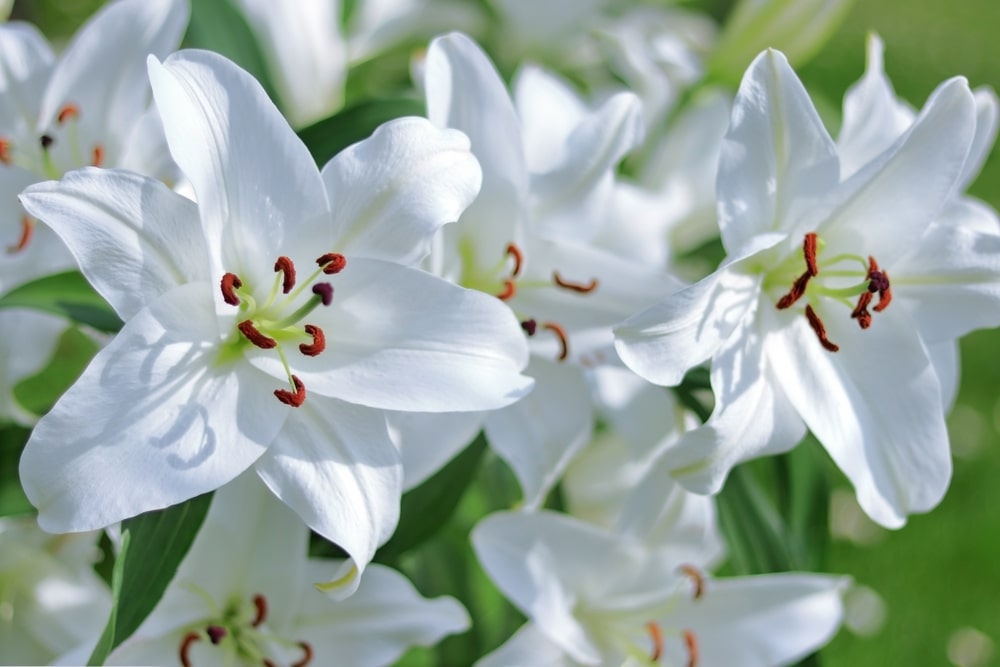
The flower that is most commonly associated with sorrow is the lily, particularly the white lily. This connection to sorrow mainly stems from its association with mourning and death. In various cultures and religions, the white lily symbolizes purity and the soul's return to innocence, often appearing in funerals and memorials. The poignant beauty of the flower serves as a reminder of the fragility of life and the pain of loss.
Historical Significance of Lilies
The historical significance of lilies as symbols of sorrow can be traced back to ancient civilizations. They were often used in burial rituals and were believed to assist the deceased in their journey to the afterlife.
- In ancient Greece, lilies were associated with Hera, the goddess of marriage and family, symbolizing rebirth and new beginnings.
- During the Victorian era, flowers, including lilies, were used to convey feelings that could not be expressed verbally, especially during times of grief.
- In Christian tradition, the presence of lilies in funerals represents the death of Christ and the hope of eternal life.
Other Flowers Associated with Sorrow
While the lily is predominant, other flowers also symbolize sorrow. Understanding these can provide a broader perspective on floral symbolism.
- Chrysanthemums are often seen in funerals, especially in Asian cultures, where they symbolize death and are used as offerings.
- Roses, particularly black or dark colors, convey deep sorrow and mourning.
- The carnation in some cultures symbolizes remembrance; however, the color can alter its message, with dark shades for mourning.
The Language of Flowers
The language of flowers, or floriography, is a means of communication through floral arrangements. Each flower carries its own meaning, making it essential to understand the context of their usage.
- The white lily is specifically associated with the spiritual meaning of loss.
- In times of bereavement, arranging flowers in sympathy bouquets allows individuals to express their feelings and support.
- Flower combinations, including lilies with other sorrowful flowers, can create meaningful tributes.
Floral Arrangements for Mourning
When crafting floral arrangements for mourning or memorial services, certain flowers, including lilies, are favored for their symbolism of sorrow.
- Classic arrangements often feature a mix of lilies, chrysanthemums, and roses to communicate depth of emotion.
- Arrangement styles can range from simple to elaborate, depending on the personality of the deceased and the preferences of the family.
- Using colors like white, purple, and dark hues reinforces the theme of mourning and remembrance.
Season and Availability of Sorrow Flowers
The seasonality and availability of flowers greatly influence their use in mourning. Understanding when certain flowers are in bloom helps in choosing the right blooms for funerals or memorials.
- Lilies are usually available all year round, making them a reliable choice for memorials.
- Chrysanthemums typically bloom in fall, fitting for mourning that occurs during that season.
- Assuring freshness in floral arrangements adds to the visual impact and conveys care in the expression of sorrow.
What flower symbolizes emotional pain?
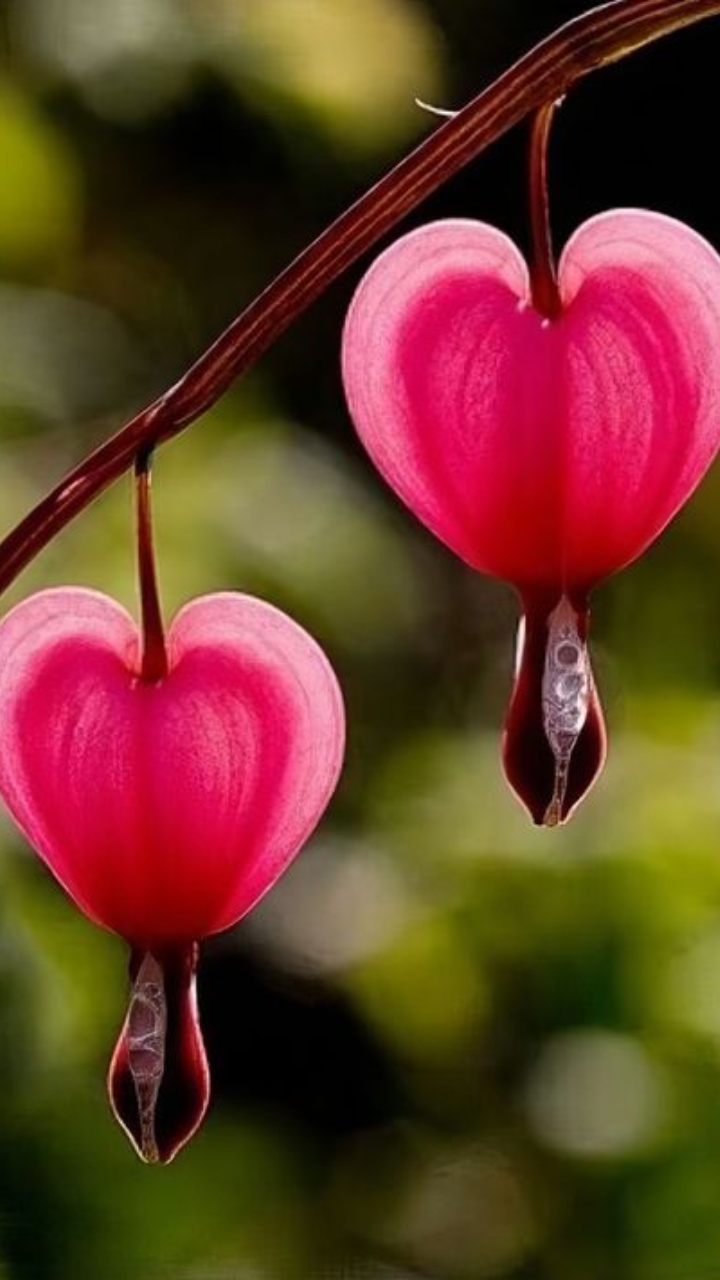
The flower that is commonly associated with emotional pain is the black rose. This flower is often interpreted as a symbol of loss, grief, and heartache. Unlike the more traditional red rose, which signifies love and passion, the black rose embodies darker emotions and can represent the end of a relationship or the death of something once cherished. Its unique appearance and color make it a powerful symbol of sorrow and despair.
The Meaning Behind the Black Rose
The black rose captivates people's imaginations and emotions due to its enigmatic beauty. Here are some reasons why it symbolizes emotional pain:
- Grief: Often used in funerals, black roses represent mourning.
- Endings: The black color signifies the end of love or life.
- Unrequited Love: It also represents love that can never be fulfilled.
Other Flowers Associated with Pain
In addition to the black rose, there are other flowers that signify various forms of emotional pain. These include:
See also:
- Lilies: Often symbolize grief and the loss of a loved one.
- Chrysanthemums: In some cultures, they represent death and sadness.
- Snapdragons: They are often associated with deceit and the pain of a broken heart.
Cultural Significance of Black Roses
The symbolism of black roses varies across different cultures, which adds layers to their meaning:
- Western Cultures: Generally represent mourning and loss.
- Eastern Cultures: Can symbolize rebirth and new beginnings despite pain.
- Literature: Frequently appear in poems and stories to signify tragedy.
Floral Arrangements for Mourning
When creating a floral arrangement to communicate emotional pain, consider the following:
- Black Roses: The focal point for expressing deep sorrow.
- White Lilies: To balance grief with purity and restoration.
- Dark Purple Flowers: To complement the theme of mourning.
Expressing Emotions Through Flowers
Flowers have a unique way of expressing emotions that words may fail to convey:
- Symbolic Communication: Flowers can speak volumes about what one feels.
- Personal Reflection: Selecting specific flowers can help individuals articulate their emotional state.
- Gift Giving: Offering flowers during times of grief shows support and empathy.
What does it mean when a flower cries?

When a flower cries, it often refers to the phenomenon of guttation. Guttation occurs when a plant exudes drops of sap or moisture through specialized structures called hydathodes. This process usually takes place when the soil is very wet, and humidity levels are high, causing roots to absorb more water than the plant can utilize.
Understanding Guttation
Guttation is sometimes mistaken for a plant being diseased or suffering from stress. In reality, it is a natural process and can be explained by:
- Water absorption: Roots absorb excess water from the soil.
- Transpiration: Limited transpiration occurs under high humidity, leading to water being pushed out at night.
- Humidity levels: High humidity restricts the evaporation of water, prompting guttation.
Why Do Flowers Cry?
When flowers exhibit this behavior, it's important to understand the context and reasons behind it:
- Surplus moisture: Indicates that the flower is receiving more water than it can process.
- Plant health: A sign of a healthy root system effectively absorbing nutrients and water.
- Species variability: Certain species are more prone to guttation than others, showcasing diversity in plant behavior.
Cultural Interpretations of Crying Flowers
In various cultures, the act of a flower crying carries metaphorical meanings, which can involve:
- Emotional symbolism: Crying flowers may represent sadness or loss in literature and art.
- Connection to nature: The behavior is often linked to themes of empathy and communication with the environment.
- Folklore: Many cultures have stories and myths surrounding plants that weep, enhancing their mystical qualities.
Guttation vs. Disease Symptoms
It's essential to differentiate between guttation and signs of plant disease, as both can sometimes appear similar:
- Guttation traits: Guttation can be identified by clear droplets on leaf tips, typically at night or early morning.
- Disease indicators: Diseased plants might show discolored spots, wilting, or unusual growth patterns rather than droplets.
- Action steps: If unsure, inspect the plant closely for other symptoms to determine the correct course of action.
Impact of Environmental Conditions
Environmental factors heavily influence the occurrence of guttation in flowers, including:
- Soil moisture: Overly saturated soil promotes excessive water uptake by the roots.
- Temperature: Cooler temperatures may reduce transpiration rates, leading to guttation.
- Humidity: High humidity levels impede the typical water loss through evaporation, facilitating the process.
Questions from Our Readers
What flower symbolizes crying?
The flower that is often associated with crying is the Lily. Lilies are known for their beautiful appearance and are frequently used to express deep emotions, including sorrow and grief, which can relate to the concept of crying.
Why do people associate flowers with emotions like crying?
Flowers have a long history of being used as symbols of various emotions. For many, the association between tears and flowers like Lily stems from their beauty, which can evoke feelings of sadness and loss, thus making them a suitable representation for crying.
See also:
Can different colors of the same flower represent different types of crying?
Yes, different colors of the same flower can symbolize various emotional states related to crying. For example, white lilies might symbolize innocence and evoke tears of loss, while orange lilies could represent passion, potentially linking to tears of joy or anguish.
Are there other flowers connected to the theme of crying?
Aside from lilies, there are other flowers like the weeping willow tree, which is not a flower per se but represents sorrow and crying due to its drooping branches. Additionally, certain purple flowers can also symbolize mourning and are often linked to tears and crying family members.

If you want to read more articles like Discover What Flower Means Cry? Unravel the Symbolism Behind This Emotional Bloom, we recommend you check out our Flowers category.
Leave a Reply
Related Articles