Are You Supposed to Deadhead Coneflowers? Essential Tips for Garden Care

Coneflowers, known for their vibrant colors and resilience, are a favorite among gardeners seeking to enhance their landscapes. One common question arises: should you deadhead coneflowers? Deadheading, the process of removing spent blooms, can significantly impact the health and aesthetics of your plants. This article explores the importance of this gardening technique, offering essential tips on when and how to deadhead coneflowers effectively. By understanding the benefits of deadheading, you can ensure your coneflowers continue to thrive, produce more blooms, and contribute to a lush, colorful garden throughout the growing season.
Should You Deadhead Coneflowers?
Deadheading coneflowers, or removing spent blooms, is a recommended horticultural practice that encourages more abundant flowering and helps maintain the overall health of the plant. When you deadhead coneflowers, you prevent the plant from diverting energy into seed production, allowing it to focus on creating new buds and foliage. This process not only prolongs the blooming period but can also help in managing the appearance of the garden by removing wilted and faded flowers, thus enhancing the overall aesthetics. With the right timing and technique, deadheading can lead to a more vibrant and prolonged display of color throughout the growing season.
Benefits of Deadheading Coneflowers
Deadheading coneflowers offers several important benefits, most notably the promotion of additional blooms. By removing the spent flowers, the plant can redirect its energy from seed production to growing new blooms, resulting in an extended flowering season. Additionally, deadheading can lead to a healthier plant overall, as it minimizes the risk of disease by allowing for better air circulation and reducing the chance of pest infestations. Furthermore, maintaining a tidy appearance in your garden enhances the visual appeal of your landscape.
When to Deadhead Coneflowers
The best time to deadhead coneflowers is after the flowers have begun to fade and before they set seed. This typically occurs throughout the summer months, depending on your local climate and the specific variety of coneflower you are growing. Monitoring your plants regularly will help you identify the right time; as soon as the blooms start to lose their vibrant color, it’s time to prune them away. Deadheading not only encourages new growth but also helps the plant conserve energy during its blooming phase.
How to Deadhead Coneflowers Properly
To deadhead coneflowers properly, use a pair of clean, sharp scissors or pruners to snip off the faded blooms just above the nearest set of healthy leaves. This technique ensures that you do not damage any new growth that may be emerging. Make sure to remove the entire flower head and stem; this reduces the chance of any decay or disease affecting the plant. Regular deadheading every few weeks during the blooming season will yield the best results, enabling your coneflowers to thrive.
Considerations for Different Coneflower Varieties
Different varieties of coneflowers may have specific deadheading needs or preferences, as some hybrids are bred for longer bloom times and might require less frequent deadheading. While most coneflowers benefit from the deadheading process, it can be beneficial to research the particular type you are growing, as some may naturally exhibit a more prolonged blooming period or may produce attractive seed heads in the fall. Understanding the growth habits and characteristics of your specific varieties will help tailor your care routine effectively.
Potential Drawbacks of Deadheading Coneflowers
While deadheading coneflowers is generally advantageous, there are some potential drawbacks to consider. Overzealous deadheading or improper techniques may lead to stunted growth or diminished blooming if too much foliage is removed. Additionally, leaving some seed heads on the plant can attract birds and beneficial wildlife to your garden, contributing to biodiversity. Balancing the practice of deadheading with other gardening techniques is essential to ensure the health and vibrancy of your coneflowers.
| Action | Timing | Tools | Result |
|---|---|---|---|
| Deadhead | After blooms fade | Sharp scissors/pruners | Encouraged new blooms |
| Monitor | Regularly | N/A | Healthy plant appearance |
| Avoid overcrowding | Ongoing | N/A | Reduced disease risk |
| Research varieties | Before planting | N/A | Tailored care strategy |
| Balance deadheading | Throughout season | N/A | Maximized blooms and health |
How to get coneflowers to bloom all summer?

To get coneflowers to bloom all summer, it is essential to provide them with the appropriate care and conditions they require. Coneflowers, or Echinacea, are hardy perennials known for their resilience and ability to thrive in a variety of environments. However, with a bit of management, you can extend their blooming period significantly.
Proper Planting Location
Selecting the right location for your coneflowers is crucial for maximizing their bloom time. They thrive in full sun, which generally means at least six hours of direct sunlight each day.
See also:
- Site Selection: Choose an area that receives full sun for most of the day.
- Soil Quality: Ensure the soil is well-draining and rich in organic matter.
- Space Properly: When planting, provide sufficient spacing to allow air circulation and prevent disease.
Watering Techniques
Coneflowers are drought-tolerant once established, but consistent watering is essential for promoting continuous blooms throughout the summer.
- Deep Watering: Water deeply once a week, allowing the soil to dry out slightly between waterings.
- Avoid Overhead Watering: Use drip irrigation or water at the base to minimize fungal diseases.
- Consider the Weather: Increase watering during dry spells to support blooming.
Fertilization
Providing the right nutrients can significantly impact the blooming of your coneflowers. Fertilization should be done thoughtfully.
- Spring Feeding: Apply a balanced, slow-release fertilizer in early spring as new growth appears.
- Organic Options: Consider organic fertilizers such as compost to enhance soil fertility.
- Avoid Over-Fertilization: Too much nitrogen can lead to lush foliage at the expense of flowers.
Deadheading Procedures
Regular deadheading, or the removal of spent flowers, can encourage more blooms throughout the growing season.
- Timing: Deadhead coneflowers as soon as the flowers wilt to promote additional blooming.
- Technique: Use clean, sharp scissors or shears to remove the flower stem down to the nearest leaf.
- Frequency: Check the plants weekly during the blooming period for spent flowers.
Pest and Disease Management
Healthy plants are more likely to produce blossoms throughout summer. Managing pests and diseases is vital for maintaining plant vitality.
- Regular Checks: Monitor your plants regularly for signs of pests such as aphids or beetles.
- Neem Oil Application: Use organic solutions like neem oil to deter pests naturally.
- Promote Airflow: Ensure adequate spacing and pruning to prevent fungal diseases.
Should I cut off dead coneflowers in the fall?
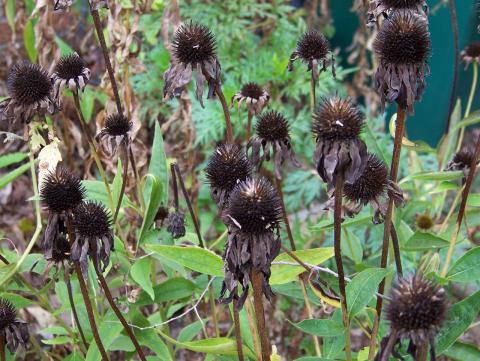
Cutting off dead coneflowers in the fall is a topic of debate among gardeners. It largely depends on personal preference and the gardening strategy one adopts. However, there are some key considerations that can help inform your decision.
Understanding Coneflower Lifecycles
The lifecycles of coneflowers, or Echinacea, involve different stages that affect how you should manage them in the fall. As perennials, they go dormant in the winter but thrive again in the spring.
- Vegetative Stage: In spring and summer, coneflowers are vibrant with blooms.
- Transition to Dormancy: As fall approaches, the leaves and flowers begin to die back.
- Impact of Pruning: Cutting back can affect their regrowth and flowering in the next cycle.
Benefits of Cutting Off Dead Flowers
There are several benefits to cutting off dead coneflowers during the fall. These reasons can help maintain better health for your plants.
- Preventing Disease: Removing dead plant material can reduce the risk of fungal infections.
- Improving Appearance: A tidy garden looks more appealing without sagging, dead flowers.
- Encouraging New Growth: Cutting back can promote healthier growth in the following blooming season.
Drawbacks of Cutting Off Dead Flowers
Despite the benefits, there are also drawbacks to cutting back coneflowers in the fall that gardeners should consider.
- Habitat for Wildlife: Leaving dead stems provides shelter for overwintering insects and birds.
- Natural Seed Dispersal: Dead flowers can produce seeds, which will spread and grow new plants.
- Potential Winter Protection: Stems can act as insulation, protecting the roots from harsh winters.
Best Practices for Fall Care
To ensure the best outcome for your coneflowers during the fall season, certain best practices should be noted.
See also:
- Timing: If choosing to cut back, do it after the first frost for best results.
- Correct Tools: Use sharp, clean tools to avoid damaging the plants.
- Monitor Plant Health: Keep an eye on your plants to decide the best pruning routine.
Alternative Fall Strategies
If you decide against cutting back your coneflowers, there are alternative strategies to consider during the fall.
- Mulching: Add mulch around the base to protect roots and retain moisture.
- Selective Pruning: Remove only the worst dead or damaged parts without cutting everything back.
- Plant Companions: Incorporate other plants that can complement coneflowers for visual interest.
How do you keep coneflowers from getting leggy?

To prevent coneflowers (Echinacea) from becoming leggy, several practices can be implemented to ensure they grow strong and bushy rather than tall and spindly. Here are some effective strategies:
Proper Lighting Conditions
One of the most crucial factors in keeping coneflowers from becoming leggy is providing adequate light. Coneflowers thrive in full sun, which means they need at least 6 to 8 hours of direct sunlight daily. Insufficient light causes them to stretch towards the light source, resulting in leggy growth.
- Assess sunlight exposure: Ensure that the planting site receives the required amount of sunlight each day.
- Consider location: Position coneflowers where they won't be shaded by other plants or buildings.
- Rotate plants: If potted, rotate coneflowers for even light exposure.
Regular Pruning and Deadheading
Another effective way to manage leggy growth is through regular pruning. This technique encourages bushier plants by promoting the growth of side shoots rather than allowing the plant to focus its energy on a single main stem.
- Deadhead spent blooms: By removing faded flowers promptly, you can encourage the plant to produce more blooms and strengthen lateral growth.
- Prune back in early summer: Cutting back about one-third of the plant can stimulate denser growth.
- Monitor growth: Regularly check the plants and prune as needed throughout the growing season.
Appropriate Soil and Fertilization
The quality of soil and the nutrients available play a significant role in plant health. Coneflowers prefer well-draining, nutrient-rich soil to thrive and develop strong stems.
- Test soil pH: Aim for slightly acidic to neutral soil (6.0 to 7.0 pH) for optimal growth.
- Use organic compost: Incorporating compost can enhance soil fertility without causing excessive growth.
- Fertilize wisely: Avoid high-nitrogen fertilizers, which can lead to lush, top-heavy growth. A balanced fertilizer is preferable.
Watering Techniques
Correct watering practices are essential to prevent leggy growth and encourage a robust root system. Overwatering or inconsistent moisture can contribute to weak stems.
- Water deeply: Allow the soil to dry out slightly between watering to promote deeper root growth.
- Avoid waterlogging: Ensure the soil has proper drainage to prevent root rot and weak plants.
- Adjust according to weather: Increase watering during hot, dry spells, but avoid frequent shallow watering.
Choosing the Right Varieties
Selecting the appropriate varieties of coneflowers also impacts their overall growth habit. Some varieties are naturally more compact and less prone to legginess.
- Research compact varieties: Look for species specifically bred to be shorter and bushier.
- Mix different heights: Planting a combination of tall and shorter varieties can help create a more balanced garden design.
- Consider local climate: Choose varieties that are well-adapted to your growing conditions for improved overall health.
Questions from Our Readers
Are you supposed to deadhead coneflowers?
Yes, you are supposed to deadhead coneflowers to promote new growth and extend the blooming period. Removing the spent flowers encourages the plant to focus its energy on producing more blooms instead of seed production.
When is the best time to deadhead coneflowers?
The best time to deadhead coneflowers is when the flowers are fading and before they develop seeds. This practice can be done throughout the growing season, ideally in late spring and early summer, to maximize the number of flowers.
See also:
Do deadheaded coneflowers require special care?
Deadheaded coneflowers generally do not require special care beyond their usual maintenance routine. However, after deadheading, it's beneficial to ensure they receive adequate water and nutrients to support new growth.
Can deadheading coneflowers attract more pests?
While deadheading itself does not significantly attract more pests, it is essential to maintain overall plant health. Keeping the area tidy by removing debris can also help reduce pest problems and promote a healthier garden environment.

If you want to read more articles like Are You Supposed to Deadhead Coneflowers? Essential Tips for Garden Care, we recommend you check out our Flowers category.
Leave a Reply
Related Articles