What is the Lifespan of a Lily? Understanding Growth, Care, and Longevity

Lilies are among the most cherished flowers, renowned for their beauty and elegance. Understanding the lifespan of a lily is essential for gardeners and flower enthusiasts alike, as it directly influences their care and cultivation practices. This article delves into the growth cycles of various lily species, exploring the factors that affect their longevity and overall health. From planting techniques to proper maintenance, we will provide insights into how to ensure that these stunning blooms thrive for as long as possible. Join us in uncovering the secrets behind the enduring charm of lilies and how to keep them flourishing in your garden.
Understanding the Lifespan of a Lily
The lifespan of a lily can vary significantly depending on environmental factors, care practices, and the specific species of lily. On average, if well-cared for, lilies can live for about 3 to 5 years when grown in gardens, while in a pot, they might last longer if they are regularly tended to. Proper watering, fertilization, and sunlight exposure are crucial elements that can dramatically influence their longevity. Additionally, many lily bulbs can survive dormant periods and resprout in subsequent growing seasons, allowing for the perpetuation of these beautiful plants for multiple years, making them a favorite among gardeners.
Factors Influencing Lily Lifespan
Several key factors can affect the lifespan of lilies, including soil quality, moisture levels, and disease management. Quality soil provides necessary nutrients and a suitable pH level, while proper moisture ensures that the bulbs do not rot or dry out. Moreover, ensuring that lilies are planted in an area where they are not prone to diseases, such as botrytis or root rot, can greatly enhance their longevity. Regular monitoring and maintenance significantly contribute to keeping lilies healthy longer.
Types of Lilies and Their Lifespans
Different species or varieties of lilies have varying lifespans. For example, Asiatic and Oriental lilies often live for about 3 to 5 years, while trumpet lilies can thrive for even longer with proper care. Additionally, wild lilies may have adapted longer lifespans in their natural habitat, where they have developed resilience against local pests and diseases. Understanding the specific type of lily can help gardeners provide the best care suited for its longevity.
Proper Care Techniques for Longevity
To maximize the lifespan of lilies, employing proper care techniques is essential. This includes adequate watering, ensuring proper drainage, and providing sufficient sunlight. Applying mulch can retain soil moisture and suppress weeds, which can compete for nutrients. Moreover, regular fertilization, especially during the growing season, can help boost their growth and flowering capacity. By practicing these techniques, gardeners can enjoy their lilies for longer periods.
Common Pests and Diseases Affecting Lilies
Lilies are susceptible to various pests and diseases that can negatively impact their lifespan. Common pests include aphids, lily beetles, and spider mites, which can weaken the plant and reduce flowering. Diseases such as botrytis blight can cause leaf spots and rot, affecting the overall health of the plant. Implementing integrated pest management strategies, such as using insecticidal soap or horticultural oils, can help keep these threats at bay and support a longer life for lilies.
Signs of Declining Health in Lilies
Identifying the early signs of declining health in lilies is crucial for extending their lifespan. Symptoms may include yellowing leaves, stunted growth, or wilting blooms. If a lily exhibits these signs, it could indicate issues such as overwatering, nutrient deficiencies, or disease infestation. Early intervention, such as adjusting watering practices, improving soil conditions, and treating for pests, can help restore the plant's vitality and prolong its life.
| Lily Type | Average Lifespan | Care Recommendations |
|---|---|---|
| Asiatic | 3-5 years | Well-drained soil, full sun, regular watering |
| Oriental | 3-5 years | Moist soil, partial shade, fertilization |
| Trumpet | 5+ years | Dry soil, good drainage, full sunlight |
| Wild | Varies | Natural habitat, minimal disturbance |
How long are lilies supposed to last?

Lilies are elegant and beautiful flowers that can brighten any garden or floral arrangement. The lifespan of lilies depends on several factors, including their type, growing conditions, and how they are cared for after being cut. Generally, cut lilies can last anywhere from 7 to 14 days if they are adequately maintained. Here’s a detailed look into the factors that influence their longevity.
Factors Affecting the Lifespan of Cut Lilies
The lifespan of cut lilies is impacted by several key factors:
See also:
- Water Quality: Lilies thrive in clean, fresh water. Using a preservative can help extend their life.
- Temperature: Keeping lilies in a cool environment can slow down their aging process.
- Plant Health: Healthy, freshly cut stems generally last longer than those that are already wilting.
- Arrangement: Avoid overcrowding in arrangements which can lead to premature wilting.
- Exposure to Ethylene: This gas can come from various sources, including ripening fruits, and can reduce the lifespan of flowers.
Types of Lilies and Their Lifespan
Different types of lilies have varying lifespans:
- Asiatic Lilies: Typically last about 7 to 10 days.
- Oriental Lilies: Can last up to 14 days, offering a longer display.
- Trumpet Lilies: Known for their robust nature, they can also last around 14 days.
- OT Hybrid Lilies: A cross between Oriental and Trumpet, they enjoy a long lifespan of 10 to 14 days.
- Calla Lilies: While appearing lily-like, they can last about 5 to 10 days when cut.
Tips for Prolonging the Life of Cut Lilies
To maximize the lifespan of cut lilies, consider these tips:
- Fresh Cuts: Always cut stems at a diagonal angle to enhance water absorption.
- Remove Foliage: Trim any leaves that fall below the water line to prevent bacterial growth.
- Change Water Regularly: Refreshing the water every two days is crucial for longevity.
- Avoid Direct Sunlight: Place your vase in a cool, shaded area to prevent wilting.
- Use Flower Food: Such mixtures can provide essential nutrients that help extend their life.
Signs That Lilies Are Losing Their Freshness
Recognizing when lilies are starting to wilt can help you respond in time:
- Drooping Leaves: Leaves that begin to curl down or droop signify that the flower is losing vigor.
- Brown Edges: Browning at the edges of petals often indicates that the flower is nearing its end.
- Wilting Stems: Stems that lose their firmness are typically a sign of dehydration.
- Nectar Production: If you notice excessive nectar on petals, it might mean the flowers are deteriorating.
- Petal Discoloration: Changes in color can indicate that the flower is past its prime.
Caring for Lilies in the Garden
When growing lilies in the garden, proper care can enhance their blooming period:
- Soil Quality: Ensure the soil is well-draining and rich in organic matter to support healthy growth.
- Watering Schedule: Maintain a consistent watering routine, particularly during dry seasons.
- Fertilization: Use a balanced fertilizer during the growing season to promote robust blooms.
- Pest Control: Keep an eye out for pests that may affect the health of the lilies.
- Pruning: Deadheading spent blooms encourages more flowers and extends the blooming period.
What is the lifespan of lilies?
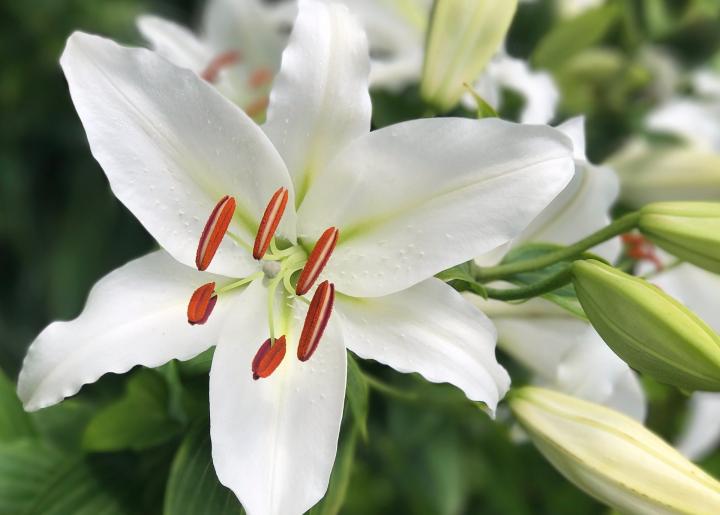
The lifespan of lilies can vary greatly depending on several factors, such as the species of lily, the growing conditions, and care given to the plant. Generally, the lifespan of a lily plant can range from two to five years when planted in the garden. However, with proper care, some bulbs can remain viable for much longer, possibly even 10 years or more.
Factors Affecting Lily Lifespan
The lifespan of lilies can be influenced by various factors that affect their overall health and vitality.
- Soil Quality: Rich, well-draining soil provides essential nutrients for growth.
- Watering Practices: Proper watering prevents root rot and promotes healthy growth.
- Climate Conditions: Optimal temperatures and humidity levels facilitate blooming and longevity.
Caring for Lilies
To ensure that lilies thrive and maximize their lifespan, appropriate care is vital.
- Fertilization: Regular application of fertilizer can enhance growth and flower quality.
- Pest and Disease Management: Keeping an eye out for pests like aphids and diseases can help maintain plant health.
- Proper Pruning: Removing spent flowers can redirect energy into the bulbs for future blooms.
Common Lily Species Lifespan
Different species of lilies have varying lifespans and growth habits.
- Asiatic Lilies: Typically live around 2-4 years.
- Oriental Lilies: Can last longer, often bursting bloom for 5-10 years.
- Trumpet Lilies: Known for their resilience, can thrive for over a decade given proper care.
Signs of Aging in Lilies
Recognizing the signs that a lily plant is aging can help you take necessary actions to prolong its life.
See also:
- Reduced Blooming: Fewer flowers each season can indicate that the plant is aging or lacking nutrients.
- Yellowing Leaves: This can be a sign that the plant is stressed or nearing the end of its lifespan.
- Decreased Size: Smaller flowers or leaves can also signify aging or inadequate care.
Extending the Lifespan of Lilies
To extend the lifespan of lily plants, practical steps can be implemented to improve their growth and longevity.
- Regular Dividing: Dividing bulbs every few years can prevent overcrowding and promote healthier plants.
- Optimal Planting Depth: Planting bulbs at the correct depth can help prevent rot and promote strong growth.
- Seasonal Care: Adjusting care according to seasonal changes can boost resilience and sets the stage for healthy blooms.
What do I do with my lilies after they bloom?

After your lilies bloom, there are several steps you can take to ensure their health and longevity for the next season. Proper care after blooming is essential for the plant's development, as it influences their future flowering and overall vigor.
Understanding the Life Cycle of Lilies
Lilies have a specific life cycle that involves blooming, dying back, and then re-emerging in the spring. After they bloom, it’s important to allow them to gather energy for the next season. Consider the following points:
- Photosynthesis: After blooming, the foliage should remain for some time as it continues to photosynthesize.
- Energy Storage: Leaves will store energy in the bulb, which is crucial for the next year’s growth.
- Timing: Don’t rush to cut back the stems; wait until they turn yellow or brown.
Deadheading and Pruning
Deadheading is the process of removing spent flowers, and it helps the plant conserve energy. Here’s how to do it effectively:
- Identify Spent Blooms: Look for flowers that have wilted and begun to brown.
- Cut Carefully: Using sterilized scissors or pruning shears, cut the stem back to the first leaf or node.
- Avoid Removing Foliage: Do not cut back the leaves until they die back naturally; they are vital for energy storage.
Watering and Fertilizing
After blooming, it’s important to adjust your watering and fertilization routine. Here’s what to keep in mind:
- Watering: Continue regular watering but avoid overwatering; let the topsoil dry slightly between waterings.
- Fertilizing: Apply a balanced fertilizer once the blooms fade to support bulb development.
- Avoid Late Fertilization: Stop fertilizing in late summer to allow bulbs to prepare for dormancy.
Preparing for Dormancy
After the blooming period, your lilies will enter a state of dormancy. To prepare for this phase, consider the following:
- Leave Foliage Alone: As mentioned, let the foliage die back naturally to ensure energy is stored.
- Monitor Soil Conditions: Ensure the soil remains well-drained, especially as the plants become dormant.
- Mulch: Apply a layer of mulch after the first frost to protect the bulbs from temperature fluctuations.
Dividing and Transplanting
If your lilies have been thriving for several seasons, they may need to be divided or transplanted. This helps maintain their health and vigor. Key steps include:
- Timing: The best time to divide lilies is in late summer or early fall after foliage has died back.
- Digging Up Bulbs: Carefully dig around the plant to lift the bulbs out without damaging them.
- Separation: Separate bulbs gently and replant them, making sure to follow proper spacing guidelines.
Questions from Our Readers
What is the typical lifespan of a lily plant?
The typical lifespan of a lily plant can vary depending on the species and growing conditions, but most lilies can live anywhere from 3 to 7 years. With proper care, some varieties may even last up to 10 years or more.
How can I extend the lifespan of my lilies?
To extend the lifespan of your lilies, it is essential to provide them with the right care, including adequate watering, well-drained soil, and appropriate sunlight. Regularly removing dead foliage and ensuring they are not overcrowded can also contribute to longevity.
See also:
Do lilies go dormant, and how does this affect their lifespan?
Yes, most lilies do go dormant after their blooming period, which typically occurs in late summer. This dormancy can affect their lifespan as proper management during this time, such as reducing watering and avoiding disturbance to the bulb, is crucial for healthy regrowth in subsequent years.
Are there specific types of lilies that live longer than others?
Some types of lilies, like the Asiatic and Oriental varieties, tend to have longer lifespans compared to others. Additionally, wild lilies often demonstrate natural resilience, which can result in a longer lifespan when grown in suitable conditions.
If you want to read more articles like What is the Lifespan of a Lily? Understanding Growth, Care, and Longevity, we recommend you check out our Flowers category.
Leave a Reply
Related Articles