Ultimate Guide on How to Get Daylilies to Bloom All Summer? Tips and Techniques for Vibrant Gardens
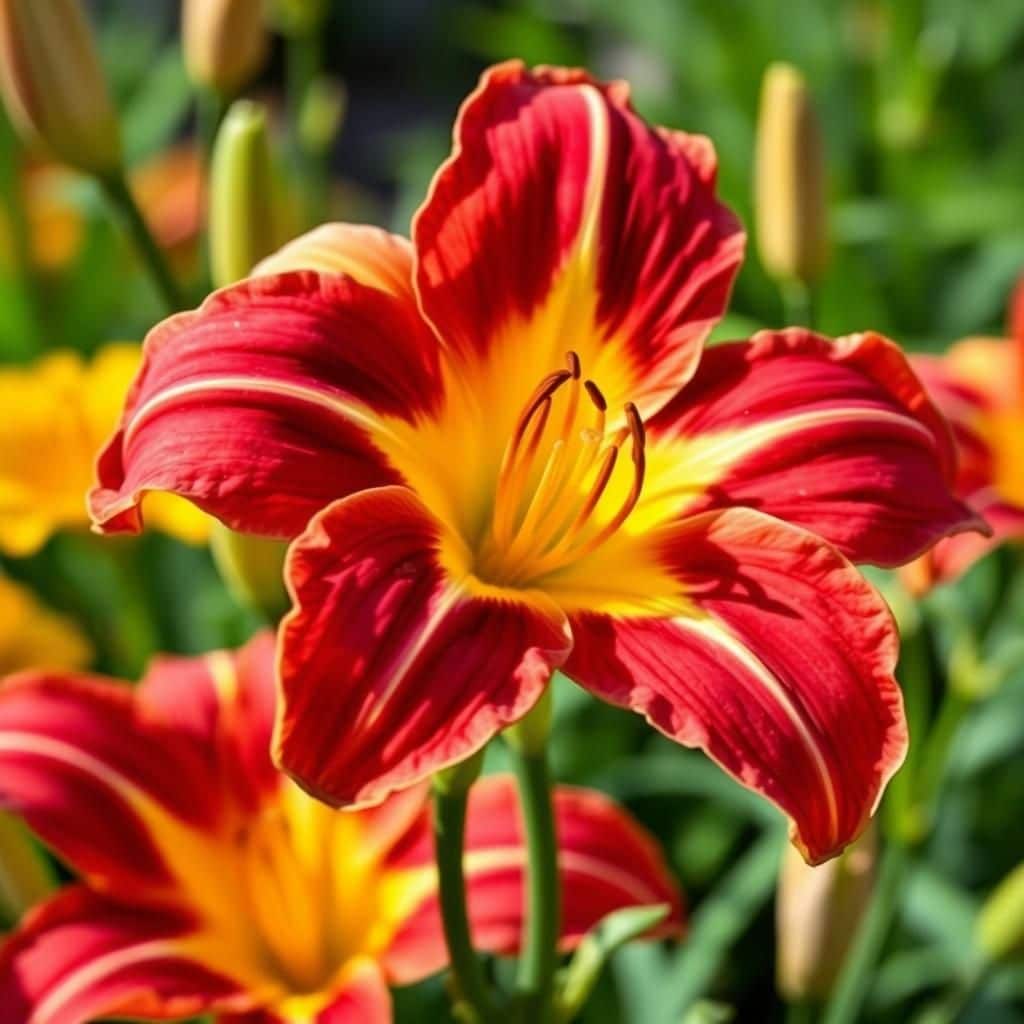
Daylilies are a stunning addition to any garden, renowned for their vibrant blooms and versatility. However, achieving continuous flowering throughout the summer requires some knowledge and care. In this ultimate guide, we will explore essential tips and techniques to ensure your daylilies flourish all season long. From selecting the right varieties to mastering the art of fertilization and pruning, each step plays a crucial role in promoting abundant blooms. Whether you’re a seasoned gardener or a beginner, this comprehensive resource will equip you with the tools needed to create a vibrant, colorful landscape filled with these delightful perennials.
How to Ensure Daylilies Bloom Throughout Summer
To keep your daylilies blooming all summer long, it’s essential to provide them with the right care which includes sufficient sunlight, proper watering, regular fertilization, and effective deadheading. Daylilies thrive in full sun, so ensure they receive at least 6 hours of light daily. Water them consistently, particularly during dry spells, but avoid overwatering to prevent root rot. Applying a balanced fertilizer in early spring and mid-summer will support their growth and flowering. Additionally, practicing deadheading—removing spent blooms—encourages the plant to produce new flowers, thus extending the blooming season.
Understanding Daylily Varieties
Different varieties of daylilies bloom at different times, so it’s beneficial to choose a mix of early, mid, and late-season varieties to achieve a staggered blooming effect throughout summer. Some particularly prolific varieties bloom repeatedly and can significantly contribute to a continuous floral display. By selecting diverse types, you can create a vibrant and colorful garden that lasts from late spring to early fall.
Optimal Sunlight Requirements
Daylilies require full to partial sunlight for the best blooming results. Ideally, they should receive at least 6 hours of direct sunlight each day. In regions with extremely hot climates, they can benefit from some afternoon shade, which helps to prevent the blooms from fading too quickly. Proper sunlight not only encourages blooming but also helps the plant maintain its vigor and disease resistance.
Watering Techniques for Healthy Blooms
Proper watering is crucial in keeping daylilies blooming throughout the summer. They prefer well-drained soil and should be watered thoroughly but infrequently, ensuring the soil is consistently moist but not soggy. During hot and dry conditions, increasing watering frequency while ensuring good drainage is key. A deep, slow watering approach helps to establish robust root systems that support continuous flowering.
Fertilization for Continuous Blooms
Fertilizing your daylilies properly promotes healthy growth and vibrant blooming. Use a balanced fertilizer in early spring as the plants wake up from dormancy, followed by another application mid-summer to sustain growth when they are actively blooming. Be cautious not to over-fertilize, as this can lead to excessive foliage growth at the expense of flowers. A slow-release fertilizer can provide the necessary nutrients with minimal risk of burning the plants.
Importance of Deadheading
Deadheading, or the process of removing faded flowers, is essential for encouraging new blooms in daylilies. By pinching off spent flowers, you redirect the plant's energy from seed production to more blooms, thus extending the flowering period. Regularly checking your plants and deadheading as needed will not only promote additional flowers but will also help keep the plants looking tidy and healthy.
| Task | Frequency | Purpose |
|---|---|---|
| Watering | Every 1-2 weeks | Ensure moisture retention |
| Fertilization | Spring & Mid-summer | Support growth and blooms |
| Deadheading | As needed | Encourage new blooms |
| Sunlight Assessment | Ongoing | Ensure optimal light exposure |
| Variety Selection | Seasonally | Provide continuous flowers |
How do I keep my daylilies blooming all summer?

To keep your daylilies blooming all summer, you need to focus on several key aspects of their care. Daylilies are hardy perennials that thrive when given the right conditions and maintenance. Here are some strategies you can employ:
Optimal Planting Conditions
To ensure your daylilies bloom continuously throughout the summer, it's crucial to plant them in conditions that suit their needs. Daylilies prefer full sun and well-drained soil.
- Sunlight: Make sure your daylilies receive at least 6 to 8 hours of direct sunlight per day.
- Soil: Use loamy, fertile soil enriched with organic matter, which improves drainage and nourishment.
- Spacing: Plant daylilies about 18 to 24 inches apart to allow for air circulation and prevent overcrowding.
Regular Watering Practices
Watering is essential for keeping your daylilies blooming. They require consistent moisture, especially during dry spells.
- Consistency: Water your daylilies deeply once or twice a week, depending on the weather, to ensure the roots are well-hydrated.
- Drainage: Ensure that the soil drains well to prevent root rot; avoid letting them sit in water.
- Mulching: Apply a layer of mulch around the plants to retain moisture and suppress weeds.
Deadheading and Pruning
Deadheading, or the removal of spent flowers, is key for encouraging new blooms on your daylilies.
- Timing: Remove faded flowers regularly to redirect energy towards producing new buds.
- Technique: Pinch or cut the flower stalks below the bloom to promote a tidy appearance and further flowering.
- Fall Pruning: After the blooming season, cut back the foliage to keep the plants healthy for the following year.
Fertilization Strategies
Proper fertilization can greatly enhance the bloom performance of your daylilies throughout the summer.
See also:
- Type of Fertilizer: Use a balanced fertilizer, such as a 10-10-10 formula, to provide essential nutrients.
- Application Frequency: Fertilize your daylilies in early spring and again after the first blooming cycle for continued blooms.
- Organic Options: Consider using organic options like compost or well-rotted manure for beneficial soil nutrients.
Handling Pests and Diseases
Keeping pests and diseases at bay is essential for the overall health of your daylilies, allowing for uninterrupted blooming.
- Inspection: Regularly inspect your plants for signs of pests such as aphids or spider mites.
- Prevention: Maintain healthy plants through proper care practices to minimize disease risks.
- Treatment: Use appropriate insecticides or fungicides when necessary, opting for organic solutions whenever possible.
How do you get reblooming daylilies to rebloom?
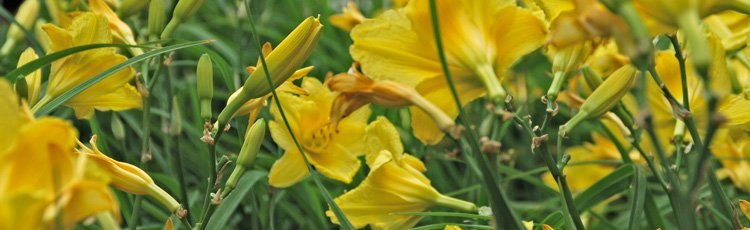
To get reblooming daylilies to rebloom, it is essential to provide them with the right care and conditions. These vibrant perennials can produce multiple blooms throughout the growing season if properly maintained. Here are some crucial steps to ensure your reblooming daylilies thrive and continue to flourish:
Understanding Reblooming Daylilies
The first step in fostering reblooming in daylilies is to understand their unique growth cycle. Reblooming daylilies are bred to produce a second wave of blooms after the initial flowering phase. Key points to note include:
- Variety Selection: Choose cultivars that are known for their reblooming ability, such as 'Stella de Oro' or 'Happy Returns'.
- Growth Cycle: Daylilies typically bloom in early summer and may rebloom later in the season.
- Planting Time: Plant them in well-drained soil during the spring or fall when conditions are favorable.
Optimal Growing Conditions
Providing the right environment for your daylilies is crucial for encouraging reblooming. They thrive best under certain conditions:
- Sunlight: Ensure daylilies receive at least 6 to 8 hours of sunlight daily for optimal growth.
- Soil Quality: Plant in well-draining, nutrient-rich soil to promote healthy roots.
- Watering: Water consistently, especially during dry spells, but avoid waterlogging the soil.
Proper Fertilization Techniques
Fertilizing daylilies correctly can significantly influence their capacity to rebloom. Here are some recommendations:
- Type of Fertilizer: Use a balanced, slow-release fertilizer formulated for perennials.
- Application Timing: Apply fertilizer in early spring as growth begins and again after the first bloom cycle.
- Organic Options: Consider adding compost or well-rotted manure to enrich the soil naturally.
Pruning and Deadheading
Removing spent blooms and properly pruning daylilies can encourage new growth. The process includes:
- Deadheading: Regularly remove faded flowers to redirect energy towards new buds.
- Pruning Leaves: Cut back any brown or yellowing foliage to keep plants healthy.
- Timing Matters: Perform deadheading throughout the blooming season for better results.
Pest and Disease Management
Keeping your daylilies free from pests and diseases is crucial for their health and blooming potential:
- Regular Checks: Inspect plants frequently for signs of pests such as aphids or spider mites.
- Fungal Issues: Be vigilant about fungal diseases and consider fungicides if necessary.
- Healthy Practices: Ensure adequate spacing between plants to improve air circulation and reduce disease risk.
Will daylilies bloom all summer long?
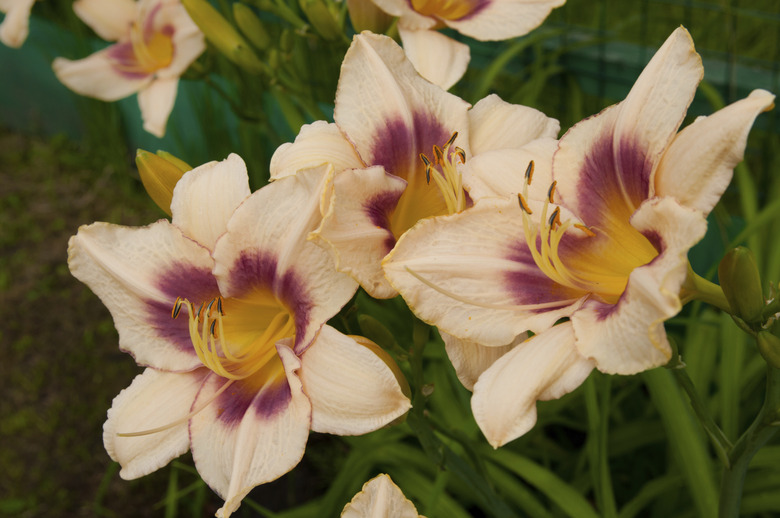
Daylilies, known scientifically as Hemerocallis, are popular perennial plants that are cherished for their vibrant blooms and ease of care. While many gardeners hope that daylilies will bloom continuously throughout the summer, the reality is a bit more nuanced. Daylilies typically do not bloom continuously for the entire summer; rather, they have specific blooming periods depending on the variety and growing conditions.
The blooming period for daylilies generally occurs in the summer months, with most varieties blooming from early June to late August. However, the total blooming timeframe can vary, and once blooming occurs, individual flowers typically last only one day. That said, most daylilies produce multiple flower stems throughout their blooming period, leading to a sequence of blooms rather than simultaneous flowering.
Factors Influencing Daylily Blooming
Daylily blooming is influenced by several factors that can either enhance or diminish their flowering potential.
- Variety: Different varieties of daylilies have distinct bloom times and durations. Some may bloom earlier or later than others, contributing to a staggered blooming season.
- Climate: The local climate plays a significant role in the blooming period. Warmer climates typically allow for a longer blooming season compared to cooler regions.
- Soil Health: Nutrient-rich soil promotes healthier plants, impacting their ability to produce blooms consistently throughout the summer.
Deadheading for Extended Blooms
Deadheading, or the process of removing spent flowers, can encourage daylilies to produce more blooms during their season.
See also:
- Encourages New Buds: Removing faded flowers can redirect the plant's energy to produce new buds, extending the blooming period.
- Improves Appearance: Keeping the plant tidy by removing dead flowers enhances the overall aesthetic of the garden.
- Promotes Health: Regular maintenance can reduce the risk of disease and promote healthier growth, ultimately supporting a longer blooming season.
Maintenance Tips for Healthy Daylilies
Proper maintenance is essential for ensuring robust daylily plants that can provide blooms over a longer period.
- Watering: Daylilies require consistent moisture, particularly during dry spells. Regular watering can enhance blooming potential.
- Fertilizing: Using the right fertilizer can provide essential nutrients that support bloom production and overall plant health.
- Dividing Plants: Every few years, dividing daylily clumps can rejuvenate the plants, leading to stronger growth and more flowers.
Companion Plants for Daylilies
Planting companion plants alongside daylilies can create a diverse garden ecosystem and enhance blooming.
- Astilbe: These shade-loving plants can complement daylilies and provide texture and color in the garden.
- Hostas: With their lush foliage, hostas can fill in the spaces around daylilies, adding visual interest during the daylilies' non-blooming days.
- Butterfly Bush: Attracting pollinators, butterfly bushes can help create a lively environment that supports thriving daylilies.
Common Daylily Pests and Diseases
Understanding potential pests and diseases is crucial for maintaining healthy daylilies that bloom effectively.
- Spider Mites: These tiny pests can sap the strength of daylilies, leading to reduced blooming. Regular inspection and treatment can help.
- Leaf Streak: This fungal infection can affect the health of the foliage, ultimately impacting bloom production.
- Soft Rot: Overwatering can lead to this disease, which can kill the plant and prevent blooms. Ensuring proper drainage is essential.
How do you keep lilies blooming all summer?
To keep lilies blooming all summer, proper care and maintenance of the plants are essential. Here are several strategies that can help ensure these beautiful flowers thrive throughout the season:
Optimal Planting Conditions
The first step in ensuring lilies bloom throughout the summer is to plant them in optimal conditions. This involves selecting a location with well-drained soil and plenty of sunlight. Lilies prefer full sun but can tolerate partial shade.
- Choose a location with at least 6 hours of direct sunlight daily.
- Ensure the soil has good drainage to prevent root rot.
- Consider adding compost or organic matter to enrich the soil.
Regular Watering Practices
Watering is crucial for lily care, particularly during dry spells. However, it is important not to overwater as this can lead to issues like root rot.
- Water the plants deeply but infrequently to encourage deep root growth.
- Monitor the soil moisture levels; water only when the top inch feels dry.
- Consider mulching around the plants to retain moisture and suppress weeds.
Fertilization Techniques
Fertilizing lilies at the right times boosts blooming and overall health. Use a balanced fertilizer formulated for flowering plants to provide the necessary nutrients.
- Apply a slow-release fertilizer in early spring as new growth begins.
- Consider a second application mid-summer to support ongoing blooming.
- Follow the recommended application rates on the fertilizer packaging to avoid over-fertilization.
Pest and Disease Management
Keeping lilies healthy requires vigilance against pests and diseases that can hinder their growth. Regular inspections can help identify these issues early.
- Look for aphids, beetles, and other common pests; treat them promptly with insecticidal soap.
- Ensure good air circulation around the plants to prevent fungal diseases.
- Remove any dead or diseased foliage to prevent disease spread.
Deadheading and Pruning Practices
Deadheading spent blooms encourages lilies to produce more flowers throughout the summer. Regular grooming of the plants helps maintain their appearance and health.
- Remove faded flowers as soon as they wilt to promote further blooms.
- Cut back leaves only when they yellow and die back, allowing nutrients to return to the bulb.
- After blooms have finished, consider a light pruning to shape the plant and encourage bushier growth.
Questions from Our Readers
How often should I water daylilies to ensure they bloom all summer?
To ensure your daylilies bloom all summer, it is essential to water them consistently. They typically require about an inch of water per week, either from rainfall or supplemental watering. During dry spells, increase your watering frequency, but be careful not to overwater, as this can lead to root rot.
What type of fertilizer should I use for daylilies?
Using a balanced fertilizer with equal parts nitrogen, phosphorus, and potassium is recommended for daylilies. Applying this fertilizer in early spring and again in mid-summer can promote healthy growth and encourage blooming. Additionally, a slow-release fertilizer can provide nutrients gradually for optimal results.
How can I improve the soil for better daylily blooms?
To enhance soil for better daylily blooms, ensure it is well-draining and rich in organic matter. Adding compost or well-rotted manure can improve soil fertility and structure. Testing the soil pH can also be beneficial, as daylilies prefer a pH between 6.0 and 6.8 for optimal growth.
See also:
Should I deadhead daylilies to promote more blooms?
Yes, deadheading is useful for promoting more blooms in daylilies. Removing spent flowers encourages the plant to focus its energy on producing new blooms rather than seed production. Regular deadheading throughout the blooming season can lead to continuous flowering and keep the plant looking tidy.

If you want to read more articles like Ultimate Guide on How to Get Daylilies to Bloom All Summer? Tips and Techniques for Vibrant Gardens, we recommend you check out our Daylily category.
Leave a Reply
Related Articles