How to Make Petunias More Bushy? Top Tips for Fuller Blooms and Lush Growth

Creating a lush and bushy petunia plant can transform your garden into a vibrant oasis filled with stunning blooms. Petunias, known for their colorful flowers and hardy nature, can sometimes grow leggy or sparse without proper care. However, with a few strategic tips and techniques, you can encourage fuller growth and an abundance of blossoms. This article will explore effective methods to enhance your petunias' bushiness, including pruning strategies, optimal feeding practices, and ideal growing conditions. Discover how to nurture these beautiful plants for a flourishing and captivating display that will brighten any outdoor space.
How to Encourage Bushier Growth in Petunias
To make your petunias more bushy, it is essential to implement a combination of proper care techniques, including pruning, adequate fertilization, and ensuring they receive the right amount of sunlight. Start by regularly pinching back the tips of the stems, which encourages the plant to branch out rather than grow tall and leggy. Fertilizing with a balanced fertilizer every few weeks can provide essential nutrients that promote healthy growth and flowering. Additionally, ensuring your petunias receive full sun for at least 6 hours a day will help them thrive and become denser. Finally, maintaining proper watering practices will keep the plants healthy and support bushy growth.
Regular Pruning Techniques
Regular pruning of petunias is vital for promoting bushiness. By pinching off the tips of the stems every few weeks, you encourage the plant to divert its energy into producing lateral growth instead of simply growing taller. This process not only creates a fuller appearance but also increases the number of flowers. Be sure to use clean, sharp tools when cutting to avoid damaging the plant and causing infections.
Proper Fertilization Methods
Fertilization plays a crucial role in the growth of petunias. Using a balanced fertilizer that contains equal parts of nitrogen, phosphorus, and potassium can significantly enhance the health of your plants. Applying fertilizer every 4-6 weeks ensures that petunias receive the necessary nutrients for robust growth. Over-fertilizing, however, can be detrimental, so always follow the package instructions to avoid burning the roots.
Optimal Sunlight Exposure
Petunias thrive best in full sunlight, which means they need at least 6 hours of direct sunlight each day to grow bushy. Insufficient light can lead to leggy growth and sparse flowering. If your petunias are not getting enough sun, consider relocating them to a sunnier spot or trimming back any overhanging branches of nearby plants that may cast shade.
Watering Practices for Bushier Growth
Proper watering techniques can significantly influence the bushiness of petunias. It is essential to maintain moderate moisture, allowing the top inch of soil to dry out between waterings. Over-watering can lead to root rot, while under-watering can stress the plant and inhibit growth. Using well-draining soil also promotes healthy root systems, supporting robust growth in your petunias.
Choosing the Right Variety
Selecting the right variety of petunias can also impact how bushy your plants will grow. Some varieties, like the wave or spreading petunias, tend to grow more vigorously and cover more ground, while others may be more upright. Researching different types and opting for those known for their bushy habits can help you achieve a fuller display in your garden.
| Technique | Description |
|---|---|
| Pruning | Pinching back the tips encourages branching. |
| Fertilization | Applying balanced fertilizers fosters growth. |
| Sunlight | Ensuring 6 hours of sunlight leads to fuller growth. |
| Watering | Moderate watering maintains healthy roots. |
| Variety Selection | Choosing bushy types can enhance overall appearance. |
How do I make my petunias bushy?
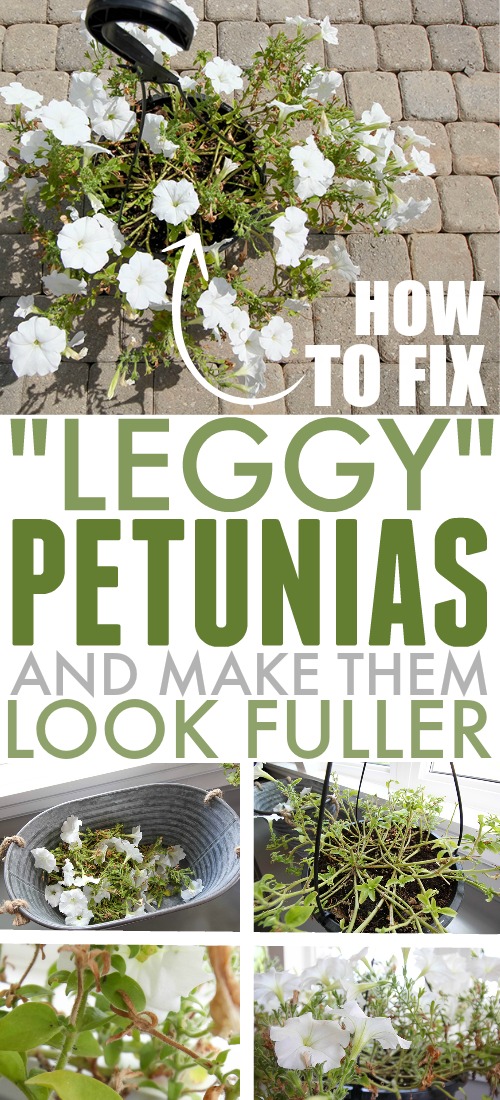

To make your petunias bushy, it's essential to follow a few key practices that encourage healthy growth and abundant blooms. Here are some effective strategies:
Proper Pruning Techniques
Pruning plays a crucial role in making petunias bushy. It encourages new growth and flower production. Here's how to prune effectively:
- Pinching back the tips: Regularly pinch the growing tips of the stem to promote branching.
- Removing dead flowers: Deadheading spent blooms keeps the plants looking full and encourages more flowers.
- Cutting back long stems: If stems become too leggy, trim them back to promote a denser plant.
Optimal Planting Conditions
Providing the right environment is essential for bushy petunias. Consider these factors:
- Soil type: Use well-drained, nutrient-rich soil for optimal root development.
- Sunlight: Petunias thrive in sunlight, so ensure they get at least 6 hours of full sun each day.
- Spacing: Plant them close enough to encourage competition, which leads to bushiness.
Nutrient Management
The right nutrients can significantly impact the fullness of your petunias. Focus on:
- Balanced fertilizers: Use a balanced, slow-release fertilizer to provide essential nutrients.
- Regular feeding: Feed your petunias every 4-6 weeks during the growing season to promote growth.
- Water-soluble options: Consider using a water-soluble fertilizer for quick nutrient absorption.
Regular Watering Practices
Watering is crucial for the health of your petunias. Here’s how to manage it:
- Consistent moisture: Keep the soil evenly moist but not soggy to prevent root rot.
- Morning watering: Water early in the day to allow the foliage to dry and prevent diseases.
- Avoid overhead watering: Watering at the base helps keep the foliage dry and healthy.
Pest and Disease Management
Maintaining petunias also involves protecting them from pests and diseases. Consider:
- Regular inspections: Check your plants weekly for signs of pests like aphids or spider mites.
- Using organic pesticides: Implement organic solutions if infestations occur to protect plant health.
- Ensuring good air circulation: Provide enough space between plants for airflow, reducing disease risk.
Why are my petunias not bushy?
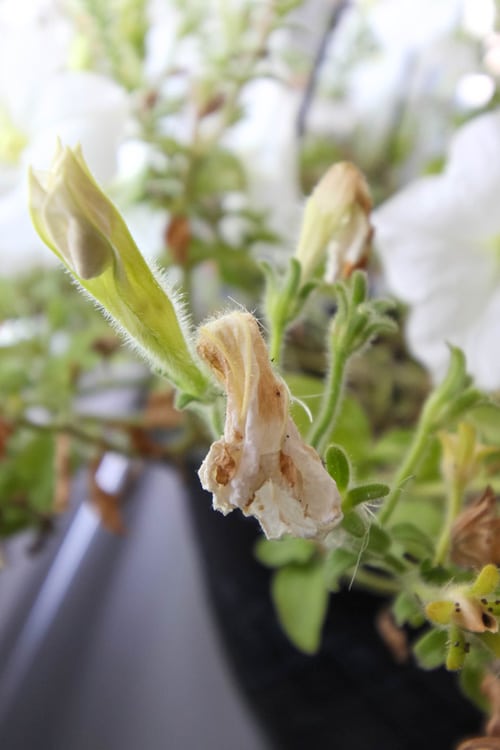
Petunias are beloved for their vibrant colors and ability to bloom prolifically, but sometimes they don't achieve the desired bushy appearance. The reasons can vary, and understanding them can help you cultivate a fuller plant.
See also:
Light Requirements
Petunias thrive in bright, direct sunlight for a minimum of six hours a day. Insufficient light can lead to leggy growth and sparse leaves.
- Ensure your petunias are planted in a location that receives adequate sunlight.
- If they're indoors, consider moving them to a sunnier spot or supplementing with grow lights.
- Monitor the growth; if they're still leggy, you may need to increase sunlight exposure.
Watering Practices
Proper watering is crucial for healthy petunia plants. Overwatering or underwatering can stress them and affect their growth.
- Check the soil moisture regularly; petunias prefer slightly dry soil between waterings.
- Ensure good drainage to prevent root rot, which can inhibit bushy growth.
- Establish a consistent watering schedule to maintain soil health.
Nutrient Availability
Petunias require a balanced supply of nutrients to flourish. A lack of essential nutrients can stunt their growth and affect their bushiness.
- Fertilize using a balanced, water-soluble fertilizer every few weeks during the growing season.
- Look for fertilizers specifically formulated for annual flowering plants.
- Monitor the plants for signs of nutrient deficiency, such as yellowing leaves or stunted growth.
Pruning Techniques
Selective pruning can encourage bushier growth by removing leggy stems and encouraging branching.
- Pinch back the tips of stems regularly to promote fuller growth.
- Remove any dead or wilting blooms to redirect the plant's energy towards new growth.
- Maintain a habit of trimming back weak growth to encourage a robust structure.
Varietal Differences
Different varieties of petunias can exhibit varying growth habits. Some naturally grow taller and less bushy than others.
- Research the specific variety of petunia you are growing to understand its growth tendencies.
- Consider selecting bushier varieties, such as the “Wave” or “Supertunia,” for fuller displays.
- Keep in mind that environmental factors alongside varietal characteristics play a role in growth.
Questions from Our Readers
How can I encourage my petunias to branch out?
To encourage your petunias to branch out, you should regularly pinch back the tips of the stems. This simple technique helps to promote lateral growth, resulting in a bushier appearance. By removing the top leaves, you stimulate the plant to send out new shoots, which creates a fuller and more vibrant display.
What type of fertilizer is best for bushy petunias?
Using a balanced fertilizer with equal parts of nitrogen, phosphorus, and potassium can greatly benefit your petunias. This type of fertilizer promotes healthy growth and encourages bushiness. Additionally, consider using a liquid fertilizer every few weeks during the growing season to ensure your petunias receive the necessary nutrients for optimal growth.
How often should I water my petunias for bushier growth?
Petunias thrive with consistent moisture, so it's important to water them regularly, especially during hot weather. Ensuring your petunias receive about 1 inch of water per week will help promote bushy growth. However, be cautious of overwatering, as this can lead to root rot and negatively affect the plant's health.
See also:
Does deadheading help petunias become more bushy?
Yes, deadheading is an effective practice for keeping petunias bushy. By removing spent flowers, you encourage the plant to focus its energy on producing new growth rather than seed production. This not only results in more blooms but also aids in maintaining a compact and bushy shape throughout the growing season.

If you want to read more articles like How to Make Petunias More Bushy? Top Tips for Fuller Blooms and Lush Growth, we recommend you check out our Flowers category.
Leave a Reply
Related Articles