When Should You Split Daylilies? Expert Tips for Optimal Timing and Care

Daylilies are a beloved addition to gardens, known for their vibrant blooms and resilience. However, to ensure these hardy perennials thrive, proper care and maintenance are essential. One key aspect of daylily care is knowing when to split them, a process that promotes healthy growth and rejuvenation. Timing is crucial, as separating these plants at the right moment can enhance their flowering potential and overall vigor. In this article, we will delve into expert tips on the optimal timing and techniques for splitting daylilies, ensuring your garden remains lush and blooming for seasons to come.
When Should You Split Daylilies?
Splitting daylilies is essential for maintaining the health and vigor of these resilient plants. The best time to split daylilies is during their dormant period in early spring or after they finish blooming in late summer to early fall. This allows the plants to recover and establish strong roots before the next growing season. Splitting daylilies can also encourage better flowering and help control overcrowding in your garden, ensuring that each plant has enough space and resources to thrive. Proper timing is crucial, as doing it at the wrong time can stress the plants and hinder their performance.
Signs That Your Daylilies Need Splitting
There are several indicators that can signal it is time to split your daylilies. If you notice reduced flowering, stunted growth, or crowded clumps, it is likely time for division. Additionally, if the plants are starting to die in the center while the edges continue to thrive, this is a clear sign that they need to be split. Regularly observing your daylilies can help you determine the right moment for this important maintenance task.
Best Time of Year for Splitting Daylilies
The optimal time for splitting daylilies is either in the early spring, just as new growth is beginning, or after the blooming period has ended in late summer or early fall. Early spring is ideal because it allows the plants to recover rapidly during the growing season, while late summer/fall gives them ample time to establish roots before the onset of winter. Timing your splitting correctly ensures that your daylilies will continue to thrive in their new location.
How to Split Daylilies
To effectively split daylilies, start by gently removing the entire clump from the soil using a spade or fork. After lifting the clump, carefully divide it into sections, ensuring that each section includes a set of healthy roots and leaves. You can use a sharp spade or knife to assist if the clump is particularly large or dense. Once divided, replant the sections in their new locations, making sure to water them thoroughly to help them establish.
Benefits of Splitting Daylilies
Splitting daylilies has numerous advantages, including promoting healthier foliage and more abundant blooms. By creating space between the plants, they can access more nutrients, sunlight, and water, which ultimately leads to improved overall vigor. Additionally, splitting daylilies allows you to propagate your plants, giving you the opportunity to expand your garden or share with friends and family. Regular division also prevents overcrowding, which can lead to disease and pests.
Things to Consider When Splitting Daylilies
When splitting daylilies, consider the environmental conditions and the specific variety you have. Different types of daylilies may have varying needs regarding space and sunlight. Ensure the new planting location has well-draining soil and receives appropriate sunlight. Additionally, it is a good idea to be mindful of any potential pests or diseases present in the original clump, as these can be transferred during the splitting process.
| Aspect | Early Spring | Late Summer/Fall |
|---|---|---|
| Timing | Before new growth | After blooming |
| Recovery | Quick establishment | Establish roots before winter |
| Flowering | Promotes more blooms | Supports next season's growth |
| Optimal Conditions | Cooler temperatures | Warm soil |
What month do you divide daylilies?
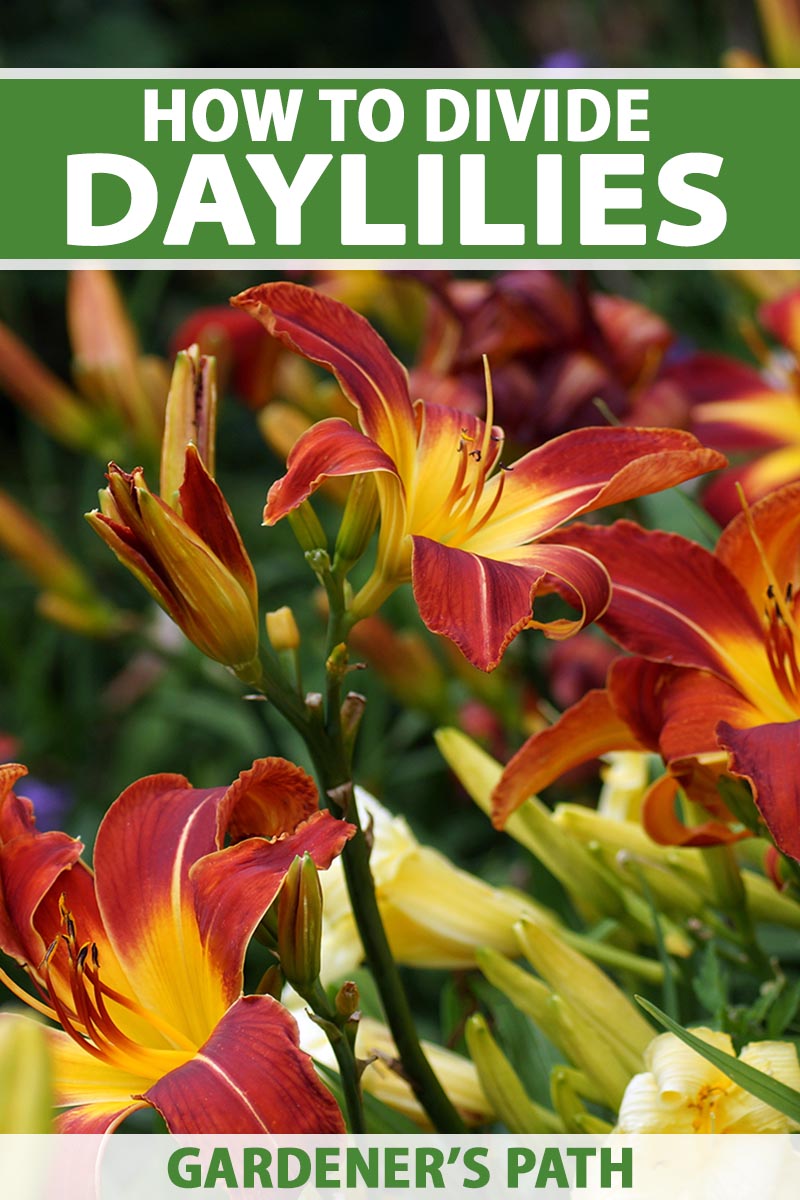
Dividing daylilies is best done during the months of April to September, with the ideal times being early spring or late summer. This timing allows the plants to adjust and reestablish their root systems before facing the environmental stresses of winter or summer.
Why April is a Good Month
Dividing daylilies in April can be particularly beneficial because the plants are just starting to emerge from dormancy. This timing allows them to recover quickly after the division.
See also:
- Plants have sufficient moisture from spring rains.
- Cooler temperatures reduce stress on the plants.
- Root systems can become well-established before summer heat.
Benefits of Dividing in Late Summer
Late summer division is another optimal time for dividing daylilies. By this time, the plants have fully fleshed out, making it easier to see which parts are healthy for division.
- Allowing time for recovery before fall dormancy.
- Less competition for resources, promoting healthier growth.
- Increases flowering potential for the next blooming season.
Signs That Daylilies Need Dividing
Recognizing the signs that your daylilies need to be divided is vital. Overcrowded roots can lead to poor growth and reduced blooming.
- Plants become overcrowded, resulting in decreased flowering.
- Yellowing of foliage, indicating root stress.
- Presence of dead or weak sections within the clump.
How to Properly Divide Daylilies
Proper division of daylilies requires following specific procedures to ensure the health of both the original plant and the new divisions.
- Carefully remove the plant from the ground, ensuring minimal root damage.
- Use a sharp spade to cut the clump into sections that have at least a few roots and leaves.
- Replant each section at the same depth they were previously growing.
Aftercare for Divided Daylilies
After dividing daylilies, providing appropriate care is essential for successful re-establishment.
- Water thoroughly to help establish the new roots.
- Avoid fertilizing immediately after division to prevent stress.
- Monitor for pests and diseases during the recovery phase.
What happens if you don't divide daylilies?
:max_bytes(150000):strip_icc()/GettyImages-89445033-b223502958a44cff8c5819e9df1cffd2.jpg)
If you don't divide daylilies, several issues can arise that affect the health and vigor of the plants. Daylilies (Hemerocallis) are perennials that thrive when properly cared for, and regular division is an essential part of their maintenance. When they are not divided, they can become overcrowded, leading to multiple problems affecting their growth, flowering, and overall appearance.
Overcrowding Issues
When daylilies are not divided, they can become overcrowded. This can result in various problems:
- Competed resources: Plants compete for water, nutrients, and sunlight, leading to diminished growth.
- Reduced airflow: Increased density can hinder airflow, making the plants susceptible to diseases.
- Smaller blooms: Overcrowded plants often produce fewer and smaller flowers, diminishing their beauty.
Decline in Bloom Quality
Failing to divide daylilies affects their bloom quality. Over time, you may notice:
- Less vibrant colors: As plants age without division, the vibrancy of their flowers may diminish.
- Shorter blooming periods: Plants may produce flowers for a shorter duration, reducing seasonal enjoyment.
- Inconsistent blooming: Some plants may fail to bloom altogether if they are too crowded.
Increased Susceptibility to Pests and Diseases
Without proper division, daylilies can become more vulnerable to pests and diseases. Key points include:
- Fungal infections: Overcrowded conditions raise humidity and increase disease risk.
- Attracting pests: Stressed plants are more attractive to pests like aphids and spider mites.
- Weak plant vitality: A decline in health makes plants less resilient to infestations and diseases.
Reduced Longevity of Plants
Neglecting to divide daylilies can shorten their lifespan. Consequences include:
See also:
- Decreased vigor: Over time, plants can decline in strength and overall health.
- Failure to thrive: Long-term overcrowding may lead to stunted growth and eventual plant death.
- Loss of genetic diversity: The same plants could lose genetic variation, making them less adaptable.
Difficulty in Maintaining Aesthetic Appeal
Daylilies that are not divided may become less aesthetically pleasing. Issues that arise include:
- Unkempt appearance: A mass of overcrowded plants can look untidy and uninviting.
- Color imbalance: With fewer vibrant blooms, the color scheme of the garden can become unbalanced.
- Inconsistency in height: Crowded plants may not maintain a uniform height, affecting visual appeal.
Do daylilies like to be crowded?
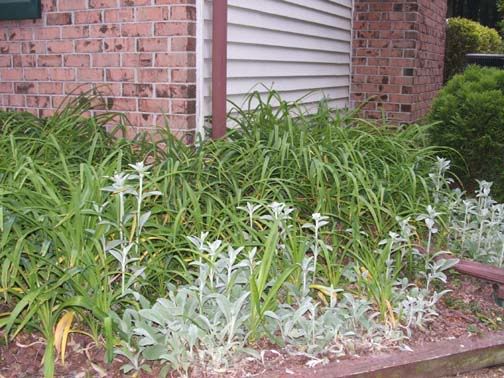
Daylilies, known scientifically as Hemerocallis, are popular perennial plants appreciated for their vibrant blooms and resilience. When it comes to their growing conditions, one common question arises: The answer is nuanced, as daylilies can tolerate crowding to some extent, but there are important factors to consider for optimal growth and flowering.
Understanding Daylily Growth Habits
Daylilies are capable of thriving in a variety of conditions, including crowded spaces. However, overcrowding can lead to competition for resources. Here are key points about their growth habits:
- Root Systems: Daylilies have extensive and robust root systems that can sustain them even in crowded environments.
- Light Requirements: They prefer full sun but can still flower in partial shade, which can be affected by the surrounding crowded plants.
- Water Needs: Crowded plants may compete for water, making it essential to regulate irrigation in dense plantings.
The Effects of Overcrowding
While daylilies can tolerate some level of crowding, extensive overcrowding can have adverse effects. Here are the consequences of overcrowded conditions:
- Reduced Blooming: When daylilies are too crowded, they may produce fewer flowers as they compete for nutrients and light.
- Pest Infestations: Dense planting can lead to an increased risk of pests, as cramped spaces create a micro-environment conducive to infestations.
- Disease Propagation: Overcrowding can promote the spread of diseases due to poor air circulation around the plants.
Optimal Spacing for Daylilies
To ensure that daylilies thrive, proper spacing is crucial. Understanding optimal spacing guidelines can enhance their performance:
- General Spacing Guidelines: It is typically recommended to plant daylilies 18 to 24 inches apart to allow adequate room for growth.
- Soil Quality and Fertility: Adequate spacing helps improve soil quality and fertility by preventing depletion of nutrients.
- Avoiding Root Disturbance: Proper spacing minimizes disturbance of root systems, allowing for stronger establishment and growth.
Managing Crowded Daylilies
For gardeners with established clumps of daylilies that may be too crowded, management techniques are available. Here's how to effectively handle crowded daylilies:
- Division: Dividing daylilies every three to five years helps manage overcrowding and rejuvenate the plants.
- Selective Pruning: Removing excess foliage can improve airflow and sunlight penetration, benefiting the remaining plants.
- Relocation: Transplanting overcrowded daylilies to new spaces allows for improved growing conditions.
Benefits of Proper Spacing
Implementing proper spacing not only promotes healthy growth but also offers additional benefits. Understanding the benefits of proper spacing can motivate gardeners to adjust their planting strategy:
- Improved Aesthetics: Adequate spacing enhances the visual appeal of the garden by allowing individual blooms to be showcased.
- Increased Resilience: Well-spaced plants are generally more resilient to diseases, pests, and harsh weather conditions.
- Enhanced Growth Rate: Providing sufficient space encourages optimal growth and flowering patterns, increasing overall vitality.
Questions from Our Readers
When is the best time to split daylilies?
The best time to split daylilies is during early spring or late summer, after they finish blooming. This timing allows the plants to recover and establish their roots effectively before the colder months set in.
How do I know if my daylilies need to be split?
You should consider splitting your daylilies if they are becoming crowded and are producing fewer blooms, or if the center of the plant seems to be dying out. These signs indicate that the plants may benefit from being divided to promote healthier growth.
See also:
What is the process for splitting daylilies?
To split daylilies, carefully dig up the entire clump, gently separate the roots using your hands or a spade, and make sure each division has healthy roots and foliage. Replant the divisions at the same depth they were previously growing, and water them well after replanting.
Can I split daylilies in the fall?
While it’s generally recommended to split daylilies in spring or late summer, you can split them in the fall if necessary. However, make sure to do it well before the first frost to allow the plants enough time to establish their roots before winter arrives.

If you want to read more articles like When Should You Split Daylilies? Expert Tips for Optimal Timing and Care, we recommend you check out our Daylily category.
Leave a Reply
Related Articles