Are Day Lilies High Maintenance? Discover Tips for Easy Care and Maintenance.
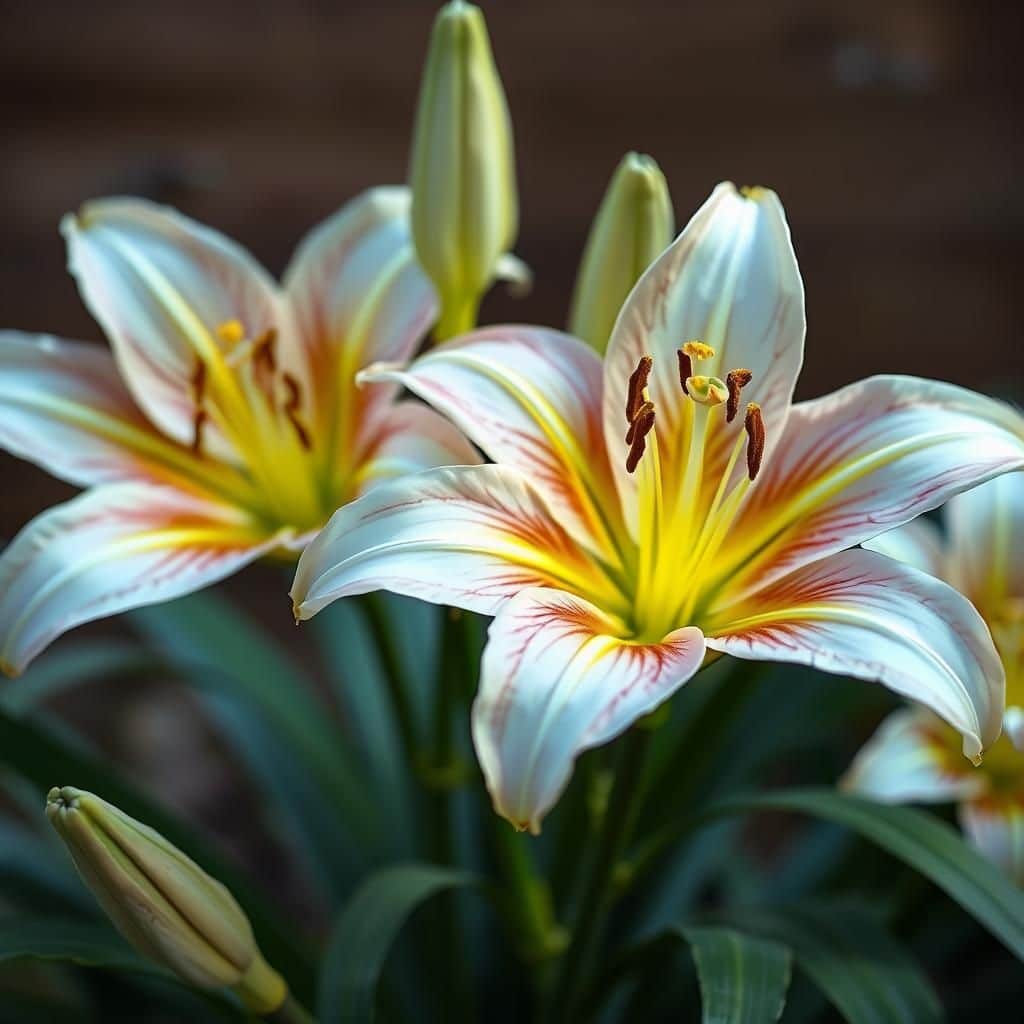
Day lilies (Hemerocallis) are popular perennials known for their vibrant blooms and resilience in various garden settings. However, potential gardeners often wonder, Are day lilies high maintenance? This question often arises due to the variety of care requirements that can vary between different cultivars. In this article, we will explore the care needs of day lilies and provide practical tips for maintaining these beautiful plants with minimal effort. From soil preparation to watering techniques, we will guide you through easy strategies to ensure your day lilies thrive and bring beauty to your garden without overwhelming your gardening routine.
Are Day Lilies High Maintenance?
Day lilies are generally considered to be low-maintenance plants, making them an excellent choice for both novice and experienced gardeners. These perennial flowers are resilient and adaptable to a variety of soil types and environmental conditions. They thrive in full sun to partial shade and require minimal watering once established, as they are quite drought-tolerant. However, periodic tasks such as deadheading spent blooms, dividing crowded plants every few years, and ensuring proper drainage are necessary to keep them healthy and promote vigorous growth. Overall, day lilies offer beautiful blooms with relatively little effort, as long as basic care practices are followed.
Watering Needs
When it comes to watering, day lilies are quite forgiving. They prefer consistent moisture but can tolerate dry spells once they are established. In general, it is advisable to water them deeply about once a week during dry periods, ensuring that the soil dries out slightly between waterings. Overwatering can lead to root rot, so it’s important to monitor the moisture levels and adjust accordingly.
Soil Requirements
Day lilies can grow in various soil types but perform best in well-drained soil that is rich in organic matter. They are highly adaptable and can thrive in both sandy and clay soils, provided there is good drainage. Adding compost or well-rotted manure can significantly improve soil fertility and structure, which in turn enhances nutrient uptake and overall plant health.
Fertilization
Fertilizing day lilies can enhance their blooming performance, though they do not require excessive nutrients. A balanced, slow-release fertilizer applied in early spring can support healthy growth and an abundance of flowers. It's often recommended to avoid heavy feeding, as too much nitrogen can result in lush foliage at the expense of blooms. Additionally, organic options like compost or fish emulsion can be effective without overwhelming the plants.
See also:
Pest and Disease Management
Day lilies are relatively resistant to many pests and diseases, but problems can occasionally arise. Common pests include aphids and spider mites, which can be controlled with insecticidal soap or neem oil if necessary. Additionally, day lilies may suffer from issues like crown rot or leaf streaks, especially in overly wet conditions. Regularly inspecting the plants and ensuring good air circulation can help mitigate these problems and promote overall plant vigor.
Pruning and Deadheading
To keep day lilies looking their best and to encourage more blooms, it is beneficial to practice deadheading by removing spent flowers. This not only improves the plant's appearance but also prevents the plant from focusing energy on seed production. Additionally, cutting back the foliage in late fall allows for a tidy appearance and helps protect new growth in the spring. Correct management of the foliage can enhance the plant's health and blooming potential as they enter their growing season.
| Aspect | Details |
|---|---|
| Water | Deep watering once a week; avoid overwatering. |
| Soil | Well-drained, rich in organic matter; adaptable to different soil types. |
| Fertilization | Balanced fertilizer in spring; avoid excessive nitrogen. |
| Pests/Diseases | Resistant, but monitor for aphids, spider mites, and rot. |
| Pruning | Deadhead spent blooms and cut back foliage in fall. |
Understanding the Care Needs of Day Lilies
Day lilies are often perceived as low-maintenance plants, making them a popular choice for gardeners. However, their care needs can vary based on factors such as climate, soil quality, and watering habits. To ensure they thrive, it is essential to provide them with proper drainage and space for growth. Regular deadheading and fertilization during the growing season can significantly enhance their blooming potential. Furthermore, being aware of potential pests and diseases is crucial to maintaining their health and vibrancy. With the right tips and attention, day lilies can be easy to care for, providing vibrant color to your garden with minimal fuss.
What Are the Basic Care Requirements for Day Lilies?
Day lilies require full sun for optimal growth, thriving in well-drained soil that retains some moisture but does not stay soggy. Regular watering is necessary, especially in dry spells, as it helps to establish deep root systems. Incorporating organic matter into the soil can enhance its fertility and structure. Additionally, providing a mulch layer can help maintain soil moisture and suppress weeds, further simplifying the maintenance process.
How Often Should Day Lilies Be Fertilized?
Fertilizing day lilies is best done in early spring with a balanced, slow-release fertilizer. Applying a second round of fertilizer in mid-summer can promote further blooming and overall plant health. It's important to follow the manufacturer's instructions to avoid over-fertilization, which can lead to excessive foliage growth at the expense of flowers.
See also:
What Pest and Disease Issues Should Be Monitored?
Common pests that affect day lilies include aphids, spider mites, and slugs. Monitoring for signs of infestation, such as damaged leaves or reduced growth, is essential. Diseases like crown rot or fungal infections can also occur, especially in overly damp conditions. Ensuring proper air circulation and avoiding overhead watering can help minimize these risks.
How to Handle Day Lily Propagation?
Day lilies can be easily propagated through division, which is best done in early spring or fall when the plants are not actively blooming. To divide them, gently dig up the root clumps, and separate the rhizomes, ensuring each section has healthy roots. Replant them at the same depth they were growing before, which helps to minimize transplant shock and encourages quicker establishment.
What's the Best Way to Extend the Blooming Season?
To extend the blooming season of day lilies, consider planting varieties that bloom at different times throughout the summer. Additionally, regular deadheading—removing spent flowers—can encourage new blooms and prolong the overall flowering period. Providing consistent care, including proper watering and fertilization throughout the season, supports more vibrant and extended blooming displays.
Questions from Our Readers
Are day lilies high maintenance?
Day lilies are generally considered to be low maintenance plants. They are drought-resistant and can thrive in various soil types, making them suitable for many gardens. Regular watering and occasional mulching are usually sufficient to keep them healthy.
How often should I water day lilies?
Day lilies prefer to be watered about once a week, but this may vary depending on the climate and soil conditions. It's essential to ensure the soil remains moist but not overly saturated, as this can lead to root rot.
See also:
Do day lilies require fertilization?
While day lilies can grow without much fertilization, applying a balanced fertilizer in early spring can promote better blooms. Be careful not to over-fertilize, as this can lead to excessive foliage growth at the expense of flowers.
Can day lilies be divided?
Yes, day lilies can and should be divided every few years to prevent overcrowding and maintain their health. This is best done in the early spring or late summer, allowing each division to establish itself before the next growing season.

If you want to read more articles like Are Day Lilies High Maintenance? Discover Tips for Easy Care and Maintenance., we recommend you check out our Daylily category.
Leave a Reply
Related Articles