Discovering the Answer: What is the Rarest Flower on Earth?

The natural world is full of wonders, and among its most delicate treasures are flowers. While many blooms are celebrated for their beauty and prevalence, some are incredibly rare, captivating botanists and enthusiasts alike. This article dives into the intriguing question: what is the rarest flower on Earth? We will explore the unique characteristics, habitats, and conservation efforts surrounding these elusive flora. From the depths of the rainforest to the peaks of remote mountains, join us as we unveil the stories behind nature's most prized and seldom-seen blossoms, highlighting their significance in our ecosystem and the challenges they face.
Exploring the Rarest Flower on Earth
The rarest flower on Earth is the Middlemist Red, a species known to exist only in two locations: one in a greenhouse in New Zealand and the other in the United Kingdom. Discovered in China in the 19th century, this flower has become a symbol of conservation efforts due to its exceptional scarcity, making it an object of fascination for botanists and flower enthusiasts alike. The Middlemist Red is a strikingly beautiful flower that belongs to the genus Camellia and has vibrant, deep pink blooms. Its rarity is attributed to habitat loss and the difficulty in cultivating the plant outside its native conditions, leading to concerns about its long-term survival.
What Makes the Middlemist Red So Rare?
The Middlemist Red is considered rare due to its limited distribution and specific requirements for growth. Originally found in China, this flower has been largely eliminated from the wild due to urbanization and agricultural development. The only known existing specimens are in cultivation, making it a prime example of how environmental changes can impact plant species. Conservationists are working to ensure that this flower does not vanish entirely, highlighting the need for habitat protection and restoration.
The History of the Middlemist Red
Discovered by a horticulturist named John Middlemist in the early 19th century, the Middlemist Red was brought to Britain where it thrived in suitable conditions. Over time, the flower became a treasured specimen among collectors, leading to its propagation. However, as interest in exotic plants grew, many species, including the Middlemist Red, faced threats from unsustainable harvesting and environmental changes, contributing to its current status as one of the rarest flowers on the planet.
Efforts to Preserve the Rarest Flower
Conservation efforts for the Middlemist Red involve maintaining its existing populations while exploring methods for propagation and potential reintroductions to its native habitat. Botanical gardens and conservation organizations have taken the lead in educating the public about its significance and the importance of biodiversity. By fostering a deeper appreciation for rare plants, these efforts aim to prevent the extinction of the Middlemist Red and similar species worldwide.
Characteristics of the Middlemist Red
The Middlemist Red is characterized by its large, cup-shaped blooms which have a stunning, vibrant red color. The foliage is glossy and dark green, providing a beautiful contrast to the bright flowers. Additionally, this flower has a moderate fragrance, adding to its allure. While not widely known, its unique appearance and rarity have sparked interest in its cultivation, prompting collectors to seek it out and study its care requirements.
Where Can You See the Middlemist Red Today?
Currently, the Middlemist Red can be seen in specific locations, primarily in two cultivated environments: the Minterne Gardens in the UK and a greenhouse in New Zealand. These sites are dedicated to preserving the rare flower and conducting research to support its conservation. Visitors to these gardens can appreciate firsthand the beauty of the Middlemist Red while learning about the challenges it faces in an ever-changing environment.
| Characteristic | Description |
|---|---|
| Color | Vibrant red |
| Habitat | Limited to greenhouse settings |
| Size | Large, cup-shaped blooms |
| Fragrance | Moderate |
| Conservation Status | Critically endangered |
What is the top 1 rarest flower in the world?

The top rarest flower in the world is the Middlemist's Red (Camellia japonica). Native to China, this unique flower was brought to England in the early 19th century and is known for its vibrant red color. Due to various factors, including habitat loss and its limited cultivation, it has become one of the rarest flowers globally, with only two known existing plants in the world today—one in a garden in New Zealand and another in a greenhouse in the UK.
History of Middlemist's Red
The history of Middlemist's Red is fascinating and highlights how this flower became so rare. Initially discovered by botanist John Middlemist in China, it was one of the first of its kind to be brought to Europe.
- Introduced to England in 1804, the flower quickly gained popularity among horticulturists.
- It was cultivated in various gardens across Europe before its population dwindled.
- Today, its rarity stems from the loss of the original habitats and over-collection.
Characteristics of Middlemist's Red
Middlemist's Red showcases several striking characteristics that contribute to its allure and rarity.
- The petals of the flower are a vibrant shade of red, often described as deep crimson.
- The plant has glossy dark green leaves, which enhance the visual appeal of the flowers.
- Blooming occurs in late winter to early spring, making it a standout during this period.
Conservation Efforts
Efforts have been made to conserve the Middlemist's Red, recognizing its unique status in the floral world.
- Botanical gardens have taken steps to propagate the plant, ensuring its survival.
- Conservationists work to educate the public about the importance of preserving rare species.
- Research is ongoing to understand better the plant’s habitat requirements and reproductive strategies.
Symbolism and Cultural Significance
Middlemist's Red holds a significant place in various cultures, often symbolizing beauty and rarity.
See also:
- In horticultural circles, it is viewed as a trophy for collectors due to its extreme scarcity.
- Some cultures associate the flower with love and passion because of its bright red color.
- It has become a representation of botanical conservation efforts focused on protecting endangered species.
Comparison to Other Rare Flowers
When compared to other rare flowers, Middlemist's Red stands out for its unique history and current status.
- Other rare flowers, like the Rothschild's slipper orchid, also have limited populations but differ in habitat.
- Many rare flowers often have stricter environmental requirements than Middlemist's Red.
- The conservation challenges faced by Middlemist's Red reflect similar issues encountered by other endangered flora.
Why is the middlemist red flower so rare?
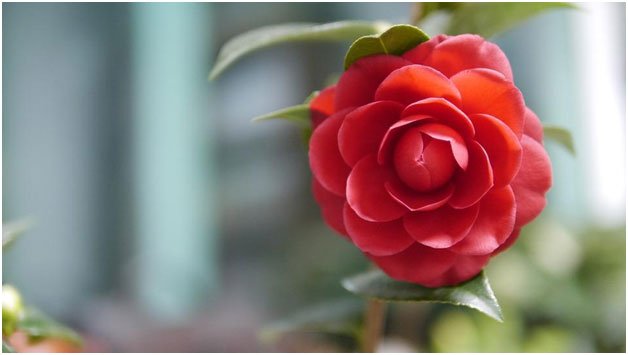
The Middlemist Red flower, scientifically known as Middlemist's Red camellia, is considered one of the rarest flowers in the world. This rarity can be attributed to a combination of several factors that mostly involve its historical and biological context.
History of the Middlemist Red Flower
The history of the Middlemist Red flower dates back to the early 19th century. It was discovered by a botanist named Thomas Middlemist in China and brought to England where it was cultivated in gardens. Due to its uniqueness, it became quite popular. Unfortunately, the introduction of modern horticultural practices and changes in plant preferences led to a decline in its cultivation.
- The flower made its way to England in 1804.
- There were once multiple specimens in cultivation, but they diminished over time.
- Only two known specimens are left today, both in the UK and New Zealand.
Limited Cultivation
One of the main reasons for the Middlemist Red flower's rarity is its limited cultivation. Unlike more commonly grown flowers, this specimen has specific growth requirements that are not easily met in many climates. As a result, many gardeners or horticulturists choose to cultivate more resilient or easier plants instead.
- It requires specific soil conditions that are not commonly found in most regions.
- The plant is sensitive to climatic changes, which makes it difficult to grow outside its native range.
- It has high susceptibility to pests and diseases, further complicating its cultivation.
Genetic Factors
The genetic make-up of the Middlemist Red flower also contributes to its rarity. It has a narrow genetic diversity, meaning that the species itself has fewer variations. This lack of genetic diversity can result in decreased adaptability to changing environments or diseases, making it susceptible to extinction.
- The flower shows limited natural variation within its own species.
- Low genetic diversity can hinder its ability to adapt to environmental threats.
- There is a higher risk of inbreeding, leading to weaker plants.
Conservation Challenges
Efforts to conserve the Middlemist Red flower face various challenges. Conservation organizations often struggle with limited resources and awareness, making it hard to protect this unique species effectively. This has led to a lack of comprehensive conservation strategies that would promote its growth and sustainability.
- There is insufficient public awareness of the flower's rarity.
- Conservation efforts are often hampered by funding limitations.
- Loss of habitat due to urban development poses an ongoing threat to its survival.
Commercial Interest
Lastly, there is a limited commercial interest in the Middlemist Red flower. For many horticultural businesses, the focus is on plants that can generate more significant profit and have broader markets. This lack of interest further exacerbates the rarity of the flower, as it prevents the establishment of commercial growing operations that might ensure its survival.
- Many florists and gardeners prefer popular flowers that are easier to sell.
- The high cost and difficulty of growing the Middlemist Red do not attract mass production.
- Lack of education about its significance in botanical history hinders commercial viability.
What is the name of the flower ?

The name of the flower can vary greatly depending on the specific type of flower being referred to. The term flower generally encompasses a vast array of plant species that bloom and produce reproductive structures. Below are several popular flowers, each with distinct characteristics and meanings.
Types of Popular Flowers
Many flowers are well-known and cherished for their beauty and symbolism. Here are a few types:
- Rose: Known for its layered petals and aromatic scent, roses symbolize love and passion.
- Tulip: These come in many colors and are a symbol of spring; they are often associated with elegance.
- Sunflower: Recognizable for their large, round faces and bright yellow petals, sunflowers symbolize adoration and loyalty.
Symbolism of Flowers
Flowers often carry specific meanings, which can vary between cultures. Here’s a collection of their symbolism:
- Chrysanthemum: In many cultures, chrysanthemums symbolize joy and festivity.
- Lily: Lilies represent purity and refined beauty, often associated with funerals and resurrection.
- Orchid: These exotic flowers signify love, beauty, and strength; they are also a symbol of luxury.
Flower Care and Maintenance
Taking care of flowers requires specific knowledge to ensure they thrive. Here are some maintenance tips:
See also:
- Watering: Most flowers need consistent watering, but overwatering can lead to root rot.
- Sunlight: Understanding how much sunlight your flower needs is crucial; some thrive in direct light, while others prefer shade.
- Soil Type: Use the right soil mix; many flowers require well-draining soil enriched with nutrients.
Seasonal Flowers
Different flowers bloom in different seasons, affecting their availability. Here's a brief overview:
- Spring Flowers: Tulips and daffodils are popular in spring, marking the end of winter.
- Summer Flowers: Flowers like roses and lavender bloom during the warmer months, thriving in sunshine.
- Fall Flowers: Chrysanthemums and asters are common in fall, offering vibrant colors as summer fades.
Uses of Flowers
Flowers have diverse uses in various fields. Here are a few:
- Aesthetics: Used in gardens and landscaping to enhance beauty and create relaxing environments.
- Culinary: Some flowers, like nasturtiums and violets, are edible and used in dishes for flavor or decoration.
- Medicine: Many flowers have medicinal properties and are used in herbal remedies.
What is the rare death flower?
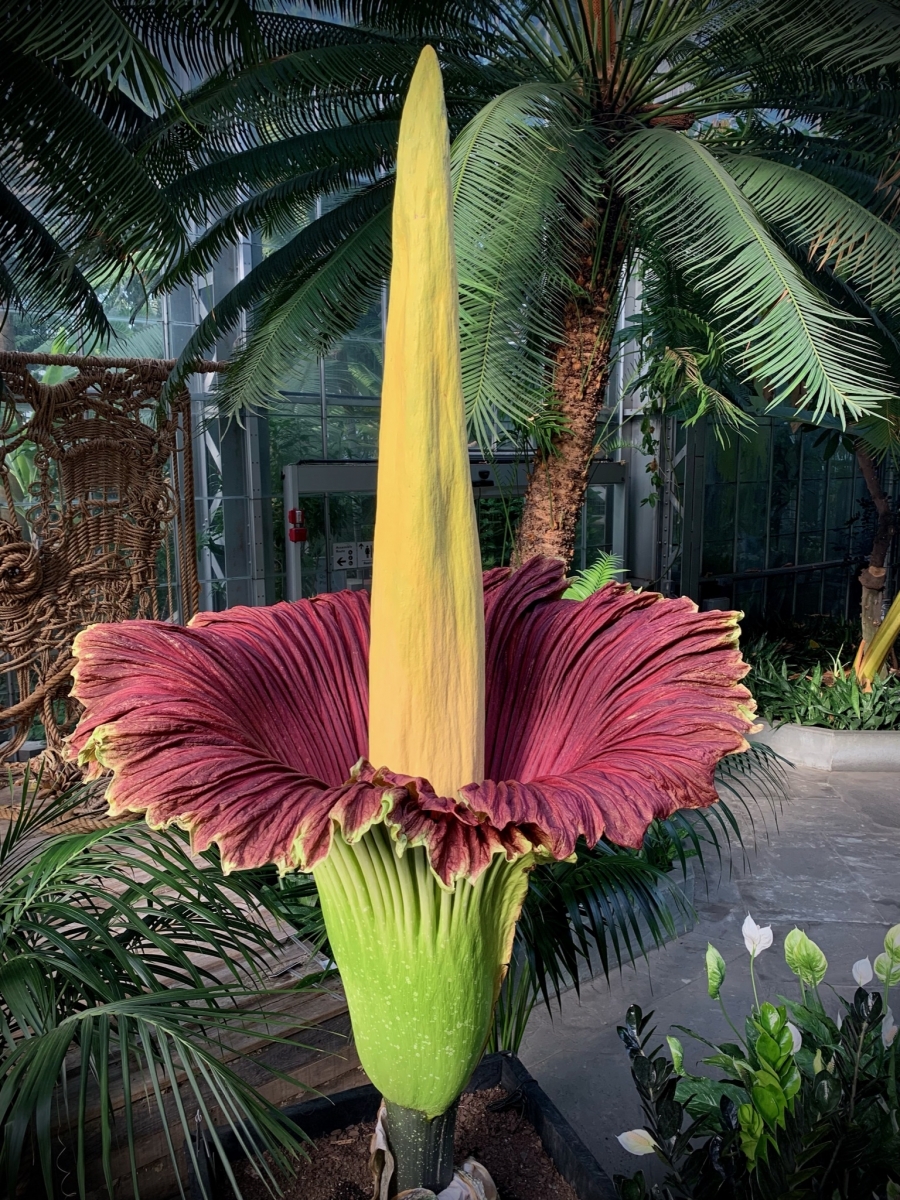
The rare death flower typically refers to the plant known as Rafflesia arnoldii, renowned for producing the largest individual flower in the world and commonly called the corpse flower. This fascinating plant is notable for its unique characteristics and its ecological significance, as well as its peculiar odor, which resembles that of decaying flesh.
What is Rafflesia arnoldii?
Rafflesia arnoldii is a parasitic flowering plant found in the rainforests of Sumatra and Borneo. It is known for its remarkable size, with flowers that can reach up to three feet in diameter. Unlike most plants, Rafflesia does not have leaves, stems, or roots; instead, it attaches itself to the host vines of the Tetrastigma species. This relationship enables it to survive and glean nutrients necessary for growth.
- Size: The flower can grow up to 3 feet (1 meter) across.
- Structure: It consists of a large, fleshy bloom that blooms for just a few days.
- Habitat: Typically found in tropical rainforests.
The Unique Characteristics of the Death Flower
Rafflesia arnoldii exhibits distinctive features that contribute to its notoriety. The flower is famously known for its stench, which is a strategy to attract pollinators, primarily carrion flies. This unpleasant odor mimics the scent of rotting meat, which deceives insects into believing it is a source of food.
- Odor: Emits a strong smell similar to that of decomposing flesh.
- Color: The flower's petals are often a deep red or brown color, with white spots.
- Flowering Process: It takes a significant time to bloom, around 9 months after the bud appears.
Reproduction and Pollination
The reproductive process of Rafflesia arnoldii is quite fascinating and relies heavily on its pollinators. When the flower blooms, it releases the strong odor to lure pollinating insects, particularly flies. These insects are tricked into visiting the flower, where they inadvertently transfer pollen from one bloom to another, facilitating fertilization.
- Attracts: Primarily attracts carrion flies.
- Pollination: Involves the transfer of pollen between flowers.
- Fertilization: Key to producing seeds for the next generation.
Conservation Status
Rafflesia arnoldii faces various conservation challenges, primarily due to habitat loss and environmental changes in tropical forests. Being a parasitic plant, it is highly dependent on its host plants for survival, making it vulnerable to ecological disturbances that affect its habitat.
- Habitat Loss: Deforestation poses a significant threat.
- Climate Change: Changes in weather patterns can impact growth.
- Protection: Conservation efforts are essential for its survival.
Cultural Significance
In addition to its ecological importance, Rafflesia arnoldii holds cultural significance in some regions. Locally, it is often featured in myths and folklore, and its unusual appearance has made it a subject of interest for both tourists and scientists.
- Folklore: Featured in local myths about nature.
- Tourism: Attracts visitors to its native regions.
- Scientific Interest: Studies conducted for understanding parasitism.
Questions from Our Readers
What is the rarest flower on earth?
The rarest flower on earth is often considered to be the Middlemist's Red, which is a type of Camellia. This flower is so rare that only two known specimens exist, one in a garden in New Zealand and another in the United Kingdom. Its scarcity has made it a subject of fascination among botanists and flower enthusiasts alike.
Why is the Middlemist's Red considered rare?
The Middlemist's Red is considered rare due to its limited geographical distribution and the fact that it is not widely cultivated. Historically, it was brought to the West in the early 19th century, but its popularity faded, leading to a decline in its cultivation. Today, the lack of genetic diversity and threats from environmental changes further contribute to its rarity.
Are there other rare flowers besides Middlemist's Red?
Yes, there are several other rare flowers worldwide, including the Titan Arum, known for its massive size and strong odor, and the Corpse Flower, which blooms infrequently. Many of these flowers are also threatened by habitat loss and climate change, making them difficult to find in their natural environments.
How can one see rare flowers like Middlemist's Red?
To see rare flowers like the Middlemist's Red, one must visit specific gardens or botanical institutions that house them. Some gardens participate in conservation efforts and may have opportunities for public viewing during special events. Knowing the location of these rare specimens is critical, as they are not commonly found in commercial settings.
See also:

If you want to read more articles like Discovering the Answer: What is the Rarest Flower on Earth?, we recommend you check out our Flowers category.
Leave a Reply
Related Articles