Discovering Nature's Mystery: What is the rare death flower?

In the vast tapestry of the natural world, some plants captivate our imagination with their allure and enigma. Among these is the rare death flower, a botanical marvel surrounded by mystery and intrigue. Known for its striking appearance and unique adaptations, this flower challenges our perception of beauty and danger in nature. From ancient folklore to modern scientific studies, the death flower has sparked curiosity and caution alike. In this article, we will explore the origins, characteristics, and ecological significance of this extraordinary plant, unraveling the secrets it holds within its vibrant petals and dark reputation.
What is the Rare Death Flower?
The rare death flower, scientifically known as Stapelia gigantea, is a unique and fascinating plant known for its striking appearance and unpleasant odor. Native to the southern regions of Africa, this succulent plant is characterized by its large, star-shaped flowers that can grow up to 12 inches in diameter. The flowers are often compared to rotting meat due to their foul smell, which serves to attract pollinators such as carrion flies and beetles. Despite its morbid nickname, the rare death flower is a resilient species that thrives in arid conditions, making it a popular choice among succulent enthusiasts and collectors.
Physical Characteristics
The Stapelia gigantea features thick, fleshy stems that are typically green to greyish-green in color. Its most notable attribute is its large blooms, which can range in color from a creamy yellow to reddish-brown. The flowers possess a unique leathery texture and are adorned with small, hairy protrusions that mimic the texture of decaying flesh, enhancing their ability to attract specific pollinators. The structure of the flower includes five distinct petals that can form a star shape, making it visually striking but also markedly unusual compared to typical flowering plants.
Habitat and Distribution
This plant is predominantly found in the arid regions of southern Africa, particularly in countries such as South Africa, Namibia, and Botswana. The rare death flower thrives in dry, rocky environments, often growing in sandy soils that drain quickly. The ability to adapt to harsh conditions makes it particularly resilient; it can withstand droughts and is not overly sensitive to changes in its habitat. These factors contribute to its survival and proliferation in regions where other plants may struggle.
Pollination Mechanism
The unique odor of the rare death flower plays a crucial role in its reproduction. It emits a smell reminiscent of decomposing flesh to attract specific insects, primarily carrion flies, which are naturally drawn to such scents. Once these pollinators land on the flower, they inadvertently collect pollen that they carry to other flowers in search of food. This method of entomophily, or insect-based pollination, is essential for the fertilization of the plant and allows for the production of seeds that can grow into new plants.
Cultivation and Care
For those interested in cultivating the rare death flower, it is important to replicate its natural habitat as closely as possible. This plant requires well-draining soil and can thrive in a pot with a cactus mix. Direct sunlight is crucial for healthy growth; therefore, placing it in a sunny location is advisable. Watering should be done sparingly, as overwatering can lead to root rot. It's also essential to allow the soil to dry out completely between watering sessions to maintain the plant’s health.
Cultural Significance and Uses
The rare death flower holds a place in various cultures, particularly among succulent collectors and horticulturists who appreciate its unusual properties. While it may not have significant traditional uses, it serves as an excellent conversation piece due to its unusual appearance and odor. Additionally, its ability to survive in less-than-ideal conditions makes it symbolic of resilience and adaptation, resonating with themes of endurance in various cultural narratives.
| Characteristic | Description |
|---|---|
| Scientific Name | Stapelia gigantea |
| Native Habitat | Southern Africa |
| Flower Size | Up to 12 inches in diameter |
| Pollination | Attracts carrion flies with foul smell |
| Preferred Care | Well-draining soil; minimal watering |
What is the official death flower?

The official death flower is generally recognized as the chrysanthemum. In many cultures, particularly in Asian countries such as Japan and China, chrysanthemums are considered symbols of death and mourning. They are often used in funerals and memorial services, as well as to honor the deceased in various traditions. The association of chrysanthemums with death stems from their seasonal blooming in late fall, which coincides with the time when spirits are believed to be near.
The Significance of Chrysanthemums in Different Cultures
Chrysanthemums hold different meanings across various cultures. In Japanese culture, they are revered during the Festival of Happiness or Chrysanthemum Day, where people celebrate the flower for its beauty and its representation of life and death.
- Japan: The flower symbolizes the cycle of life.
- China: It signifies joy and longevity but is also used in funerals.
- Western culture: Traditionally linked to death and mourning.
Chrysanthemum Varieties Used in Funeral Arrangements
Many varieties of chrysanthemums are utilized in different types of funeral arrangements due to their diverse colors and meanings. Some of the commonly used types include:
- White Chrysanthemums: Symbolize purity and are often used in memorials.
- Yellow Chrysanthemums: Can signify truth and are sometimes associated with sorrow.
- Red Chrysanthemums: Represent love, making them suitable for honoring loved ones.
Chrysanthemums in Art and Literature
Chrysanthemums frequently appear in art and literature, often symbolizing the themes of mortality and remembrance. Artists and poets have been inspired by their beauty and significance, which is evident in many works:
- Art: Depicted in various paintings, showcasing their beauty.
- Literature: Often mentioned in poems signifying loss.
- Photography: Captured to evoke feelings of nostalgia and memory.
The Role of Chrysanthemums in Spiritual Practices
In certain spiritual practices, chrysanthemums are used in rituals aimed at honoring the deceased. Their presence is believed to help facilitate the connection between the living and the dead.
- Offerings: Placed on altars or graves as a form of respect.
- Rituals: Integrated into ceremonies for the deceased.
- Symbolism: Representing the eternal cycle and connection of life and death.
Modern Interpretations of Chrysanthemums
In modern times, the interpretation of chrysanthemums has evolved, yet their association with death remains significant. They are still used to convey sentiments during difficult times.
- Symbol of Remembrance: Often used in memorial gardens.
- Seasonal Decor: Featured in autumn decorations, linking to themes of change.
- Boundless Love: Given as gifts to express enduring love to those who have passed.
What is the rarest flower to ever exist?

The rarest flower to ever exist is the Middlemist's Red (Middlemist Camellia), a strikingly beautiful flower that has a fascinating history. This flower is believed to be one of the rarest in the world, with only two known existing specimens. One is located in a greenhouse in New Zealand, while the other is in the United Kingdom. It is a type of camellia that was originally discovered in China in 1804 by the botanist John Middlemist. Its rarity is attributed to the decline in its native habitat and the fact that it was taken out of its natural environment, leading to its near extinction.
See also:
History of Middlemist's Red
The history of Middlemist's Red is both intriguing and tragic. It was first discovered in the early 19th century in China and was highly sought after by collectors for its unique color and appearance. Unfortunately, after being taken to Europe, it did not thrive in its new environment, leading to a dramatic decline in its population.
- Discovered in China in 1804.
- Introduced to Europe in the 19th century.
- Original wild population has since disappeared.
Characteristics of the Flower
Middlemist's Red is well-known for its striking deep pink to red-colored blooms, which are quite large and eye-catching. The flower has a delicate, silky appearance and usually blooms in the spring. Its leaves are glossy and dark green, which provide a lovely contrast to its vibrant flowers.
- Blooms are large and eye-catching.
- Deep pink to red color.
- Glossy dark green leaves providing contrast.
Conservation Efforts
Due to its extreme rarity, conservation efforts have been initiated to try to preserve and protect Middlemist's Red. This involves careful monitoring of the existing specimens and attempts to propagate the plant in controlled environments. Additionally, there is an emphasis on researching its natural habitat and the conditions it requires to thrive.
- Monitoring of existing specimens.
- Propagation efforts in controlled environments.
- Research into natural habitat requirements.
Symbolism and Cultural Significance
In various cultures, Middlemist's Red holds a certain symbolism related to beauty, rarity, and the fragility of nature. It represents the need for conservation and awareness of endangered species, serving as a reminder of the impact human actions can have on biodiversity.
- Symbolizes beauty and rarity.
- Represents fragility of nature.
- Encourages conservation awareness.
Other Rare Flowers
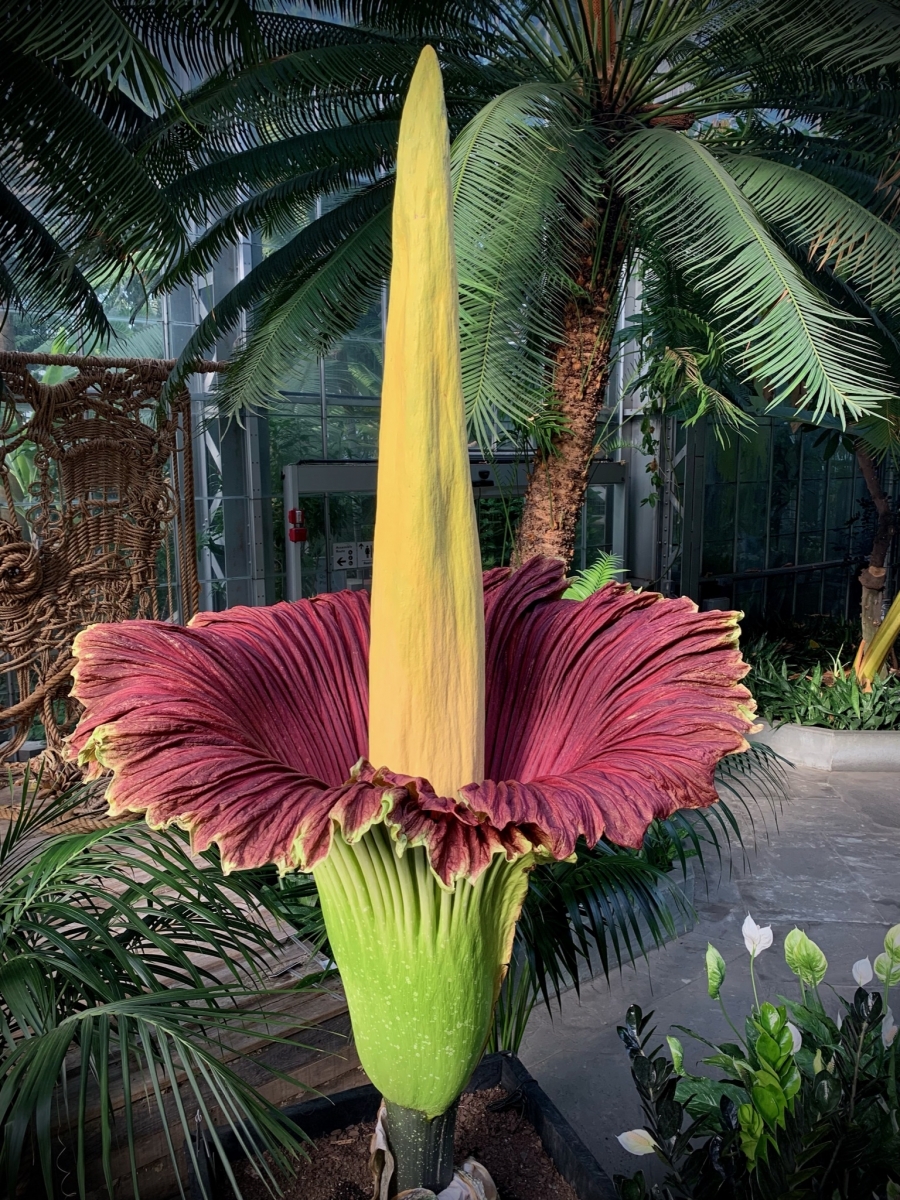
Aside from Middlemist's Red, there are numerous other flowers that are recognized for their extreme rarity. Some examples include the Corpse Flower (Amorphophallus titanum), known for its foul odor and impressive size, and the Kadupul Flower, which blooms only at night and wilts before sunrise.
- Corpse Flower - famous for its odor and size.
- Kadupul Flower - blooms at night; extremely short-lived.
- Rothschild's Orchid - rare and sought after by collectors.
Questions from Our Readers
What is the rare death flower?
The rare death flower refers to the corpse flower (Amorphophallus titanum), known for its large size and foul odor, reminiscent of decaying flesh. This plant emits a scent to attract pollinators such as carrion beetles and flies, which are drawn to its odor because they typically lay their eggs on decomposing meat.
Where can the rare death flower be found?
The corpse flower is primarily found in the tropical rainforests of Sumatra, Indonesia. Though it can be cultivated in botanical gardens around the world, its natural habitat is limited and threatened due to deforestation and habitat destruction.
Why does the rare death flower smell so bad?
The bad smell of the corpse flower is a strategy for attracting pollinators, mimicking the odor of rotting flesh. This unpleasant scent is produced by the decomposition of plant material and is essential for the flower's reproductive process, as it ensures that pollinators are lured to it.
See also:
How often does the rare death flower bloom?
The corpse flower is known for its infrequent and unpredictable blooming cycle, which can occur every few years or as rarely as once a decade. Each bloom lasts only 2 to 3 days, making it a notable event for botanists and plant enthusiasts alike.

If you want to read more articles like Discovering Nature's Mystery: What is the rare death flower?, we recommend you check out our Flowers category.
Leave a Reply
Related Articles