Unlocking Nature's Beauty: What is the 20 Flower Name? Discover the Top 20 Flowers Today!
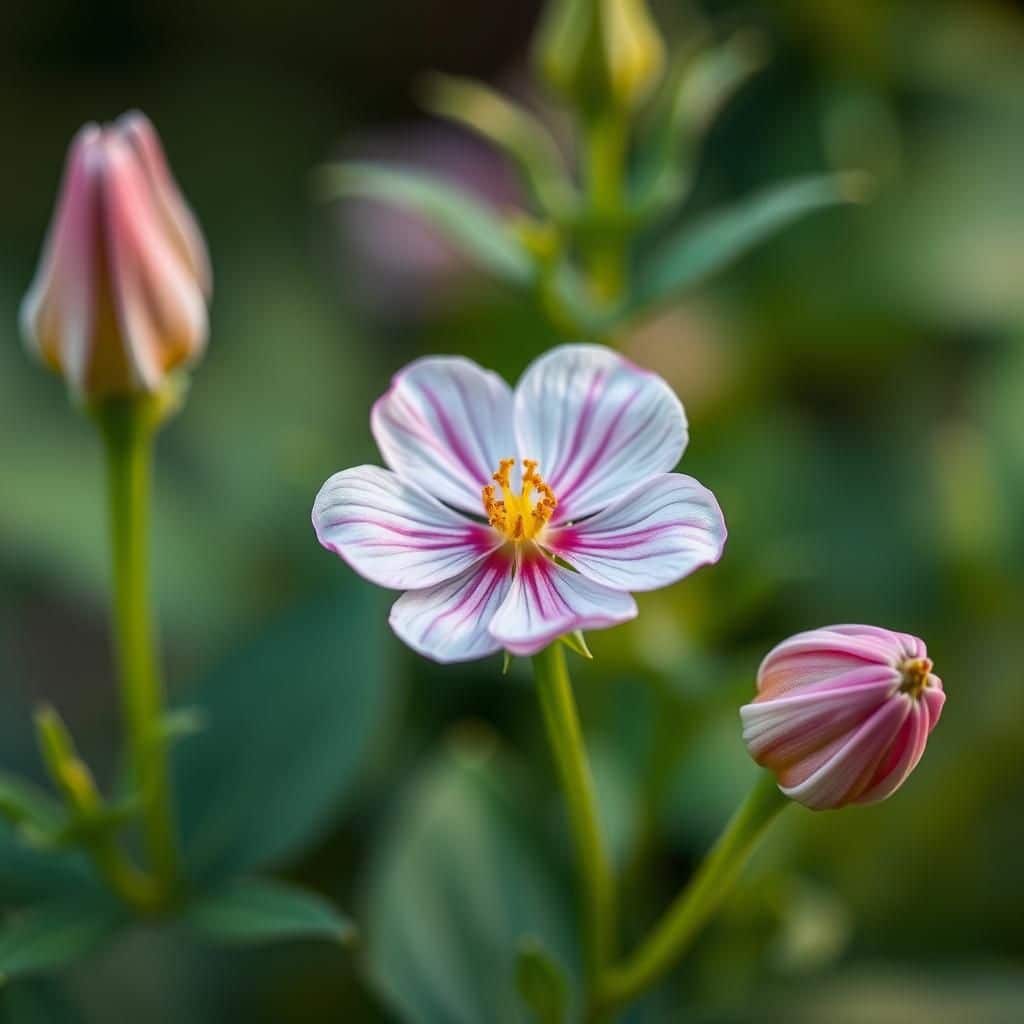
Nature has a remarkable ability to captivate us with its breathtaking beauty, and flowers are among the most exquisite expressions of this aesthetic charm. Each bloom tells a unique story, representing different emotions, cultures, and ecosystems. In this article, we will explore the top 20 flowers that not only brighten our gardens but also hold significant meaning in our lives. From the vibrant petals of the rose to the delicate elegance of the orchid, discover their captivating names and the symbolism behind them. Join us on this floral journey and unlock the secrets of nature's stunning creations.
What Are the Names of 20 Different Flowers?
In the vast world of botany, there exists a delightful variety of flowers, each with its unique charm and significance. The names of flowers often reflect their features, such as color, shape, and habitat, alongside their history and cultural importance. For instance, you may have heard of the Rose, renowned for its romantic connotations, or the Sunflower, celebrated for its bright yellow petals and ability to turn towards the sun. Flower names not only help in identification but also convey a sense of the aesthetic and symbolism associated with them. Below, we delve into some of the well-known flowers followed by their specific attributes and significance.
1. Rose
The Rose is arguably one of the most famous flowers in the world, known for its fragrant blooms and association with romance. Varieties range in color from deep reds to vibrant yellows and they carry different meanings; for instance, red roses symbolize love while white roses represent purity.
2. Tulip
The Tulip has a vibrant history, particularly in the Netherlands, where it became a symbol of wealth during the Tulip Mania of the 17th century. These flowers bloom in a variety of colors and are characterized by their cup-shaped petals, often symbolizing elegance and grace.
3. Sunflower
The Sunflower, known for its large, round flower heads and vibrant yellow color, follows the sun's path across the sky. This flower symbolizes adoration and loyalty, making it a popular choice for both gardens and floral arrangements.
4. Daffodil
Daffodils are bright yellow flowers that bloom in early spring, symbolizing renewal and new beginnings. They are often associated with Easter and are a sign of hope and the arrival of warmer weather, making them a cherished flower in many cultures.
5. Orchid
The Orchid is renowned for its beauty and rarity, with over 25,000 species available worldwide. These flowers often symbolize luxury, beauty, and strength, making them popular in floral arrangements and as houseplants.
| Flower Name | Color | Symbolism |
|---|---|---|
| Rose | Red, White, Yellow | Love, Purity |
| Tulip | Multiple Colors | Elegance |
| Sunflower | Yellow | Adoration |
| Daffodil | Yellow | Renewal |
| Orchid | Various | Luxury |
What is the name of the 15 flower?


The name of the 15th flower refers to the popular annual flower known as the Petunia. Petunias are highly favored for their vibrant colors, wide range of varieties, and ability to bloom throughout the growing season. They are often utilized in gardens, hanging baskets, and containers.
Characteristics of Petunias
Petunias are known for their stunning visuals and hardy nature.
- Color Variety: Petunias come in a spectrum of colors including purple, pink, red, white, and yellow.
- Flower Shape: Their blooms typically exhibit a funnel-like shape, which enhances their visual appeal.
- Growth Habit: They can grow as compact bushy plants or trailing varieties, making them versatile for different planting arrangements.
Growing Conditions for Petunias
To cultivate healthy Petunias, one must understand their preferred growing conditions.
- Sunlight: Petunias thrive in full sun, requiring at least 6 hours of sunlight per day.
- Soil Type: They prefer well-drained, nutrient-rich soil for optimal growth.
- Watering: Regular watering is essential, but overwatering should be avoided as it can lead to root rot.
Caring for Petunias
Proper care is essential to maintain the beauty and health of Petunias.
- Fertilization: A balanced fertilizer can help promote blooming and healthy foliage.
- Deadheading: Regularly removing spent flowers encourages new blooms and prolongs flowering.
- Pest Management: Regular inspection for pests like aphids can prevent infestations and protect plant health.
Varieties of Petunias
There are several popular varieties of Petunias, each with unique attributes.
- Grandiflora: Known for their large, showy flowers, these are commonly planted for dramatic displays.
- Milleri: This variety is compact and provides prolific blooms, ideal for garden borders.
- Surfinias: A trailing type, perfect for hanging baskets or as ground cover with beautiful cascading flowers.
Uses of Petunias in Landscaping
Petunias serve various purposes in landscaping designs.
- Garden Beds: These flowers can create vibrant borders or focal points in garden beds.
- Containers: Their varying growth habits make them suitable for container gardening.
- Hanging Baskets: Their trailing types are particularly effective for creating visually appealing hanging displays.
What is the name of the flower ?

The name of the flower varies depending on the species and type. One of the most commonly recognized flowers is the rose, but there are thousands of other flowers with unique names and characteristics. Each flower has its own significance, cultural importance, and uses in gardening and landscaping. Here are some notable types of flowers:
See also:
Common Types of Flowers
Flowers come in various species, each with its distinct charm. Here are some common types of flowers and their characteristics:
- Roses: Known for their beauty and fragrance, roses symbolize love and passion. They come in various colors, each with different meanings.
- Tulips: These seasonal flowers are popular in spring gardens and symbolize perfect love. Tulips come in a range of colors.
- Daisies: With their white petals and yellow centers, daisies are often symbols of innocence and purity.
Flower Classification
Flowers are classified based on various criteria, including morphology and reproductive structures. Here’s how they can be categorized:
- Annuals: Plants that complete their life cycle in one growing season, such as petunias and marigolds.
- Perennials: These plants live for multiple years, coming back season after season, including peonies and irises.
- Biennials: These plants take two years to complete their life cycle, like foxglove and hollyhock.
Botanical Significance of Flowers
Flowers are vital in the plant reproductive system, attracting pollinators and producing seeds. Their significance includes:
- Pollination: Flowers attract insects and other animals, facilitating the transfer of pollen, which is crucial for the reproduction of many plant species.
- Seed Production: After pollination, flowers transform into fruits that contain seeds, ensuring the propagation of the species.
- Biodiversity: Different flowers support various ecosystems, contributing to overall ecological balance.
Symbolism of Flowers
Many flowers carry symbolic meanings that can vary by culture and context. Here are some examples:
- Lotus: In many cultures, the lotus flower symbolizes purity and spiritual awakening, often associated with rebirth.
- Orchids: Representing beauty and strength, orchids are often gifted to convey admiration.
- Sunflowers: These symbolically represent adoration and loyalty, turning towards the sun as a sign of positivity.
Uses of Flowers in Society
Flowers play multiple roles in society beyond their beauty, including:
- Decoration: They are widely used in floral arrangements for homes, events, and ceremonies.
- Medicinal Uses: Some flowers, like chamomile and hibiscus, are used in herbal remedies and teas for their health benefits.
- Emotional Expressions: Flowers are often given to convey emotions, such as love, sympathy, or congratulations.
Questions from Our Readers
What are some common flowers that have 20 different varieties?
There are numerous flowers with multiple varieties, but roses, daisies, and orchids are known for their extensive range. Each type offers a wide selection of colors, shapes, and sizes, making them favorites among gardeners and florists alike.
What is the significance of the number 20 in flower names?
The number 20 does not have a specific significance in the context of flower names, but it can refer to the diversity and availability of varieties within a single genus or species, showcasing the beauty and adaptability of flowers in different environments.
Can I find a flower with exactly 20 petals?
While many flowers have varying numbers of petals, it is rare to find a flower with exactly 20 petals. However, flowers like some chrysanthemums may come close with their complex layering, highlighting nature's creativity and diversity.
See also:
Where can I learn more about flower varieties with numerous names?
To learn more about flower varieties, you can explore botanical gardens, floriculture websites, or flower databases that specialize in various types of plants. These resources provide detailed information about each species, including their names, habitats, and care instructions.

If you want to read more articles like Unlocking Nature's Beauty: What is the 20 Flower Name? Discover the Top 20 Flowers Today!, we recommend you check out our Flowers category.
Leave a Reply
Related Articles