What Flowers Can't Be Near Dogs? Essential Guide for Pet Safety.

When it comes to creating a safe environment for our furry companions, pet owners often overlook the potential dangers posed by certain flowers. While many blooms brighten our gardens, some can be toxic to dogs, leading to serious health issues. This essential guide will help you identify which flowers should be kept out of reach from your canine friends. We’ll explore the risks associated with popular blooms and provide tips on safe gardening practices. Understanding the relationship between your garden and your dog's well-being is crucial in ensuring a harmonious and safe living space for both.
Which Flowers Are Toxic to Dogs?
Certain flowers can pose a risk to dogs, either by ingestion or contact, leading to various health issues. Common toxic flowers include lilies, which can cause kidney failure, azaleas that may lead to vomiting and diarrhea, and oleander, known for its heart toxicity. Other flowers like daffodils and foxgloves can disrupt normal heart rhythms, making it crucial for pet owners to keep their canine companions away from these plants. Always consult a veterinarian if you suspect your dog has ingested a toxic flower.
Common Toxic Flowers for Dogs
Many flowers are unsafe for dogs, with several common ones posing significant health risks. For example, lilies can lead to severe kidney damage and even death if ingested. Likewise, azaleas contain compounds that can lead to gastrointestinal upset, lethargy, and, in serious cases, can affect the heart. Awareness of these flowers is vital for ensuring the safety of pets in homes and gardens.
Symptoms of Flower Toxicity in Dogs
If a dog has come into contact with or ingested a toxic flower, various symptoms may arise depending on the specific plant and the amount consumed. Common symptoms include vomiting, diarrhea, abdominal pain, and lethargy. More severe reactions can include tremors, seizures, or even difficulty breathing. Pet owners should be vigilant and seek veterinary help if these symptoms occur after exposure to questionable plants.
How to Keep Your Dog Safe from Toxic Flowers
To protect dogs from toxic flowers, it is essential to be proactive by researching and identifying any potentially dangerous plants in your home or garden. Consider using barriers like fenced areas or dog-proof planting strategies to keep dogs from accessing these plants. Additionally, opting for pet-safe flower alternatives in landscaping and decorative arrangements can significantly reduce risk.
First Aid for Flower Poisoning in Dogs
In cases of suspected flower poisoning, immediate action is crucial. First, contact your veterinarian or a pet poison hotline for guidance on the next steps. If possible, collect information about the flower your dog was exposed to, including its name and the quantity ingested. Inducing vomiting may be advised if instructed by a professional. Be prepared to take your dog to a veterinary clinic for treatment, which may include IV fluids, medications, and other supportive care.
Safe Flower Alternatives for Dog Owners
Dog owners looking to enjoy flowers in their homes or gardens can choose from various dog-safe alternatives that are non-toxic and harmless. Options include roses, sunflowers, snapdragons, and marigolds, all known to be safe around pets. These flowers add beauty and color to your space without the risk of toxicity, allowing both pets and plant lovers to enjoy their environment without worry.
| Flower | Toxicity Level | Symptoms |
|---|---|---|
| Lilies | High | Kidney failure, vomiting |
| Azaleas | Moderate | Vomiting, diarrhea |
| Oleander | High | Heart toxicity, death |
| Daffodils | Moderate | Vomiting, abdominal pain |
| Foxgloves | High | Heart rhythm disturbance |
Which flowers are safe around dogs?

When selecting flowers that are safe to have around dogs, it is essential to consider the potential toxicity of various plants. Many common flowers can be harmful to pets, leading to a variety of health issues if ingested. However, there are also numerous species known for their safety around dogs. Here are some flowers that are typically considered safe:
1. Roses - Both climbing and bush varieties of roses are non-toxic to dogs. While the thorns can be a concern for their paws, the flowers themselves pose no risk if nibbled on.
2. Sunflowers - Bright and cheerful, sunflowers bring joy without risk. They are non-toxic and safe for dogs, making them a popular choice for gardens and bouquets.
3. Zinnias - These colorful blooms are not only safe for dogs but also attract pollinators like bees and butterflies, providing beauty and biodiversity in the garden.
4. Snapdragons - Known for their unique shape, snapdragons are safe for dogs. They add a lovely aesthetic to garden beds and arrangements without the worry of toxicity.
5. Pansies - Pansies are edible flowers that are also safe for dogs. They come in various colors and can easily add charm to gardens or as decoration in pet-friendly meals.
See also:
1. Importance of Choosing Dog-Safe Flowers
Choosing dog-safe flowers is crucial for pet owners to prevent any potential health risks. Dogs are naturally curious and often explore their environment with their mouths, making it necessary to ensure that the plants within their reach are non-toxic.
- Prevents accidental poisoning.
- Promotes a healthy environment for pets.
- Enhances the beauty of your home or garden without risks.
2. Common Toxic Flowers to Avoid
It's vital to remain informed about flowers that can be dangerous for dogs. Certain plants can cause severe reactions or even be lethal if ingested. Familiarizing yourself with these flowers can help keep your dog safe.
- Lilies - Highly toxic, especially for cats, but can also cause issues for dogs.
- Tulips - The bulbs are particularly harmful and can lead to gastrointestinal distress.
- Daffodils - Another bulbous flower that poses significant risks to dogs, causing vomiting and diarrhea.
3. Tips for Creating a Dog-Friendly Garden
Designing a garden with pet safety in mind is straightforward with the right approach. Incorporating dog-safe flowers and managing the environment effectively will enhance the garden experience for both pets and humans.
- Choose a variety of non-toxic plants.
- Create designated areas for play to limit access to all plant life.
- Regularly check for any dead or toxic plants that may harm your dog's wellbeing.
4. Benefits of Edible Flowers for Dogs
Incorporating edible flowers into your dog’s diet or garden can be beneficial. Flowers like pansies and nasturtiums not only brighten the environment but can also provide nutritional benefits.
- They can be added to homemade dog treats.
- Provide a natural source of vitamins and minerals.
- Encourage little nibbling habits without the risk of toxicity.
5. How to Monitor Your Dog’s Garden Behavior
Monitoring how your dog interacts with the garden is essential for their safety. Observing their behavior can help prevent them from consuming harmful substances or flowers.
- Supervise when your dog is outside, especially in a garden with various plants.
- Teach commands to discourage unwanted behaviors, like eating plants.
- Provide alternatives, such as chew toys or specific safe plants, to divert their attention.
Can you have flowers in the house with a dog?
Yes, you can have flowers in the house with a dog, but there are certain considerations to keep in mind to ensure the safety and well-being of your pet. Not all flowers are safe for dogs, as some can be toxic and cause adverse reactions. Therefore, it’s essential to choose flowers that are non-toxic and to be vigilant in monitoring your dog's behavior around any plants.
Choosing Dog-Safe Flowers
When selecting flowers for your home, it's crucial to choose ones that are safe for dogs. Some flowers pose a risk of toxicity, meaning they can cause serious health issues if ingested. Consider the following dog-safe flowers:
- Sunflowers - Bright and cheerful, these flowers are non-toxic to dogs.
- Roses - While the thorns can be a concern, the petals are safe for dogs to be around.
- Pansies - These delicate flowers are not only safe but also edible.
Toxic Flower Varieties to Avoid
Many beautiful flowers can be harmful to dogs, which is why it's vital to research before bringing them home. Some flowers that are toxic to dogs include:
- Lilies - Extremely toxic, particularly to dogs and can cause kidney failure.
- Azaleas - Even small amounts can lead to vomiting and diarrhea.
- Foxgloves - These can lead to heart issues and should be kept away from pets.
Preventing Dog Access to Flowers
Even if you choose non-toxic flowers, it's still important to prevent your dog from accessing them. Here are a few tips to keep flowers out of reach:
- Higher Placement - Place flower arrangements on high shelves or tall tables.
- Barriers - Use decorative gates or plant stands to keep flowers secure.
- Training - Train your dog to stay away from certain areas of your home.
Monitoring Your Dog's Behavior
Always keep an eye on your dog’s behavior around flowers. Dogs are naturally curious and may sniff or nibble on plants. To ensure your pet remains safe:
- Observe - Watch for any signs of discomfort or potential ingestion.
- Respond - If you notice your dog chewing on the flowers, gently redirect them.
- Consult - If ingestion occurs, contact your veterinarian immediately for advice.
Alternative Indoor Plants for Dog Owners
If you're worried about flowers, consider alternative indoor plants that are safe for your dog. Some good options include:
- Spider Plants - Hardy and non-toxic, perfect for indoor settings.
- Ponytail Palms - A unique type of indoor plant that is safe for dogs.
- Bamboo Palm - Adds greenery without risk to your pet’s health.
Is it toxic for dogs to smell flowers?
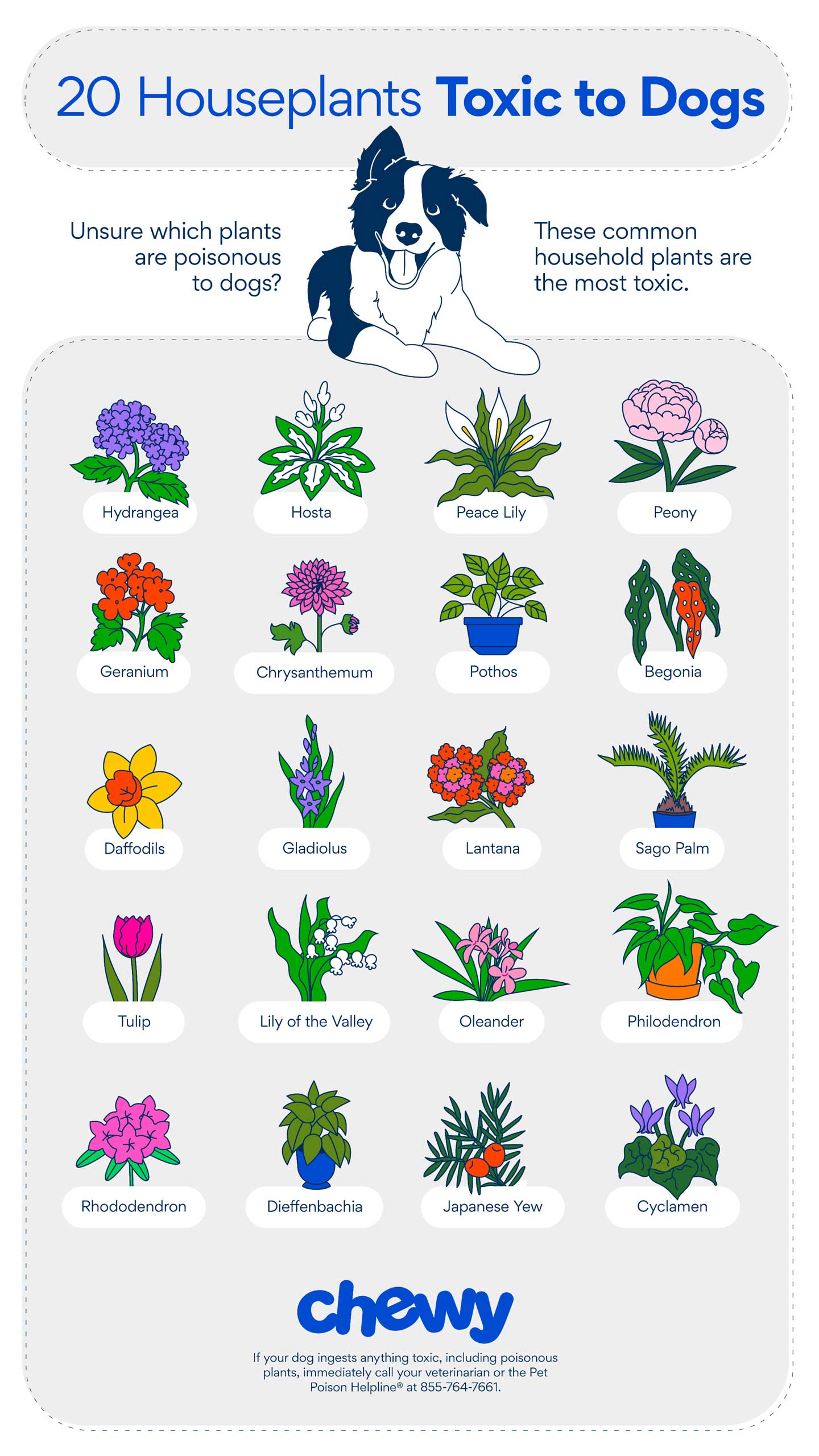
The question of whether it is toxic for dogs to smell flowers involves several considerations. In general, smelling flowers is not harmful for dogs, as the act of smelling does not typically introduce any toxins into their system. However, the safety of flowers varies widely, as many plants can be toxic to dogs if ingested. Therefore, while the actual action of smelling is usually safe, it’s crucial to identify the types of flowers that a dog may encounter, as some could pose risks upon contact or consumption.
See also:
Common Toxic Flowers for Dogs
Some flowers are known to be toxic for dogs, which can lead to various health issues if ingested. Here are some common toxic blooms to be aware of:
- Lilies: Certain types, especially the ones from the genera Lilium and Hemerocallis, can cause kidney failure.
- Azaleas: Even small amounts can lead to vomiting, diarrhea, and potentially more severe complications.
- Oleander: Highly toxic; ingestion can result in serious heart conditions and other life-threatening issues.
Signs of Flower Poisoning in Dogs
It’s important for dog owners to recognize the signs of flower poisoning, which could indicate that a dog has ingested a toxic plant. Symptoms may include:
- Vomiting: A common sign that indicates upset stomach or toxin ingestion.
- Diarrhea: Often accompanies vomiting, signaling further distress in the digestive tract.
- Lethargy: A noticeable lack of energy or enthusiasm for usual activities may indicate an underlying issue.
Safe Flowers for Dogs
Not all flowers are harmful. Many are actually safe for dogs to be around or to smell without any risk. Some examples of non-toxic flowers include:
- Roses: Generally safe, but thorns can present a physical risk).
- Sunflowers: Non-toxic and loved by many pets.
- Marigolds: Safe for dogs, although they may cause mild stomach upset if ingested in large amounts.
Preventing Exposure to Toxic Flowers
To ensure the safety of your dog, you can take proactive measures against exposure to toxic plants. Follow these guidelines:
- Identify: Know which flowers are toxic and remove them from your garden or home.
- Supervise: Keep an eye on your dog when they are outside, especially in areas with many flowers.
- Educate: Teach your dog basic commands like leave it to prevent them from sniffing or eating harmful plants.
Consulting a Veterinarian
If you suspect that your dog has ingested a toxic flower, consulting a veterinarian promptly is essential. Here’s what to consider:
- Immediate action: Depending on the type of flower, time can be critical. Seek veterinary advice as soon as possible.
- Detailed information: Providing details about the flower type and symptoms can help your vet provide the best care.
- Follow-up care: After recovery or treatment, ensure to follow any vet-recommended precautions and treatments.
What in a yard can be poisonous to dogs?
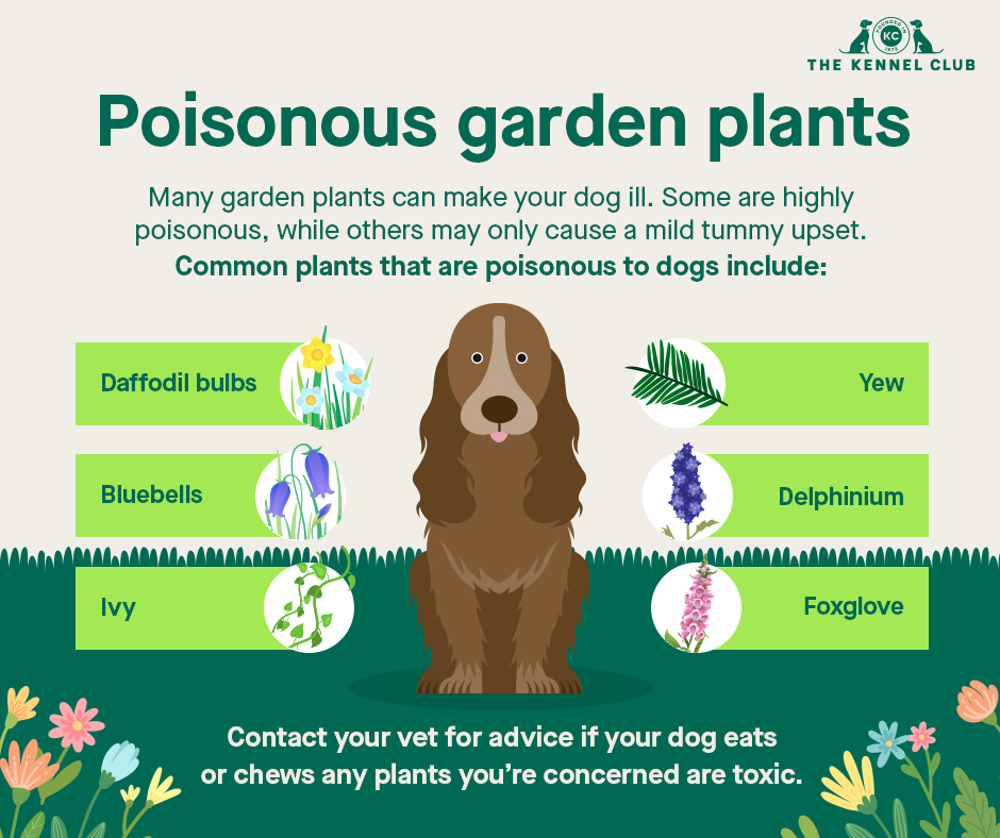
Poisonous substances in a yard can pose serious risks to dogs. Many plants, chemicals, and natural elements found in an outdoor environment can be toxic if ingested or absorbed through the skin. Understanding what can be harmful is crucial for the safety and well-being of dogs. Here are some common items in a yard that can be poisonous to dogs:
Common Plants That Are Toxic
Many plants can be hazardous to dogs if ingested. Some of the most common toxic plants include:
- Lilies: Particularly harmful to cats, but certain types can also affect dogs.
- Azaleas: Ingestion can cause vomiting and diarrhea.
- Foxglove: Can cause serious heart problems if consumed.
Pesticides and Herbicides
Chemicals used in gardens can be highly toxic to dogs. These substances often contain ingredients that can lead to severe health issues.
- Insecticides: Products designed to kill insects can also harm pets, causing symptoms like lethargy or tremors.
- Fertilizers: Some fertilizers contain chemicals that can be dangerous if ingested, leading to gastrointestinal distress.
- Herbicides: These weed killers can cause toxic reactions, particularly if a dog walks on treated grass and licks its paws.
Compost and Certain Foods
While composting is a great way to recycle organic waste, it can also attract dogs and contain items that are dangerous for them.
- Moldy food: Spoiled food can produce mycotoxins, which are harmful to dogs.
- Onions and garlic: These common kitchen scraps can lead to anemia in dogs.
- Avocado: Persin, found in avocados, can cause heart problems in dogs.
Common Yard Hazards
In addition to plants and chemicals, various outdoor items can pose risks to dogs.
- Rodenticides: Rat poisons can cause serious health issues, including internal bleeding and organ failure.
- Fungicides: Some products used to control lawn fungi can be toxic when ingested.
- Gravel or mulch: Ingesting these materials can lead to intestinal blockages.
Natural Risks
Even natural elements in a yard can be detrimental to canine health.
- Foxtails: These grasses can get lodged in a dog's skin or ears, causing infections.
- Stinging nettles: Contact can lead to skin irritation and allergic reactions.
- Poison ivy: Dogs can have allergic reactions upon contact, even without direct ingestion.
Questions from Our Readers
What flowers are toxic to dogs?
Many flowers can be toxic to dogs, including lilies, azaleas, and rhododendrons. If ingested, these plants can cause a range of symptoms from vomiting to more severe reactions, depending on the type of flower. Always keep an eye on your dog around these plants and consult a veterinarian if you suspect poisoning.
How can I identify which flowers are safe for dogs?
To identify safe flowers, it is crucial to research plants before introducing them to your home or garden. Resources such as the ASPCA or local gardening clubs can provide information on non-toxic species. Additionally, you can opt for pet-friendly flowers like roses or sunflowers to ensure your pet's safety.
See also:
Are there any common garden plants that are harmful to dogs?
Yes, many common garden plants can be harmful to dogs. For example, foxglove, oleander, and wisteria are known to be poisonous. It's essential to familiarize yourself with these plants and remove any that may pose a threat to your dog's health.
What should I do if my dog eats a toxic flower?
If your dog consumes a toxic flower, it's crucial to act quickly. Contact your veterinarian or an emergency pet poison hotline immediately for guidance. They may recommend inducing vomiting or bringing your dog in for treatment, depending on the severity of the situation and the type of flower ingested.

If you want to read more articles like What Flowers Can't Be Near Dogs? Essential Guide for Pet Safety., we recommend you check out our Flowers category.
Leave a Reply
Related Articles