What Flowers Are Poisonous to Cats? A Comprehensive Guide for Pet Owners

As a pet owner, ensuring the safety and well-being of our furry companions is a top priority. While flowers can bring beauty and joy to our homes, some can pose serious health risks to our feline friends. In this comprehensive guide, we will explore which flowers are known to be poisonous to cats, including the symptoms to watch for and essential steps to take in case of exposure. By understanding the dangers of certain plants, you can create a safer environment for your beloved pets, allowing them to enjoy the beauty of nature without the risk of harm.
What Flowers Are Poisonous to Cats?
Certain flowers can pose a significant threat to cats if ingested. Among the most dangerous are lilies, which are highly toxic and can cause severe kidney damage, even from small amounts. Other hazardous plants include azaleas, which can lead to gastrointestinal distress and cardiovascular issues, and daffodils, known for their ability to trigger severe vomiting and diarrhea. It's essential for cat owners to be aware of their home and garden plants, as the symptoms of poisoning may not always be immediate and could lead to serious health complications if not addressed swiftly. Regular checks for these flowers in your environment can help ensure the safety of your feline friends.
Common Poisonous Flowers for Cats
Many common flowers pose a risk to cats, including varieties like lilies, azaleas, and rhododendrons. These blooms contain compounds that can be harmful, affecting the nervous system or gastrointestinal tract of cats. For instance, all parts of lilies are toxic, with even small quantities leading to potentially fatal kidney failure. Azaleas and rhododendrons can cause vomiting, diarrhea, and lethargy, making it crucial to remove these plants from areas where cats roam freely.
Symptoms of Flower Poisoning in Cats
When cats ingest poisonous flowers, they can exhibit various symptoms that may indicate flower poisoning. Common signs include vomiting, diarrhea, and lethargy. In more severe cases, symptoms can escalate to seizures or difficulty breathing, particularly with plants like lilies. Recognizing these signs early can be vital in seeking prompt veterinary treatment, as time is often of the essence in mitigating poisoning effects.
Treatments for Poisonous Flower Ingestion
If a cat is suspected of ingesting a poisonous flower, immediate veterinary care is essential. Treatment can vary based on the type of flower consumed, but it may involve inducing vomiting, administering activated charcoal to limit absorption, or IV fluids for hydration and to support kidney function in the case of lily ingestion. Quick action can significantly improve the prognosis, so having a list of toxic plants can be helpful for pet owners.
Prevention of Flower Poisoning in Cats
Preventing flower poisoning begins with education and awareness. Cat owners should familiarize themselves with toxic flowers and opt for cat-safe plants in their homes and gardens. Creating a barrier around indoor plants and keeping outdoor gardens well-contained can help protect curious cats from harmful ingestion. Additionally, being vigilant when introducing new flowers into the home can help ensure the safety of your pet.
Resources for Identifying Poisonous Plants
Numerous resources are available for identifying poisonous plants and flowers. Websites from reputable veterinary organizations, such as the ASPCA, provide extensive lists of plants toxic to cats. Moreover, mobile apps can help pet owners identify potential hazards when visiting nurseries or gardens. Having readily accessible information can empower cat owners to make informed decisions about their plant choices.
| Flower | Symptoms | Treatment |
|---|---|---|
| Lilies | Kidney failure, vomiting | Induce vomiting, IV fluids |
| Azaleas | Vomiting, diarrhea, lethargy | Activated charcoal, hydration |
| Daffodils | Severe vomiting, diarrhea | Supportive care, hydration |
| Foxglove | Cardiac issues, drooling | Emergency vet treatment |
| Rhododendrons | Vomiting, depression | Activated charcoal, monitoring |
What flowers are toxic for cats?
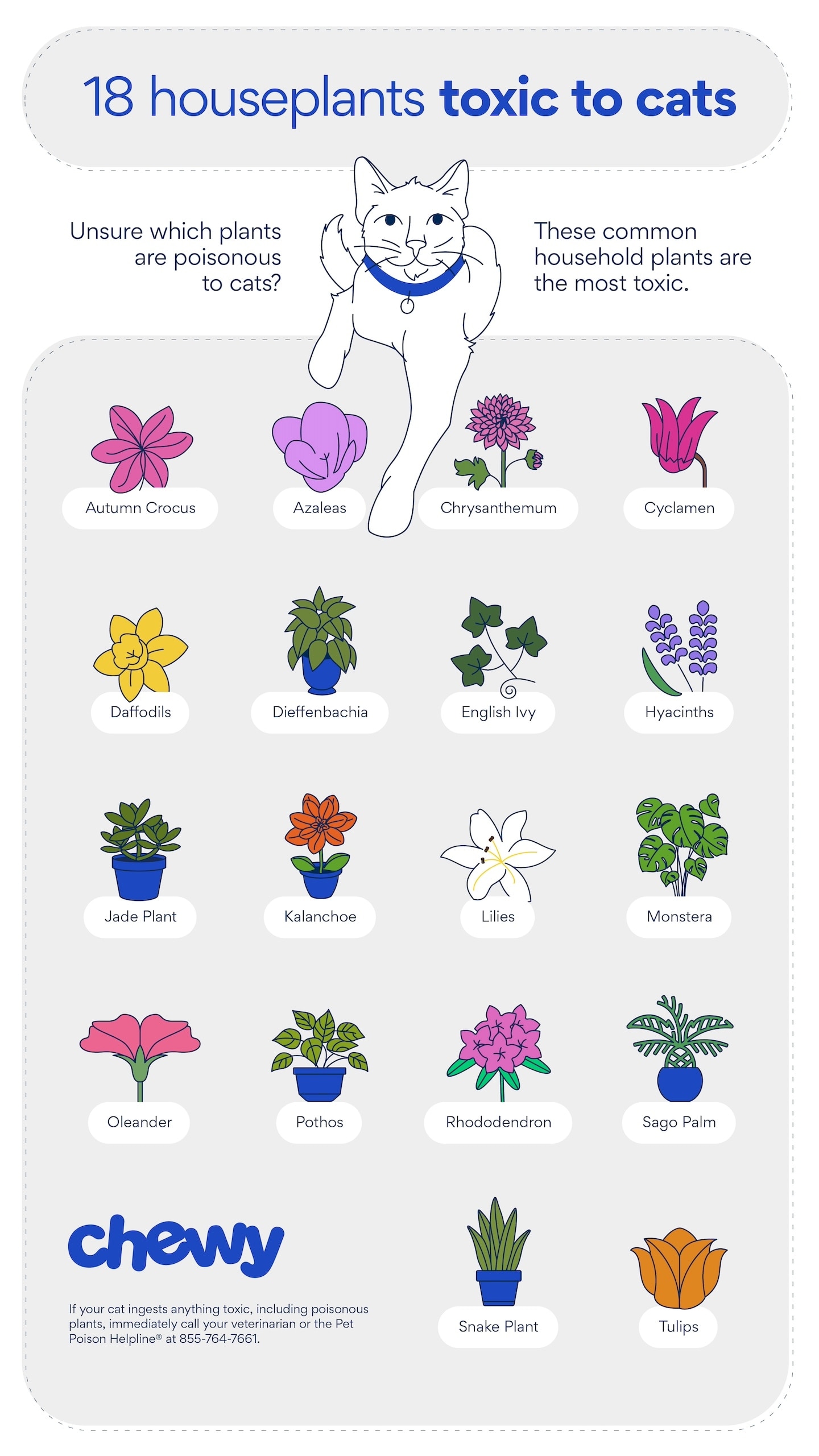
Cats are known for their curiosity, which often leads them to explore their environment, including a variety of plants and flowers. Unfortunately, some flowers can be highly toxic to felines, leading to serious health issues or even death if ingested. Below is a list of common flowers that are dangerous to cats, followed by a breakdown of how they affect feline health.
Common Toxic Flowers for Cats
Among the most hazardous flowers for cats, several species are frequently encountered in households and gardens. These include:
- Lilies: All types of lilies, especially Tiger, Easter, and Asiatic lilies, are extremely toxic to cats.
- Daffodils: The bulbs and flowers of daffodils contain toxic compounds that can lead to severe gastrointestinal upset.
- Azaleas: While not a traditional flower, azalea plants produce blooms that can cause serious toxicity in cats if ingested.
Symptoms of Flower Toxicity in Cats
When cats ingest toxic flowers, they may exhibit a variety of symptoms. Early recognition of these signs is crucial for prompt treatment:
- Vomiting: Frequent vomiting is one of the most common signs of poisoning and can occur shortly after ingestion.
- Diarrhea: Cats may develop diarrhea, which can lead to dehydration if not addressed.
- Lethargy: A sudden lack of energy or unwillingness to engage in normal activities can indicate exposure to toxic substances.
Preventing Cat Exposure to Toxic Flowers
To safeguard your feline friends, it's important to take preventive measures regarding plants in your home and garden:
- Research Before Planting: Always check if a plant or flower is safe for pets before adding it to your garden.
- Cat-Safe Alternatives: Consider planting cat-friendly flowers such as catnip or marigolds, which are non-toxic.
- Secure Outdoor Areas: If your cat spends time outdoors, create barriers to prevent them from accessing potentially toxic flowers.
What to Do If Your Cat Ingests a Toxic Flower
If you suspect that your cat has ingested a toxic flower, immediate action is necessary:
- Contact Your Veterinarian: Reach out to your vet as soon as possible for guidance on the next steps.
- Provide Information: Be prepared to inform your veterinarian about the specific flower and the amount you believe was ingested.
- Avoid Home Remedies: Do not attempt to treat your cat at home without professional veterinary advice, as some treatments can worsen the situation.
Resources for Cat Owners
Educating yourself about toxic flowers is crucial for responsible cat ownership. Some helpful resources include:
- Veterinary Websites: Websites like the ASPCA provide extensive databases on toxic plants for pets.
- Pet Poison Helpline: This hotline can offer immediate assistance in case of poisoning emergencies.
- Local Veterinary Clinics: Regularly discussing your cat’s health with your vet can help manage risks associated with toxic plants.
Do cats know to stay away from toxic plants?
Do cats possess the instinct to avoid toxic plants? The answer is somewhat complex. While cats have a natural tendency to be cautious about their environment, it's not entirely accurate to say that they inherently know which plants are toxic. Unlike some animals that effectively learn about dangerous substances through experience, cats may not have the same evolutionary background and awareness regarding all harmful plants. Nevertheless, they often display instinctual behaviors that help them make safer choices. Here’s a closer look at various considerations:
See also:
Instinctual Behavior of Cats
Cats rely on their instincts to navigate the world around them. They are generally cautious animals and avoid substances that have a strong or strange odor. This instinct may help them stay away from some toxic plants, but it is not foolproof. Their instincts are shaped by their experiences and surroundings, which may lead them to explore potentially harmful plants.
- Natural Curiosity: Cats are naturally curious creatures who often investigate new plants.
- Avoidance Mechanism: If a plant has a bitter taste, a cat may learn to avoid it after a single encounter.
- Caution with the Unknown: Cats may hesitate or show wariness around unfamiliar plants, which can sometimes include toxic varieties.
Common Toxic Plants for Cats
Many household and garden plants are toxic to cats. Some of the most prevalent toxic plants include lilies, poinsettias, azaleas, and sago palms. While cats do not have inherent knowledge of which plants are dangerous, many of these plants have characteristics, like a distinct smell or texture, that may deter a cat from chewing on them.
- Lilies: Highly toxic, they can cause kidney failure in cats even with a small amount.
- Sago Palms: These plants are extremely dangerous; ingestion can be fatal.
- Azaleas: Consuming even a small portion can lead to serious health problems, including vomiting and diarrhea.
Learning Through Experience
Cats are capable of learning through experience, which influences their behavior around plants. If a cat has a negative experience after ingesting a plant, it may become more cautious in the future. However, the learning process can vary significantly among different cats.
- Negative Reinforcement: A bad reaction to a toxic plant can deter a cat from approaching it again.
- Varied Learning Rates: Some cats may quickly learn to avoid toxic plants, while others may not.
- Social Learning: Cats may observe the behavior of other animals and mimic their avoidance of toxic plants.
Environmental Factors
The environment plays a significant role in a cat's behavior regarding toxic plants. Factors such as their upbringing, whether they are indoor or outdoor cats, and exposure to various plants can influence their risk of encountering toxins.
- Indoor vs. Outdoor Cats: Indoor cats face less risk of encountering toxic plants if their environment is controlled.
- Owner Awareness: Cat owners can minimize risks by being informed about which plants are toxic.
- Habitat Familiarity: Cats in familiar environments are often more cautious than those in new surroundings.
Preventative Measures for Cat Owners
To ensure the safety of cats, cat owners should take proactive steps to remove or secure toxic plants from their homes and gardens. Awareness and education are crucial components in preventing harmful exposure.
- Research Before Planting: Always check the toxicity of plants before bringing them home.
- Create Barriers: Use physical barriers to keep cats away from toxic plants.
- Educate Yourself: Stay informed about common plants that can harm your cat and share this knowledge with others.
Which flowers are not good for cats?
Certain flowers can be toxic to cats and may lead to serious health issues if ingested. Pet owners should be aware of these flowers to keep their feline companions safe. Here are some flowers that are particularly dangerous for cats:
1. Lily: All varieties of lilies are highly toxic to cats. Even small amounts of pollen or water from the vase can cause acute kidney failure. Symptoms include vomiting, diarrhea, loss of appetite, and lethargy.
2. Tulip: Tulip bulbs are the most toxic part of the plant. If ingested, they can cause gastrointestinal upset leading to symptoms such as drooling, vomiting, and diarrhea. Severe reactions may also lead to heart issues.
3. Azalea: Azaleas contain grayanotoxins, which can disrupt the heart rhythm of cats. Consuming any part of the plant may lead to symptoms including vomiting, diarrhea, and in severe cases, coma or even death.
4. Daffodil: All parts of the daffodil, especially the bulbs, are toxic to cats. Ingestion can cause severe digestive problems, including nausea, vomiting, and, in extreme cases, cardiac arrhythmias.
5. Cyclamen: Cyclamen plants are particularly toxic due to their tubers, with ingestion leading to significant gastrointestinal irritation. Symptoms can manifest as vomiting, diarrhea, and severe abdominal pain.
Common Symptoms of Poisoning in Cats
Cats may show several symptoms if they have ingested toxic flowers. It's important to recognize these signs early for timely intervention:
- Vomiting: Many cats will vomit if they have consumed something harmful.
- Diarrhea: This can also accompany vomiting as the body tries to rid itself of the toxin.
- Lethargy: A noticeable decrease in activity or response to stimuli can indicate illness.
Immediate Actions to Take if Your Cat is Exposed
If you suspect your cat has ingested a toxic flower, quick action can be crucial. Here are steps to follow:
- Contact a Veterinarian: Seek professional advice immediately, providing details about the plant.
- Induce Vomiting: Do this only if instructed by on-call veterinary advice.
- Monitor Your Cat: Keep a close eye on any changing symptoms close to veterinary intervention.
Safe Flower Alternatives for Cat Owners
There are many beautiful flowers and plants that are safe for cats. Consider these options instead:
- Cat Grass: A favorite among cats, it aids digestion and is safe to chew.
- Spider Plant: Non-toxic to cats, it's easy to care for and safe for indoor environments.
- Boston Fern: Known for its lush foliage, this plant poses no threat to cats.
Educating Yourself About Toxic Plants
Awareness is key in keeping your cat safe from harmful plants:
See also:
- Research: Familiarize yourself with common toxic and non-toxic plants.
- Consult with Veterinarians: Directly asking professionals for their input is beneficial.
- Join Pet Owner Communities: Sharing information with fellow pet owners helps spread awareness.
Creating a Safe Environment for Your Cat
You can take proactive steps to ensure your home and garden are safe for your feline companion:
- Remove Toxic Plants: Dispose of any known toxic plants before bringing a new pet home.
- Educate Family Members: Ensure everyone in the household knows which plants are safe or dangerous.
- Regularly Check for New Flowers: Always check newly introduced plants to prevent accidental exposure.
What is the most poisonous thing for cats?
The most poisonous thing for cats is generally considered to be lilies. Exposure to any part of the lily plant, including the petals, leaves, and even the pollen, can lead to severe kidney damage in cats or even death if not treated immediately.
Common Lily Species That Are Poisonous to Cats
Many species of lilies pose a significant threat to feline health. The most notorious include:
- Daylilies (Hemerocallis)
- Easter lilies (Lilium longiflorum)
- Tiger lilies (Lilium lancifolium)
It's essential to recognize these plants in your household or garden to keep your feline companion safe.
Symptoms of Lily Poisoning in Cats
If a cat ingests any part of a lily, symptoms can appear quickly and can include:
- Vomiting
- Lethargy
- Anorexia (loss of appetite)
These signs may escalate to more severe conditions, so it's crucial to act promptly if you suspect lily poisoning.
Treatment Options for Lily Poisoning
If a cat is suspected to have consumed lilies, immediate veterinary care is critical. Treatment measures may include:
- Inducing vomiting to eliminate the toxins.
- Intravenous fluids to maintain hydration and support kidney function.
- Medications to manage symptoms and protect the kidneys.
Timeliness in seeking treatment can dramatically affect the outcome.
Safe Alternatives to Lilies for Cat Owners
If you want to have plants in your home but are concerned about your cat's safety, consider these alternatives:
- Cat grass (Dactylis glomerata)
- Spider plants (Chlorophytum comosum)
- Boston ferns (Nephrolepis exaltata)
These plants are not only safe for cats but also beneficial for their overall well-being.
Preventive Measures for Cat Owners
To protect your cat from lily poisoning, here are some recommended actions:
- Educate yourself about poisonous plants.
- Restrict access to areas where lilies are grown.
- Consider using alternatives or non-toxic plants instead.
Being proactive can save your cat’s life and keep your home a safe environment.
Questions from Our Readers
What are the most common poisonous flowers for cats?
Many flowers are toxic to cats, with some of the most common being lilies, azaleas, and rhododendrons. These plants can cause a range of symptoms including vomiting, diarrhea, and in severe cases, kidney failure. It's important for cat owners to be aware of these flowers to keep their pets safe.
How do I know if my cat has ingested a poisonous flower?
If you suspect your cat has ingested a poisonous flower, look for signs such as vomiting, lack of appetite, lethargy, or unusual behavior. Immediate veterinary attention may be necessary, especially if serious symptoms develop, as prompt treatment can make a significant difference.
Are there any safe flowers for cats?
Yes, there are several flowers that are safe for cats, including roses, petunias, and sunflowers. These flowers pose no significant risk to cats and can be a great addition to your home without worrying about your pet's health.
See also:
What should I do if my cat is exposed to a poisonous flower?
If your cat has been exposed to a poisonous flower, it's crucial to contact your veterinarian or an animal poison control hotline immediately. Time is of the essence, and seeking professional advice early can help mitigate any toxic effects and ensure your cat receives the care it needs.

If you want to read more articles like What Flowers Are Poisonous to Cats? A Comprehensive Guide for Pet Owners, we recommend you check out our Flowers category.
Leave a Reply
Related Articles