Can Daylilies Be Cut Back to the Ground? Essential Tips for Optimal Care
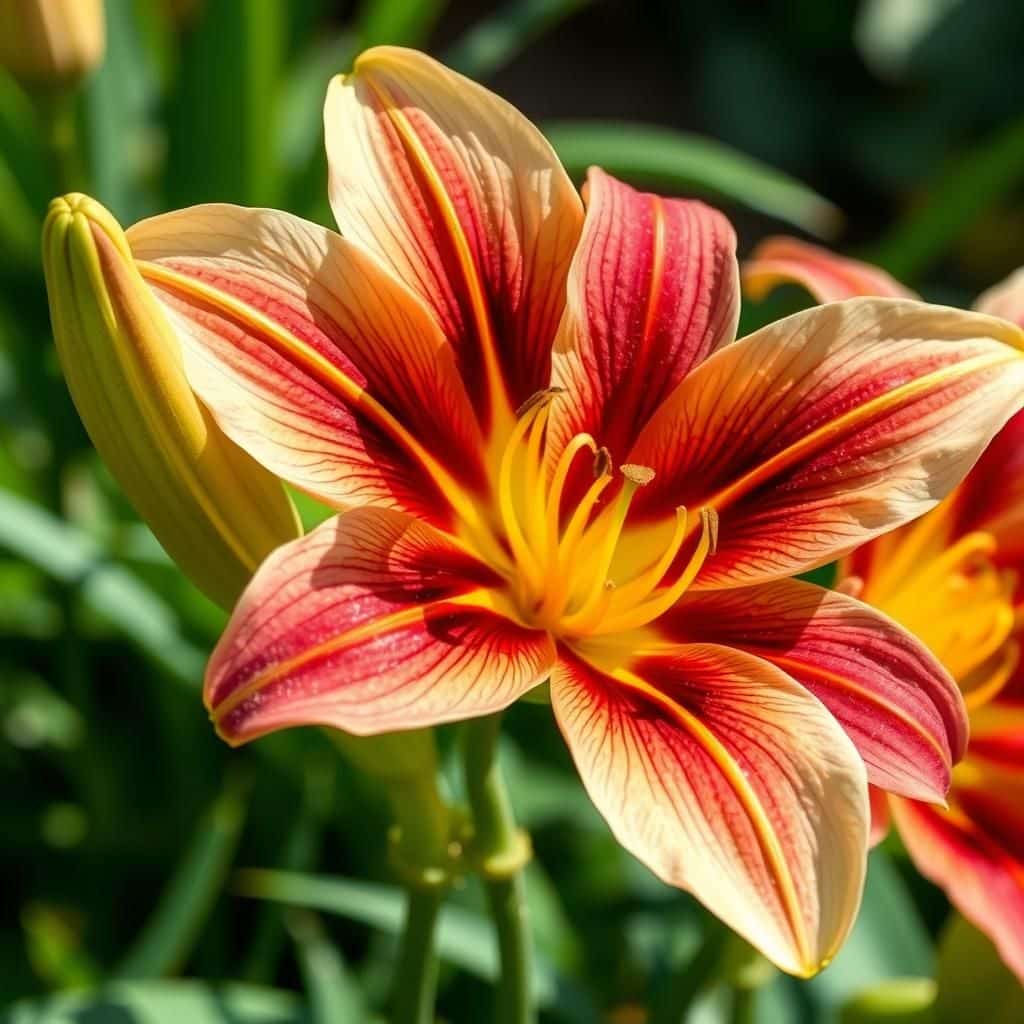
Daylilies are a popular choice among gardeners for their vibrant blooms and resilience. However, many often wonder about the best practices for maintaining these hardy perennials, particularly when it comes to cutting them back. Can daylilies be cut back to the ground? This article explores essential tips for optimal care, discussing when and how to trim these plants effectively to promote healthy growth and stunning flowers in the following season. Whether you're a seasoned gardener or just starting, understanding the right techniques for managing daylilies can help ensure your garden remains a flourishing spectacle throughout the year.
Can Daylilies Be Cut Back to the Ground?
Yes, daylilies can be cut back to the ground, and doing so can be beneficial for the plant's health and aesthetics. After the flowering season, cutting the foliage back to about 4 to 6 inches above the ground helps to remove any dead or yellowing leaves, reducing the risk of pests and diseases. This practice encourages new growth and allows the plant to direct its energy towards producing fresh leaves and blooms in the next growing season. It's advisable to perform this cut in late fall or early spring, ensuring that any remaining leaves are cut before new growth begins to emerge.
Benefits of Cutting Back Daylilies
Cutting back daylilies has several benefits, including improved appearance of the garden. When the old leaves are cleared away, the plants look tidier and more manicured. Additionally, this practice promotes healthy growth by allowing sunlight to reach the base of the plants, fostering stronger new shoots. Furthermore, cutting back can help minimize the hiding spots for pests and diseases, thus contributing to a healthier plant overall.
When to Cut Back Daylilies
The ideal time to cut back daylilies is either in late fall after the flowering has finished or in early spring just before new growth begins. Cutting them in the fall allows you to remove the leaves that have died off naturally and may harbor diseases or pest eggs. Conversely, in early spring, you can eliminate any winter damage and prepare the plants for an upcoming bloom season. Timing is important to ensure that you don’t interfere with the plant's natural growth cycle.
How to Cut Back Daylilies
When cutting back daylilies, use a sharp pair of garden shears or a hedge trimmer for a clean cut. Begin by removing any dead or yellow foliage first, then cut the remaining leaves down to about 4 to 6 inches above the ground. Be careful not to damage the crown of the plant while cutting; it should remain intact to ensure the health of the daylilies for the next growing season. After cutting, it can be beneficial to apply a layer of mulch to protect the roots and keep the soil temperature stable.
See also:
Potential Risks of Cutting Daylilies to the Ground
While cutting back daylilies is generally beneficial, there are potential risks involved. If cut too early in the spring, you may inadvertently damage new shoots that have begun to emerge. Additionally, cutting back too aggressively might stress the plant, especially if it is already weak due to disease or insufficient nutrients. It is essential to assess the health of the plants before deciding to trim them back to ensure they can recover and thrive after the cut.
What to Do After Cutting Back Daylilies
After cutting back daylilies, it is important to ensure they receive proper care for optimal growth. Water the plants adequately to support the new growth emerging, and consider adding a balanced fertilizer to help replenish nutrients in the soil. Applying a layer of mulch can also help maintain soil moisture and suppress weeds. Regular monitoring of the plants will help you catch any potential issues early, allowing them to remain healthy and vibrant throughout the growing season.
| Action | Timing | Benefits |
|---|---|---|
| Cut Back | Late Fall / Early Spring | Improves Appearance, Promotes Healthy Growth |
| Watering | After Cutting | Supports New Growth |
| Fertilizing | Before New Growth | Replenishes Nutrients |
| Mulching | After Cutting | Retains Moisture, Suppresses Weeds |
Understanding the Best Time for Cutting Back Daylilies
When considering whether to cut back daylilies to the ground, it is crucial to determine the appropriate timing for this practice. The best time to cut back daylilies is in the fall, after the foliage begins to yellow and die back naturally, or in early spring before new growth emerges. This timeframe allows the plant to conserve energy in its roots while also promoting a healthier and more robust bloom cycle for the following season. Cutting them back too early can expose the plant to cold weather and potential damage, while cutting too late may hinder their vigor and flowering capability.
Benefits of Cutting Daylilies Back
Pruning daylilies provides several key benefits that can improve their overall health and appearance. By cutting them back, you remove dead or diseased foliage, which helps prevent potential pest infestations and disease spread. This rejuvenating practice encourages the growth of new, healthy shoots, ensuring that the plants remain vibrant and full of energy. Additionally, cutting back helps to keep the garden appearing tidy and well-groomed, enhancing the landscape's overall visual appeal.
Signs That Daylilies Need Pruning
Identifying the signs that your daylilies need pruning is essential for their proper care. Look for discolored, wilted, or damaged leaves, as these are clear indicators that your plant is struggling. Furthermore, if you notice a decrease in blooming or an overall *decline* in vigor, it could be time for a significant cut back. Regular observation can also reveal overcrowding in the plant, signaling that they may need space to thrive, which can also be addressed through pruning.
See also:
Tools Required for Cutting Back Daylilies
Having the right tools when cutting back daylilies is essential for achieving the best results. A pair of sharp, clean pruning shears is ideal for precise cuts and promoting healthy regrowth. Additionally, consider using gloves to protect your hands from any potential irritants or thorny plants nearby. If you have a large number of daylilies, a lopper can help with tougher stems or larger foliage, ensuring the task is completed efficiently and effectively.
Aftercare for Pruned Daylilies
After pruning daylilies, it's important to provide proper aftercare to promote robust recovery and growth. Watering the plants appropriately will help them bounce back, ensuring that the roots receive enough hydration to support new growth. Applying a layer of organic mulch around the base of the plants can aid in moisture retention and prevent weeds from competing for nutrients. Additionally, consider applying a balanced fertilizer in spring to give your daylilies the extra boost they may need for an abundant flowering season.
How Often Should You Cut Back Daylilies?
The frequency of cutting back daylilies largely depends on your specific climate and growing conditions. Typically, pruning should occur once a year, either in fall or early spring, to maintain plant health. However, during vigorous growth periods, you may find it beneficial to remove any excess or outdated foliage more frequently to encourage air circulation and light penetration. Always assess the individual plant's health and growth habits to determine if more frequent cuts are necessary for optimal performance.
Questions from Our Readers
Can daylilies be cut back to the ground?
Yes, daylilies can be cut back to the ground after they have finished blooming. This practice helps to remove any dead or dying foliage and allows the plant to conserve energy for the next growing season.
When is the best time to cut back daylilies?
The best time to cut back daylilies is in late fall or early spring. This timing ensures that you remove any spent blooms and dead leaves without disrupting the plant’s growth cycle, allowing it to thrive when temperatures rise.
See also:
Will cutting daylilies back affect their growth?
Cutting daylilies back to the ground will not negatively affect their growth; in fact, it can promote healthier growth. By removing old foliage, you encourage new shoots to emerge during the growing season.
How far back should I cut daylilies?
When cutting back daylilies, it is advised to trim them down to 1-2 inches from the ground. This height ensures that the plant is not damaged while still allowing for new growth to emerge efficiently.

If you want to read more articles like Can Daylilies Be Cut Back to the Ground? Essential Tips for Optimal Care, we recommend you check out our Daylily category.
Leave a Reply
Related Articles