Should Garlic Be Soaked Before Planting? Discover the Best Practices for Garlic Cultivation
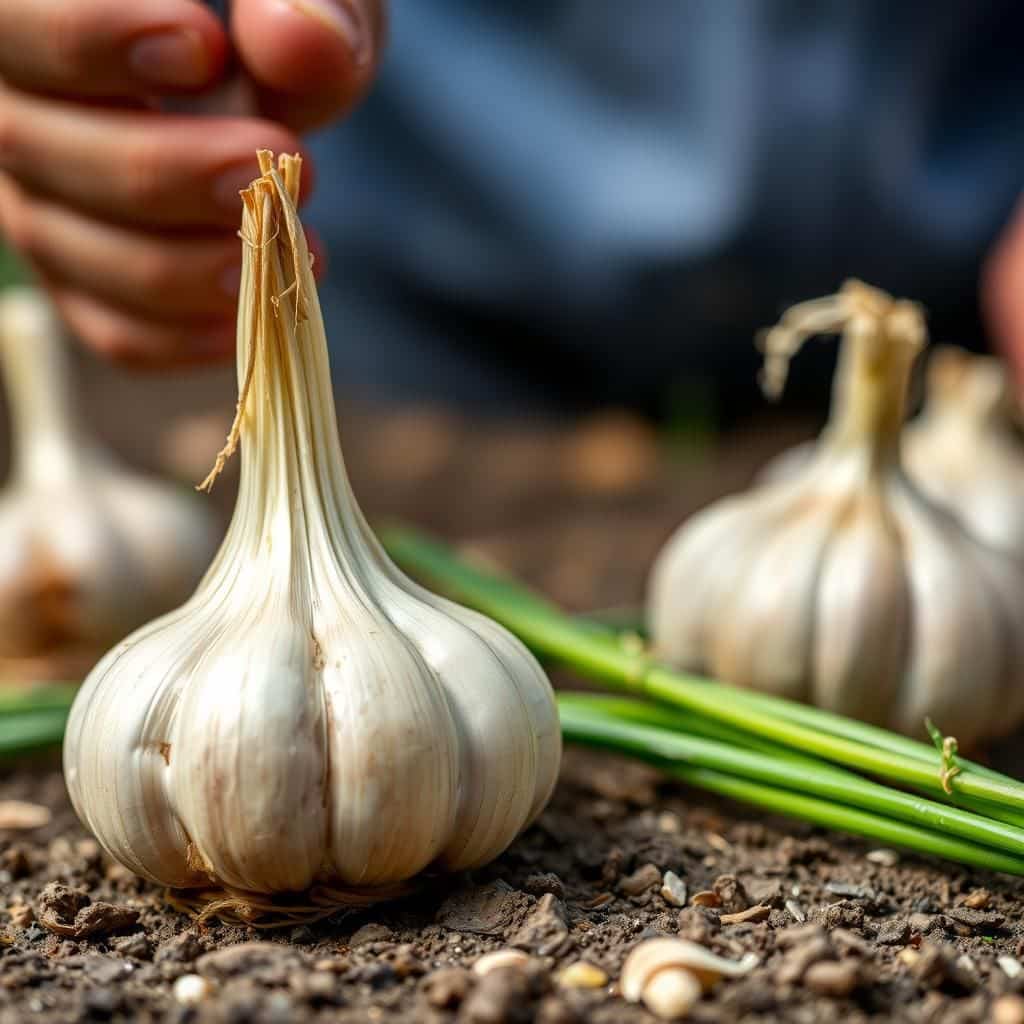
Garlic cultivation is a rewarding endeavor for both novice and experienced gardeners, offering a bountiful harvest that enhances culinary delights. One common question among growers is whether garlic bulbs should be soaked before planting. This practice, often debated, can significantly impact germination and overall plant health. In this article, we will explore the rationale behind soaking garlic cloves, investigate the best practices for garlic cultivation, and share tips to ensure that your garlic plants thrive. Whether you're looking to improve your yield or simply seeking to refine your gardening techniques, understanding these principles is essential for successful garlic growth.
Should Garlic Be Soaked Before Planting?
Soaking garlic before planting is a topic that garners varied opinions among gardeners. While some believe that soaking can help to enhance germination and prepare the cloves for planting, others argue that it may introduce the risk of rot or disease. The main benefit of soaking lies in the potential to stimulate growth by softening the protective skins of the cloves, which can help them break dormancy faster. It’s important to note that if cloves are healthy and planted in well-drained soil, soaking may not be necessary at all. Ultimately, whether to soak or not depends on personal preference and the specific conditions in which the garlic will be planted.
Benefits of Soaking Garlic Cloves
Soaking garlic cloves before planting can provide several advantages. One of the primary benefits is the potential for boosting germination rates. Soaking can aid in softening the clove's outer layer, allowing moisture to penetrate more easily and activate the dormant growth processes. Additionally, soaking can help in eliminating pathogens that may reside on the surface of the cloves, potentially leading to healthier plants. This practice can especially be advantageous in regions with cold or harsh planting conditions, where a head start on growth might make a significant difference.
Risks of Soaking Garlic
Despite the potential benefits, there are risks associated with soaking garlic cloves. One concern is that soaking can lead to rot if the cloves are left submerged for too long or if water accumulates around them. Excess moisture encourages the growth of molds and bacteria, which can compromise the health of the garlic. Furthermore, if the soaking medium is not sanitized, it could introduce new diseases. Therefore, it is crucial to monitor the soaking time and ensure that the process does not create a damp environment that promotes infection.
How to Properly Soak Garlic Cloves
To achieve the best results when soaking garlic cloves, follow a few simple steps. Begin by selecting healthy, unblemished cloves and preparing a solution of water, optionally with a small amount of hydrogen peroxide or baking soda to discourage pathogens. Soak the cloves for about 30 minutes, ensuring they are fully submerged but not languishing in the water for too long. After soaking, it is essential to allow the cloves to dry thoroughly before planting them in well-draining soil, as this minimizes the risk of bacterial infection while ensuring they are primed for growth.
Alternatives to Soaking Garlic
For those hesitant to soak garlic cloves, there are several effective alternatives. One such option is to directly plant the cloves without soaking. This method can be just as successful, particularly if the cloves are of high quality and planted correctly in fertile, well-drained soil. Another alternative is to apply a seed treatment or fungicide specifically designed for garlic, which can mitigate the risk of disease without the use of soaking. Additionally, preparing the soil properly by ensuring it has good drainage can significantly enhance the success of planting without the need for soaking.
When Is Soaking Recommended?
Soaking garlic cloves may be particularly recommended in specific scenarios. For example, gardeners planting in regions with cold winters might benefit from soaking as it can provide a slight advantage in the timing of sprouting. Soaking can also be useful if the garlic has been harvested and stored for a long time, which might cause some cloves to become drier. Benefits may also be seen when planting in poor soil conditions where the seeds might struggle to establish themselves, giving them a brief period of moisture to encourage early growth and enhance their chances of thriving once planted.
| Aspect | Soaking | No Soaking |
|---|---|---|
| Germination Rate | Potentially Increased | Standard |
| Risk of Rot | Higher | Lower |
| Preparation Time | Requires Soaking Time | Immediate Planting |
| Pathogen Control | Aided by Soaking Solution | Depends on Soil Health |
| Optimal Conditions | Cold, Poor Soil | Healthy Cloves, Good Soil |
Is it good to soak garlic in water before planting?
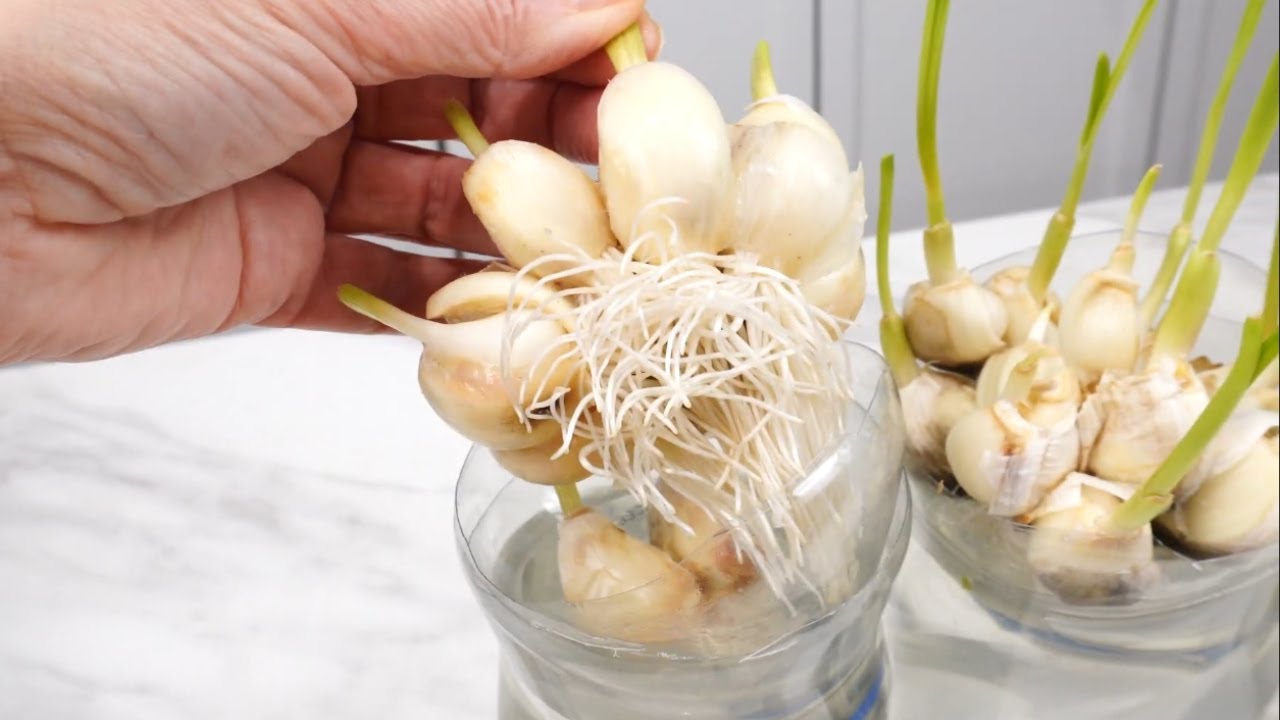
Soaking garlic in water before planting can have both advantages and disadvantages. This practice is often employed by gardeners to stimulate growth, but it is essential to consider various factors before deciding if it is beneficial for your specific situation.
Benefits of Soaking Garlic
Soaking garlic cloves can enhance their germination rate and overall health. Here are some potential benefits:
- Faster Germination: Soaking can help to soften the cloves, allowing moisture to penetrate more quickly and speeding up the germination process.
- Pest and Disease Prevention: Soaking garlic in a solution containing fungicides or insecticides may help to eliminate potential pests or diseases that may affect the cloves.
- Improved Nutrient Absorption: By soaking in water, garlic may be better prepared to absorb nutrients from the soil once planted.
Potential Risks of Soaking Garlic
Despite the potential benefits, there are several risks associated with soaking garlic:
- Root Rot: Extended soaking can lead to waterlogged conditions, which, in turn, may promote root rot and other fungal diseases.
- Reduced Shelf Life: Soaked garlic cloves may have a shorter lifespan compared to dry cloves, affecting their storage durability.
- Overwatering: If not monitored carefully, soaking may result in excessive moisture at planting, leading to poor growth conditions.
Recommended Soaking Duration
When soaking garlic, the duration is crucial for achieving optimal results. Here are some recommendations:
- Short Soak Time: Aim for a soak time of about 30 minutes to 2 hours; this duration is generally sufficient for hydration.
- Avoid Prolonged Soaking: Do not soak for more than 24 hours, as it increases the risk of rot and deterioration.
- Monitoring Cloves: Inspect cloves during the soaking process for signs of wear and tear or increased softness.
Best Soaking Solutions
Selecting the right soaking solution can significantly affect the outcome. Consider the following options:
See also:
- Water: Plain water is effective for simple hydration and improving germination rates.
- Fungicide Solution: A diluted solution can help prevent diseases and protect the cloves before planting.
- Seaweed Extract: This natural solution can enhance nutrient uptake and improve root development.
Garlic Varieties Suitable for Soaking
Not all garlic varieties respond the same way to soaking. Here are some types to consider:
- Hardneck Garlic: Typically benefits from soaking due to its robust growth requirements.
- Softneck Garlic: While it can be soaked, it may not show significant improvement over non-soaked cloves.
- Elephant Garlic: Soaking can help boost early growth in this milder variety.
How do you prepare garlic for planting?
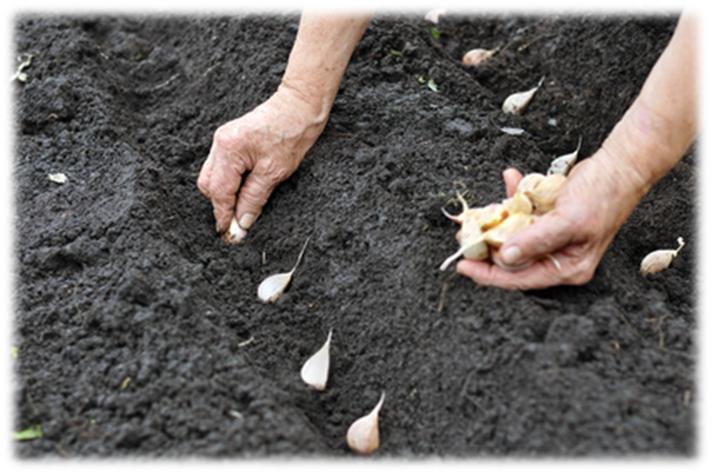
To prepare garlic for planting, follow these essential steps to ensure healthy growth and a bountiful harvest. Garlic is typically planted in the fall or early spring, and the preparation involves selecting the right bulbs, breaking them into individual cloves, and ensuring optimal growing conditions.
Choosing the Right Bulbs
Selecting strong and healthy garlic bulbs is crucial for a successful planting process. Look for bulbs that are firm, tightly wrapped, and free of any signs of mold or damage. When choosing bulbs, consider the following factors:
- Variety: Choose a garlic variety suited to your climate and growing conditions, such as hardneck or softneck garlic.
- Quality: Opt for organic or locally grown garlic to reduce the risk of disease.
- Size: Larger bulbs usually yield larger and healthier cloves, which can lead to better growth.
Breaking the Bulbs into Cloves
Once you have selected your garlic bulbs, the next step is to break them into individual cloves. This process should be done carefully to avoid damaging the cloves. Here are some tips:
- Timing: Do this a day or two before planting to allow the cloves to dry out slightly.
- Handling: Gently break apart the cloves by pressing your fingers just enough to separate them.
- Sorting: Keep the largest and healthiest cloves for planting, as they will produce better yields.
Preparing the Soil
The soil in which you plant garlic must be well-drained and rich in nutrients. Proper soil preparation enhances garlic growth significantly. Follow these steps to prepare the soil:
- Testing pH: Ensure your soil has a pH level between 6.0 and 7.5, ideal for garlic cultivation.
- Add Amendments: Incorporate compost or well-rotted manure to enrich the soil and improve drainage.
- Tilling: Till the soil to a depth of at least 12 inches to aerate it and ensure proper root development.
Planting the Garlic Cloves
Once the soil is prepared, you can proceed to plant the garlic cloves. The depth and spacing of the cloves are vital for optimal growth. Here’s how to plant them:
- Spacing: Plant the cloves 6 to 8 inches apart to prevent overcrowding and competition for nutrients.
- Depth: Plant each clove pointed end up, about 2 inches deep for optimal growth.
- Watering: Water the area after planting to settle the soil around the cloves, but avoid overwatering.
Mulching and Maintenance
After planting, maintain soil moisture and suppress weeds through mulching, which is essential for the healthy growth of garlic. This step includes:
- Applying Mulch: Use straw or shredded leaves to create a 2- to 4-inch layer of mulch over the planting area.
- Monitoring Moisture: Regularly check soil moisture levels, especially in dry periods, to ensure consistent moisture without waterlogging.
- Weed Control: Keep the area free of weeds, as they compete for nutrients and can harbor pests.
What not to do when planting garlic?

When it comes to planting garlic, there are several common mistakes that can hinder the growth and quality of the bulbs. Below is a detailed guide on what not to do when planting garlic, along with relevant subtopics.
1. Not Choosing the Right Garlic Variety
One common mistake is failing to select the appropriate garlic variety for your climate and soil conditions. Different types of garlic, such as softneck and hardneck, thrive in various conditions. To avoid issues, consider the following:
- Research local climates to understand which garlic varieties grow best in your area.
- Consult local growers or gardening clubs for recommendations on successful varieties.
- Consider your culinary needs when choosing between types, such as flavor and storage life.
2. Planting Too Close Together
Crowding garlic cloves can result in stunted growth and smaller bulbs. To ensure healthy development, remember:
- Space garlic cloves at least 4-6 inches apart to allow for proper bulb expansion.
- Maintain rows about 12 inches apart to facilitate airflow and reduce disease risk.
- Avoid planting in clusters which can lead to competition for nutrients and light.
3. Ignoring Soil Quality
The quality of the soil plays a crucial role in garlic cultivation. Neglecting soil health can lead to poor yields. To combat this, ensure that:
See also:
- Conduct a soil test to determine pH and nutrient levels before planting.
- Add organic matter such as compost to improve soil structure and fertility.
- Avoid compacted soil, which can inhibit root growth and water drainage.
4. Incorrect Watering Practices
Water management is vital for garlic health, and improper watering practices can cause significant damage. To avoid issues:
- Avoid overwatering, which can lead to root rot and other fungal diseases.
- Make sure the soil drains well to prevent standing water around the bulbs.
- Water garlic properly during dry spells, keeping soil moist but not soggy.
5. Planting at the Wrong Time
Timing is essential when planting garlic. Planting too late or too early can result in failure to thrive. To optimize your planting schedule:
- Know your local frost dates and plant garlic about 6-8 weeks before the ground freezes.
- Avoid planting in spring unless you’re in a very mild climate; fall is typically the best time.
- Monitor weather conditions to ensure you plant at the right time for a robust growth season.
How long does garlic need to be cold before planting?
Garlic requires a period of cold treatment before planting, typically referred to as vernalization. This process helps to stimulate bulb formation in garlic, ensuring a successful crop. Cold treatment involves exposing garlic cloves to low temperatures for a certain duration before planting them in the ground.
What is Garlic Vernalization?
Vernalization is the process in which certain plants, including garlic, require a period of cold temperatures to flower or develop properly. For garlic, this cold exposure primarily aids in bulb formation.
- Temperature Range: Ideal temperatures for vernalization are usually between 32°F to 40°F (0°C to 4°C).
- Duration: Garlic cloves generally need to be exposed to these cold temperatures for about 4 to 8 weeks.
- Impact on Growth: Proper vernalization can significantly enhance the size and quality of garlic bulbs at harvest.
Why Cold Treatment is Important for Garlic
Cold treatment is crucial for garlic as it helps in triggering physiological processes that lead to bulb development. Without this treatment, garlic may not grow properly and can produce smaller or fewer bulbs.
- Bulb Formation: The cold exposure signals the plant to switch from vegetative growth to bulb development.
- Improved Yield: Garlic that has undergone proper cold treatment typically yields larger and more robust bulbs.
- Resistance to Diseases: Cold-treated garlic is generally more resilient against pests and diseases.
How to Prepare Garlic for Cold Treatment
Preparing garlic for cold treatment involves selecting healthy cloves and ensuring they are stored in the right conditions. Proper preparation is essential to maximize the benefits of vernalization.
- Selecting Cloves: Choose firm, unblemished garlic cloves rather than those that are soft or moldy.
- Storage Conditions: Store the selected cloves in a cool, dry area, ideally in a fridge or a cold basement.
- Timing: Make sure to start the cold treatment at least 4 weeks before the last expected frost in your area.
Best Practices for Planting Garlic After Cold Treatment
Once the cold treatment is complete, it's important to implement best practices for planting garlic to ensure its success. Proper planting will set the stage for a fruitful garlic harvest.
- Soil Preparation: Ensure that the soil is well-draining and rich in organic matter for optimal growth.
- Planting Depth: Plant garlic cloves about 2 inches deep to encourage healthy root development.
- Spacing: Space the cloves approximately 6 inches apart to allow for adequate bulb expansion.
Monitoring Garlic Growth After Planting
After planting garlic, monitoring its growth is essential to ensure that it is developing properly. This will help in identifying any issues that may arise during its growth cycle.
- Watering: Maintain consistent moisture in the soil but avoid overwatering, which can lead to rot.
- Pest Control: Keep an eye out for pests such as aphids and treat them promptly to avoid damage.
- Fertilization: Consider applying a balanced fertilizer as garlic grows, particularly during the early stages.
Questions from Our Readers
Should garlic be soaked before planting?
No, soaking garlic before planting is not necessary. Many gardeners choose to plant garlic cloves directly into the soil without any soaking. However, some believe that soaking can help in enhancing germination by softening the cloves, but it is not a critical step.
What is the benefit of soaking garlic before planting?
Soaking garlic can potentially improve germination rates. By soaking the cloves in water for a few hours, you may help to initiate dormancy breaking, which can result in quicker sprouting once planted in the garden.
How long should I soak garlic before planting?
If you decide to soak garlic, limit it to a maximum of 4-6 hours. Longer soaking times may lead to rot or other issues, so a short soak is ideal for ensuring moisture absorption without compromising the health of the cloves.
Is it better to soak garlic in water or in a solution?
Soaking garlic in a mild solution, such as diluted hydrogen peroxide, can help prevent disease. This method can offer additional benefits by protecting the cloves from fungal infections while still assisting in the initial growth phase.
See also:

If you want to read more articles like Should Garlic Be Soaked Before Planting? Discover the Best Practices for Garlic Cultivation, we recommend you check out our Garlic category.
Leave a Reply
Related Articles