Essential Tips on How to Look After Lilies in the Garden?
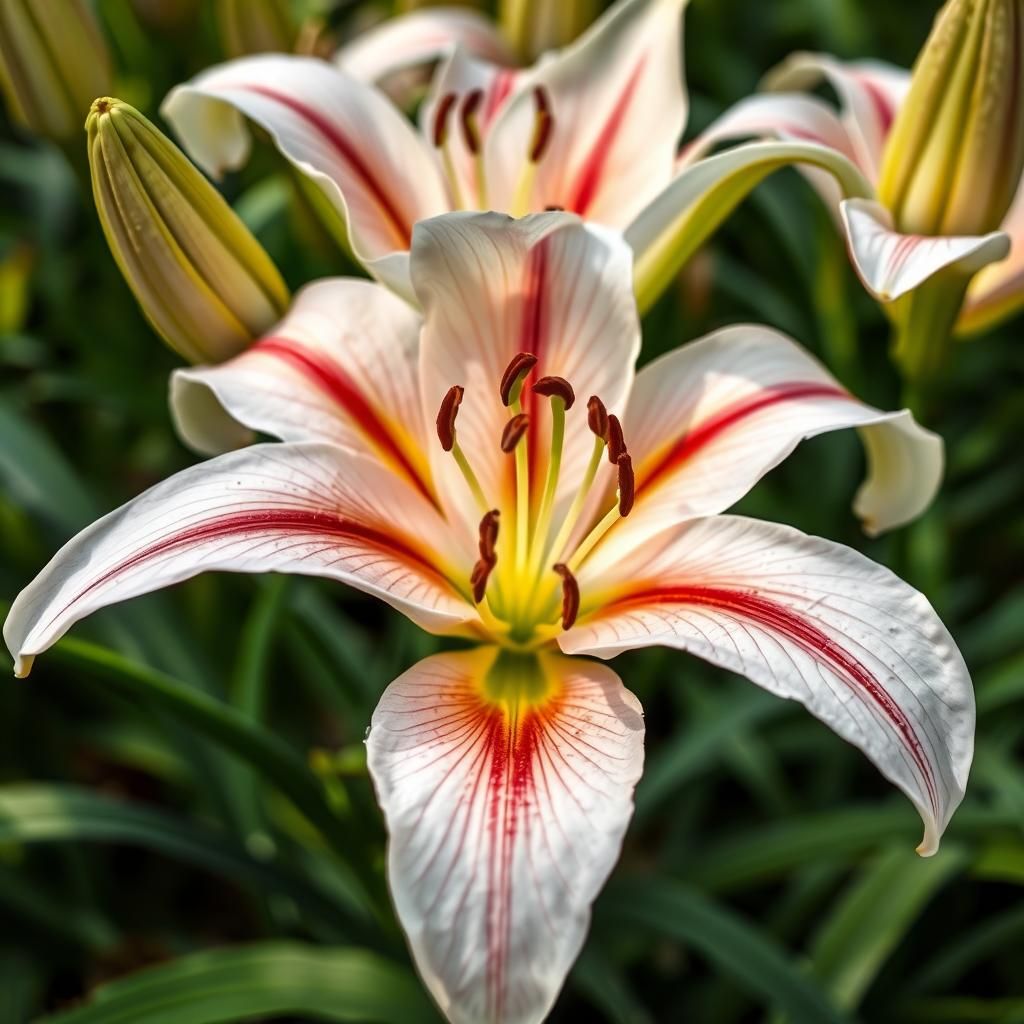
Lilies are a stunning addition to any garden, bringing vibrant colors and delightful scents that elevate the outdoor experience. However, caring for these beautiful flowers requires understanding their specific needs to ensure they thrive. Whether you're a seasoned gardener or a beginner, knowing how to provide the right environment, proper watering, and suitable soil can make all the difference. In this article, we will explore essential tips on how to look after lilies, covering everything from planting techniques to pest management. With the right guidelines, you can enjoy a flourishing lily garden that captivates anyone who visits.
Essential Tips for Caring for Lilies in Your Garden
Caring for lilies in your garden involves several key practices to ensure they thrive and produce beautiful blooms. First, it is crucial to choose the right planting location, as lilies prefer well-drained, nutrient-rich soil in a spot that receives full sunlight for at least six hours a day. Watering should be consistent but not excessive; it's important to keep the soil evenly moist, especially during dry spells. Fertilizing with a balanced fertilizer during the growing season will promote robust growth and flowering. Additionally, regular deadheading of spent flowers encourages more blooms and prevents the plant from exhausting its energy in seed production. Finally, as the growing season ends, applying mulch will help retain moisture and protect the bulbs during winter.
Choosing the Right Location
Selecting the appropriate location for your lilies is vital for their healthy growth. They thrive in areas with plenty of sunlight, ideally receiving at least six hours of direct sunlight daily. The soil should be well-drained to prevent waterlogging, which can lead to bulb rot. Consider a space that is sheltered from strong winds, as this can damage the tall stems of some lily varieties. Testing the soil pH, ideally between 6.0 and 6.8, can also ensure an optimal environment for growth.
Watering Requirements
Effective watering is essential for the health of your lilies. They prefer evenly moist soil without becoming soggy. Water deeply and less frequently, allowing the top layer of soil to dry out between waterings. During extreme heat or dry spells, increase the frequency of watering. To determine if your lilies need water, check the soil moisture about two inches below the surface. Consistent moisture promotes robust root development and helps prevent stress during blooming.
Fertilizing Your Lilies
Proper fertilization is crucial for growing strong and vibrant lilies. Use a balanced, slow-release fertilizer during the growing season, typically every four to six weeks. Choose a product with an N-P-K ratio (Nitrogen, Phosphorus, Potassium) appropriate for flowering plants, often around 10-10-10. Applying fertilizer at planting time can also give lily bulbs a strong start. Excessive fertilization can lead to lush foliage at the expense of blooms, so moderation is key.
See also:
Deadheading and Care After Blooming
Once lilies have finished blooming, regular deadheading is essential to promote further flowering and conserve the plant’s energy. Remove spent flowers before they develop seeds, which will redirect energy back into the bulb for next year’s growth. After blooming, allow the foliage to remain for a few weeks until it yellows; this process helps the plant gather nutrients back into the bulb. Cut back the foliage later in the season and consider applying a balanced fertilizer to support future blooms.
Winterizing Your Lilies
Preparing your lilies for winter involves several steps to ensure their survival through cold months. After the first frost, cut back the stems to ground level but leave the foliage until it dies back naturally. Mulching around the bulbs with organic material like straw or shredded leaves can help insulate them from freezing temperatures, while also retaining soil moisture. In regions with severe winter weather, consider lifting the bulbs and storing them in a cool, dry place until planting in spring.
| Care Practice | Details |
|---|---|
| Location | Full sun, well-drained soil |
| Watering | Even moisture, avoid waterlogging |
| Fertilizing | Use balanced fertilizer every 4-6 weeks |
| Deadheading | Remove spent flowers to encourage new growth |
| Winterizing | Mulch and prepare for frost |
Essential Care Techniques for Healthy Lilies
To ensure the vitality and beauty of your lilies, it is crucial to focus on their environmental needs as well as overall maintenance. Start by selecting the appropriate location, preferably where they receive ample sunlight and have well-drained soil. Regular watering is essential, particularly in dry spells, but be cautious not to overwater, as this can lead to root rot. Additionally, implementing a fertilization schedule using a high-quality bulb fertilizer in early spring aids in robust growth and vibrant blooms. Regular pruning of spent flowers not only improves the aesthetic appeal but also encourages new growth, making your garden a splendid display of color.
Choosing the Right Location
Selecting the ideal location for planting lilies is fundamental for their growth. They thrive in areas that receive full sunlight for at least six hours a day, as this exposure stimulates blooming. The soil should be well-drained to prevent waterlogging, which can cause bulb rot. Additionally, considering the proximity to other plants is vital; companion plants can either support or hinder lily growth, so choose companions that do not overshadow them or compete for nutrients.
Watering Techniques for Lilies
Watering is an essential practice in lily care, particularly during the growing season. Lilies prefer consistently moist soil but should never sit in water, which can lead to fungal infections. It's best to water in the morning, allowing moisture to penetrate the roots before the heat of the day. A layer of mulch can help retain soil moisture and regulate temperature, reducing the frequency of watering and protecting the roots from extreme conditions.
See also:
Fertilization for Optimal Growth
Fertilizing your lilies appropriately can significantly impact their health and flower production. In early spring, apply a balanced fertilizer designed for bulbs, which provides essential nutrients needed for blooming. Following the product's instructions for dosage is critical; too much fertilizer can cause burning, while too little can stunt growth. Additionally, a second application can be beneficial in mid-summer to sustain blooming vitality through the growing season.
Pruning and Deadheading Lilies
Pruning and deadheading are vital components of lily maintenance that enhance their appearance and overall health. Once the blooms begin to wilt, remove them carefully to encourage the plant to redirect its energy into developing new blooms instead of seed production. Cutting back the foliage in the fall after it has died back helps prevent disease and prepares the plant for a vigorous comeback in the next growing season, ensuring the bulbs can store energy effectively for re-emergence.
Pest and Disease Management
Keeping an eye out for common pests such as aphids, slugs, and lily beetles is essential for maintaining the well-being of your lilies. Regular inspection can help catch infestations early, allowing for the use of appropriate organic or chemical treatments to control the problem. Furthermore, ensuring good air circulation around the plants and avoiding excessive moisture reduces the likelihood of diseases like botrytis or mold. Implementing preventive measures, such as rotating crops and maintaining healthy soil, can lead to a robust lily garden.
Questions from Our Readers
How often should I water lilies in the garden?
To keep your lilies healthy, it is essential to water them consistently, especially during dry spells. Aim to water your lilies once a week, ensuring the soil remains moist but not soggy. During particularly hot weather, you may need to increase the frequency of watering.
What type of soil is best for lilies?
Lilies thrive best in well-draining soil that is rich in organic matter. A mixture of loam and sand provides the ideal texture, allowing for adequate drainage while still retaining enough moisture. Adding compost can also enhance the soil's nutrient content for optimal growth.
See also:
How can I protect lilies from pests?
To protect your lilies from common pests such as aphids and lily beetles, it is advisable to regularly inspect your plants. Consider using insecticidal soap or neem oil as a natural pest control method. Additionally, regularly removing any affected leaves can help prevent the spread of infestations.
When is the best time to fertilize lilies?
The best time to fertilize lilies is in early spring as the plants begin to emerge from their dormancy. Use a slow-release fertilizer high in phosphorus to promote strong root development and vibrant blooms. A second application in early summer can further support their growth during the blooming season.

If you want to read more articles like Essential Tips on How to Look After Lilies in the Garden?, we recommend you check out our Flowers category.
Leave a Reply
Related Articles