How Fast Do Petunias Grow? A Complete Guide to Petunia Growth Rates
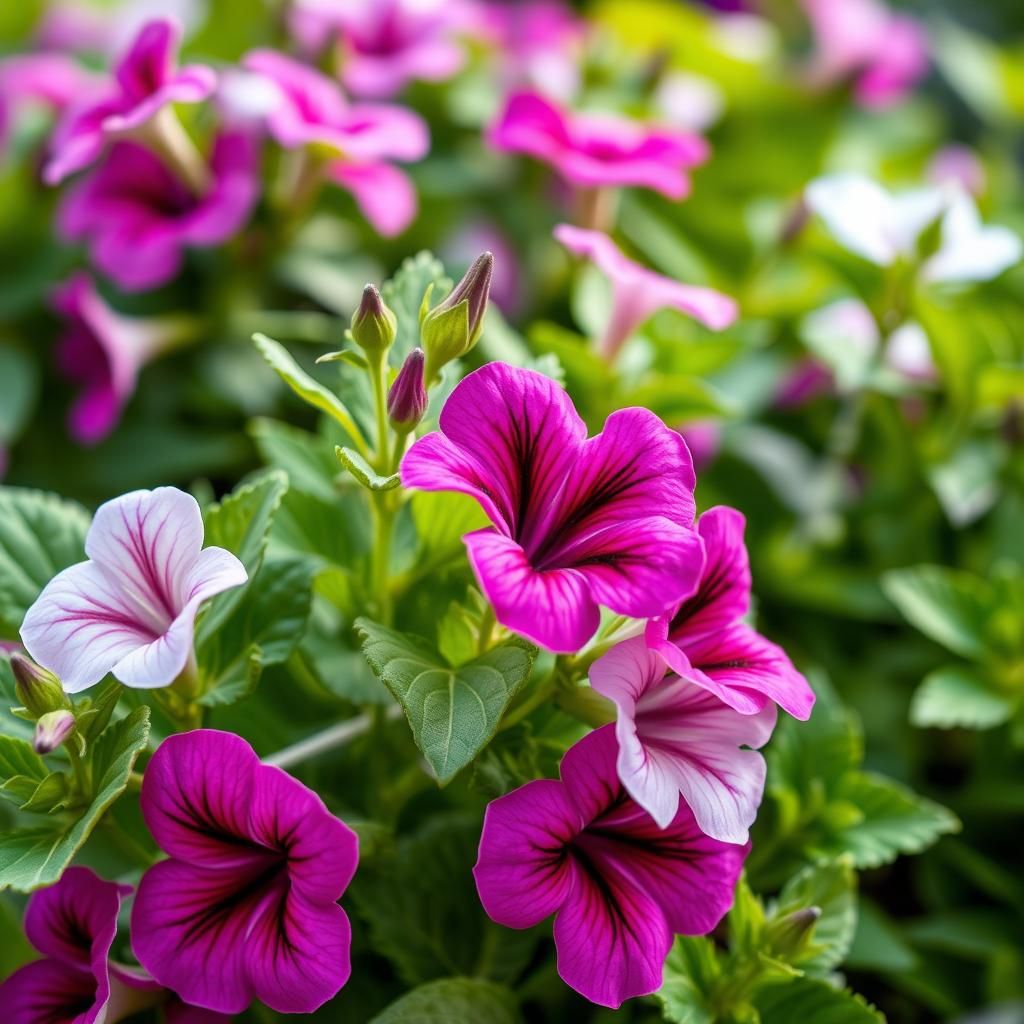
Petunias are a popular choice for gardens and landscapes due to their vibrant colors and long blooming season. Understanding how fast petunias grow is essential for both novice and experienced gardeners looking to optimize their planting and care strategies. This complete guide delves into the growth rates of petunias, covering factors that influence their development, including sunlight, soil quality, and watering techniques. Whether you’re starting from seeds or transplants, knowing what to expect at each stage of growth will help you achieve a lush, colorful display. Join us as we explore the fascinating growth journey of these beloved flowers.
How Quickly Do Petunias Mature?
Petunias are known for their rapid growth, typically taking about 7 to 14 days to germinate from seeds, depending on the environmental conditions such as temperature and moisture. Once germinated, they can grow into substantial plants within 12 weeks, provided they receive adequate sunlight, nutrients, and care. When planted in ideal conditions, you can expect them to produce vibrant blooms shortly after this growth period, making them an attractive choice for gardeners looking for quick color in their landscapes.
Factors Influencing Petunia Growth Rate
Petunias thrive under optimal conditions, which significantly influence their growth rate. Key factors include soil quality, sunlight exposure, and watering practices. Well-drained, nutrient-rich soil promotes faster growth, while exposure to full sunlight for at least 6 hours a day ensures the plants receive the energy needed for robust development. Overwatering or underwatering can hinder growth, underscoring the need for a balanced watering routine.
Germination Process of Petunias
The germination of petunias encompasses several stages, starting with seed absorption of moisture, known as imbibition, and leading to the emergence of seedlings. Typically, petunia seeds will sprout within 7 to 14 days when kept in warm, humid conditions. It is crucial to keep the soil consistently moist during this period to ensure successful germination.
Growth Stages of Petunias
The growth of petunias can be divided into several stages: seedling, vegetative, and flowering. After germination, the seedlings will establish roots and begin to grow leaves during the vegetative stage, which lasts for several weeks. Once the plants are sufficiently mature, they enter the flowering stage, where colorful blooms appear, typically around 12 weeks after planting.
Best Practices for Accelerated Growth
To enhance the growth rate of petunias, gardeners should implement several best practices. Providing consistent watering, ensuring proper fertilization, and applying mulch can help retain moisture, promote healthy root development, and suppress weeds. Regularly deadheading spent flowers can also encourage continued blooming and prolong the plant's overall lifespan.
Average Growth Timeline for Petunias
The average growth timeline for petunias can be summarized as follows: germination takes about 1-2 weeks, followed by the vegetative stage lasting anywhere from 4-8 weeks before they transition to flowering after approximately 12 weeks. Below is a table summarizing the timeline:
| Growth Phase | Timeframe |
|---|---|
| Germination | 7-14 days |
| Vegetative Stage | 4-8 weeks |
| Flowering | 12 weeks |
Do petunias spread quickly?

Understanding Petunia Growth Habits
Petunias are known for their vibrant colors and hardy nature. They can grow quickly under the right conditions, making them a popular choice among gardeners. The key factors influencing their growth include light, soil quality, and water. When planted in well-draining soil and given plenty of sunlight, petunias can reach a mature size within a few months.
- Sun Exposure: Petunias thrive best in full sun, requiring a minimum of 6 hours of sunlight daily.
- Soil Quality: The right soil supports rapid growth; a nutrient-rich and well-draining mix is ideal.
- Watering Practices: Consistent and appropriate watering encourages quicker spreading and healthier plants.
Factors Affecting Petunia Spreading
Several environmental factors can directly impact how quickly petunias spread. These include temperature, humidity, and fertilization. Ideal growing conditions promote vigorous growth, while adverse conditions can stunt their spread.
See also:
- Temperature: Petunias prefer moderate temperatures; extreme heat or cold can hinder their growth.
- Humidity: High humidity levels can encourage faster growth, while low humidity may slow it down.
- Fertilization: Using a balanced fertilizer stimulates growth and supports a more extensive spread.
Petunia Varieties and Their Growth Rates
Different varieties of petunias have varied growth rates and spreading capabilities. Some may spread more quickly than others, depending on their specific characteristics and care requirements. Notably, trailing petunias tend to spread more rapidly than upright varieties.
- Trailing Petunias: These types can cascade and cover large areas quickly, making them ideal for hanging baskets.
- Upright Petunias: These tend to grow taller and are slower to spread compared to their trailing counterparts.
- Hybrid Varieties: Some hybrids are bred for faster growth and more vigorous spreading abilities.
How To Encourage Faster Spreading
To encourage your petunias to spread quickly, certain gardening techniques can be implemented. These include proper pruning, deadheading, and ensuring adequate spacing between plants.
- Pruning: Regularly trimming back the plants promotes bushier growth and quicker spreading.
- Deadheading: Removing spent flowers encourages the plant to focus its energy on spreading and blooming.
- Proper Planting Distance: Ensuring that plants are spaced appropriately allows them to expand without competition for resources.
Common Challenges in Petunia Growth
While petunias are generally resilient, they can encounter challenges that slow their spread. Issues such as pests, diseases, and inappropriate care can significantly impact their growing speed.
- Pests: Common pests like aphids and spider mites can damage plants and slow their growth rate.
- Diseases: Fungal issues can arise in overly wet conditions, hindering a petunia's ability to spread.
- Improper Care: Overwatering or neglecting to fertilize can stunt growth and prevent spreading.
How do I make my petunias grow faster?
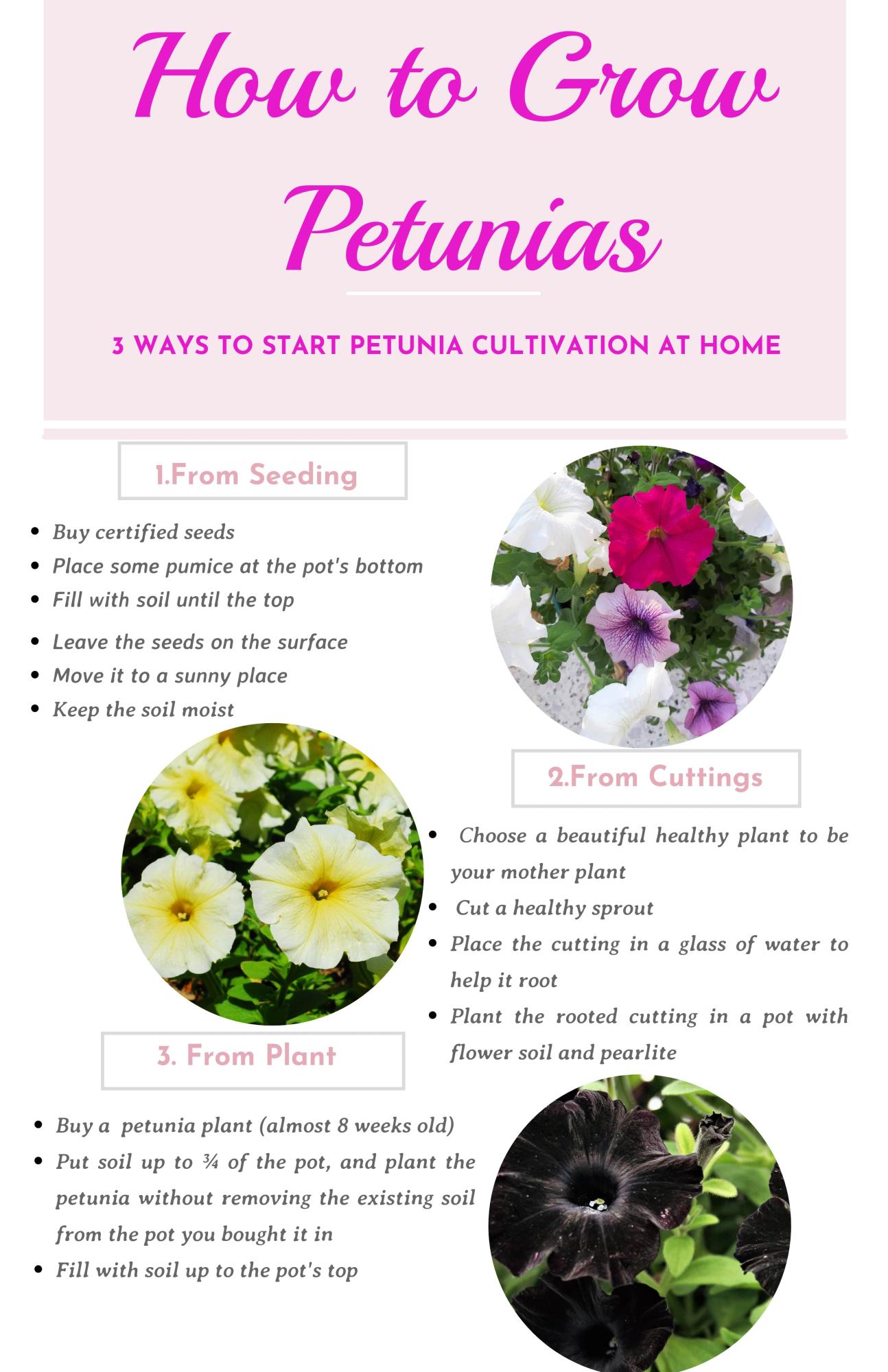
To make your petunias grow faster, consider the following strategies that focus on optimal growing conditions, proper care, and nutrient management. Here are detailed tips that you can implement:
Optimal Light Conditions
Providing sufficient and appropriate light is crucial for the growth of petunias. They thrive in full sun, which means they need at least 6 to 8 hours of direct sunlight each day. Without enough light, they may become leggy and produce fewer flowers.
- Choose a planting location that receives ample morning sun.
- Avoid shaded areas, especially from tall plants or structures.
- If indoor, place them near south-facing windows for maximum sunlight exposure.
Soil Quality and Drainage
The quality of soil plays an essential role in promoting the fast growth of petunias. Well-draining soil ensures that the roots receive the necessary nutrients without drowning in water.
- Use a lightweight potting mix or amend garden soil with organic matter.
- Ensure pots have drainage holes to prevent root rot.
- Consider testing your soil pH; petunias prefer slightly acidic to neutral soil (pH 6.0 to 7.0).
Regular Watering Schedule
Watering is vital to ensure petunias grow healthy and vibrant. However, it is important to find a balance to avoid over or under-watering.
- Water deeply and consistently, allowing the top inch of soil to dry out before watering again.
- Water in the early morning or late afternoon to minimize evaporation.
- Consider using drip irrigation to maintain moisture without oversaturation.
Nutritional Supplements
Feeding petunias with the right nutrients can significantly enhance their growth rate. A balanced fertilizer promotes robust growth and vibrant blooms.
- Use a liquid fertilizer every two weeks during the growing season.
- Choose a fertilizer high in phosphorus to encourage flowering.
- Incorporate slow-release granules into the soil at planting to maintain consistent nutrient supply.
Pest and Disease Management
Keeping petunias free from pests and diseases will help them grow faster and remain healthy. Regular monitoring and early intervention are keys to effective management.
See also:
- Inspect plants weekly for signs of pests like aphids or spider mites.
- Use organic insecticidal soap or neem oil for control when needed.
- Ensure good air circulation around the plants to minimize fungal diseases.
Are petunias fast growers?
:max_bytes(150000):strip_icc()/KaraRiley-10-5e6371888b8a43eb9973aa8ed5cad44f.jpg)
Petunias are known for their rapid growth and ability to bloom prolifically under the right conditions. These popular annual flowers can sprout quickly from seeds and can establish themselves in the planting area in a relatively short time. Generally, petunias begin to germinate within 7 to 14 days when provided with appropriate warmth and moisture. Once established, they continue to grow and produce vibrant flowers throughout the growing season.
Growth Rate of Petunias
Petunias are considered fast-growing plants, often reaching maturity in a few months. Their growth rate can be influenced by several factors:
- Temperature: Petunias thrive in warm temperatures, between 70°F and 80°F (21°C to 27°C).
- Soil Quality: Well-draining, rich soil promotes faster growth.
- Watering Practices: Regular watering encourages quick root development.
Optimal Growing Conditions
For petunias to grow quickly and healthily, specific conditions must be met:
- Sunlight: Petunias require full sunlight, at least 6 hours a day, to grow robustly.
- Fertilization: A balanced fertilizer, applied regularly, can boost their growth and flowering potential.
- Spacing: Proper spacing between plants allows for adequate air circulation and nutrient uptake.
Propagation Methods
Petunias can be propagated in several ways, each affecting their growth speed:
- Seeds: Starting from seeds can be the quickest way to get plants; they germinate rapidly.
- Cuttings: Taking cuttings from established plants can lead to quicker blooming.
- Transplants: Purchasing young plants from nurseries may provide instant bloom without the waiting period.
Common Issues Affecting Growth
Despite being fast growers, petunias can encounter issues that may slow their development:
- Pests: Insects like aphids or spider mites can hinder growth if not controlled.
- Diseases: Fungal infections from overwatering can weaken plants.
- Environmental Stress: Extreme heat or cold can affect their overall growth patterns.
Maintenance for Optimal Growth
Proper maintenance is essential to ensure petunias grow quickly and beautifully:
- Deadheading: Regularly removing spent blooms encourages more flowers to form.
- Watering Schedule: Keeping soil consistently moist but not soggy supports healthy growth.
- Pruning: Lightly trimming can promote bushier plants and increase flower production.
Questions from Our Readers
How fast do petunias grow?
Petunias generally grow quickly, often reaching their full height within 12 to 16 weeks after planting. Under optimal conditions, such as plenty of sunlight and regular watering, you may see blooms as early as 60 days after sowing seeds.
What factors affect the growth rate of petunias?
The growth rate of petunias can be influenced by several factors including light, temperature, soil quality, and moisture levels. Ensuring that these conditions are ideal can significantly enhance the speed of growth.
Do petunias grow faster from seeds or transplants?
Generally, petunias grow faster when using transplants rather than starting from seeds. Transplants are already established and can produce flowers in a shorter time frame compared to growing from seeds.
See also:
Can I speed up the growth of my petunias?
Yes, you can speed up the growth of petunias by providing them with adequate sunlight, maintaining consistent moisture in the soil, and using a balanced fertilizer. These practices encourage healthy growth and more abundant blooms.

If you want to read more articles like How Fast Do Petunias Grow? A Complete Guide to Petunia Growth Rates, we recommend you check out our Flowers category.
Leave a Reply
Related Articles