Do Zinnias Like Sun or Shade? A Complete Guide to Optimal Growing Conditions
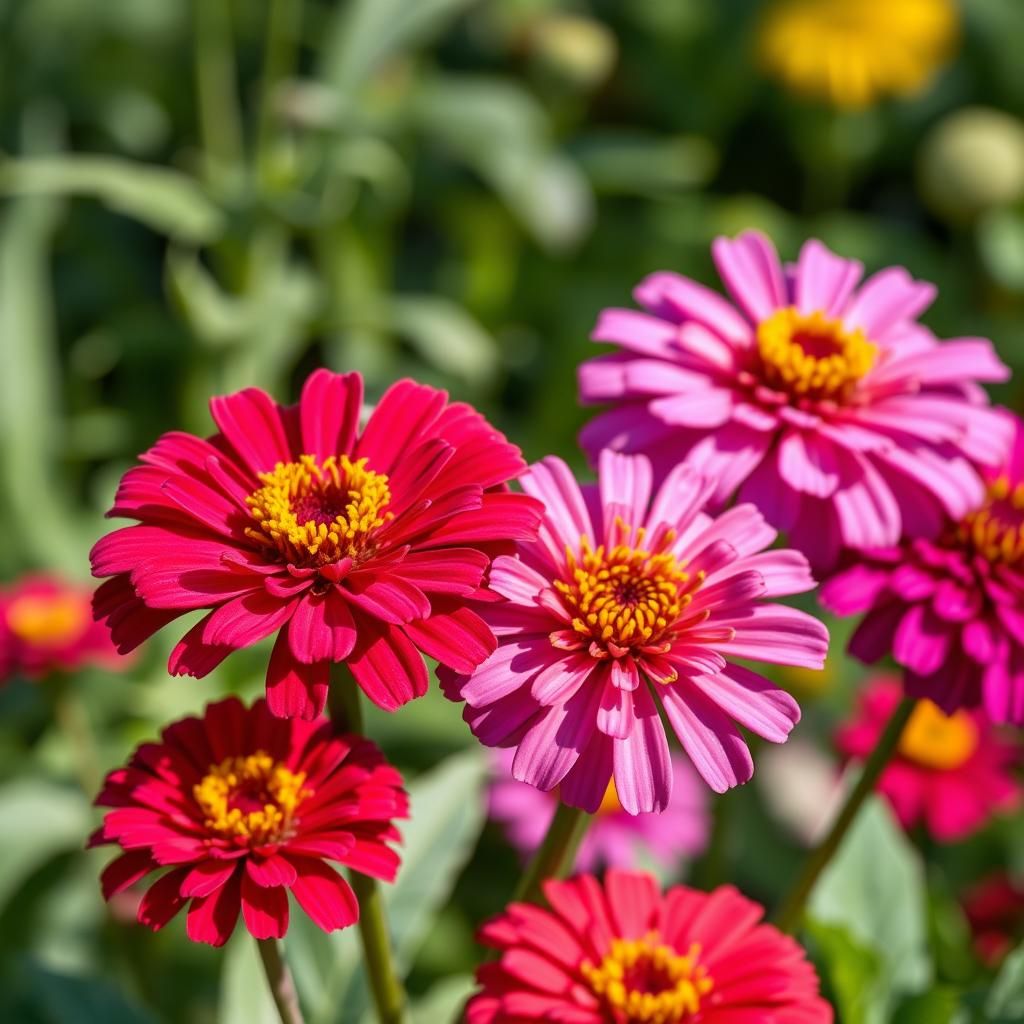
Zinnias are vibrant, easy-to-grow flowers that can add a burst of color to any garden. However, understanding the optimal conditions for their growth is essential for ensuring they thrive. One of the most critical factors to consider is whether zinnias prefer sun or shade. In this complete guide, we will explore the light requirements of zinnias and provide tips on how to create the perfect environment for these stunning blooms. Whether you’re a seasoned gardener or a beginner, this article will help you set your zinnias up for success, ensuring they flourish in your garden.
Do Zinnias Prefer Sun or Shade?
Zinnias are vibrant flowers that truly thrive in full sunlight, making them ideally suited for bright gardens and landscapes. These annuals flourish when they receive at least 6 to 8 hours of direct sunlight daily, which encourages robust growth, abundant flowering, and vibrant colors. Although zinnias can tolerate some partial shade, such conditions may lead to leggy growth and fewer blooms, thus reducing their overall appeal. Ensuring they are planted in well-draining soil with ample sunshine will optimize their development and performance throughout the growing season.
The Importance of Sunlight for Zinnias
Sunlight is crucial for zinnias as it supports the process of photosynthesis, enabling plants to produce the energy needed for growth and flowering. When given the appropriate amount of sunlight, zinnias will exhibit healthier foliage and more prolific blooms, resulting in a colorful display. In shaded environments, however, the plants may struggle to access adequate sunlight, which can inhibit their growth, leading to weak stems and fewer flowers.
Effects of Partial Shade on Zinnias
While zinnias can survive in partial shade, this environment often results in a noticeable decline in their performance. The lack of sufficient sunlight can cause zinnias to grow tall and spindly in an attempt to reach more light, which compromises their structural integrity. Additionally, blooms may become less vibrant and fewer overall, negatively impacting the visual impact of these beautiful flowers in the garden.
Best Planting Conditions for Zinnias
For optimal growth, zinnias should be planted in locations that receive full sun, with the ideal being a minimum of 6 hours of unfiltered sunlight per day. This ensures that the plants can utilize maximum energy for growth and reproduction. Selecting a spot with good air circulation and well-drained soil can significantly enhance the health of zinnias, preventing issues like root rot while providing them with the conditions they need to flourish.
When to Grow Zinnias
Zinnias are typically grown as warm-season annuals and should be planted after the last frost in spring when the weather begins to warm up. They prefer temperatures ranging from 70°F to 90°F (21°C to 32°C), which usually aligns well with full sun conditions. Understanding the growing season in your region will help ensure zinnias receive adequate sunlight and the right temperature for optimal health and blooming.
Watering and Care for Sun-Loving Zinnias
In addition to sunlight, zinnias require consistent watering to maintain their vibrant blooms and healthy growth. While established zinnias are drought-tolerant, they do benefit from regular irrigation, especially during dry spells. It’s important to water at the base of the plant to avoid saturating the leaves, as moisture on foliage can lead to disease. Mulching around the base can also help retain soil moisture while keeping the plant healthy and thriving in sunny locations.
| Sunlight Requirement | Optimal Conditions | Poor Conditions |
|---|---|---|
| 6 to 8 hours of direct sunlight | Full sun, well-drained soil | Partial shade, moist soil |
| Encourages abundant blooms | Healthy foliage | Leggy growth, fewer flowers |
Do zinnias do better in pots or in the ground?
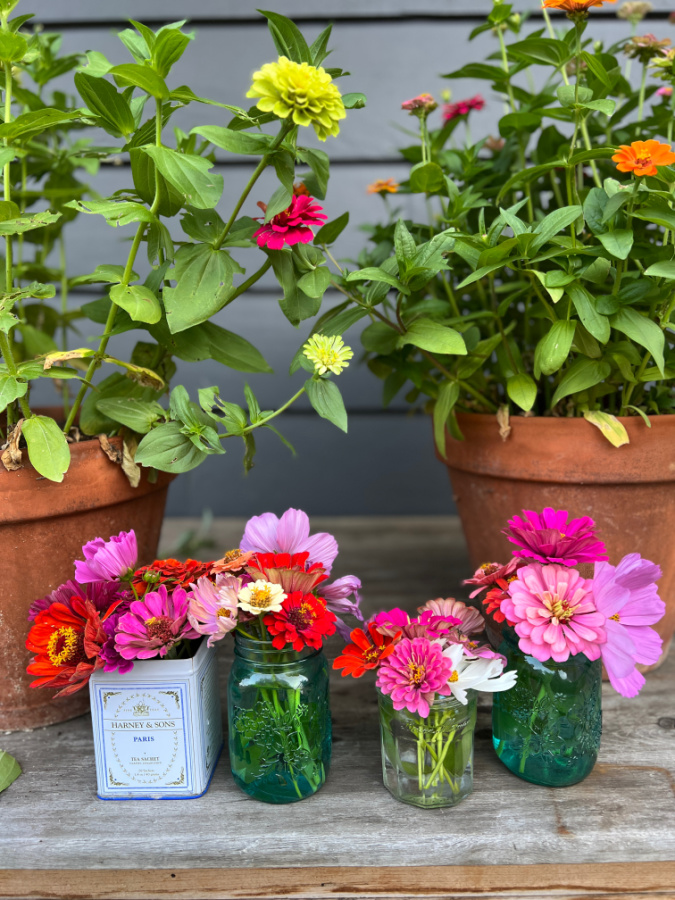

Zinnias can thrive both in pots and in the ground, but their overall growth and health can vary based on several factors.
Soil Quality
The quality of the soil significantly impacts how well zinnias perform.
- Drainage: Zinnias require well-draining soil. In pots, it’s essential to use potting mix that allows excess moisture to escape.
- Nutrients: Garden soil often contains a wealth of organic matter and nutrients that can benefit zinnias more than standard potting mixes.
- Soil Temperature: Ground soil typically maintains a more consistent temperature which can promote better root development compared to pots that may overheat or cool down rapidly.
Space Requirements
Space is a crucial factor when deciding between pots and garden planting.
- Root Development: Zinnias have deep roots; planting them in the ground allows them to spread and grow more robustly than in confined pots.
- Crowding: When grown in the ground, zinnias can be spaced appropriately, minimizing competition which is harder to manage in limited pot space.
- Variety: Different zinnia varieties have varying growth habits; larger varieties may require more space than what pots can provide.
Climate and Environment
The climate and environmental conditions can dictate the success of zinnias whether in pots or in the ground.
- Temperature Fluctuations: Pots can heat up and cool down faster, which may stress zinnias during temperature shifts.
- Sunlight Accessibility: Both pots and ground can have different sun exposure. Zinnias require full sun (at least 6 hours a day), and positioning pots might be more challenging.
- Wind Protection: Inground zinnias may have better protection against wind barriers present in garden settings compared to pots that can be easily blown over.
Watering Needs
Understanding the watering needs of zinnias is essential in both settings.
- Frequency: Pots may dry out faster and need more frequent watering, while ground soil retains moisture for longer periods.
- Root Health: Overwatering can be an issue in pots if drainage isn’t adequate, whereas in the ground, zinnias can access deeper moisture levels.
- Water Quality: Pot water must be checked for minerals that may accumulate, whereas ground water usually has a balanced mineral content.
Mobility and Aesthetics
The mobility and visual appeal of zinnias can influence the decision about their planting location.
- Placement Flexibility: Pots allow for rearranging zinnias to optimize aesthetic appearances and sun exposure.
- Design Opportunities: Using pots enables creative arrangements, such as grouping them by color or height to enhance garden design.
- Seasonal Changes: In harsh climates, pots can be moved to protect zinnias from extreme weather, whereas in-ground plants are susceptible to these conditions.
How many hours of sun do zinnias need?
:max_bytes(150000):strip_icc()/plant-grow-care-zinnias-lead-getty-0623-16c9d94d0a16418781019125c81ecc4f.jpg)
Zinnias thrive best in full sun conditions, requiring at least 6 to 8 hours of sunlight each day for optimal growth and blooming. They are native to the hot climates of Mexico and Central America, making them well-adapted to sunny environments. Adequate sunlight ensures that the plants produce vibrant flowers and maintain their health.
See also:
Optimal Sunlight Conditions
The right amount of sunlight is crucial for zinnias to flourish. Factors such as the location and season may affect how much sunlight a plant receives.
- Direct sunlight: Zinnias should be planted in areas where they can receive direct sunshine.
- Light intensity: Bright, direct sunlight is preferable over filtered sunlight.
- Duration: Aim for a minimum of 6 to 8 hours per day to promote healthy blooming.
Effects of Insufficient Sunlight
Lack of adequate sunlight can lead to several issues for zinnias, affecting their appearance and growth potential.
- Leggy growth: Plants may become stretched out and weak, resulting in poor form.
- Reduced blooms: Fewer flowers or smaller blooms can occur due to inadequate light.
- Increased disease susceptibility: Low light levels can make zinnias more vulnerable to pests and diseases.
Best Locations for Planting Zinnias
Choosing the right spot to plant zinnias can significantly impact their growth and flower production.
- Sunny garden beds: Select areas that receive full sunlight throughout the day.
- Near south-facing walls: These locations can reflect sunlight and provide additional warmth.
- Avoid shaded areas: Stay away from spots near trees or buildings that may block sunlight.
Adjusting Sunlight Exposure
If zinnias are grown in areas that receive too much or too little sunlight, certain adjustments can be made to improve conditions.
- Relocation: Move potted zinnias to sunnier locations if they are currently shaded.
- Trim surrounding plants: Prune nearby plants that may be blocking sunlight.
- Use artificial light: For indoor zinnias, consider using grow lights to supplement natural light.
Seasonal Changes and Sunlight
Understanding how seasonal changes affect sun exposure can help in planning when to plant zinnias.
- Summer: Longer days provide ample sunlight; ensure that plants are not too hot.
- Winter: Short days may limit sunlight; consider a greenhouse if growing indoors.
- Spring and Fall: These seasons have moderate sunlight, ideal for germination and growth stages.
Questions from Our Readers
Do zinnias prefer full sun or partial shade?
Zinnias thrive in full sun, requiring at least 6 to 8 hours of sunlight daily to grow vigorously and produce abundant blooms. While they can tolerate some partial shade, their growth and flowering may be significantly less if they don't receive enough sunlight.
Can zinnias grow in shade?
Zinnias can grow in light shade, but they may not perform as well as when planted in full sun. Insufficient light can lead to leggy plants with fewer flowers, reducing their vibrant displays and overall health.
What are the effects of too much shade on zinnias?
When zinnias are subjected to too much shade, they tend to become stunted and may exhibit slower growth. This lack of adequate sunlight can cause them to have fewer blooms and may even make them more susceptible to diseases due to increased moisture retention.
See also:
How can I ensure my zinnias get enough sun?
To ensure your zinnias receive enough sunlight, plant them in an area that gets ample direct sunlight for most of the day, ideally in a garden bed or pot that faces south or west. Avoid overcrowding and regularly check for any shading from larger plants or structures that could block the sun.

If you want to read more articles like Do Zinnias Like Sun or Shade? A Complete Guide to Optimal Growing Conditions, we recommend you check out our Flowers category.
Leave a Reply
Related Articles