Do Marigolds Grow Better in Pots or in the Ground? A Comprehensive Guide for Gardeners
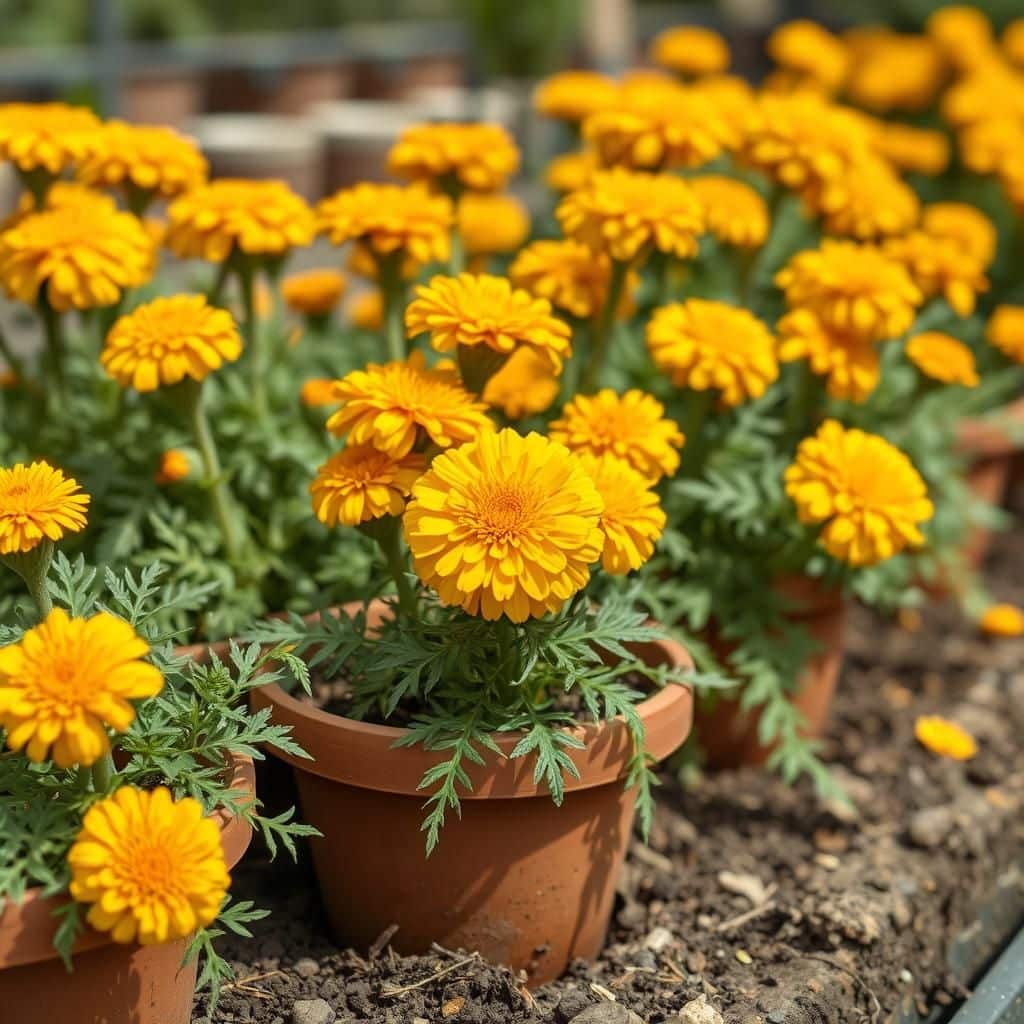
Marigolds are a popular choice among gardeners for their vibrant colors and ability to attract beneficial insects. However, when it comes to cultivating these cheerful blooms, a common dilemma arises: should marigolds be planted in pots or directly in the ground? Each method has its unique advantages and disadvantages, depending on factors like space, soil quality, and climate. In this comprehensive guide, we will explore the variables that influence marigold growth, compare the benefits of potted versus ground planting, and provide expert tips to help you achieve a flourishing marigold garden, regardless of your chosen method.
Do Marigolds Thrive Better in Pots or in the Ground?
Marigolds can grow well in both pots and in the ground, but their performance can vary based on several factors. When planted in pots, marigolds benefit from easy mobility, regulated soil conditions, and drainage control, making them suitable for small spaces or patios. On the other hand, planting marigolds in the ground allows them to establish deeper root systems, access more nutrients, and potentially produce more blooms if given adequate sunlight and care. Ultimately, the best choice depends on your gardening resources, space availability, and desired growth outcomes.
Benefits of Planting Marigolds in Pots
Planting marigolds in pots offers several advantages, particularly for those with limited garden space. Container gardening allows for customizable soil mixes that can enhance drainage and nutrition levels. Additionally, pots can be moved around to ensure that marigolds receive adequate sunlight throughout the day, which is crucial for their growth. This flexibility also helps in protecting the plants from harsh weather conditions or pests, providing a controlled environment for a vibrant display of color.
Advantages of Growing Marigolds in the Ground
Growing marigolds in the ground can lead to stronger, more robust plants due to the space available for root expansion. When planted in the ground, marigolds can access a larger quantity of nutrients directly from the soil, leading to potentially higher flower yields. Additionally, plants grown in the ground may better withstand fluctuations in temperature and moisture levels, helping them thrive throughout the growing season. This method also encourages the development of beneficial soil microorganisms that assist in the overall health of the plants.
Soil Requirements for Pot-Grown Marigolds
The ideal soil for pot-grown marigolds should be well-draining and rich in organic matter. A mix of potting soil, compost, and perlite can provide the necessary drainage and aeration. Additionally, a slightly acidic to neutral pH (around 6.0 to 7.0) is preferred for optimal nutrient uptake. Regularly checking and amending the soil as necessary can help ensure that the marigolds have a healthy environment to flourish. Keeping the soil consistently moist, but not waterlogged, is key to preventing root rot and other diseases.
See also:
Soil Conditions for Ground-Grown Marigolds
For marigolds planted in the ground, the soil should be well-drained and enriched with organic matter, such as compost or well-rotted manure. A sunny location that offers at least 6-8 hours of direct sunlight per day is ideal, as marigolds thrive in bright conditions. The soil pH should ideally range from 6.0 to 7.0 to facilitate nutrient absorption. Regular maintenance, such as mulching to retain moisture and suppress weeds, can further enhance the growing conditions for marigolds, promoting robust health and abundant blooms.
Comparison of Pot vs. Ground Growth Conditions
| Condition | Pots | Ground |
|---|---|---|
| Mobility | Easy mobility for light and temperature adjustments | Fixed location |
| Soil Drainage | Control over drainage; can prevent waterlogging | Natural drainage; risk of poor drainage in heavy soils |
| Nutrient Access | Limited to soil volume in container | Access to larger soil nutrient reservoir |
| Root Growth | Restricted root system | Deep and expansive root system |
| Temperature Control | More easily controlled in pots | Exposed to natural temperature variations |
Assessing Soil Quality for Marigold Growth
When deciding whether marigolds grow better in pots or in the ground, the quality of the soil plays a crucial role. In the ground, marigolds can benefit from the natural nutrients and microbial life present in native earth, which promotes healthy root development and vibrant blooms. However, potting soil can be tailored specifically for marigolds, offering superior drainage and fertility that can enhance growth, particularly in areas with poor ground quality. Ultimately, both options have unique advantages, but selecting the right soil type is vital for achieving productive and visually striking marigolds regardless of location.
Understanding Drainage Requirements for Marigolds
Marigolds thrive best with adequate drainage to prevent waterlogging, which can lead to root rot. In pots, choosing containers with multiple drainage holes is essential to facilitate excess water escape. Soil composition in pots can also be modified to include perlite or sand for improved drainage. In contrast, planting marigolds in the ground typically requires ensuring that the site has well-draining soil, which may necessitate amendments such as organic matter or raised beds to enhance drainage conditions.
Evaluating Sunlight Exposure for Optimal Growth
Both potted and ground-planted marigolds require full sun to flourish, ideally receiving at least six to eight hours of sunlight daily. However, pots can be easily repositioned to accommodate changing sunlight patterns throughout the day or to optimize light exposure in case of nearby shade from trees or buildings. In contrast, marigolds planted in the ground must be situated carefully to avoid areas where overhanging branches or structures might obstruct light, affecting their growth potential.
Comparing Pest and Disease Management Strategies
Pests and diseases can impact marigolds regardless of whether they are grown in pots or in the ground. However, potting plants can make it easier to monitor for issues since pot placement can be strategically selected away from infestations in the garden. In contrast, ground-planted marigolds may face challenges due to soil-borne diseases and pests present in the surrounding earth. Organic solutions such as neem oil or companion planting with pest-repelling herbs can be effective in both scenarios, but the management approach may vary depending on the planting method.
See also:
Assessing Watering Needs for Container vs. Ground Marigolds
Watering practices differ significantly between potted and ground-planted marigolds. Container-grown marigolds typically require more frequent watering, as the soil in pots tends to dry out faster compared to ground soil. It's crucial to check moisture levels regularly and ensure pots have drainage to prevent overwatering. In contrast, ground-planted marigolds may require a more tailored watering regime, particularly during dry spells, as their moisture needs can fluctuate based on precipitation and soil composition, emphasizing the need for careful observation.
Considering Mobility and Space Constraints
One of the advantages of growing marigolds in pots is the mobility they offer. Gardeners can easily relocate pots to optimize light exposure or alter garden design. This is particularly beneficial in smaller spaces or for gardeners who wish to transplant marigolds seasonally. Ground plants, while more stable in their placement, require more dedicated ground space and can be more difficult to manage in terms of aesthetics or convenience. Understanding the spatial limitations of your environment can help in making the best choice for your marigold growth strategy.
Questions from Our Readers
Do marigolds grow better in pots or in the ground?
Marigolds can thrive in both pots and ground, but growing them in pots allows for better control over soil quality and drainage. If the soil conditions are not ideal in the garden, container planting can yield healthier plants.
What are the benefits of growing marigolds in pots?
Growing marigolds in pots offers several benefits, including mobility, allowing you to move them for optimal sunlight or protection from adverse weather. Additionally, you have more control over their watering and can easily manage pests and diseases.
Can marigolds be grown in small pots?
Yes, marigolds can be grown in small pots, but it’s essential to ensure they have adequate drainage and room for root growth. Smaller pots may require more frequent watering and should ideally contain fast-draining potting mix.
See also:
Do marigolds require a specific type of soil whether in pots or in the ground?
Yes, marigolds prefer well-draining soil, whether planted in pots or in the ground. A mix that includes organic matter will help retain moisture while preventing root rot, promoting overall plant health.

If you want to read more articles like Do Marigolds Grow Better in Pots or in the Ground? A Comprehensive Guide for Gardeners, we recommend you check out our Flowers category.
Leave a Reply
Related Articles