“Do Marigolds Come Back Every Year? Understanding Their Growth Cycle and Care Tips”
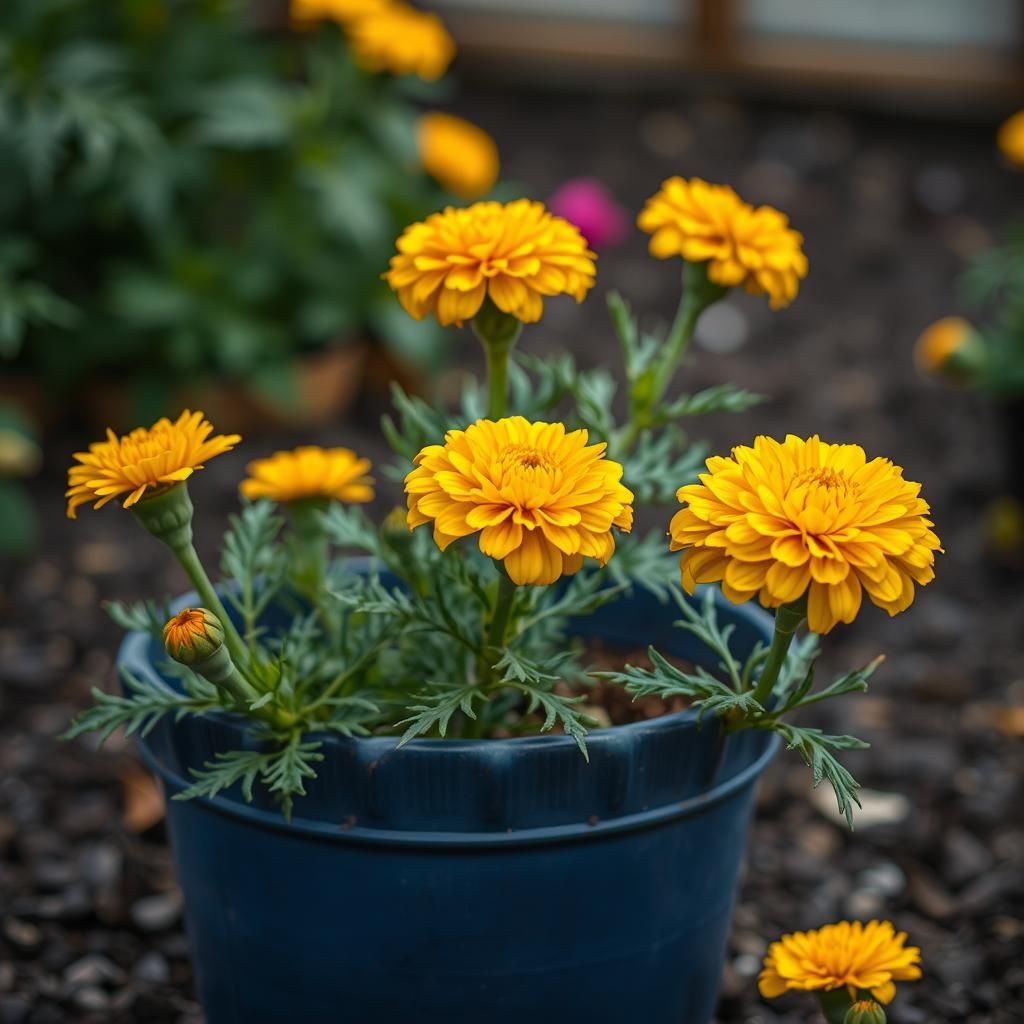
Marigolds are a popular choice for gardeners, known for their vibrant colors and ability to attract beneficial pollinators. However, a common question arises: do marigolds come back every year? Understanding their growth cycle is essential for anyone looking to maintain a flourishing garden. In this article, we will explore the different types of marigolds, their annual or perennial nature, and essential care tips to ensure they thrive. Whether you're a seasoned gardener or a novice, knowing how to care for marigolds will enhance your gardening experience and help you enjoy their beauty season after season.
Do Marigolds Come Back Every Year?
Marigolds are typically classified as annual plants, which means they complete their life cycle within one growing season and do not come back year after year. However, it’s important to note that some varieties of marigolds, particularly the perennial kinds like the Tagetes erecta, can survive in warmer climates and may return if the conditions are right. In most regions, gardeners often treat marigolds as annuals because they are sensitive to frost and cannot endure colder temperatures. To encourage more blooms, many gardeners replant marigold seeds each season, taking advantage of their vibrant colors and ability to repel pests.
What Are Annual Marigolds?
Annual marigolds, such as French and African marigolds, are renowned for their bright, colorful blooms and vibrant presence in gardens. They thrive in warm weather and typically bloom from spring through fall. Since they are programmed to complete their life cycle within a single season, these marigolds must be replanted each year to continue appearing in gardens. They are favored for their ease of care and ability to attract pollinators while deterring specific pests.
When Do Marigolds Bloom?
Marigolds generally bloom from late spring until the first frost of fall. The blooming period can vary somewhat depending on the specific variety and the growing conditions, but most gardens will see these flowers begin to show color by late May or early June. Gardeners can enjoy constant blooms throughout the warm months, making marigolds a popular choice for vibrant seasonal displays and as companion plants in vegetable gardens.
How to Care for Marigolds?
Caring for marigolds involves providing them with full sunlight (at least six hours a day) and well-drained soil. Regular watering is essential, especially during dry spells, but it’s crucial not to overwater as this can lead to root rot. Fertilization is generally not necessary, as marigolds thrive in moderately fertile soil. Deadheading spent blooms will encourage the plants to produce new flowers throughout the season, prolonging their life as an annual in your garden.
See also:
Can Marigolds Survive Winter?
In most regions, marigolds cannot survive the winter due to their sensitivity to cold temperatures and frost. However, in warmer climates (like USDA Zones 8-11), some marigold species may endure the winter months if protected from frost and extreme conditions. Gardeners can take precautions such as applying mulch or covering the plants during cold nights to improve their chances of returning in the spring, though this is not guaranteed.
How to Propagate Marigolds for Next Year?
To ensure a garden continues to feature marigolds in the following season, gardeners often choose to collect seeds from their existing plants at the end of the blooming season. Once the flowers have wilted and dried, the seeds can be harvested, kept in a cool, dry place, and then planted in the spring when the temperatures warm up. This process allows individuals to enjoy their favorite marigold varieties again without needing to purchase new plants each year.
| Marigold Type | Annual/Perennial | Typical Bloom Period |
|---|---|---|
| French Marigold | Annual | Late Spring to Fall |
| African Marigold | Annual | Late Spring to Fall |
| Tagetes Erecta | Perennial (in warm climates) | Late Spring to Fall |
Understanding the Lifespan of Marigolds
Marigolds are annual plants, meaning they complete their life cycle within a single growing season, typically from spring to frost. While they do not come back every year like perennials, their seeds can germinate and grow into new plants if left to self-seed in the garden. Gardeners can prolong the life of marigolds by carefully managing their growth cycle, which includes providing the right amount of water, sunlight, and nutrients to ensure they thrive during their single blooming season.
Life Cycle of Marigolds
The life cycle of marigolds consists of several stages: germination, growth, flowering, and seed production. Upon germination, seeds sprout and develop into seedlings with green leaves, followed by vigorous growth. As they mature, marigolds produce vibrant flowers, which attract pollinators and are essential for seed production. This cycle usually spans from spring to fall, with a life expectancy of around 3 to 6 months, depending on growing conditions.
Planting and Care Requirements
To ensure healthy growth, marigolds require full sunlight and well-drained soil. Planting them in nutrient-rich soil and maintaining a consistent watering schedule will help promote blooming. Additionally, regular deadheading—removing spent flowers—can encourage further flowering and enhance the plants' overall appearance. Providing adequate fertilization during the growing season can also support their robust development.
See also:
Self-Seeding and Resilience
Marigolds can produce abundant seeds that may self-seed in the garden, allowing new plants to emerge in the following spring. This natural *regeneration* means even if the original plants die due to frost, there is a possibility of new marigolds sprouting from seeds left in the soil. This process highlights their resilience and ability to adapt, making them a popular choice for gardeners who prefer low-maintenance flowers.
Environmental Factors Affecting Growth
Environmental factors such as temperature, moisture levels, and soil quality significantly influence marigold growth. Marigolds thrive in warm weather and should be planted after the risk of frost has passed. In areas with extreme heat or drought, they may need additional watering to maintain their vigor. Conversely, excessive moisture or poor drainage can lead to root rot, which negatively impacts their health and flowering potential.
Varieties of Marigolds
There are several varieties of marigolds, each with unique characteristics. French marigolds (Tagetes patula) are often smaller and bushier, while African marigolds (Tagetes erecta) tend to be taller with larger blooms. Choosing the right variety for your garden can enhance overall aesthetics and adapt better to specific growing conditions. Understanding these distinctions can help gardeners make informed decisions about which marigolds will thrive and look best in their landscapes.
Questions from Our Readers
Do marigolds come back every year?
No, marigolds are typically annuals, which means they complete their life cycle in one growing season and do not come back the following year. However, in some warmer climates, they may self-seed and new plants can appear.
Can marigolds be perennials?
While most marigolds are annuals, there are some varieties, like the Tagetes lucida, which can behave like perennials in warmer climates. They may survive through the winter and return the next year.
See also:
How do marigolds self-seed?
Marigolds can self-seed when their flowers mature and drop seeds in the fall. If conditions are right, those seeds may germinate the following spring, resulting in new marigold plants for the garden.
What conditions support marigold regrowth?
To support marigold regrowth from self-seeding, the soil must remain undisturbed, and the seeds need adequate moisture and sunlight. They thrive in well-drained soil and should be planted in a sunny location to encourage growth.

If you want to read more articles like “Do Marigolds Come Back Every Year? Understanding Their Growth Cycle and Care Tips”, we recommend you check out our Flowers category.
Leave a Reply
Related Articles