How Long Does It Take for Daylilies to Rebloom? A Complete Guide to Timing and Care
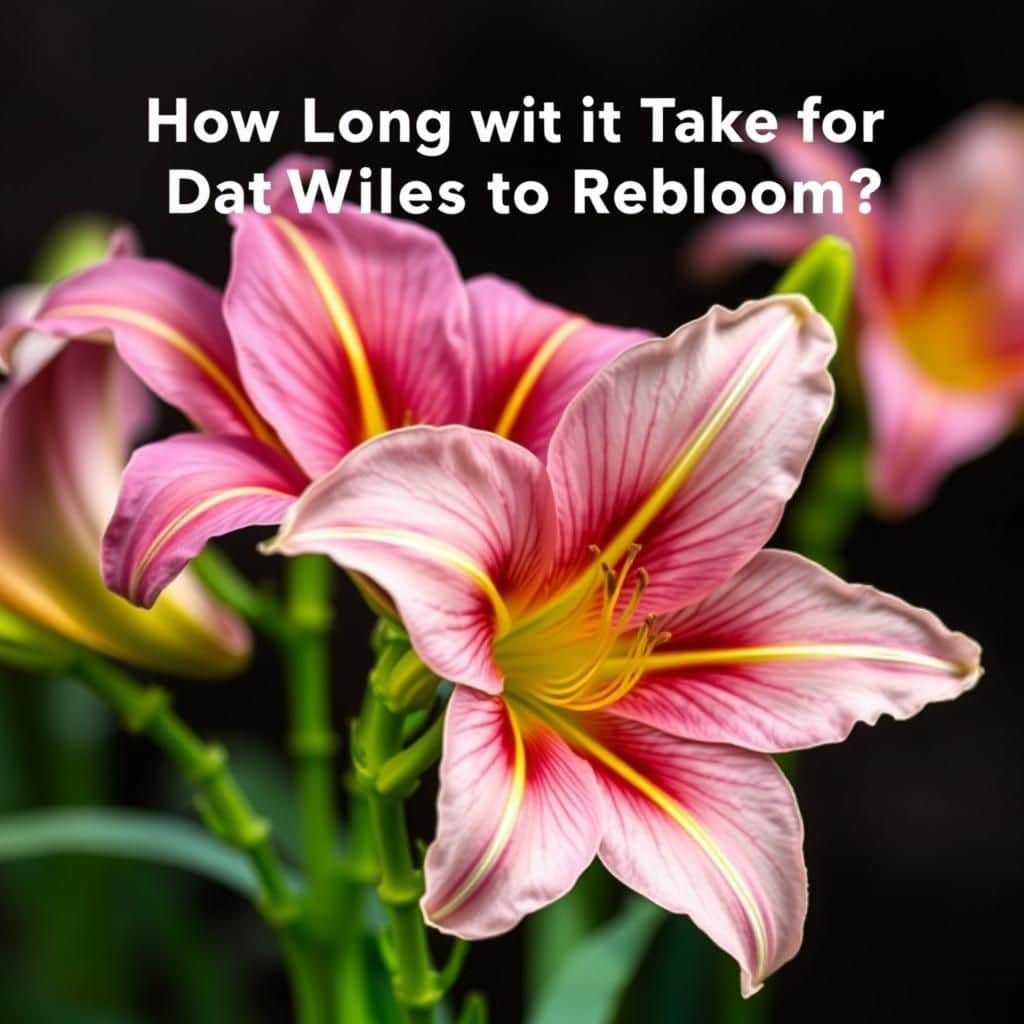
Daylilies are a popular and resilient addition to any garden, known for their vibrant blooms and ability to thrive in various conditions. However, understanding their reblooming cycle can be challenging for many gardeners. This complete guide explores the timing and care essential for daylilies to rebloom effectively. By delving into factors such as climate, soil conditions, and proper maintenance, we aim to provide you with the knowledge needed to maximize the beauty of your daylily plants. Whether you're a seasoned gardener or a novice, this guide will help you ensure your daylilies flourish throughout the growing season.
How Long Does It Take for Daylilies to Rebloom?
Daylilies are known for their stunning blooms, but the timing of their rebloom can vary based on several factors. Generally, after the initial flowering period, daylilies can take anywhere from 6 to 8 weeks to rebloom. This timeframe depends on the specific variety of daylily, local climate conditions, and how well the plants are maintained. Regular deadheading, which involves removing spent flowers, can encourage faster reblooming by redirecting energy back into the plant. Additionally, ensuring adequate water, sunlight, and nutrient supply plays a crucial role in the health and flowering cycle of daylilies.
Understanding the Blooming Cycle of Daylilies
The blooming cycle of daylilies typically occurs in the summer, often lasting about 3 to 4 weeks per bloom cycle. After the initial bloom, many varieties will go dormant, allowing them to store energy for future flowering. The exact duration of the dormant period can influence when the flowers will rebloom. Gardeners should be aware that some daylily hybrids might bloom multiple times within a growing season, while others may only produce flowers once, which impacts the reblooming timeline.
Factors Affecting Reblooming Time
Several key factors influence how quickly daylilies will rebloom. Weather conditions, such as temperature and humidity, play a significant role; for instance, excessive heat or dryness can hinder flower production. Similarly, the variety of daylily can affect bloom times; some are bred specifically for multiple flushes of blooms, while others may require longer recovery. Additionally, the health of the plant, including root system development and access to nutrients, will dictate how rapidly they can produce new flowers.
The Role of Deadheading in Reblooming
Deadheading, or the process of removing spent flowers, is essential in promoting quick reblooming for daylilies. By eliminating old blooms, gardeners help the plant conserve energy and redirect it towards new growth and blooms. This simple maintenance task not only encourages reblooming but also prevents the plant from expending energy on seed production. Ideally, deadheading should be done regularly during the blooming season to maximize the aesthetic appeal of the garden.
Optimal Growing Conditions for Daylilies
To encourage the best reblooming potential, daylilies thrive in specific growing conditions. They prefer well-drained soil rich in organic matter, along with full sunlight exposure for at least 6 to 8 hours a day. Adequate watering is also critical; daylilies do well with moist soil but must avoid waterlogged conditions. Fertilizing with a balanced fertilizer in early spring and midsummer can provide the necessary nutrients to support blooming and overall plant health.
Common Daylily Varieties and Their Reblooming Times
Different daylily varieties exhibit unique reblooming abilities. For example, the 'Stella de Oro' is renowned for its prolific flowering, reblooming several times throughout the summer. Other types, such as 'Happy Returns', also offer extended flowering periods, while less prolific varieties might only rebloom once. Understanding these differences can help gardeners choose the appropriate varieties that align with their expectations for continuous blooms.
| Daylily Variety | Reblooming Time | Notes |
|---|---|---|
| Stella de Oro | Every 4-6 weeks | Very prolific, hardy variety |
| Happy Returns | Every 5-7 weeks | Bright yellow blooms, reliable rebloomer |
| Chicago Apache | Every 6-8 weeks | Rich red flowers, good performer |
| Spacecoast Radiance | Every 6-8 weeks | Vibrant bicolor blooms |
| Tuscan Sun | Every 5-7 weeks | Sunny disposition, multiple flushes |
How do you get reblooming daylilies to rebloom?
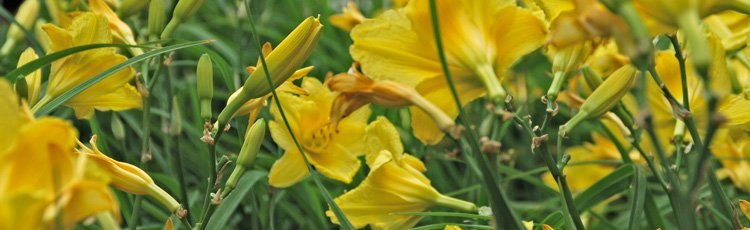

To encourage reblooming in daylilies, specific care practices must be followed. Here are comprehensive steps and considerations to help achieve continuous blooming from these beautiful plants.
Understanding Reblooming Daylilies
Reblooming daylilies are specifically bred to produce flowers multiple times throughout the growing season. To ensure these plants thrive and continue to bloom, it's essential to understand their characteristics and care requirements. The key factors influencing their reblooming capabilities include:
- Hybrid Varieties: Choose the right hybrids that are known for reblooming, such as 'Stella de Oro' or 'Happy Returns'.
- Temperature: Daylilies respond well to temperature changes, as warm days and cool nights often trigger new blooms.
- Growth Cycle: Familiarize yourself with the growth cycle of your specific variety to optimize blooming times.
Proper Soil Conditions
The soil conditions play a critical role in the blooming of daylilies. They thrive best in well-drained soil that retains some moisture but doesn't become waterlogged. Nutrient-rich soil can promote healthy growth and more frequent blooms.
- Soil pH: Aim for a slightly acidic to neutral pH (6.0 to 7.0) to encourage optimal growth.
- Fertilization: Use a balanced, slow-release fertilizer in early spring to provide essential nutrients when they start growing.
- Aeration: Ensure good soil aeration by avoiding compaction around the plants, which can hinder root development.
Watering Techniques
Watering is crucial for the healthy growth of daylilies. Insufficient or excessive water can affect their ability to bloom repeatedly.
- Consistency: Maintain consistent moisture by watering regularly, especially during dry spells, but avoid overwatering.
- Deep Watering: Water deeply but infrequently to encourage deep root growth.
- Mulching: Apply mulch to retain soil moisture and regulate temperature, which helps support consistent blooming.
Deadheading and Pruning
Regular maintenance, such as deadheading and pruning, is essential for stimulating further blooms in daylilies.
- Deadheading: Remove spent flowers regularly to encourage the plant to focus energy on producing new blooms.
- Cutting Back: In late summer or early fall, prune back dead leaves and flower stalks to promote new growth in the next season.
- Monitoring Pests: Keep an eye out for pests that may damage the foliage and flowers; prompt removal is vital for plant health.
Sunlight Requirements
The amount of sunlight that daylilies receive greatly influences their blooming potential. Most daylilies prefer full sun, but some may tolerate partial shade.
- Full Sunlight: Aim for at least 6 to 8 hours of direct sunlight per day for maximum blooming performance.
- Location: Choose a planting site that receives ample sunlight while avoiding areas with excessive shade from trees or buildings.
- Seasonal Shifts: Adjust care routines to seasonal sunlight changes, ensuring that the plants receive adequate light throughout the year.
Do daylilies rebloom all summer?
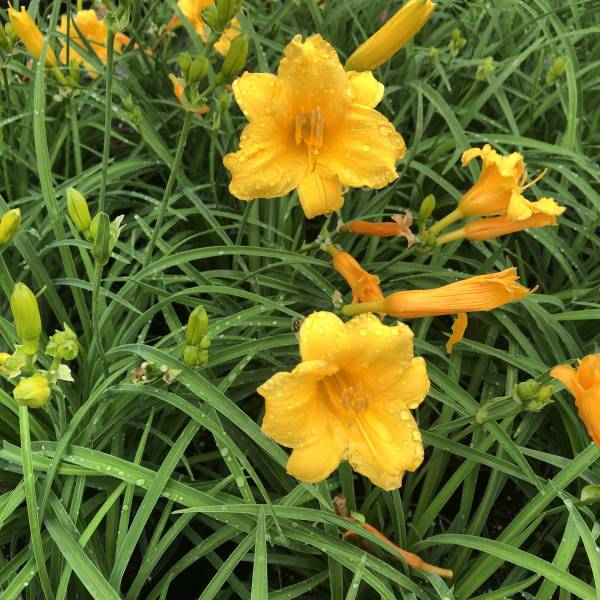
Daylilies, belonging to the genus Hemerocallis, are popular perennials known for their vibrant and varied blooms, but their reblooming capabilities depend on several factors. Generally, traditional varieties of daylilies bloom once during their growing season, typically for about 3 weeks. However, many modern cultivars have been developed to exhibit reblooming characteristics, enabling them to produce flowers throughout the summer.
See also:
Understanding Daylily Blooms
Daylilies, despite their name, are not true lilies. Their blooms last for just one day, hence the name daylily. Each plant produces multiple buds that open sequentially, which can create the appearance of an ongoing blooming period. Factors affecting bloom cycles include:
- Variety: Different cultivars have different bloom patterns.
- Climate: Weather conditions influence bloom longevity and frequency.
- Care: Proper maintenance encourages more blooms.
Types of Reblooming Daylilies
There are specific varieties of daylilies designed to rebloom. These hybrids tend to bloom in the early summer and then again later in the season. Some popular reblooming varieties include:
- ‘Happy Return’: Known for its bright yellow flowers and consistent reblooming.
- ‘Stella de Oro’: A compact variety that blooms repeatedly throughout summer.
- ‘Rose Thrill’: Offers beautiful pink blooms with a reliable rebloom cycle.
Factors Influencing Reblooming
The reblooming ability of daylilies is influenced by several factors that play a crucial role in their growth. These include:
- Soil Quality: Healthy, nutrient-rich soil promotes more blooms.
- Watering Practices: Consistent moisture helps prevent stress on the plants.
- Sunlight Exposure: Daylilies thrive in full sun, affecting their blooming frequency.
Best Practices for Encouraging Rebloom
To maximize the chances of reblooming daylilies producing flowers throughout the summer, consider these best practices:
- Deadheading: Remove spent blooms to encourage new growth.
- Fertilization: Use a balanced fertilizer during the growing season.
- Dividing Plants: Divide overcrowded clumps every few years to promote vigorous growth.
When to Expect Reblooming
Typically, reblooming daylilies may start flowering in early summer, often around late June, and can continue to produce blooms into early fall. The timing can depend on:
- Local Climate: Warmer regions may see longer blooming periods.
- Garden Care: Consistent care can lead to earlier or extended blooms.
- Type of Daylily: Different cultivars have varying rebloom schedules.
Questions from Our Readers
How long does it take for daylilies to rebloom?
Daylilies typically take about 4 to 6 weeks to rebloom after their initial flowering period, depending on the variety and growing conditions. Providing optimal care, such as adequate watering and fertilization, can help promote quicker reblooming.
Do daylilies bloom more than once in a season?
Yes, many daylily varieties are capable of blooming multiple times during a single growing season. While they generally have a main bloom period, some can produce additional flushes of flowers throughout the summer with proper care.
What factors affect daylily reblooming?
Several factors can influence the reblooming of daylilies, including sunlight, soil quality, and water availability. Ensuring your plants receive sufficient light and nutrients, along with regular watering, will greatly enhance their chances of reblooming successfully.
See also:
How can I encourage my daylilies to rebloom?
To encourage reblooming in daylilies, it is essential to deadhead spent flowers regularly and provide the plants with appropriate amounts of water and nutrients. Additionally, applying a balanced fertilizer can support healthy growth and promote subsequent blooms.

If you want to read more articles like How Long Does It Take for Daylilies to Rebloom? A Complete Guide to Timing and Care, we recommend you check out our Daylily category.
Leave a Reply
Related Articles