What Animal Eats Hosta Leaves? Discovering the Culprits Behind Your Garden's Damage
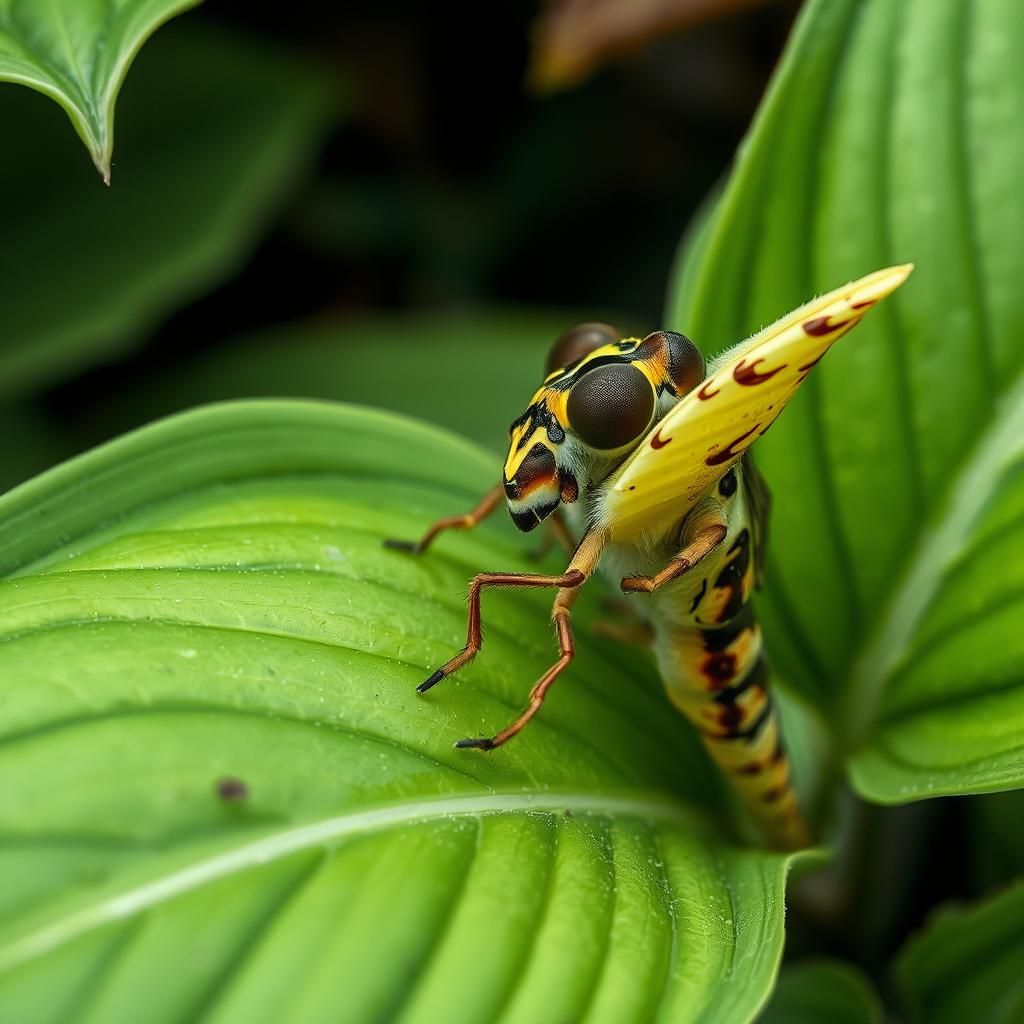
Hostas are beloved garden plants known for their lush foliage and variety of colors, but their beauty often attracts unwelcome visitors. Gardeners frequently encounter the frustrating problem of hosta leaves being nibbled or destroyed, leading to questions about which animals are responsible for this damage. In this article, we will explore the culprits behind the destruction of your hostas, examining the common garden pests that feast on these popular plants. Understanding these animals' behaviors and preferences can help you protect your garden and maintain the health and beauty of your beloved hostas.
What Animals Are Known to Eat Hosta Leaves?
Hostas are popular garden plants, but they often fall victim to various pests and wildlife that enjoy feasting on their lush green leaves. Some of the most common culprits include slugs, snails, and numerous species of deer. Slugs and snails are particularly notorious for their insatiable appetite for hosta foliage, as they thrive in moist environments and tend to leave behind a trail of slime. On the other hand, deer are known to nibble on hostas when other food sources are scarce, often leading to severe damage or complete defoliation of the plants. In addition, rabbits and certain types of insects, such as aphids, can also cause significant harm to hostas, making them a preferred target for many types of wildlife.
Common Pests That Eat Hosta Leaves
One of the primary pests affecting hostas is the slug, which typically feeds during the night and leaves noticeable irregular holes in the leaves. These soft-bodied creatures thrive in damp conditions, often causing extensive damage to hostas in the garden, especially during the rainy season. Alongside slugs, snails also share a similar diet; they can be found on the leaves, feeding and damaging them just like slugs. Their slow movement allows them to efficiently consume parts of the hosta plants without being noticed until significant damage has occurred.
Impact of Deer on Hosta Plants
Deer are significant herbivores in many gardens, and they are known to consume hosta leaves when food is limited or when they are drawn to the tender new growth. Their preference for hostas can often lead to considerable damage, as a single deer can clear multiple plants in one feeding session. Unlike slugs and snails, deer will quickly strip hostas of their leaves, leaving bare stems and truncated growth, which not only affects the appearance of the garden but could also lead to long-term health issues for the plants.
How Rabbits Affect Hosta Leaves
Another common wildlife culprit includes rabbits, who also enjoy munching on the tender foliage of hostas. These small mammals often leave behind clean cuts on the leaves and typically feed at ground level, making them less noticeable than larger animals like deer. Rabbits tend to be particularly problematic in gardens during spring when hosta plants first emerge. Their feeding habits can stunt the growth of hostas, affecting their overall vitality and aesthetic appeal.
Insects That Damage Hosta Leaves
In addition to slugs and deer, various types of insects can be detrimental to hosta plants. Aphids are one of the most common insects found on hostas, and while their feeding might not leave large holes like slugs, they can weaken the plant by sucking sap and transmitting diseases. Other pests, like spider mites and leafcutter bees, can also target the leaves of hostas, leading to discoloration and further distress. Managing insect populations through appropriate gardening practices can help safeguard hostas against these tiny invaders.
Prevention and Control Methods for Hosta Damage
To protect hostas from being devoured by pests and wildlife, gardeners can implement several effective prevention strategies. For slugs and snails, using barriers such as copper tape or placing coarse materials like eggshells around plants can deter their approach. Additionally, employing repellents, such as deer-resistant sprays, can help keep deer and rabbits at bay. Regular monitoring of plants for signs of insect infestation is crucial, and introducing natural predators or using insecticidal soaps can mitigate damage caused by insects like aphids. Overall, a proactive approach helps maintain the health and appearance of hosta plants.
| Animal | Type of Damage | Prevention |
|---|---|---|
| Slugs | Irregular holes and slimy trails | Use copper tape or coarse materials |
| Deer | Complete leaf consumption | Employ deer-resistant sprays and fences |
| Rabbits | Clean cuts on leaves | Use repellents and barriers |
| Aphids | Sap suckers and discoloration | Introduce natural predators or use insecticidal soap |
| Snails | Small holes and slime | Similar to slugs - barriers |
How do I stop my hostas from being eaten?
:strip_icc()/slug-damage-holes-in-hosta-leaves-c8e1570ba85940dbb911672b19f137f3.jpg)

To stop your hostas from being eaten, there are several strategies you can employ to protect these beautiful plants from common pests such as slugs, snails, and deer. Here are some effective methods:
Physical Barriers
Creating physical barriers can be one of the most effective ways to protect your hostas. These barriers can deter pests from accessing the plants directly.
- Copper Tape: Applying copper tape around the base of the hostas creates a barrier that slugs and snails will avoid due to the reaction of their slime with copper.
- Garden Mesh: Using fine mesh or netting can help keep larger pests like deer and rabbits away from your hostas.
- Planting in Elevation: Raising hostas on elevated beds or containers can help limit access for many ground predators.
Natural Deterrents
Utilizing natural deterrents can help safeguard your hostas without the use of chemicals that might harm the environment.
- Companion Planting: Placing plants like lavender or marigolds nearby can repel certain insects and pests.
- Essential Oils: Spraying diluted essential oils such as peppermint or garlic can create an unpleasant environment for pests.
- Coffee Grounds: Spreading used coffee grounds around your hostas can deter slugs and snails, as they dislike the texture and smell.
Pest Control Products
When preventive measures are not enough, consider using pest control products that are safe for garden use.
- Slug Baits: Using organic slug bait can target slugs and snails specifically without affecting other garden life.
- Insecticidal Soap: Commercial insecticidal soap can help manage soft-bodied insects that might be attacking your hostas.
- Neem Oil: This natural pesticide can disrupt the life cycle of various harmful insects while being safe for the hostas.
Maintenance Practices
Adopting good maintenance practices can enhance the resilience of your hostas and reduce the likelihood of pest infestations.
- Regular Monitoring: Keep an eye on your plants for signs of damage or pests so you can take action immediately.
- Proper Watering: Ensure your hostas are well-watered but not over-saturated, as healthy plants are less likely to be targeted.
- Clean Surroundings: Remove any debris or dead leaves around the hostas to reduce hiding spots for pests.
Attracting Beneficial Wildlife
Promoting beneficial wildlife in your garden can help keep pest populations under control naturally.
- Encouraging Birds: Installing bird feeders or houses can attract birds that may eat pests like slugs and caterpillars.
- Insects and Predators: Introducing or preserving ladybugs and lacewings can help control aphid populations.
- Creating Habitat: Providing shelter for beneficial insects by adding brush piles or native plants can enhance their presence in your garden.
What animal ate my hosta leaves?
Hostas are popular garden plants, known for their large, lush leaves. However, they are often targeted by various animals. If you have noticed your hosta leaves are being eaten, several culprits may be responsible. Here’s a detailed overview of the potential animals that might eat your hosta leaves.
See also:
Identifying Common Garden Herbivores
Many animals are known to munch on hostas. To identify the culprit, it's important to observe the type of damage on the leaves and the characteristics of the eating patterns.
- Deer - They tend to leave ragged edges and can consume entire leaves, especially when food is scarce.
- Rabbits - Typically leave clean, angled cuts on the leaves, as they bite off the leaf sections.
- Slugs and Snails - These creatures create irregular holes in the leaves and can leave shiny trails of mucous.
Signs of Deer Activity
If deer are the intruders, you might notice more than just leaf damage. Their behavior can provide additional clues.
- Track Marks - Look for hoof prints in your garden soil.
- Scat - Deer droppings often appear in clusters and can be a clear sign of their presence.
- Bark Scraping - Sometimes deer will scrape their antlers against small trees or shrubs nearby.
Assessing Rabbit Damage
Understanding how rabbits interact with your hostas can help determine if they are the vandal.
- Clean Cuts - Rabbit bites tend to be sharp and pointy, resembling a clean snip.
- Height of Damage - Rabbits usually only reach low-lying leaves, so check the plant's lower areas.
- Burrows - Look for burrows near your hostas, as this indicates active rabbit populations.
Recognizing Slug and Snail Damage
Slugs and snails may be more elusive, as they are nocturnal and prefer damp conditions. However, identifying their damage is crucial.
- Irregular Holes - They often create uneven, jagged holes throughout the leaf.
- Mucous Trails - The shiny trails left behind can be a telltale sign of their presence.
- Feeding Time - Check plants early in the morning or after rain, which is when they are most active.
Birds and Squirrels: Unexpected Culprits
In addition to typical herbivores, some birds and squirrels may nibble on hostas as well.
- Birds - Certain birds may peck at the leaves, causing small holes, especially if they are searching for insects.
- Squirrels - These rodents may also eat the leaves, leaving them shredded and torn.
- Behavioral Patterns - Birds are usually attracted to hostas during nesting season when they need extra nutrition for their young.
Questions from Our Readers
What animals are known to eat hosta leaves?
Many animals are attracted to hosta leaves, especially deer and rabbits. These herbivores often find hostas to be a delicious snack, munching on the tender leaves. Additionally, slugs and snails can cause significant damage, as they feed on the foliage, leaving behind large holes.
How can I protect my hostas from animals that eat them?
To protect your hostas from animals like deer and rabbits, consider using fencing or barriers around your plants. Applying repellents that contain strong scents can also deter these animals. Additionally, planting companion plants that are less appealing to them can help keep hostas safe.
Are there any specific types of hostas that are more resistant to animal damage?
While no hosta is completely animal-proof, some varieties are known to be more resistant. Thicker-leaved hostas, such as the 'Sum and Substance', tend to be less palatable to herbivores, making them a better option if you have issues with animal eating.
See also:
What should I do if my hostas are already damaged by animals?
If your hostas have been damaged, assess the extent of the damage and trim away the affected leaves to encourage new growth. It's also important to ensure the plants are receiving adequate water and nutrition to recover. Consider implementing protective measures to prevent further damage in the future.
https://youtube.com/watch?v=V811I-rwpb0
If you want to read more articles like What Animal Eats Hosta Leaves? Discovering the Culprits Behind Your Garden's Damage, we recommend you check out our Hostas category.
Leave a Reply
Related Articles